How High-End Activewear Brands Build a Quick-Replenishment Framework
As replenishment cycles become more time-sensitive, high-end activewear brands increasingly rely on a clear and repeatable framework for rapid restocking. Seasonal fluctuations, holiday sell-through, and early Q1 demand all require brands to respond faster than traditional manufacturing timelines allow. A well-structured replenishment framework helps maintain stock continuity, reduce overproduction risk, and maximize sell-through without compromising quality or design standards.
1. Establishing a Core SKU Library for Faster Execution
A successful replenishment system begins with defining a “core SKU library”—the set of products that consistently drive volume throughout the year. These typically include black leggings, brushed winter bottoms, essential bras, men's performance tees, and transitional hoodies. When brands identify their core performers and standardize fabrics, trims, and patterns around them, the development burden for replenishment orders becomes significantly lighter. This allows factories to enter cutting and sewing stages with minimal validation time.
2. Pre-Approving Fabrics and Trims to Remove Lead-Time Delays
Fabric approval is one of the biggest factors that affects lead time. By pre-approving essential fabrics—such as nylon-spandex blends, brushed polyesters, ribbed knits, or stretch-woven options—brands reduce waiting time at the mill level. Pre-approved trims, including silicone logos, reflective elements, drawcords, and heat-seal labels, eliminate repeated test cycles. This foundation enables a replenishment order to begin immediately once size ratios and quantities are confirmed.
3. Using Digital Pattern & Size Libraries for Instant Start-Up
Most delays in replenishment occur when patterns or size specs need updating. High-end brands avoid this by maintaining a digital database of graded patterns and fit-approved blocks. Once a design is finalized early in the year, all future replenishment orders reuse the same tech pack, grading, and construction details. This practice not only shortens development time but also ensures consistent fit across multiple production cycles and seasons.
4. Creating a Flexible MOQ Arrangement With the Supplier
A quick-replenishment framework requires more flexible MOQ arrangements than typical seasonal production. Brands often negotiate MOQ policies based on fabric consumption, shared colors, or production line availability. Instead of committing to large quantities, brands and manufacturers collaborate on small or mid-sized batches that match real-time market needs. Such flexibility supports faster response during peak periods while minimizing inventory pressure.
5. Aligning Production Slots Ahead of Peak Demand Periods
Replenishment efficiency heavily depends on whether production slots can be secured in advance. The best-performing brands work with suppliers to reserve rolling capacity throughout the year—especially ahead of predictable peaks such as January–March. Reserving partial line capacity ensures that replenishment orders are not delayed by full seasonal bookings or overlapping bulk schedules. This practice also stabilizes delivery timelines by preventing last-minute line congestion.
6. Integrating Real-Time Sell-Through Data Into Replenishment Decisions
A replenishment framework works best when decisions are made using current sell-through metrics rather than long-term forecasts. By monitoring SKU-level weekly performance, retailers can identify emerging demand patterns early. For example, if a brushed winter tight begins selling faster than expected in late November, brands can trigger a December replenishment before inventory becomes constrained. Real-time data empowers brands to react at the moment demand accelerates instead of after shortages appear.
7. Partnering With Suppliers Who Can Support Fast, Stable Cycles
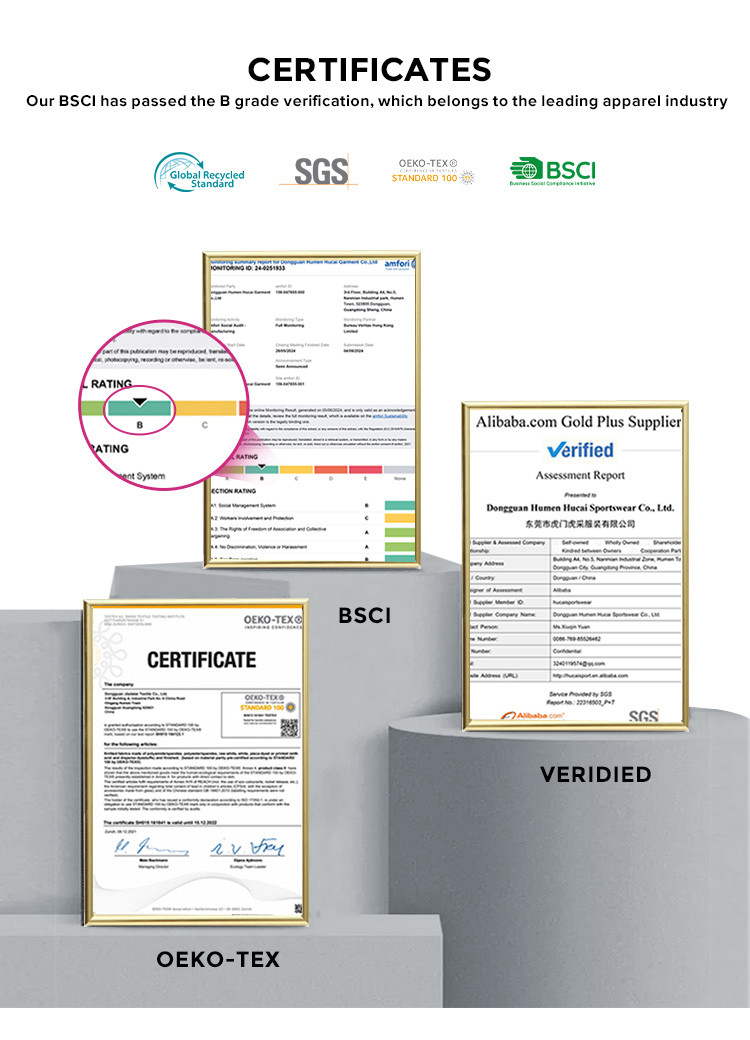
Fast replenishment relies heavily on supplier capabilities. Factories with MES-based production monitoring, automated cutting systems, consistent AQL inspection procedures, and a stable sourcing network are better equipped to execute quick cycles without quality risks. Brands also benefit from factories that keep core fabrics in stock, maintain digital workflows, and provide transparent production timelines. When these elements are in place, replenishment becomes predictable rather than reactive.
A refined replenishment framework enables high-end activewear brands to maintain stock stability across seasonal peaks, improve forecast accuracy, and reduce the risk of lost sales. By aligning core SKU strategy, pre-approved materials, flexible MOQ structures, and digital workflow with supplier capabilities, brands can achieve fast, consistent, and high-quality replenishment throughout the year—especially during the critical December to Q1 window.
Building your replenishment system for 2025–2026?
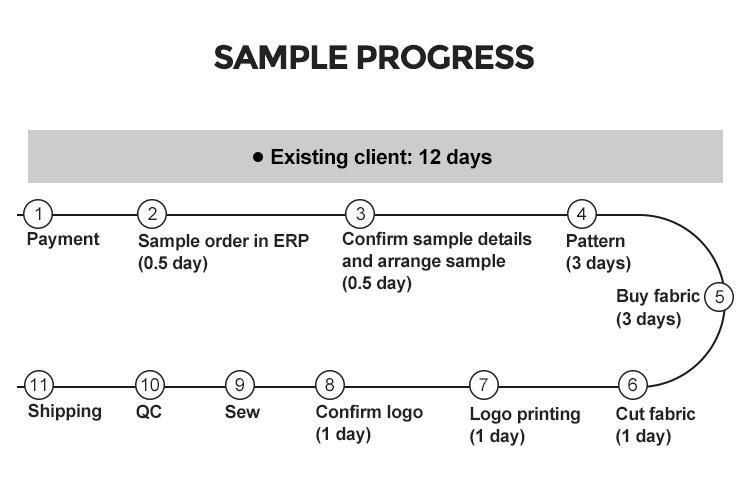
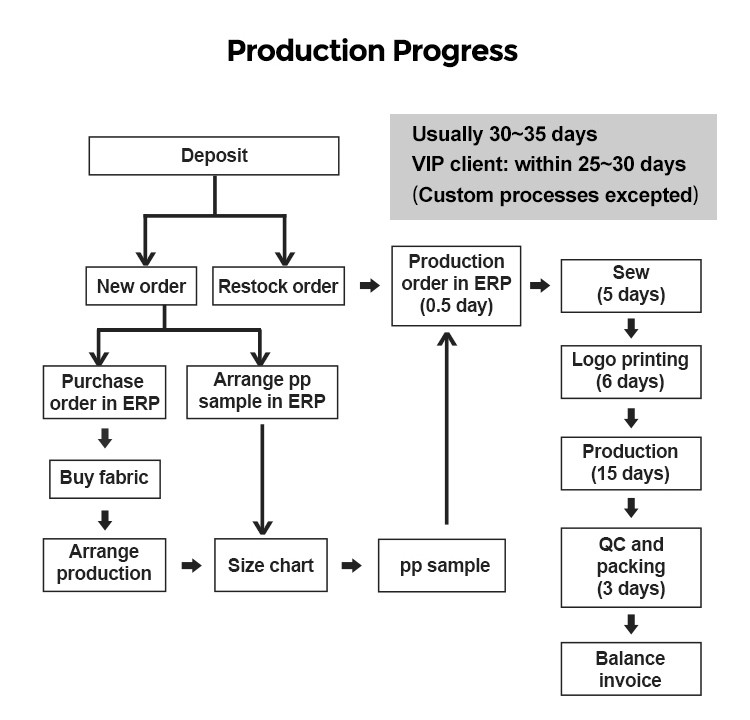
HUCAI provides fast sampling, flexible MOQs, and stable production scheduling for premium activewear brands.