Why Women’s Sportswear Is More Challenging to Manufacture Than It Looks
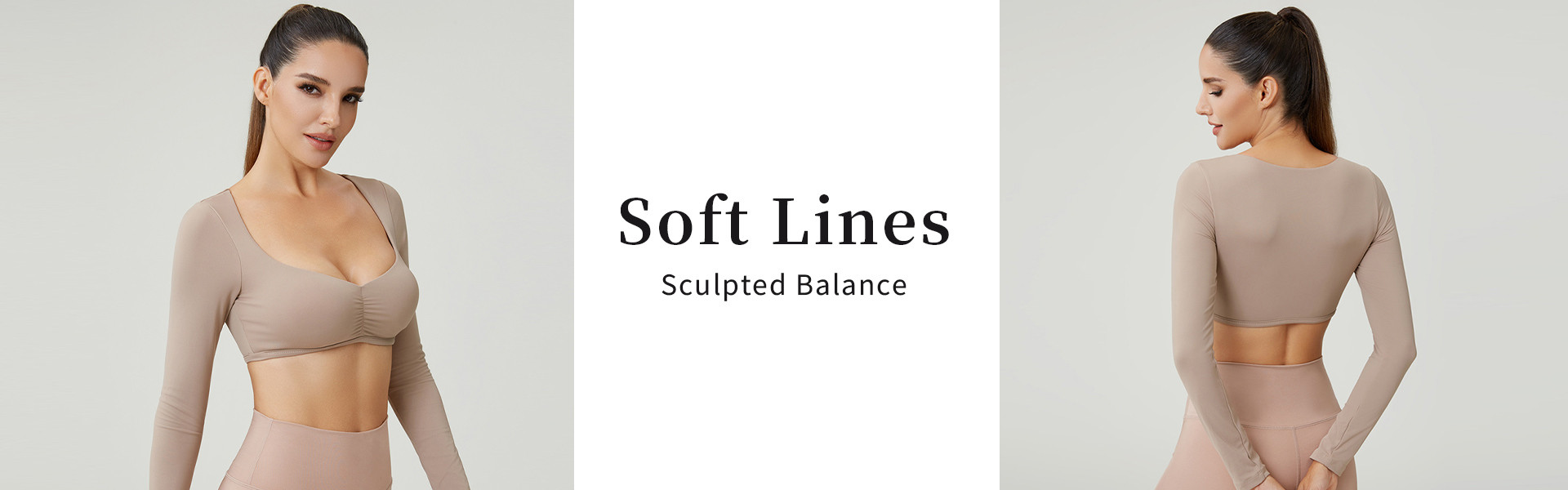
Why Fit Sensitivity Makes Women’s Sportswear Harder to Produce
One of the main reasons women’s sportswear is more difficult to manufacture lies in fit sensitivity. Women’s activewear is typically more form-fitting and closely connected to body movement. Small deviations in pattern balance, stretch recovery, or cutting accuracy can immediately affect comfort and appearance.
Unlike loose silhouettes, women’s sportswear often needs to support movement while maintaining shape. During activities such as yoga, training, or stretching, garments are pulled in multiple directions at once. A slight inconsistency that may go unnoticed in casual apparel becomes obvious during wear. This makes women’s sportswear far less tolerant of manufacturing variation.
During sampling, fit is usually evaluated in controlled conditions and short fittings. However, once production scales and garments are worn repeatedly, minor fit issues become amplified. This is why brands often find that a sample fits well, but bulk production creates uneven feedback across sizes or wear scenarios.
How Fabric Behavior Changes Between Sample and Production
Fabric selection plays a larger role in women’s sportswear than many brands initially expect. Stretch, recovery, and surface feel all influence how a garment performs during movement. A fabric that behaves well in a single sample does not always perform the same way in bulk production.
When production moves from sample to bulk, fabric handling changes. Cutting is done in layers rather than individually, sewing speed increases, and garments are exposed to higher tension throughout the process. These conditions can subtly alter how a fabric stretches and recovers.
In women’s activewear, where garments rely heavily on controlled stretch, this behavior matters. Differences in fabric batches, dye processes, or handling methods can result in garments that technically meet specifications but feel different when worn. These issues are rarely visible on inspection tables, yet they significantly affect user experience.
This is one of the most common reasons why problems appear after launch rather than during development.
Why Consistency Is the Real Manufacturing Challenge
For women’s sportswear, the biggest challenge is not creating a good sample—it is maintaining consistency over time. Styles that perform well in the first order must continue to perform across reorders, size expansions, and seasonal production cycles.
Consistency depends on more than quality checks. It requires clear manufacturing standards that control how patterns are executed, how fabrics are handled, and how production variables are managed. Without this structure, small differences accumulate from batch to batch.
Many brands experience this as hesitation. A product sells, but teams delay expanding colors or quantities because the manufacturing outcome feels unpredictable. This uncertainty often traces back to a development process that focused on appearance rather than repeatability.
Experienced sportswear manufacturers approach women’s activewear differently. They treat samples as production references, not final proofs. Development decisions prioritize long-term stability, ensuring that what works once can be reproduced reliably at scale.
Welcome
To learn more about our manufacturing approach and product capabilities, you can also visit