How activewear brands prevent stockouts during holiday and New Year peaks
Holiday shopping and the New Year fitness surge together create one of the highest-demand periods for activewear brands. Leggings, brushed winter bottoms, essential bras, long sleeves, and men's training tops often sell faster than forecasted. When brands enter December without a clear inventory strategy, stockouts can occur abruptly—resulting in lost revenue, higher logistics costs, and delayed seasonal launches. Preventing stockouts requires proactive planning, real-time inventory visibility, and strong supplier alignment before demand peaks.
1. Anticipating Demand Through Real-Time Sell-Through
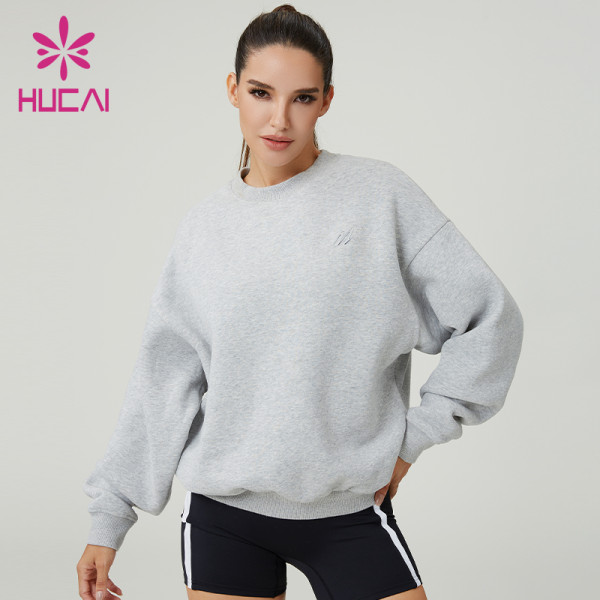
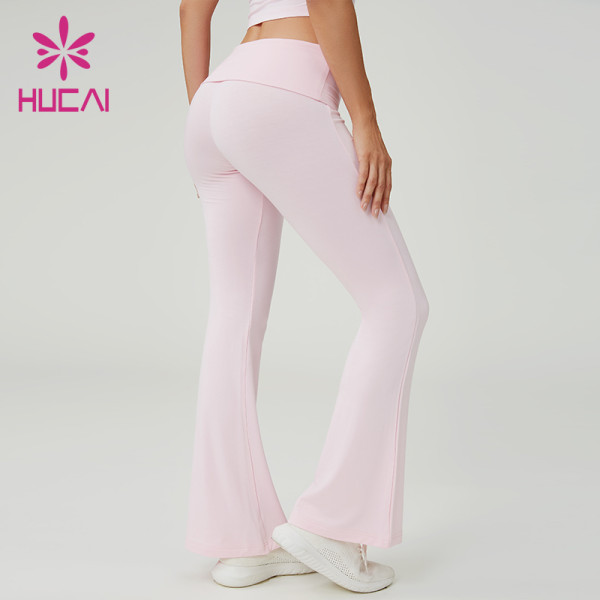
The best-performing brands rely on weekly and even daily sell-through data to identify demand spikes early. When a core product begins accelerating—even if the overall forecast was conservative—brands trigger immediate discussions with their manufacturer. Early detection makes a significant difference because replenishment becomes feasible before production queues overflow in January. This type of quick reaction is especially important for universal staples such as black leggings, brushed fleece joggers, and soft-knit winter tops, which historically dominate both holiday and January sales.
2. Building Inventory Buffers for Core, All-Season Styles
While high-end brands typically avoid overstocking, a controlled inventory buffer for core styles is essential. Products that maintain year-round sell-through—like basic leggings, long-sleeve training tops, and essential bras—benefit from a small buffer that can absorb unexpected spikes during December and January. This approach reduces the risk of stockouts without tying up excessive capital. A well-sized buffer also helps maintain consistent delivery times for e-commerce orders during peak season, preserving customer satisfaction when shipping volumes are at their highest.
3. Using Pre-Approved Materials to Enable Faster Replenishment
One of the most effective ways to prevent stockouts is to eliminate development delays. Pre-approved fabrics, trims, labels, and logo techniques allow factories to begin replenishment production immediately once an order is confirmed. Without waiting for shrinkage testing, lab dips, or new silicone mold sampling, a brand can move from PO confirmation to cutting within days. This process is especially valuable for winter brushed fabrics, rib-knit lifestyle materials, and nylon-spandex blends—categories that are heavily reordered during peak periods.
4. Reserving Production Capacity Ahead of Peak Season
Many brands avoid stockouts simply by reserving partial production capacity before December. By prebooking selected lines or time blocks with their OEM supplier, they ensure availability for quick-turn replenishment when sell-through exceeds expectations. This practice also protects brands from seasonal congestion in January, when factories typically reach maximum utilization and cannot accept urgent orders. Secure capacity equals secure inventory.
5. Aligning With a Supplier Who Can Support Fast, High-Quality Cycles
Supplier capability is one of the strongest determinants of whether a brand will successfully avoid stockouts. Factories with integrated MES systems provide real-time production visibility, allowing brands to track progress and adjust timelines if necessary. Manufacturers who maintain essential fabric stock, operate automated cutting rooms, and enforce consistent AQL inspections can execute short, urgent replenishment runs without quality fluctuations. These competencies give brands confidence to reorder quickly, reducing the risk of missed opportunities during peak selling weeks.
6. Planning Replenishment and New-Season Launches Together
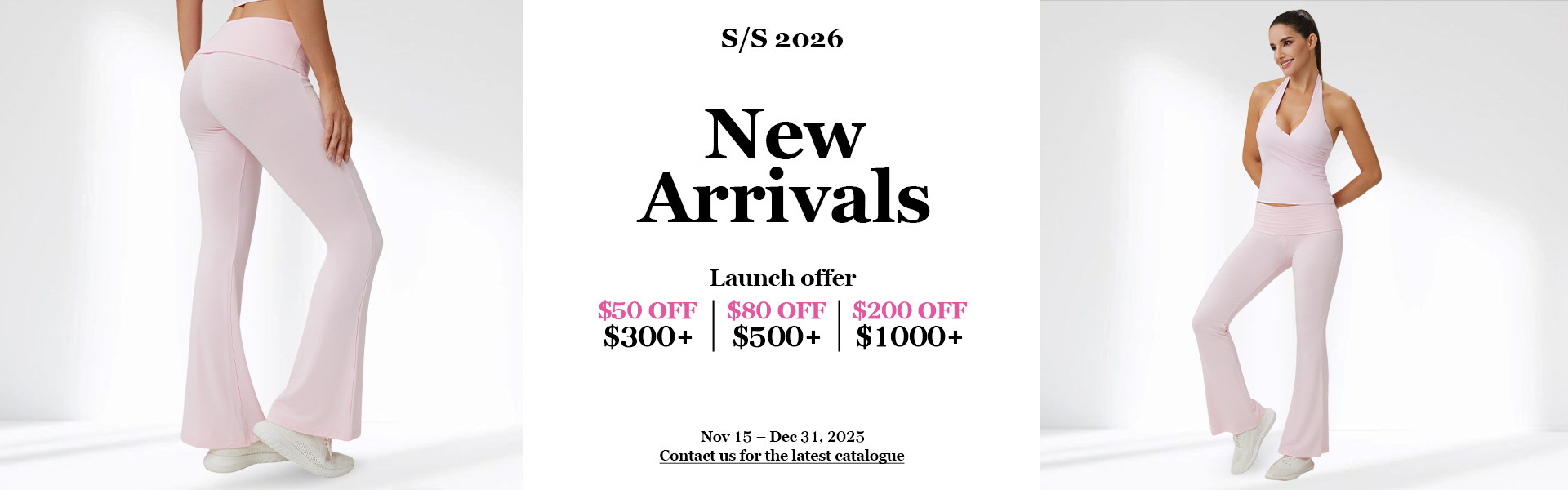
To prevent stockouts during the holiday-to-New-Year transition, brands must coordinate replenishment planning with upcoming seasonal launches. For example, restocking a bestselling winter legging in December can be combined with preparing early Spring/Summer drops for delivery in February or March. Planning the two together reduces shipping cost, avoids repeated QC cycles, and ensures that factories organize their line schedules with full visibility. This integrated approach gives brands a more stable and predictable inventory flow.
Preventing stockouts during the most important retail period of the year requires a mix of real-time data, pre-approved materials, flexible supplier capacity, and proactive planning. When brands build these systems in advance, they maintain consistent product availability throughout December and January—capturing every possible sale while preparing for a strong start to the new season.
Need to secure inventory for Holiday and New Year peaks?
HUCAI provides fast replenishment, flexible MOQs, and stable production capacity for premium activewear brands.