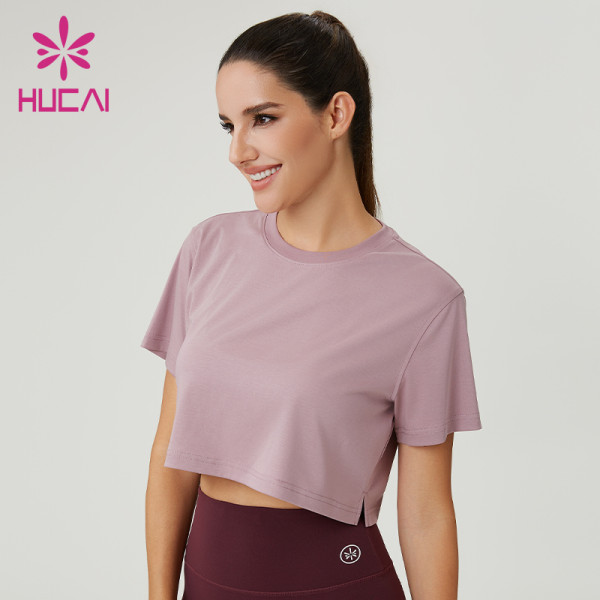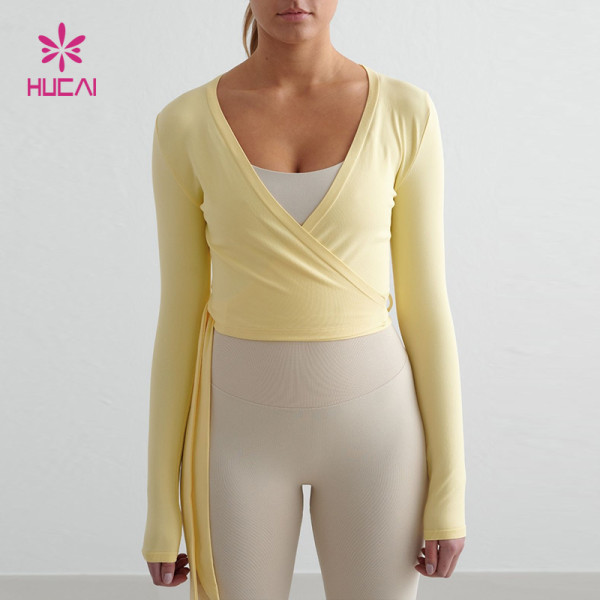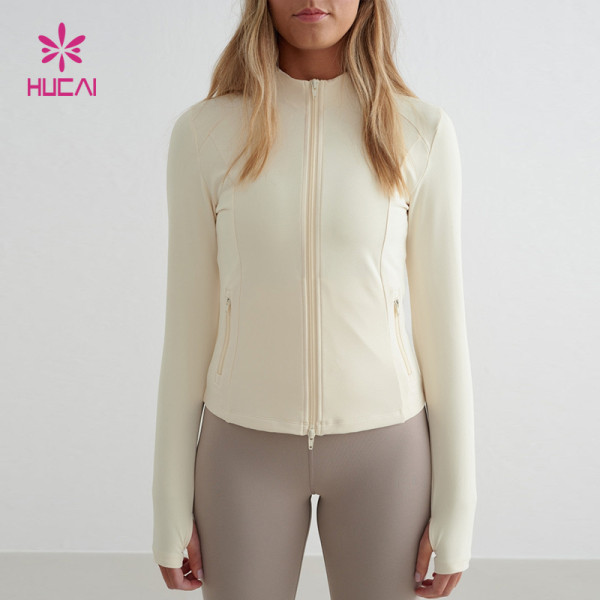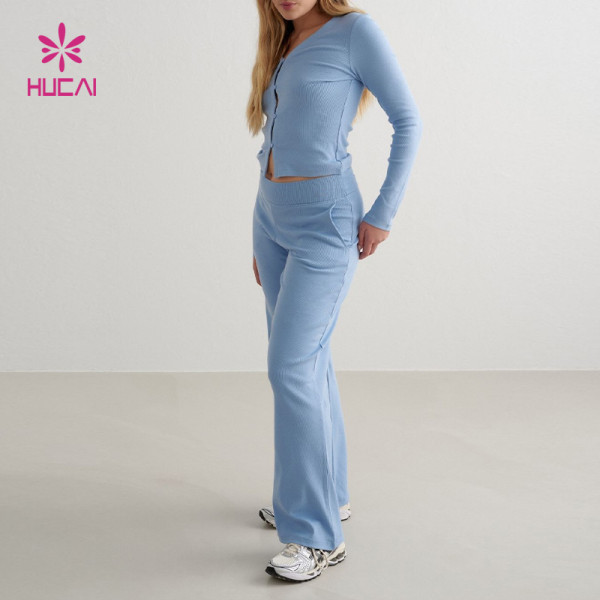
From Studio to Street: Why Dual-Use Sportswear Is Harder to Produce
One Garment, Two Opposing Use Logics
Studio and street do not ask the same things from a garment.
In a studio environment, sportswear is expected to control the body. Fit must feel secure, movement must be supported, and fabric must respond predictably under strain. Precision matters more than forgiveness.
On the street, the same garment is expected to release control. Comfort replaces compression. Visual balance replaces technical structure. The body is no longer performing—it is simply living.
Dual-use sportswear forces both logics into a single product. Every production decision—fit tolerance, fabric choice, seam placement—must serve two opposing realities at once. This is where difficulty begins.
When One Fabric Is Asked to Do Two Jobs
Fabric is where dual-use ambition becomes operational tension.
A material that performs beautifully in studio conditions—responsive stretch, firm recovery, controlled compression—often feels restrictive in daily wear. Conversely, a fabric that drapes well and feels soft for long hours may lose clarity under repeated movement and tension.
In dual-use sportswear, fabric is asked to switch roles without changing identity.
This creates narrow margins. Small deviations in finishing, recovery rate, or hand feel that would be acceptable in single-use products become amplified.
Why Dual-Use Products Stress Production Systems
Dual-use sportswear leaves little room for compromise.
Production systems are designed to optimize toward a clear priority. Dual-use garments remove that clarity. Decisions cannot simply favor performance or comfort without consequence. Every optimization subtly shifts the product toward one end of the spectrum.
This is why dual-use styles are more sensitive to batch variation and late-stage adjustments.
At HUCAI, dual-use programs are approached with this tension acknowledged upfront. Fabric behavior is evaluated across contexts, not just samples. Production decisions are made with explicit awareness of which trade-offs are acceptable—and which are not.
Dual-use sportswear is not harder because it demands more. It is harder because it demands balance—and balance is difficult to reproduce at scale.
A Practical Question Before the Next Dual-Use Design
Before committing a style to production, ask:
If this garment performs perfectly in one setting, what must it give up in the other?
If that trade-off has not been defined, manufacturing will define it for you.
Welcome
Thank you for reading.
To learn how balanced production systems support studio-to-street sportswear,