SS26 Performance Sportswear Manufacturing: What Vogue Gets Right
Performance Is No Longer a Category—It’s a Baseline
Vogue’s recent coverage of activewear does not simply celebrate new silhouettes or seasonal palettes. What it captures, more subtly, is that performance has moved from a specialized segment to a structural expectation.
In SS26, performance is not a differentiator. It is assumed.
This matters for manufacturing. When function becomes baseline rather than feature, production tolerance tightens. Compression must remain stable across size ranges. Breathability must be engineered rather than decorative. Lightweight construction must still maintain shape under stress.
The conversation shifts from “Does it look premium?” to “Does it remain premium over time?”
Elevated Essentials Require Operational Discipline
Vogue speaks about elevated basics—leggings, bras, fitted long sleeves that transition effortlessly between contexts. What is correct in that observation is not the styling direction, but the implication: simplicity exposes weakness.
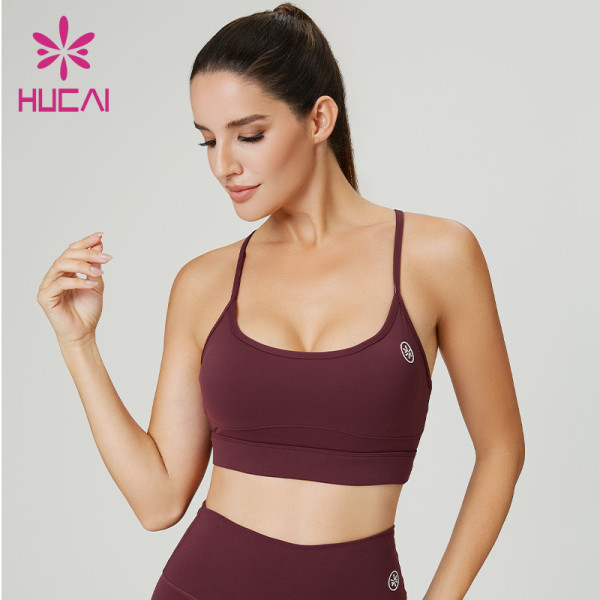
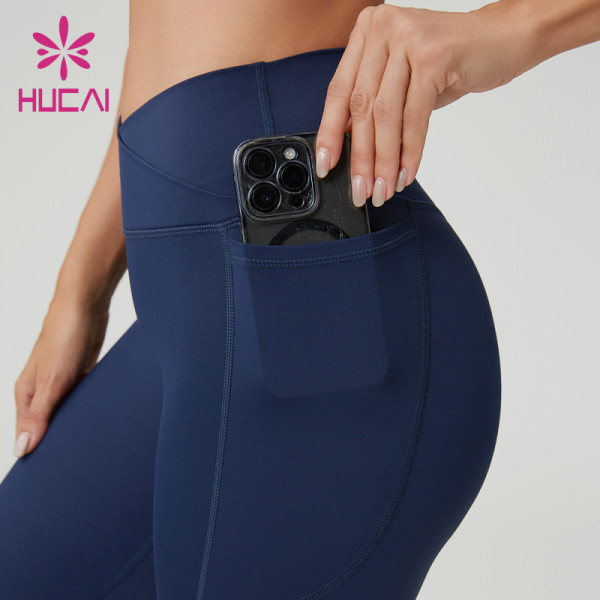
Minimal designs leave no room to hide structural flaws. A high-rise waistband must retain tension without roll-down. A sculpted bra must maintain underband integrity after repeated laundering. A cropped top must preserve proportion across bulk production, not only in sampling.
For SS26, brands are increasingly consolidating fabric platforms across categories to maintain alignment. The challenge is not innovation, but repeatability.
This is where manufacturing determines credibility. Consistency across restocks, color extensions, and seasonal updates depends on disciplined cutting accuracy, controlled shrinkage, and inspection standards that protect structure rather than merely appearance.
Manufacturing Credibility Is Becoming Brand Currency
What Vogue gets right is the direction of value: durability, versatility, and longevity are replacing novelty as drivers of demand.
What it does not address—but what SS26 makes clear—is that this shift elevates the role of the OEM manufacturer.
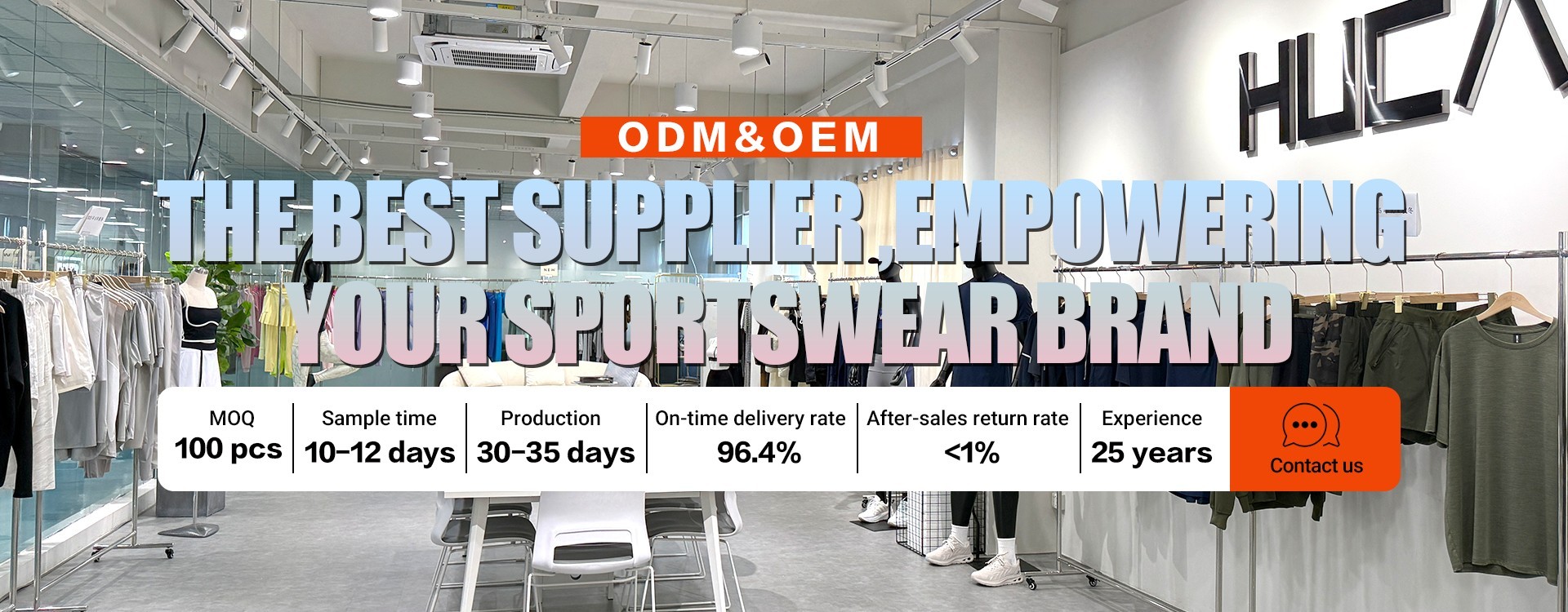
When performance becomes foundational, suppliers are evaluated less on speed and more on structural reliability. Automated cutting systems, digital production tracking, and rigorous quality control are no longer backend efficiencies; they are mechanisms that protect brand authority.
At HUCAI, our SS26 women’s performance development reflects this reality. Structural alignment across leggings, bras, cropped tops, and layering pieces is built into the process from the beginning, ensuring scalability without erosion of fit or compression integrity.
Performance may begin in design. But in SS26, credibility is secured in manufacturing.