
Style Focus
Coordinated, versatile, easy-to-style matching sets
TO BE A LEADER OF SPORTSWEAR MANUFACTURER, CREATE MORE VALUES FOR SPORTS BRANDS
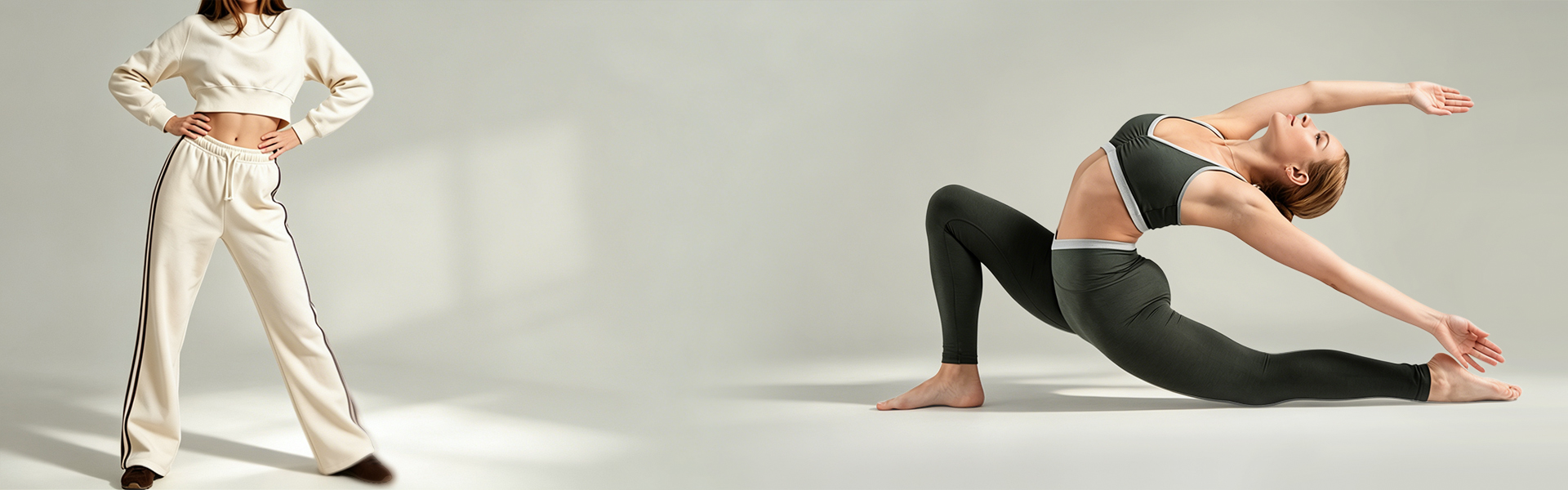
Coordinated, versatile, easy-to-style matching sets

Sports bras, leggings, bike shorts, fitted tops, light layers

Growing brands, capsule collections, ODM-led planning
Today’s activewear buyers are not only looking for individual products. They are looking for collections that feel coordinated, wearable, and commercially clear. A strong matching set direction helps brands build a more complete product story with stronger visual consistency and better sell-through potential.
Studio-to-life matching sets are especially valuable for women’s activewear brands that want to connect comfort, performance, and everyday styling in one collection direction. This theme supports a more flexible product strategy, allowing brands to build coordinated sets for studio sessions, light training, travel, and all-day wear.
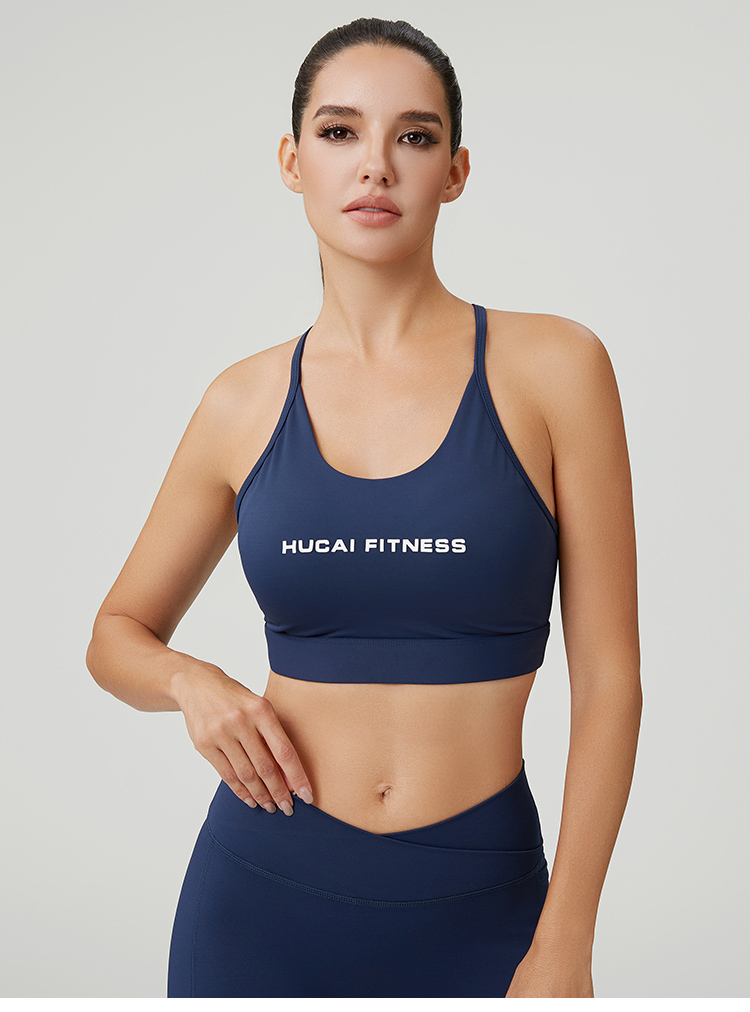
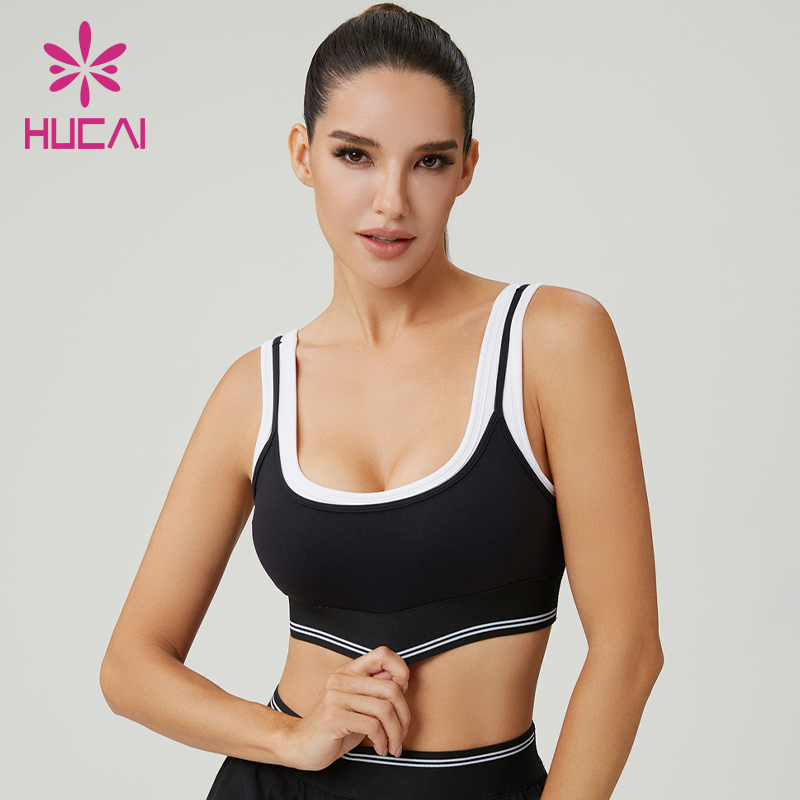
A clean and easy-entry set direction built around a soft scoop-neck sports bra and coordinated bottom for studio and everyday activewear collections.
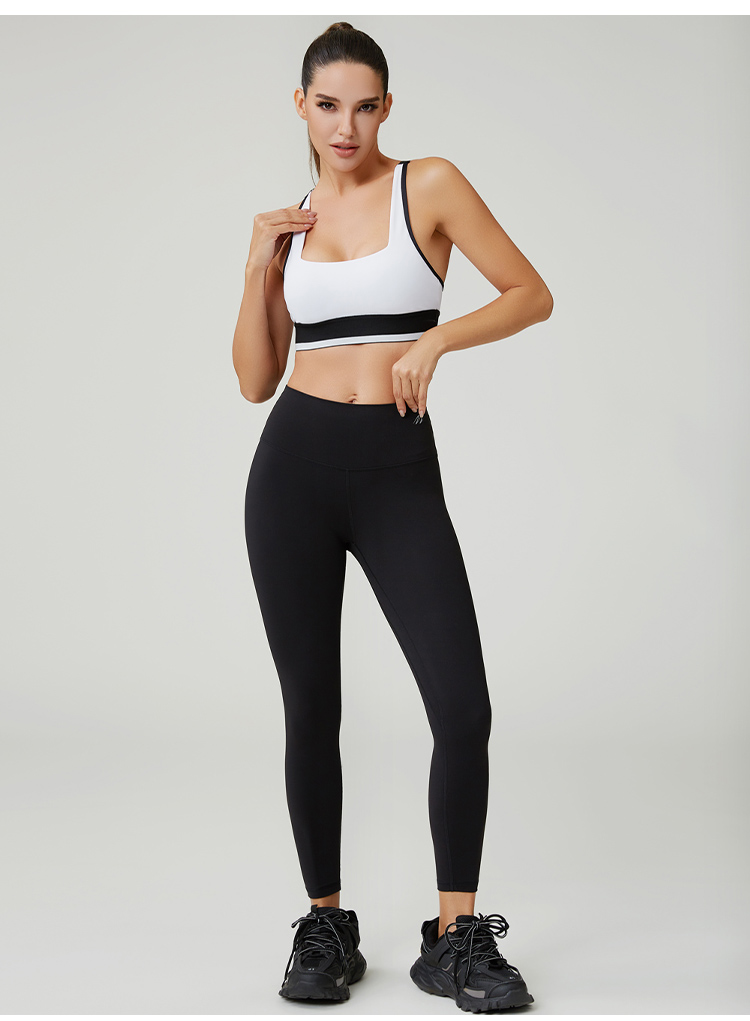
A versatile core set for brands looking to balance support, comfort, and all-day styling potential.
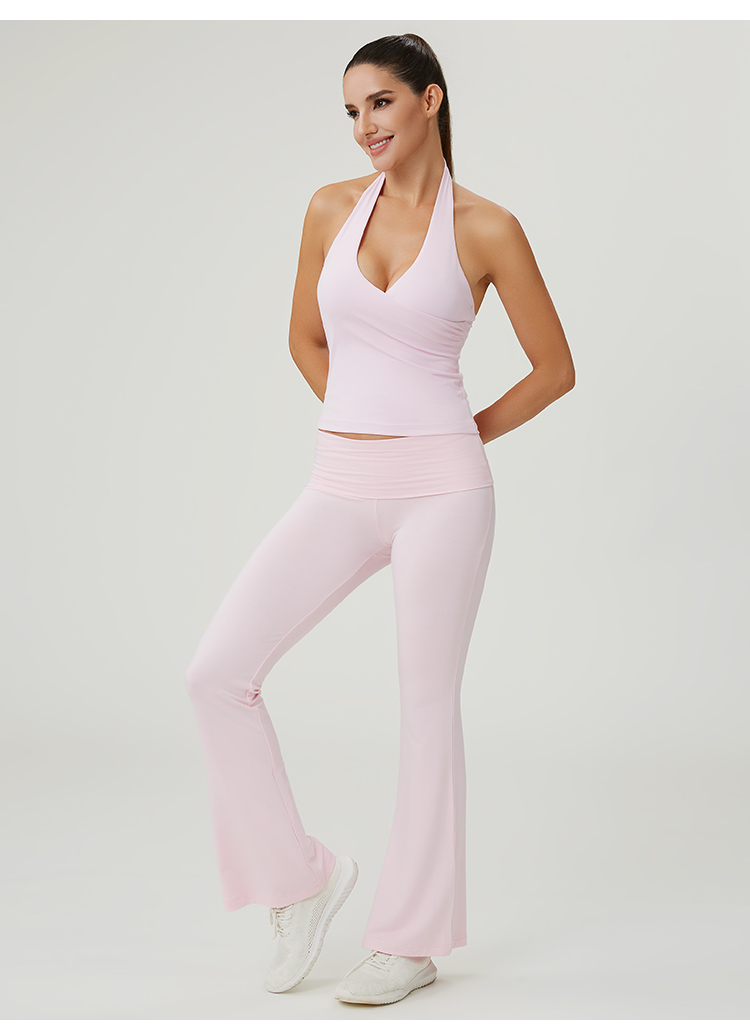
A softer and more lifestyle-driven set direction that adds movement and a more fashion-led silhouette to women’s activewear collections.
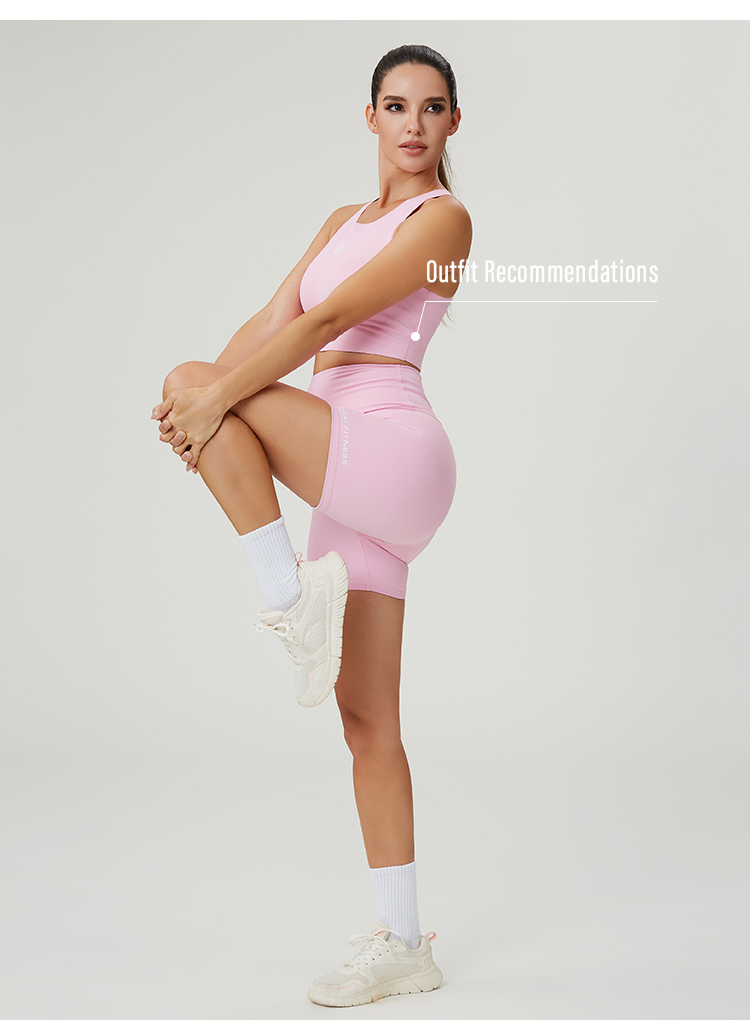
A lighter seasonal set option that works well for warm-weather collections, studio edits, and easy everyday movement.
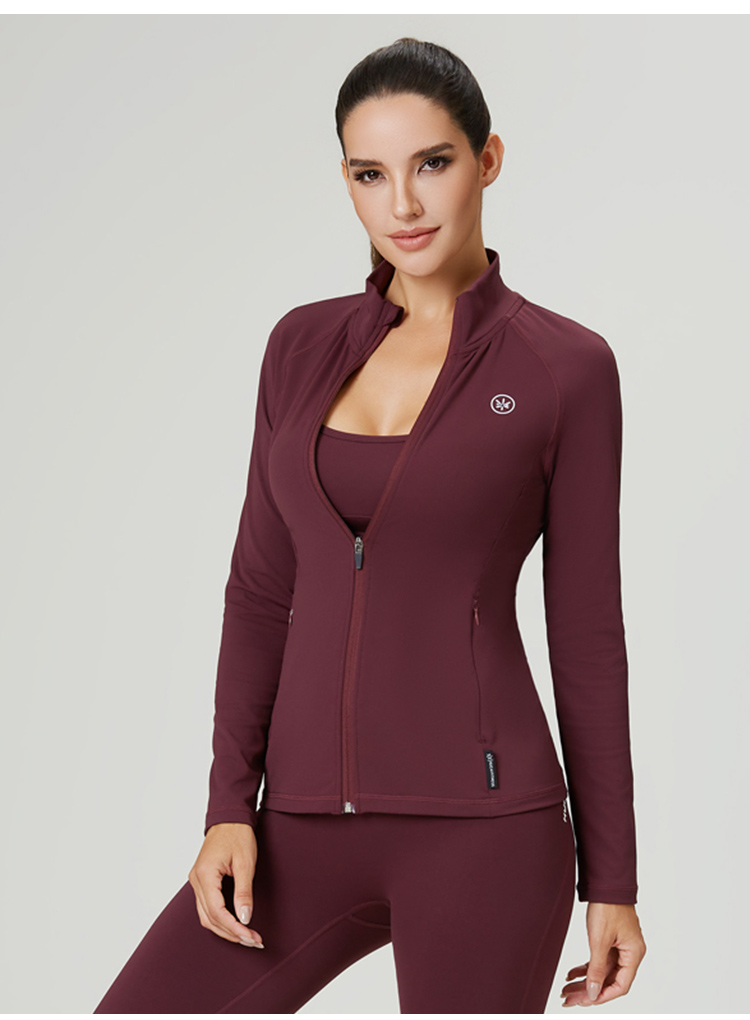
A more complete set direction for brands that want to build a coordinated capsule story with stronger layering potential.
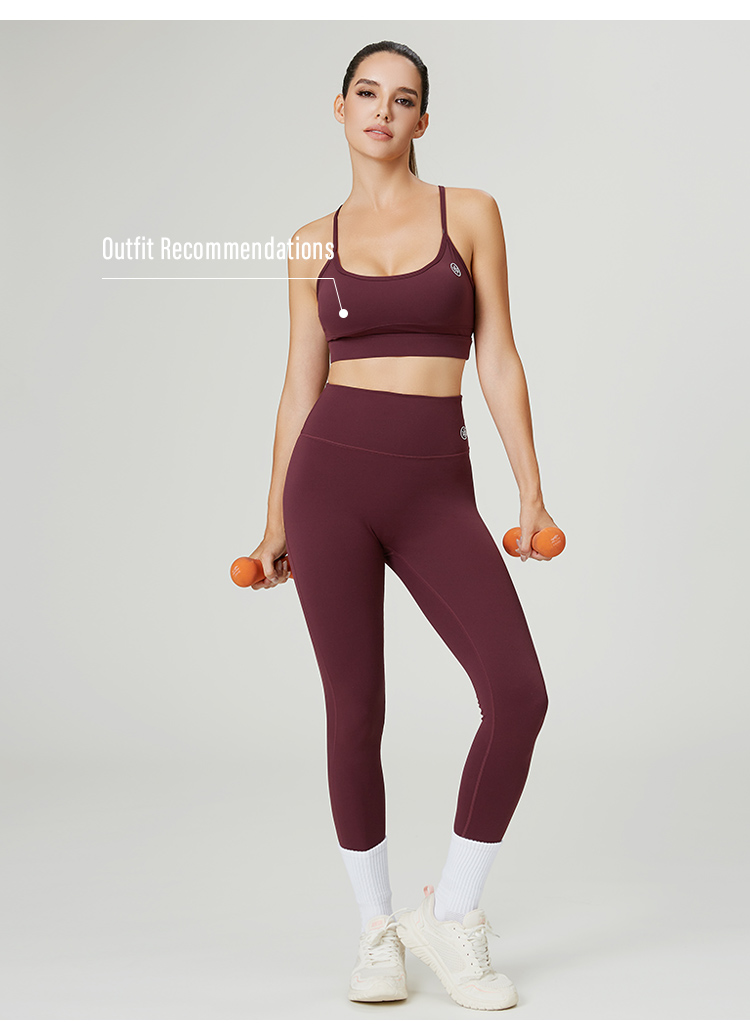
A more covered and all-day-ready set direction for brands that want studio-to-life versatility with a cleaner, more wearable silhouette.
Best For: bras, leggings, fitted tops
Recommended Fabric Type: smooth, soft-touch nylon-spandex knits with stable stretch recovery and consistent color presentation
Why This Role Matters: this is the fabric foundation of the set, shaping both the handfeel and the visual consistency of the collection
Best For: medium-support bras, high-waist leggings, more structured styles
Recommended Fabric Type: medium-compression performance fabrics that provide stronger hold and recovery without becoming too rigid for all-day wear
Why This Role Matters: support-driven pieces need more structure, but they still have to feel wearable within a studio-to-life matching set story
Best For: lightweight jackets, outer tops, cover-up layers
Recommended Fabric Type: low-bulk outer-layer fabrics that complement the base set and maintain a clean silhouette
Why This Role Matters: layering fabrics should complete the capsule story without overpowering the core set or making the collection feel heavy
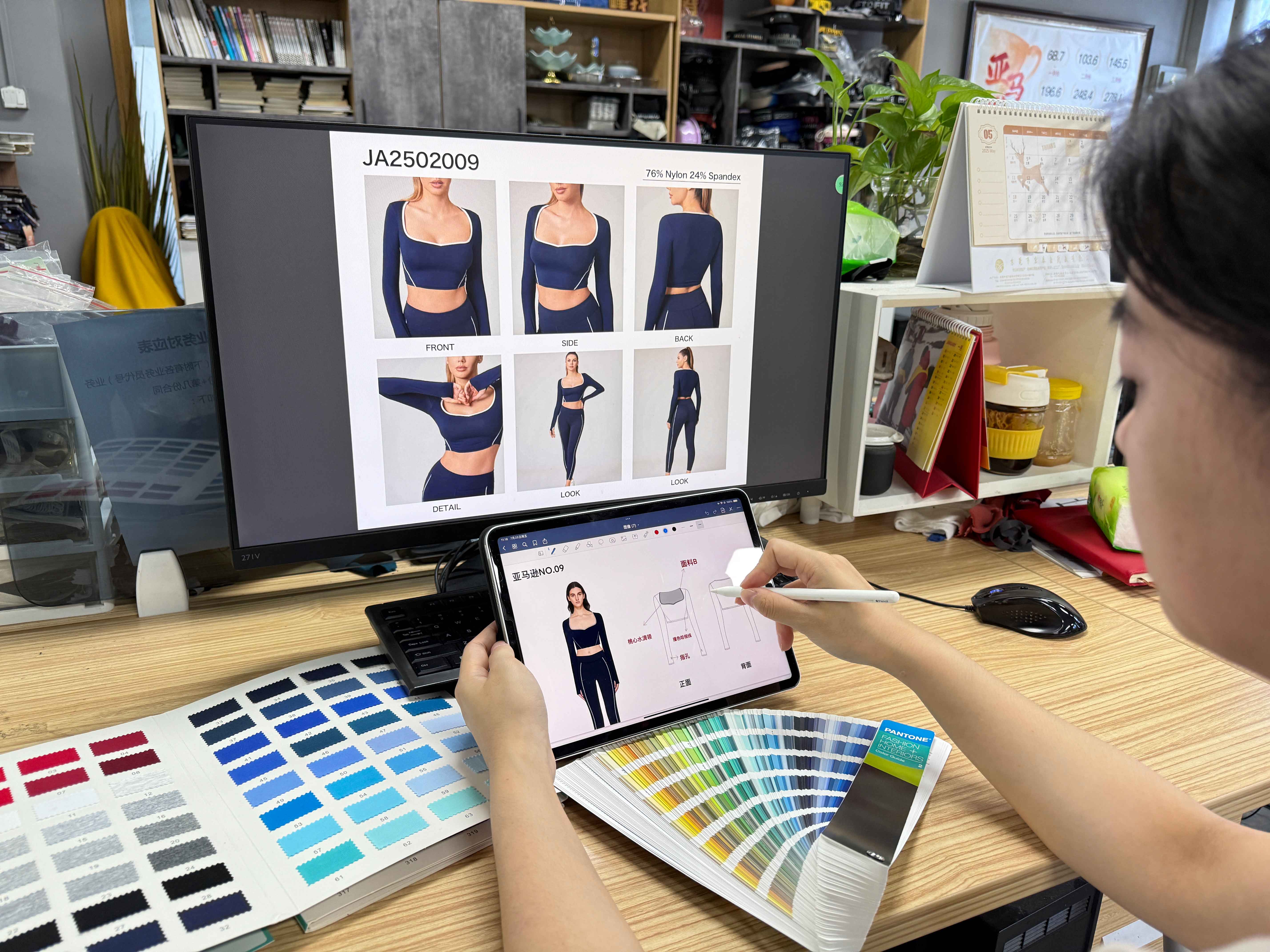
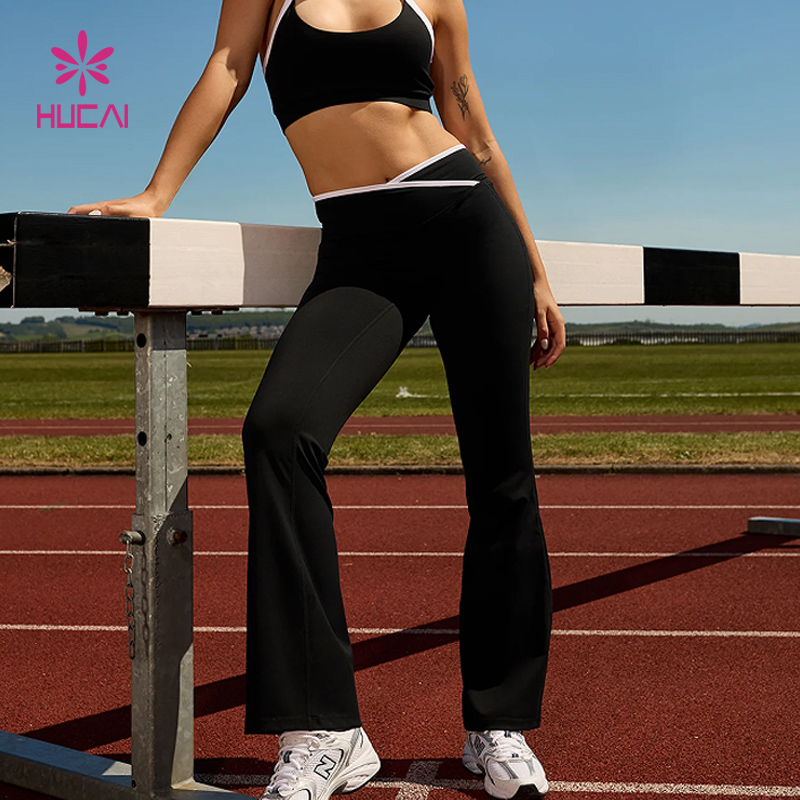
Trim, seam language, and tone matching should feel coordinated across bras, leggings, fitted tops, and shorts so the set reads as one collection instead of separate products.
Even when different styles are developed for different functions, the overall visual language should stay aligned to keep the set clean, intentional, and commercially coherent.
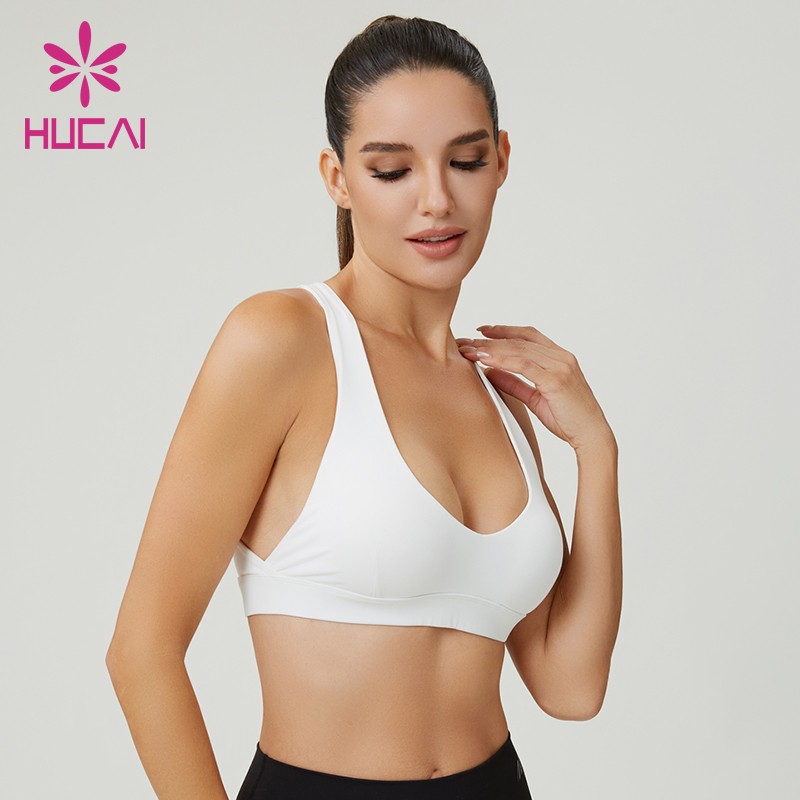
Waistband tension, underband comfort, removable pad choice, and silhouette balance should all support all-day wear, not just short workout use.
A strong matching set needs to feel supportive enough for movement while still remaining comfortable, flattering, and easy to wear beyond the gym.

Light layers should sit naturally over the core set without creating visual clutter, bulk, or a mismatch in handfeel and style language.
The outer piece is not just an add-on. It should complete the capsule story and extend the set from studio use into broader everyday styling scenarios.

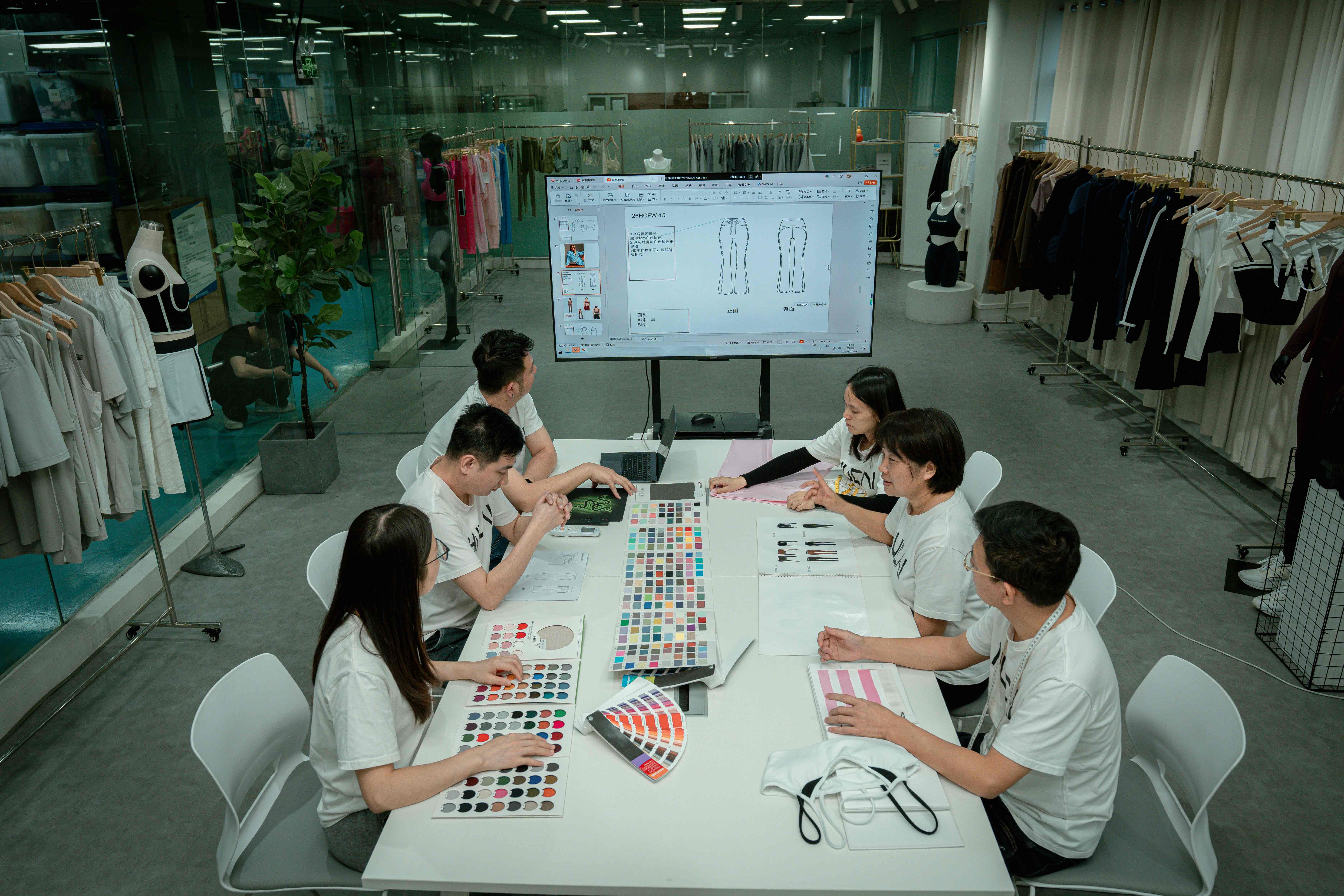
We support both OEM and ODM collection development for women's activewear brands, from early direction planning to final production execution.
What You Get:a clearer path from collection idea to coordinated product execution, whether you already have tech packs or need development support.

Our standardized fabric library, accessories library, and pattern resources help brands build matching sets with stronger consistency in handfeel, color presentation, and overall set harmony.
What You Get:better coordination across tops, bottoms, and outer layers, so the set feels intentional instead of pieced together.

Our experienced development team supports efficient prototyping and helps turn collection ideas into workable products with stronger consistency. Sample development normally takes around 10–12 days depending on style complexity.
What You Get:faster decision-making on the first core set, with a more stable base for follow-up styles and collection expansion.

We follow standardized inspection processes and structured production management to help brands develop collections with more reliable quality control and delivery planning.
What You Get:a more dependable transition from approved sample to production, with fewer gaps between collection planning and bulk execution.

• Growing women’s activewear brands building coordinated capsule collections
• Customers who want a clearer matching set story across bras, leggings, and light layers
• Brands looking for ODM support in product planning and collection development
• Buyers who need a more wearable, studio-to-life product direction rather than isolated single styles

• Projects focused only on random single-item development
• Buyers looking only for low-cost stock styles without collection planning
• Customers with no clear target scenario or category focus
• Projects that do not require coordinated collection logic across multiple styles
Prepare the product list, target fabric direction, color palette, logo and label placement, size range, reference images, expected order structure, and whether the project needs OEM or ODM support. If tech packs are available, they can help speed up review. If not, clear reference styles and target scenarios are still useful. For MOQ discussion, the current public-facing baseline is MOQ from 100 pcs / style, while final structure depends on product complexity and confirmed details.
Repeated revisions often happen when the set direction is not clear before sampling. Common issues include mismatched fabric weight, inconsistent color behavior, waistband tension problems, trim placement differences, bra support not matching the intended activity, or light layers feeling too bulky over the base set. For matching set development, the sample review should check both single-item fit and full-set coordination. A product may look acceptable alone but still fail as part of a capsule.
Yes, different support levels can belong to one matching set theme if the collection logic is clear. A low-support scoop bra, a medium-support training bra, and a longline bra may use different structures, but they should still share the same color family, trim language, fabric direction, and styling purpose. The risk is treating all bras as the same product. Support level affects underband tension, fabric recovery, coverage, padding, and sample review priorities.
It depends on how complete the project information is. OEM is more suitable when the brand already has tech packs, confirmed measurements, fabric targets, trims, and construction details. ODM is more suitable when the brand has only reference images, a market direction, or an early collection idea. Matching set projects often benefit from ODM-level planning at the beginning because product roles, set coordination, fabric direction, and color logic need to be aligned before sampling.
The strongest studio-to-life matching set capsules usually start with a sports bra and legging base, then expand into bike shorts, fitted tops, flare leggings, or light jackets. The product mix should match the customer's real wearing scenarios: studio movement, light training, travel, and all-day styling. A growing brand does not need too many styles at the beginning. A focused capsule with clear product roles is often easier to sample, photograph, merchandise, and repeat.
Color consistency starts with clear palette planning and material coordination. Different fabric compositions, surface textures, and dye behaviors can make the same color appear slightly different across bras, leggings, tops, and jackets. For matching set development, brands should confirm color targets, fabric roles, trim colors, logo placement, and acceptable shade tolerance before bulk production. A restrained palette usually makes set coordination easier than too many trend-driven colors in one capsule.
Not always. A strong matching set can use different fabrics if each fabric has a clear role within the collection. Sports bras and leggings may need more recovery and support, while fitted tops or light jackets may need softer handfeel, lower bulk, or easier layering. The key is to keep handfeel, color presentation, stretch behavior, and visual language aligned. Using one fabric everywhere may look simple, but it can also weaken support, comfort, or layering performance.
A matching activewear set should be planned by product role first, not by color only. Before sampling, brands should define the core pieces, such as sports bra, leggings, bike shorts, fitted top, or light layer, and decide how each item supports the same collection story. Fabric behavior, support level, waistband feel, trim language, and color direction should be reviewed together. This helps the set feel intentional instead of looking like separate products placed in the same color.