
Longline Sports Bras
A strong direction for brands that want more coverage, easier bra-top styling, and better coordination with leggings or matching-set programs.
TO BE A LEADER OF SPORTSWEAR MANUFACTURER, CREATE MORE VALUES FOR SPORTS BRANDS
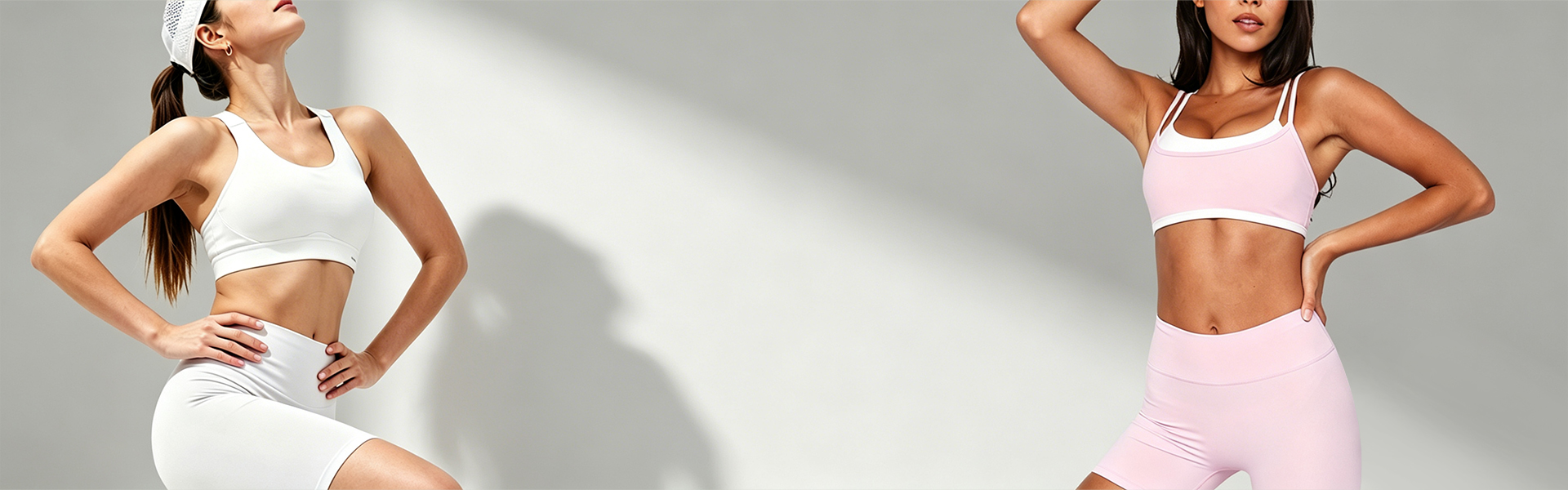
HUCAI supports women's activewear brands with custom sports bra development for OEM, ODM, and private label programs. From commercial core styles to more structured support-driven bras, we help brands move from product direction and sampling into more stable bulk execution.
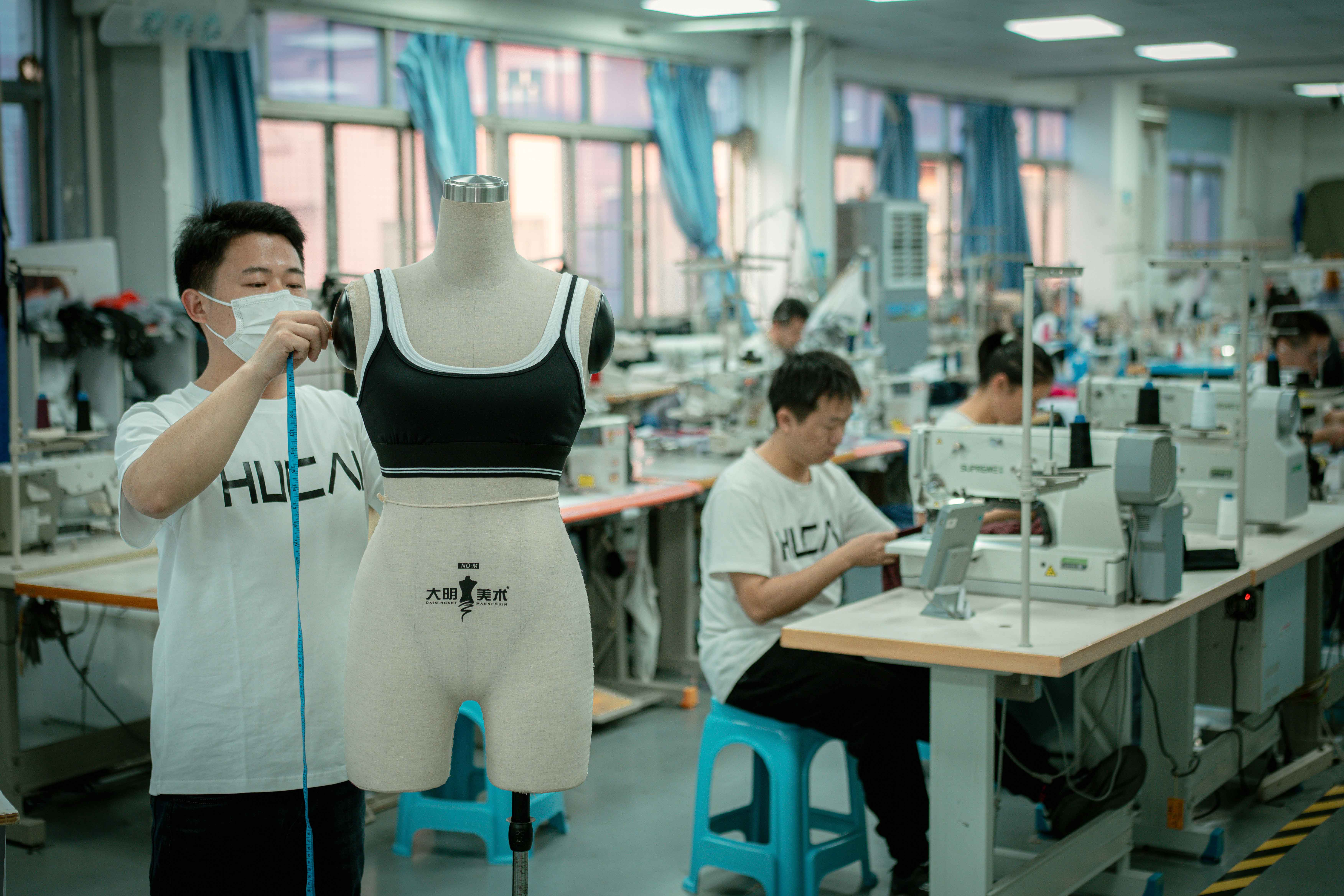
| Brand Challenges | HUCAI Solution |
|---|---|
| Samples look good visually but do not feel supportive enough in wear | We review support direction, fabric behavior, underband hold, and fit stability during development so the sports bra performs more clearly beyond the first sample. |
| Bulk fit differs from the approved sample | HUCAI supports production with pre-production standards, AQL 2.5 quality checkpoints, and tracking workflows that help improve consistency from sample approval to bulk execution. |
| Underband feels too tight, too loose, or unstable in movement | We assess underband tension, elastic structure, support balance, and wearing comfort early so the bra feels more stable without becoming overly restrictive. |
| Straps, neckline, or coverage do not match the intended support level | We help align strap design, neckline shape, back structure, and coverage with the intended use scenario, whether the bra is built for studio, training, or higher-impact performance. |
| Brands need more than basic sewing when developing a sports bra line | HUCAI supports sports bra projects with OEM / ODM development logic, sample coordination, and clearer product planning for women's activewear brands. |
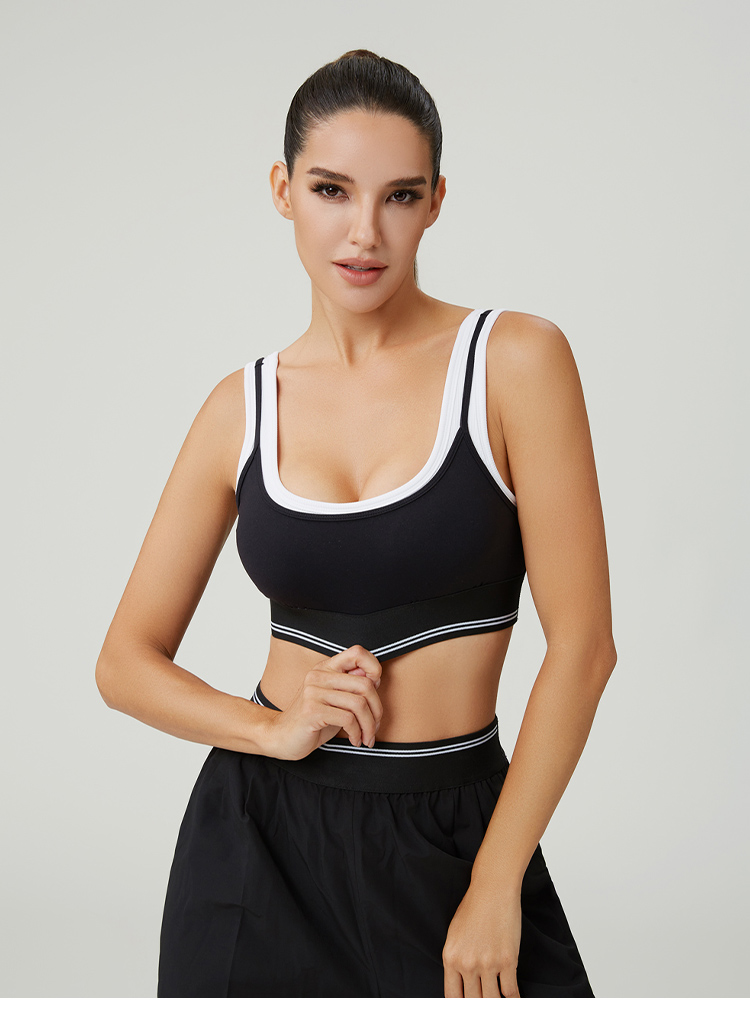
A strong direction for brands that want more coverage, easier bra-top styling, and better coordination with leggings or matching-set programs.
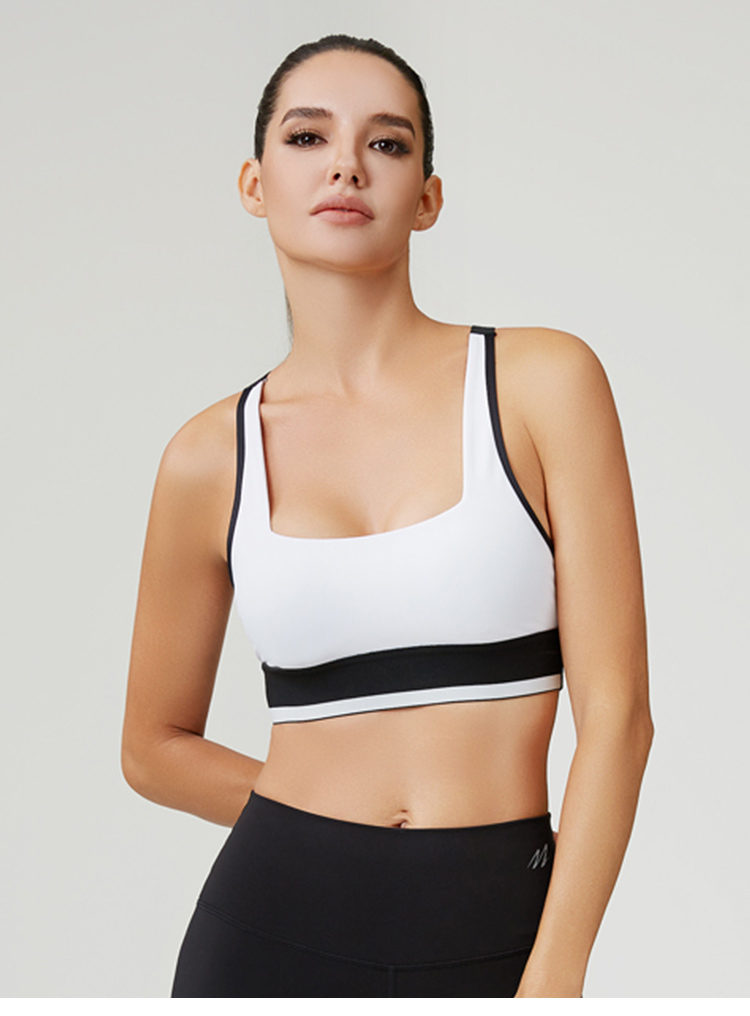
A cleaner and more feminine bra type that helps brands build a more refined activewear look with a simpler front silhouette.
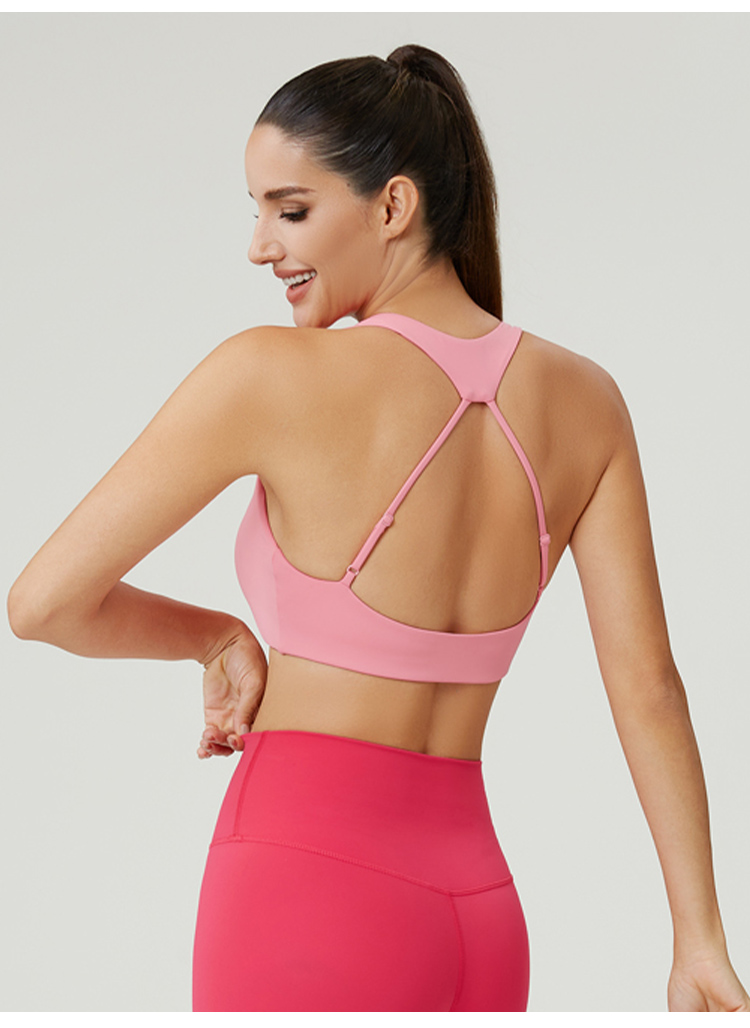
A support-led bra direction for brands that need clearer back structure, better movement stability, and stronger training appeal.
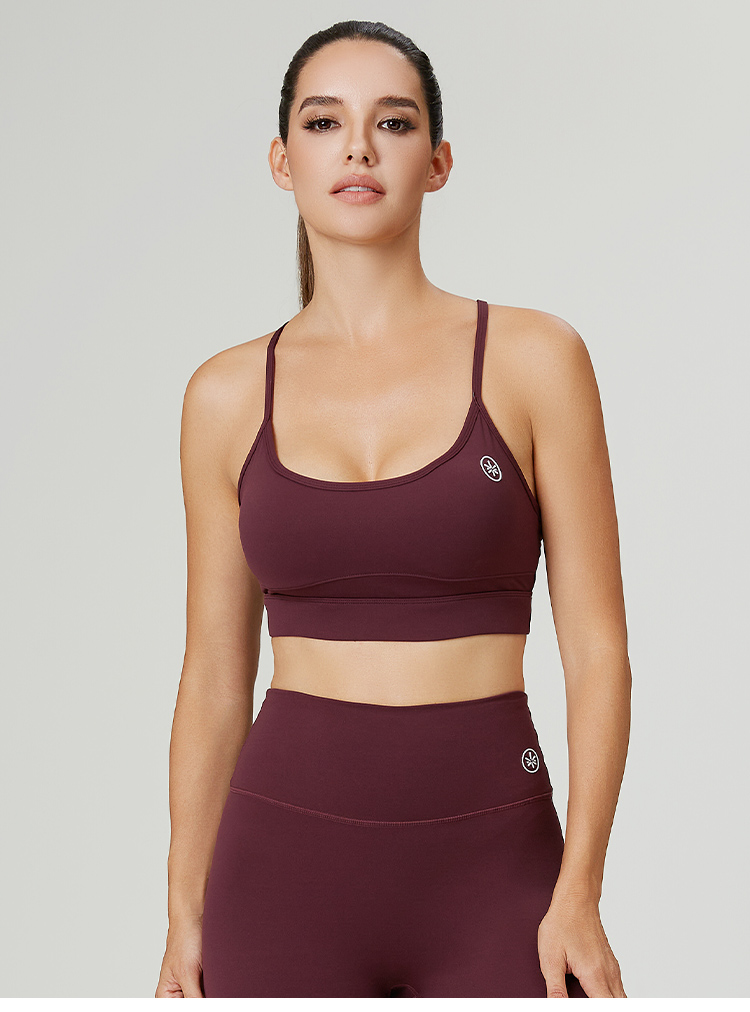
A strong commercial core type for brands that want reliable support without going fully into high-impact performance territory.
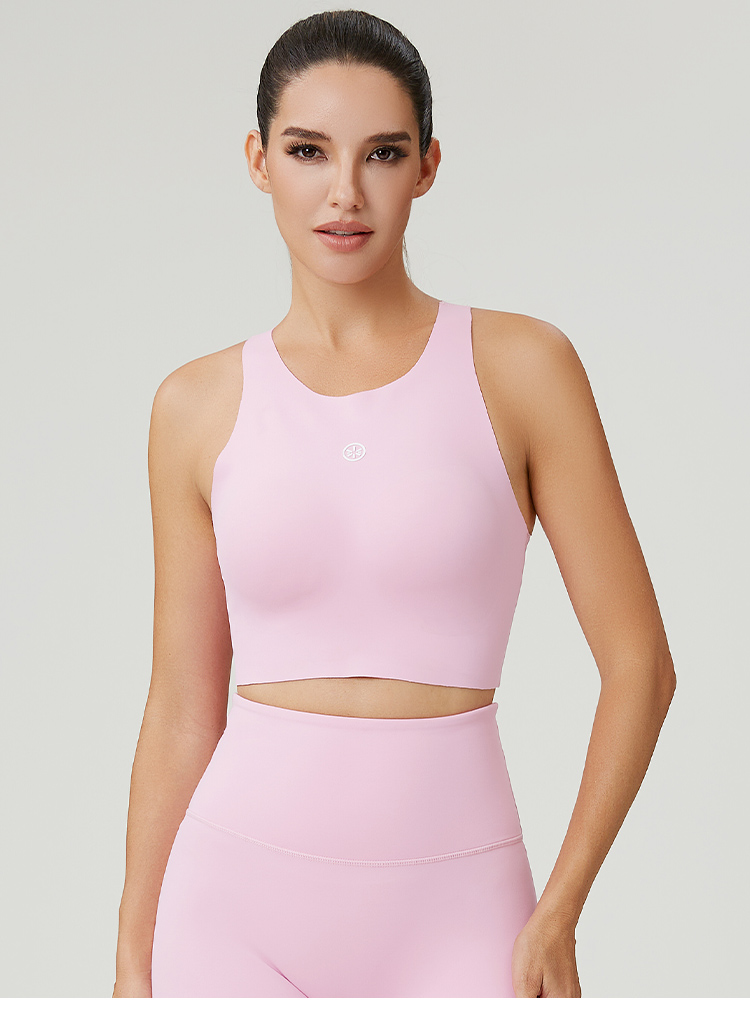
Built for more demanding movement scenarios where support, hold, and wearing stability matter more.
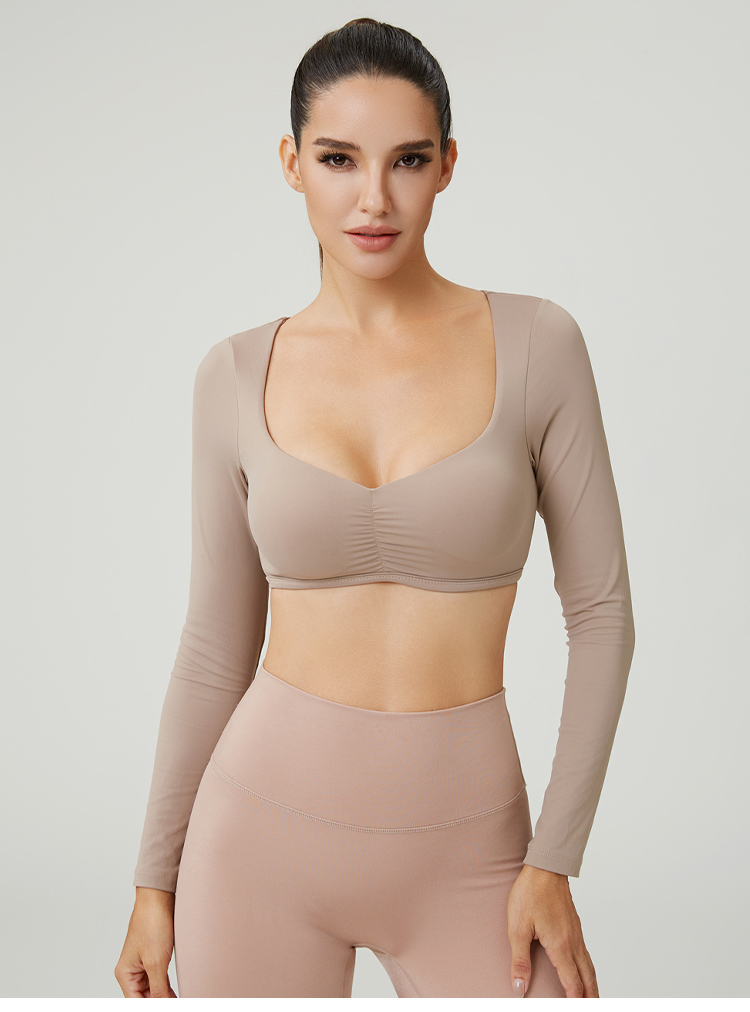
A more functional bra direction for brands that want clearer technical positioning, comfort control, and use-scenario logic.

Define whether the bra is intended for low, medium, or higher-support use. This affects fabric choice, underband logic, strap structure, and how the product should perform in wear.

Confirm the intended neckline and overall coverage early. Front shape, side coverage, and wearing confidence all influence how the sports bra feels and how suitable it is for the target activity.

Buyers should confirm whether the bra should feel softer, more secure, or more performance-led in the underband area. Underband decisions strongly affect both support and long-wear comfort.

Strap width, placement, and back construction should match the intended support level. Crossback, racerback, or cleaner minimal structures can create very different fit and movement experiences.
Soft-touch bras and higher-support bras should not be developed in the same way. Before sampling, it is important to decide whether comfort, hold, recovery, or a cleaner body feel is the priority.
Confirm whether the project needs removable pads, molded cup support, or a cleaner no-pad direction. This decision affects not only structure, but also fit evaluation, wearing feel, and target customer preference.
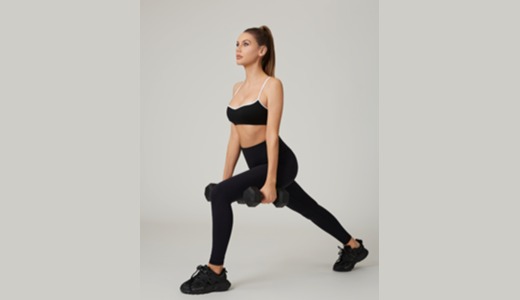
Different sports bra categories should not be developed with the same support logic. Studio bras, training bras, and more performance-led bras each need different balances of fabric response, hold level, coverage, and wearing comfort. For brands developing sports bras across different use scenarios, support direction should follow product role rather than visual design alone.
A strong sports bra should feel stable in movement without becoming overly restrictive in wear. Underband tension, strap width, back structure, and overall fit balance all affect how the bra performs after sampling and in bulk. This is why underband comfort and strap logic should be defined early, especially for bras with more structured support expectations.
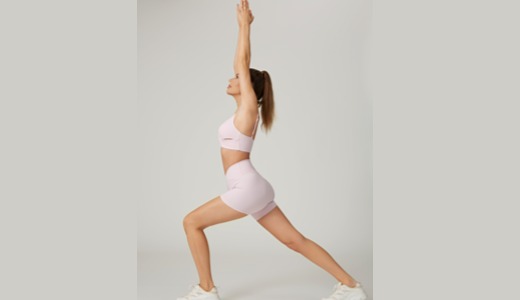
Many sports bra delays happen because key development points are still unclear at the sample stage. Common revisions often include underband tightness, strap discomfort, neckline balance, coverage adjustment, pad or cup direction, and support feel versus intended use level. Clarifying these points before bulk helps reduce unnecessary revision rounds and improves consistency from approved sample to final production.
Sports bras are not treated as a side product at HUCAI. For women’s activewear brands, strong sports bra development depends on category familiarity—support direction, underband balance, strap structure, and fit stability all require more than standard sewing capacity.
HUCAI supports sports bra projects with sportswear fabric resources, accessories support, pattern development, and sample-room coordination. For brands with clear tech packs, this helps move faster. For brands still refining support level, structure, or product direction, it creates a more structured OEM / ODM development path.
Sample approval is only one part of a successful sports bra program. HUCAI also supports production with pre-production standards, AQL 2.5 quality checkpoints, and MES / ERP-based tracking workflows that help improve consistency from approved sample to final bulk execution.
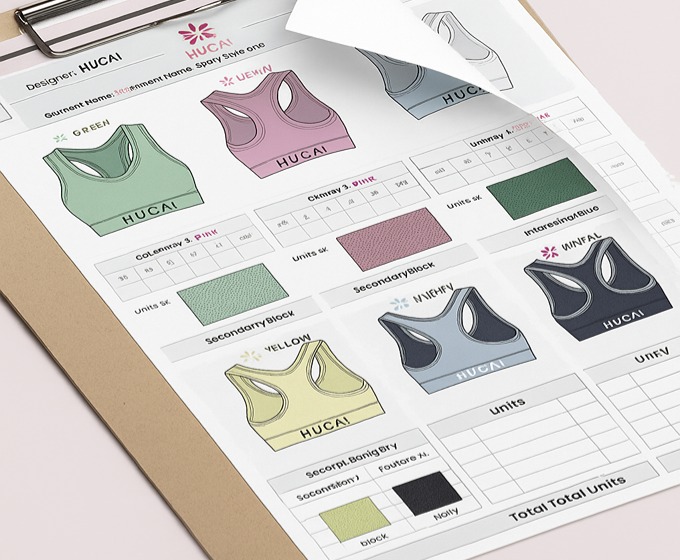
If you need more than manufacturing and want support with leggings development, fabric direction, or sample planning, HUCAI's ODM service can help move the project forward more clearly.
ODM ServicesWhether you are refining an existing bra program or building a new sports bra collection, HUCAI supports your project with OEM and ODM development, custom fabric options, fit-focused sampling, and bulk production planning.
Send us your tech pack, reference images, target support level, fabric direction, and estimated quantity. We will help you review the right development path for your brand.

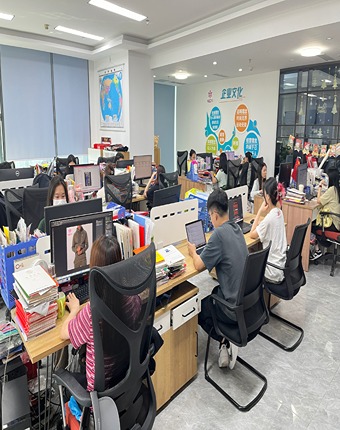
Send your tech pack, reference sample, sketches, or collection direction. We review the intended support level, target use scenario, fabric expectations, and whether the project is better suited for OEM or ODM support.

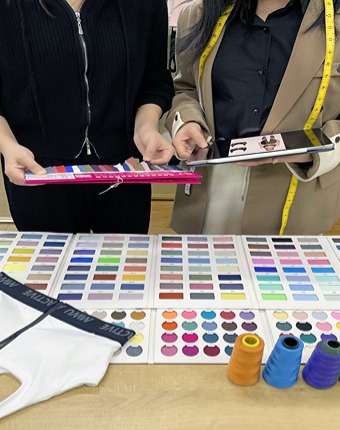
Before sampling starts, we confirm the sports bra’s support direction, fabric response, underband logic, strap structure, neckline, and branding requirements. This helps reduce avoidable revisions later in the process.

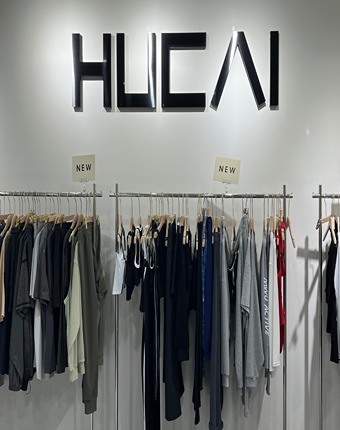
We develop the sample and review the key points that most affect sports bra performance, including support feel, underband comfort, strap stability, coverage balance, and overall fit. Revisions are made before the project moves into pre-production confirmation.

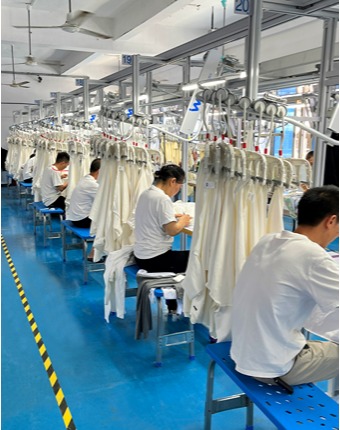
Once the sample is approved, HUCAI moves into bulk preparation with pre-production standards, production tracking, and AQL 2.5 quality checkpoints. This helps improve consistency from approved sample to final bulk delivery.


After final inspection, the order is packed and shipped according to the confirmed requirements. HUCAI also provides delivery follow-up and after-sales support so the project does not stop at shipment.
Our current public-facing MOQ starts from 100 pcs per style. On the representative sports bra detail page under this category, HUCAI also shows 100 PCS per design and notes that sizes can be mixed, so this page is better suited to brands that already have a reasonably clear product direction rather than a very loose test idea.
A representative sports bra detail page currently shows bulk delivery in about 30–35 days after the pre-production sample is confirmed. That should be treated as a public reference point rather than a fixed promise, because final timing still depends on style complexity, fabric and trim readiness, and whether revisions are already resolved before bulk.
The support level should be defined by the bra’s real use scenario, not just by the look. This page currently centers on light to medium support styles for yoga and training, so the first decision is whether your bra is meant for softer studio wear, everyday training, or a more secure medium-support need. That choice affects fabric behavior, strap logic, and overall fit evaluation.
The key issue is not softness alone. The live page repeatedly positions sports bras around stretch, breathability, moisture management, and support, which means fabric should be judged by recovery, hold, comfort against skin, and how stable it remains through wear and production. A fabric that feels pleasant at first touch can still fail if it does not match the intended support level.
Underband structure, strap setup, and padding direction are the details most often underestimated. The current page already shows wide straps, cross-back options, halter shapes, and removable-pad directions across different bra styles, which shows that support and comfort are shaped by construction choices, not just by silhouette. Small changes in these areas can noticeably change pressure balance and wear feel.
The most common revisions usually involve support feel, neckline stability, strap balance, underband tightness, and cup or padding placement. That is normal for this category, especially on a page that includes multiple light-to-medium support bra directions with different necklines and back structures. The more clearly these issues are resolved in sampling, the easier it is to protect consistency in bulk.
Both paths are possible on this page. If you already have a clear tech pack, measurements, branding, and trim direction, the project is closer to OEM; if you still need help refining the support level, structure, or style direction, it is more practical to begin as ODM first and move toward OEM once the sample logic is stable.
Prepare the product direction first: target use scenario, expected support level, reference images or tech pack, preferred neckline or back shape, fabric feel, color direction, size plan, and branding details. The live sports bra pages already show custom colors, Pantone-based color options, custom labels and tags, and sizing support, so the clearer your inputs are, the faster the project can move from discussion into usable sampling.