
Sports Bra + Leggings Sets
Core matching set direction for yoga, studio, training and everyday movement collections.
TO BE A LEADER OF SPORTSWEAR MANUFACTURER, CREATE MORE VALUES FOR SPORTS BRANDS
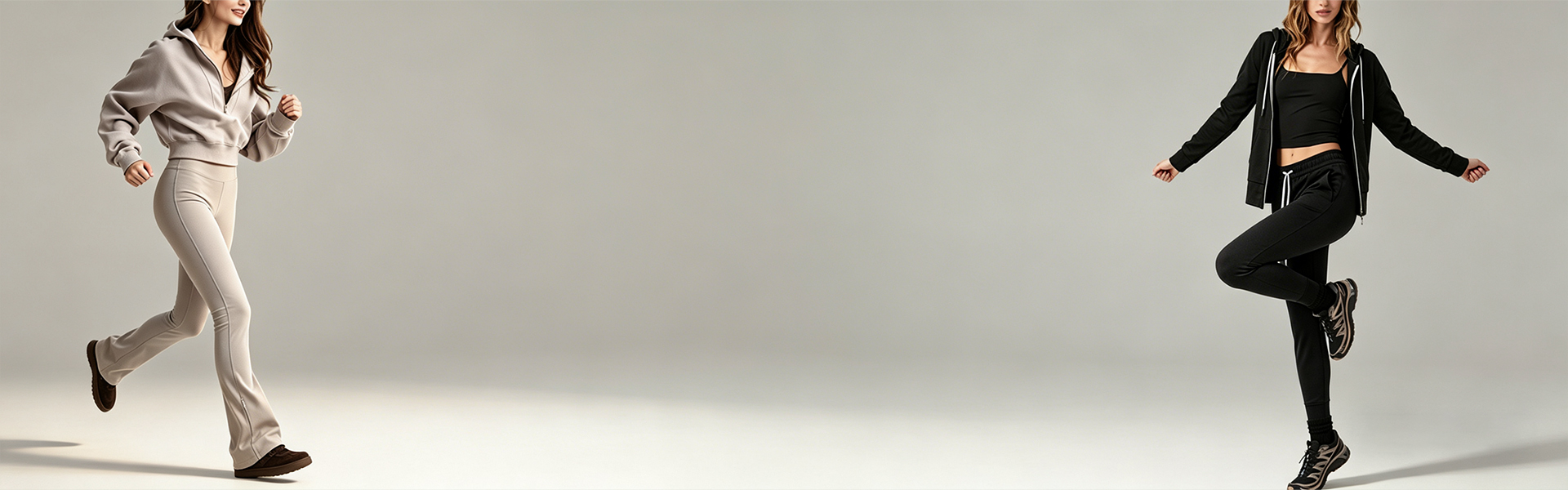
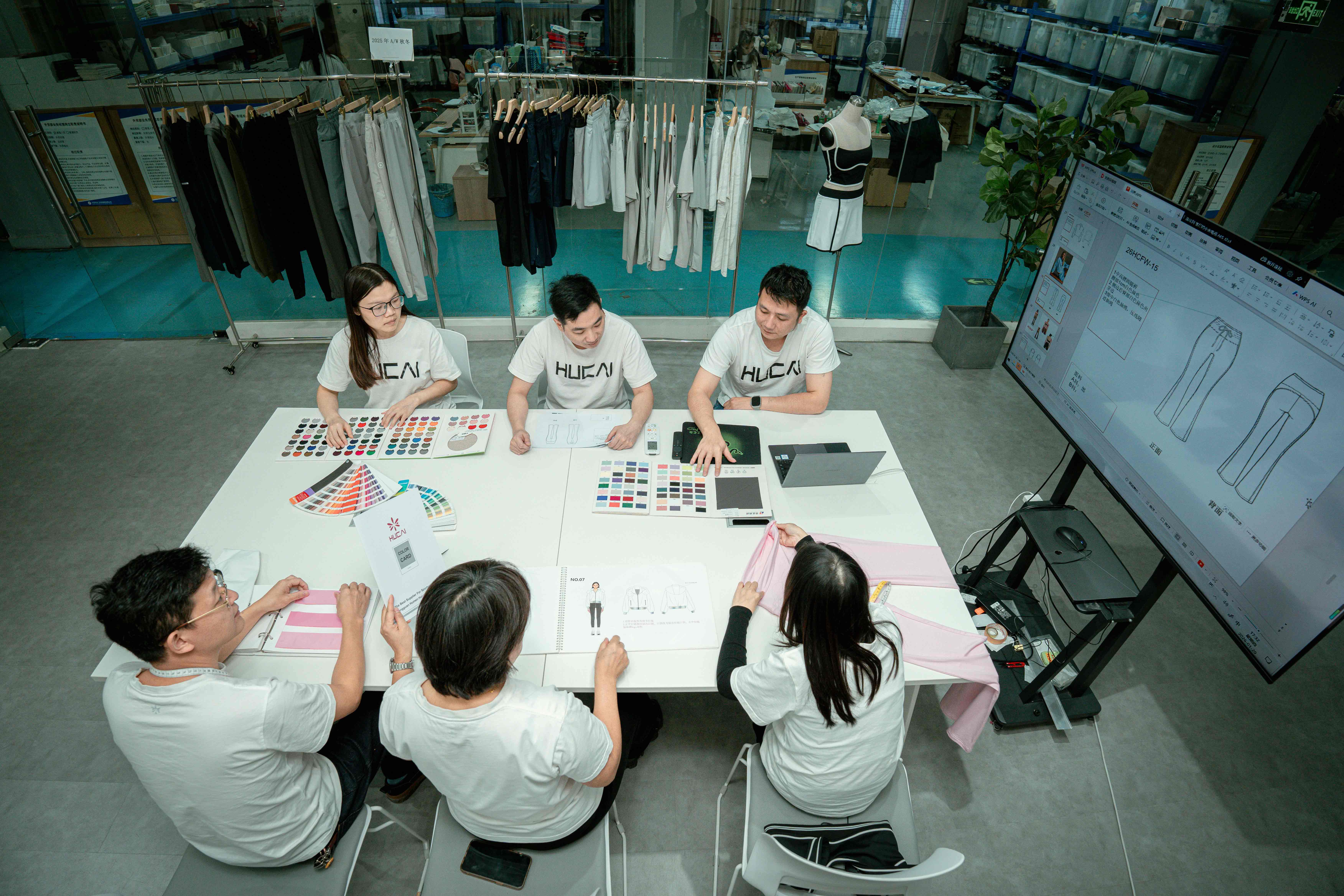
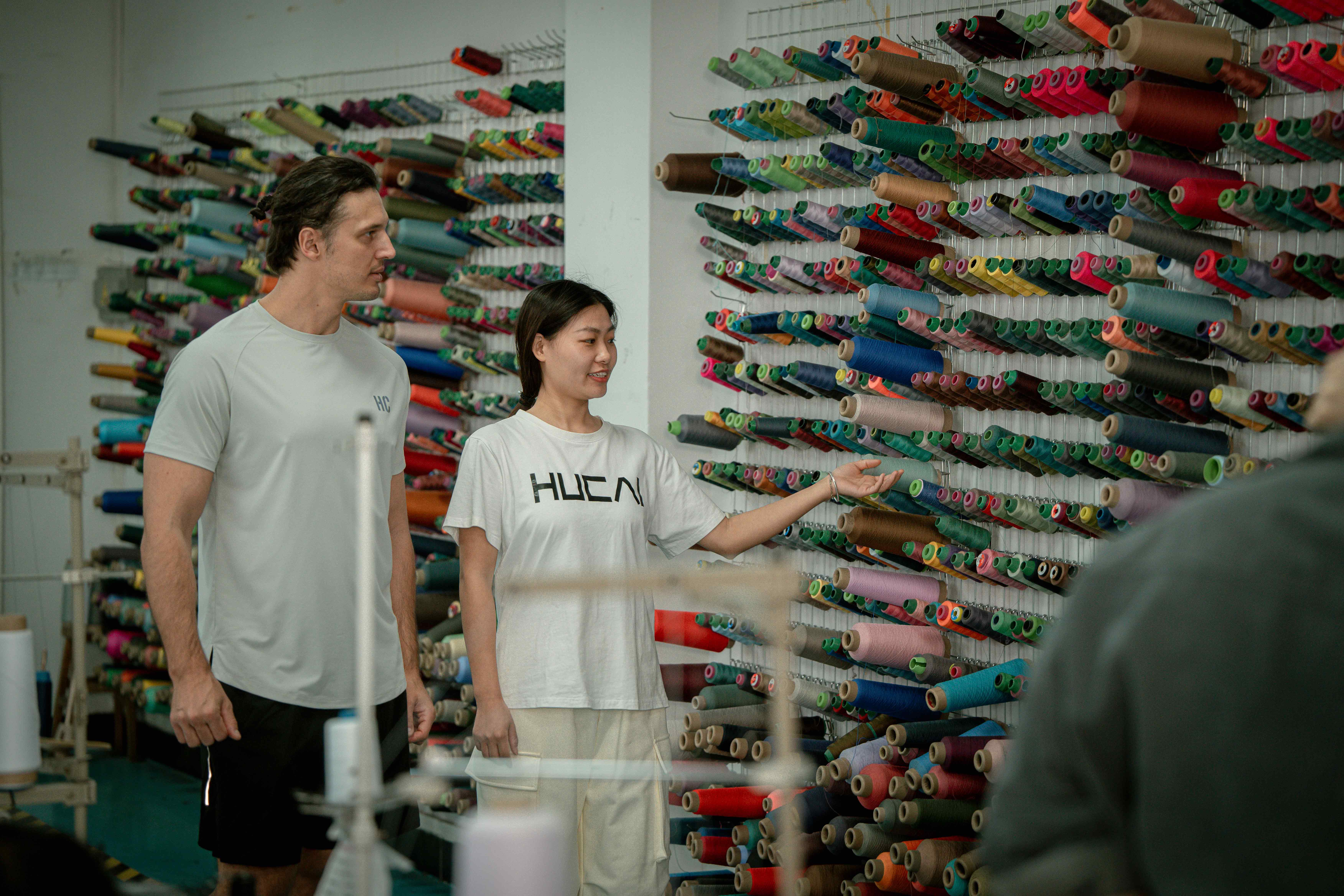
HUCAI Sportswear helps women's sportswear brands develop coordinated sets across bras, leggings, shorts, tops and light layers, with support from product direction to sampling and bulk production.
Set Development: Build coordinated sports bra, leggings, shorts and top sets around one clear collection direction.
OEM / ODM Support: Work from tech packs, reference samples or early product ideas depending on your project stage.
Fabric & Color Coordination: Align handfeel, stretch, support level and color consistency across the full set.
Sample to Bulk Follow-Up: Support sample review, pre-production confirmation and bulk production coordination.
| Brand Challenges | HUCAI Solution |
|---|---|
| Brands want to launch a matching set, but are not sure which pieces should be developed first. | We help brands define practical set combinations such as bra + leggings, bra + shorts, crop top + leggings, tank + shorts, or three-piece capsule sets based on launch stage and target customer. |
| The set looks good in reference images, but each piece serves a different wearing need. | We review the product role of each item, including support, coverage, stretch, comfort, movement and layering, so the set works as a collection instead of separate pieces. |
| The sports bra needs structure and support, while leggings or shorts need stretch, recovery and opacity. | We help match fabric direction by product function, using fabric and pattern resources to avoid forcing every item in the set into one unsuitable material. |
| Same-color pieces show visible shade differences across bras, leggings, shorts or tops. | We support fabric and color coordination during sampling, especially when different fabric weights, textures or production batches are involved. |
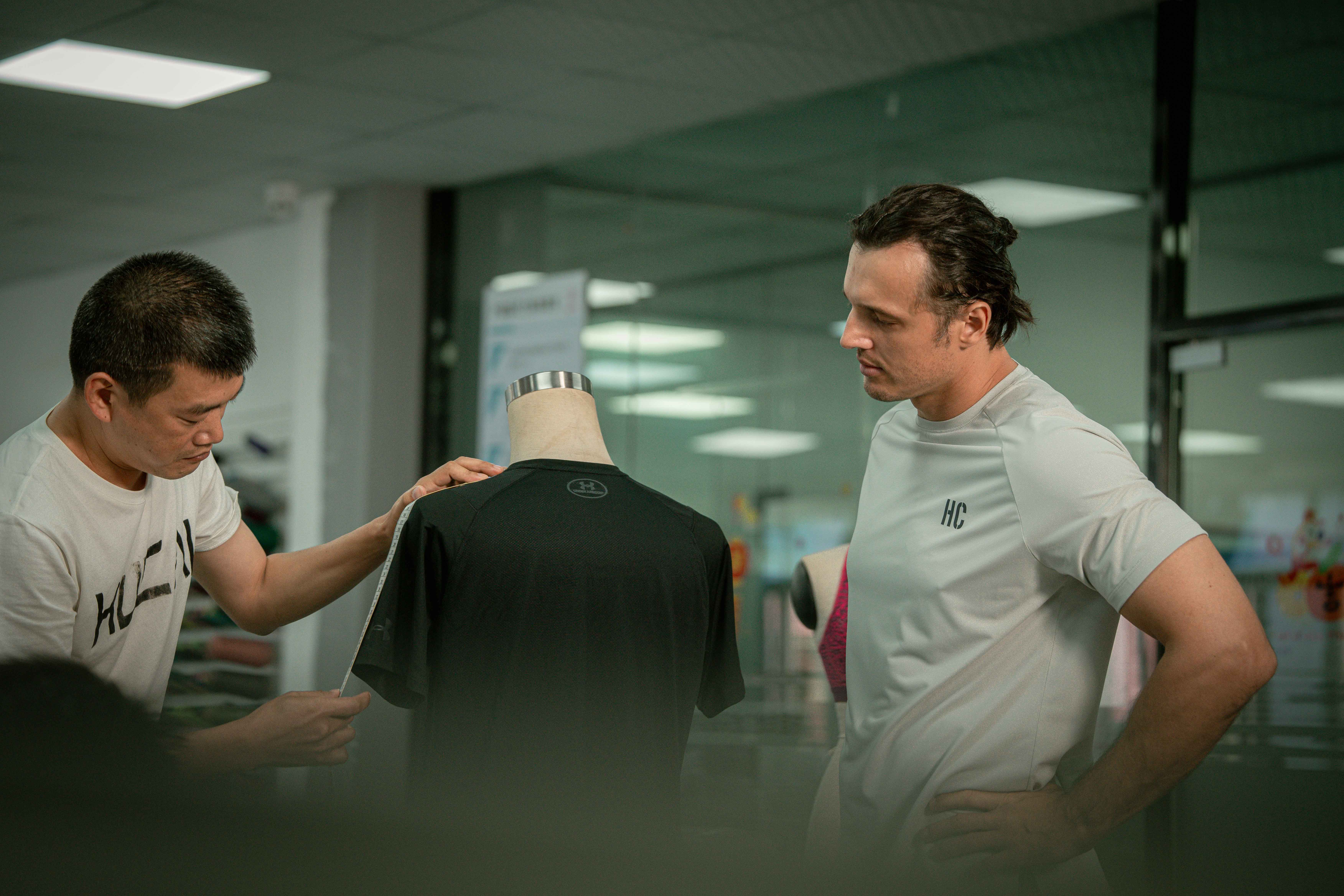
| Samples are approved one by one, but the full outfit feels unbalanced when worn together. | We review proportion, neckline, waistband height, inseam, coverage and styling consistency across the complete set before moving toward production. |
| Bulk production does not fully match the approved set sample direction. | We support pre-production confirmation, MES / ERP production follow-up and AQL 2.5 inspection to improve sample-to-bulk consistency. |
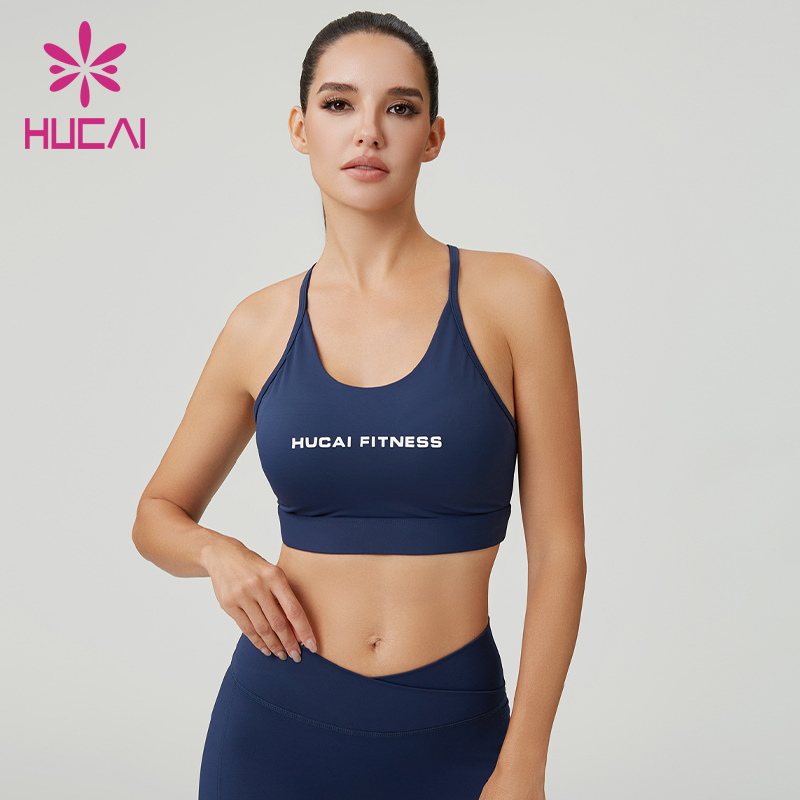
Core matching set direction for yoga, studio, training and everyday movement collections.
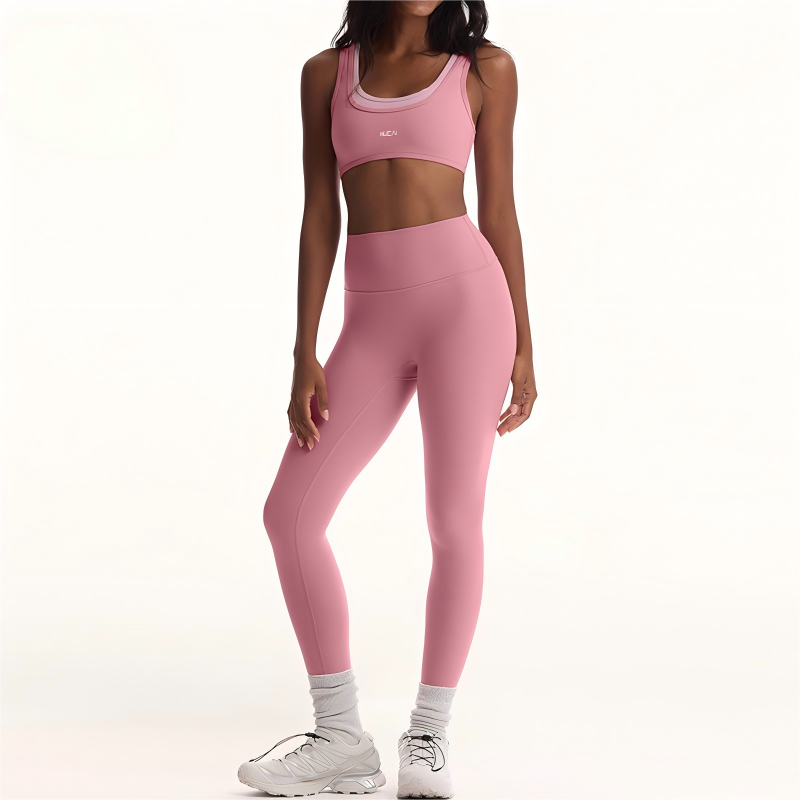
Suitable for brands building a balanced set between support, comfort and commercial wearability.
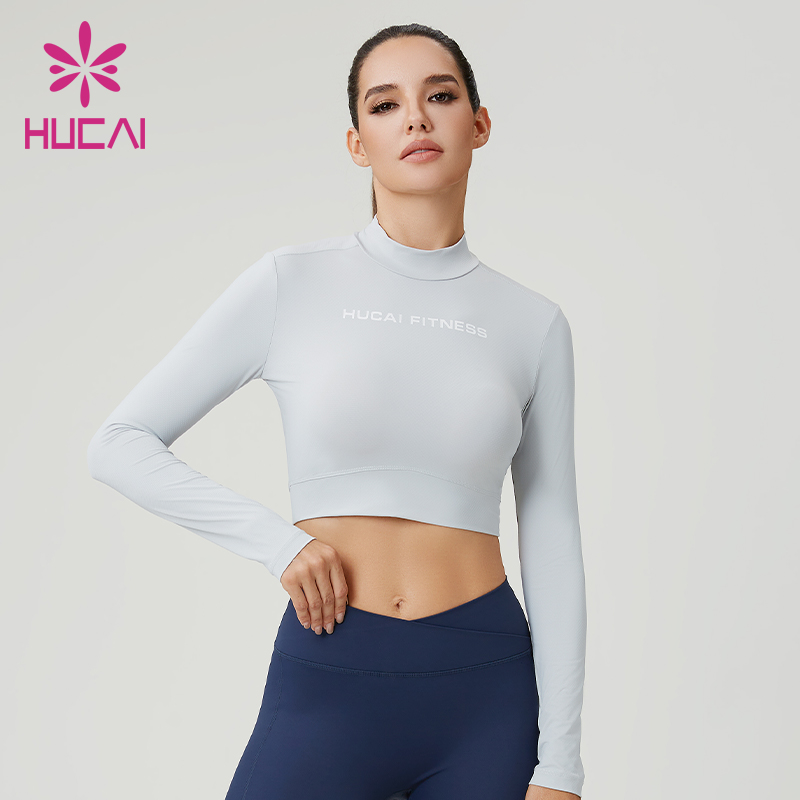
A clean, fitted set option for lifestyle-ready sportswear and studio-to-street capsules.
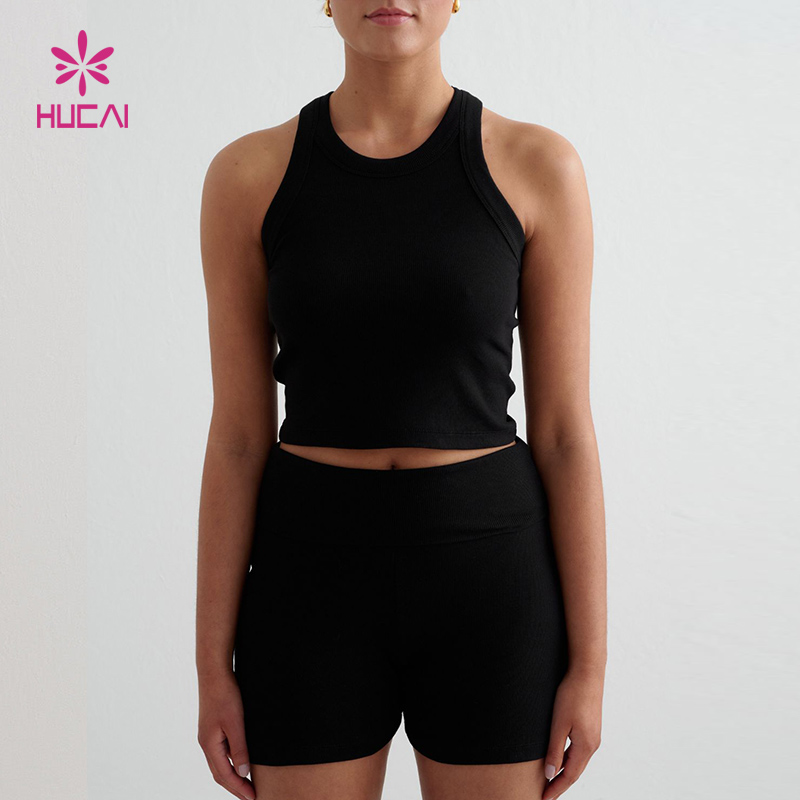
Lightweight set combinations for warm-weather drops, gym ranges and active living collections.

Flexible for summer capsules, studio edits and private label collections with lower SKU risk.
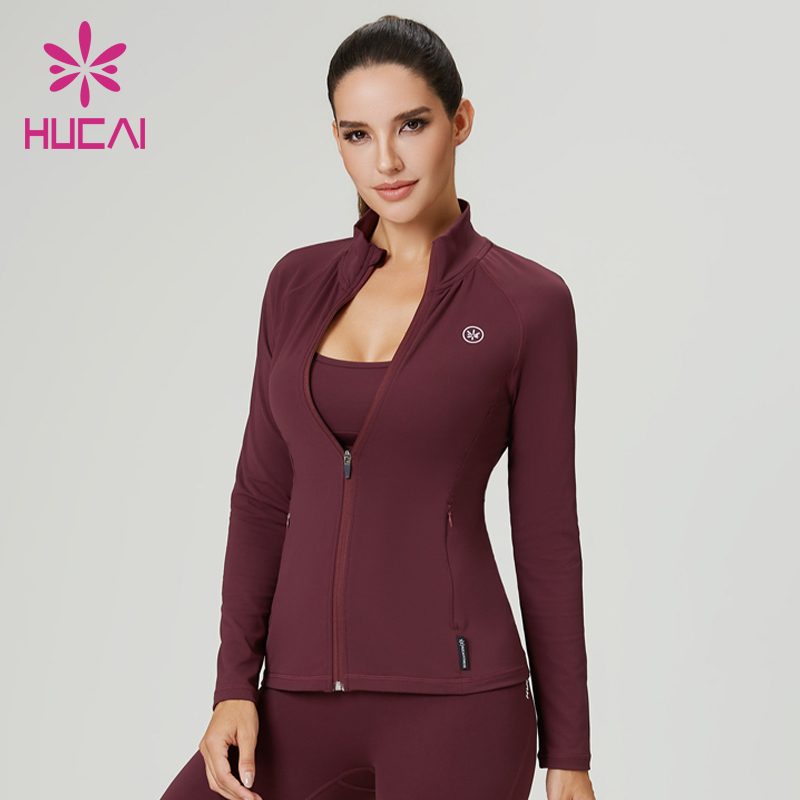
Three-piece capsule sets using bras, leggings or shorts with jackets, fitted tops or cover layers.
Matching set development is not only about making bras, leggings, shorts and tops in the same color. HUCAI helps brands define practical set structures based on launch stage, target customer and product direction.
We support matching set projects with fabric direction, trim options, sample-room coordination and private label details, so the full set can be developed as one collection instead of separate items.
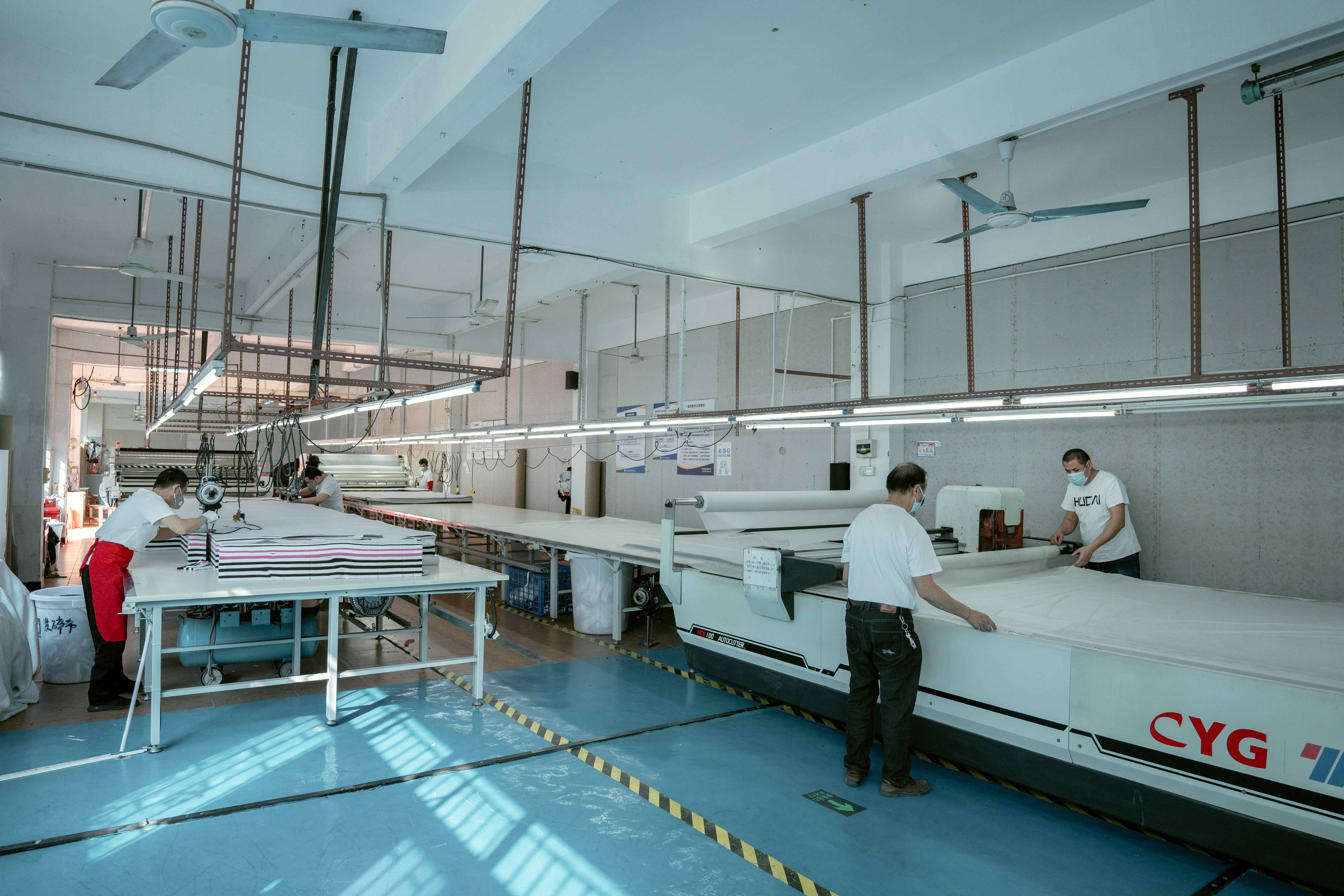
After sample approval, HUCAI supports production through pre-production review, AQL 2.5 quality logic and MES / ERP-based follow-up to improve consistency from sample to bulk.
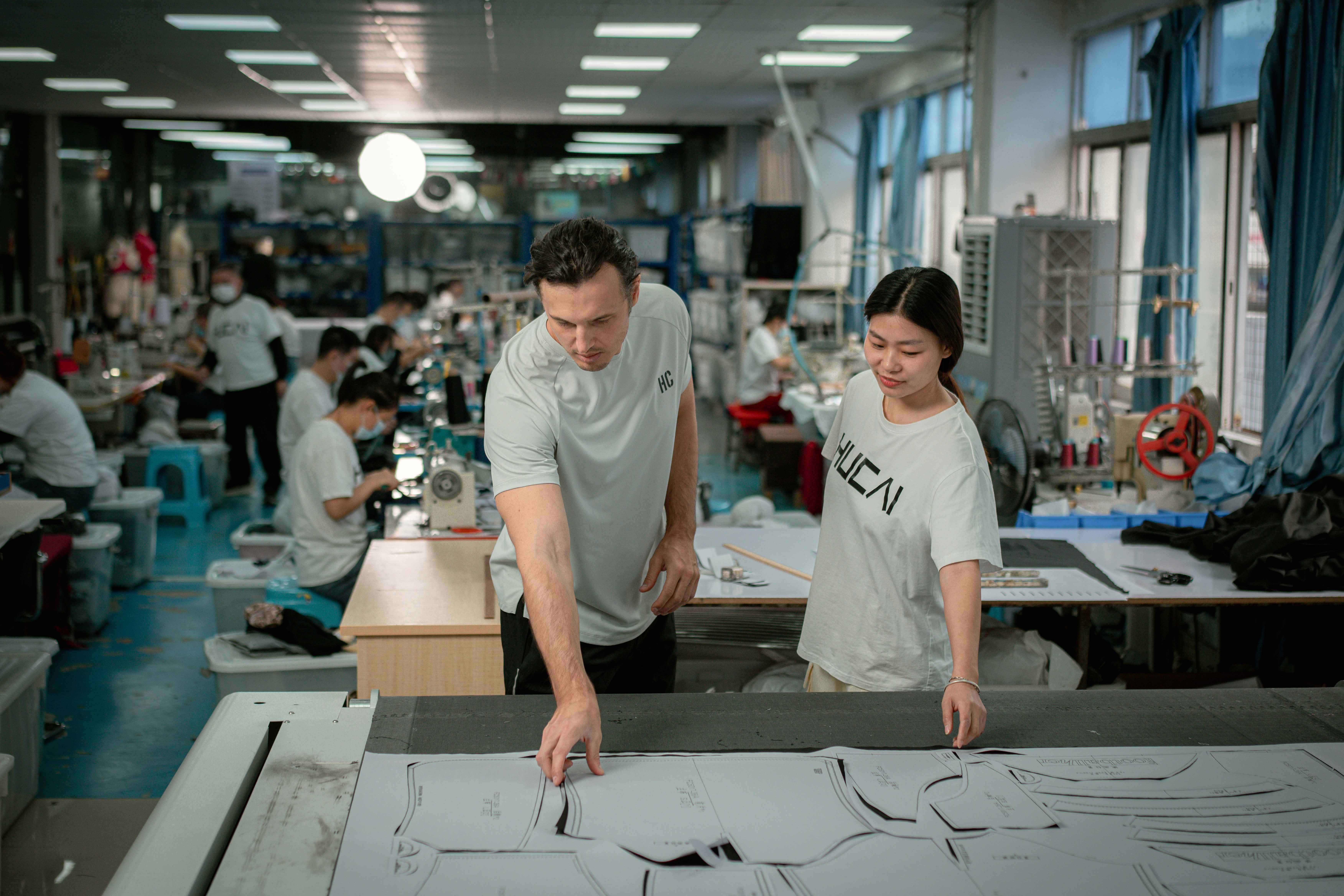
If you need more than sewing capacity and want support with matching set direction, fabric choice, sample planning and production follow-up, HUCAI's ODM service can help move the project forward more clearly.
ODM Services
Define the set structure first, such as bra + leggings, bra + shorts, crop top + leggings, or a three-piece capsule set.

Match fabric direction based on product function, support level, stretch, recovery and overall set consistency.

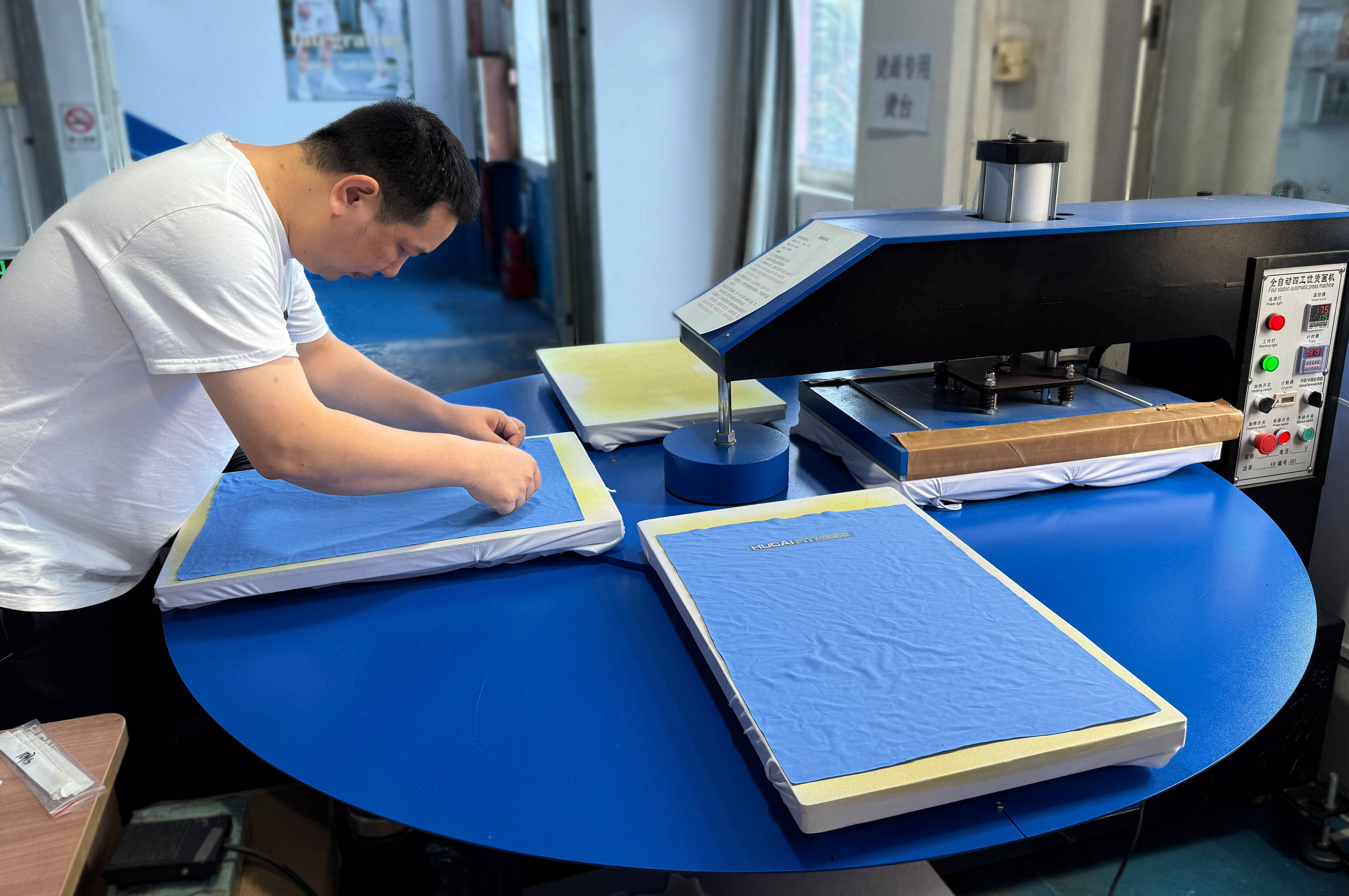
Confirm color direction, logo placement, labels, trims and other visible details across the full set.

Develop samples from tech packs, reference images, existing samples or early ODM ideas.
Review the complete outfit together, checking proportion, support, coverage, waistband height and styling balance.
Confirm pre-production details, then follow production with quality checkpoints and AQL 2.5 inspection.
Whether you are developing your first sports bra and leggings set or expanding into a fuller capsule, HUCAI can help review set structure, fabric direction, sample needs and bulk follow-up.
Send your tech pack, reference images or early collection idea, and we will help you understand the next development steps.


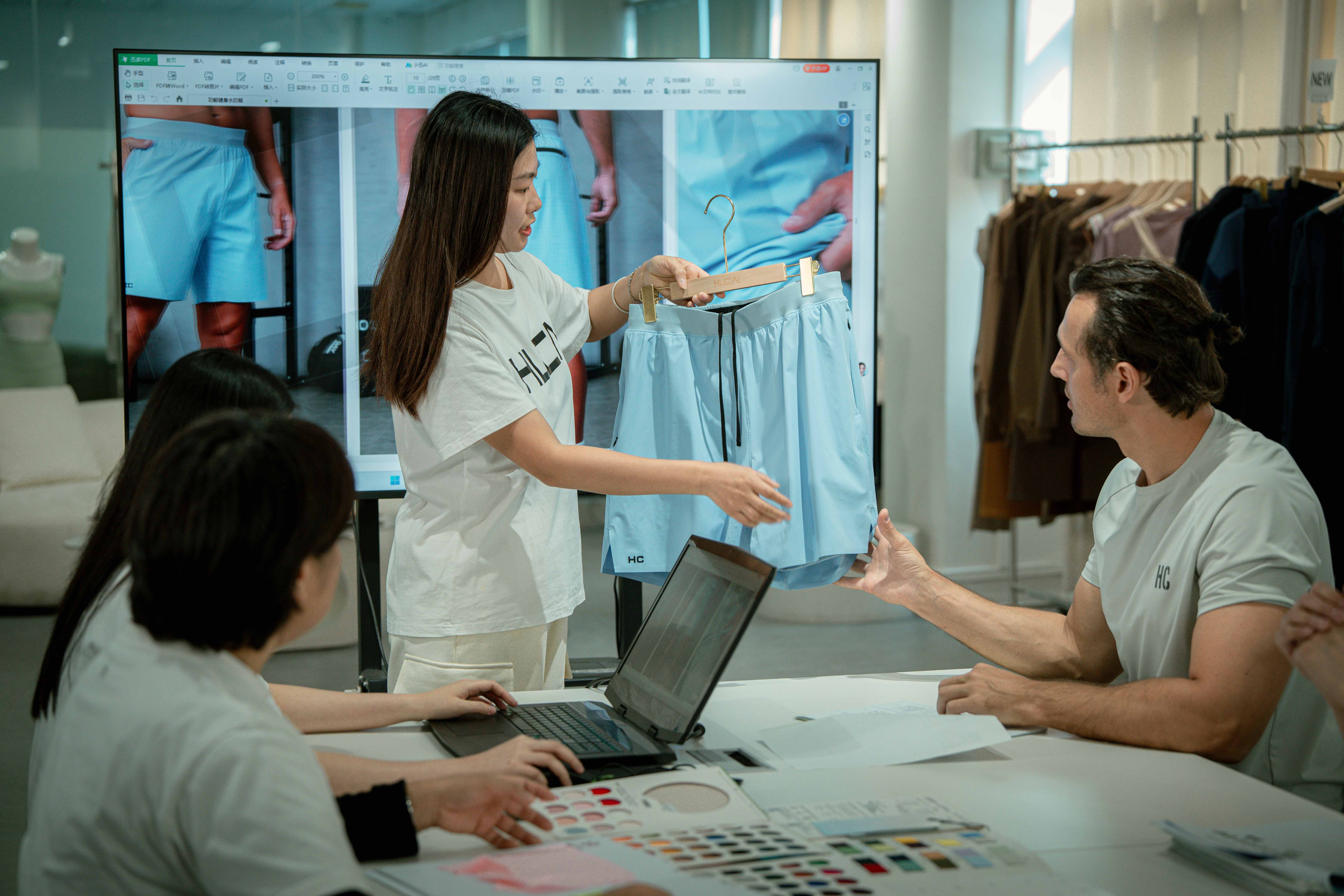
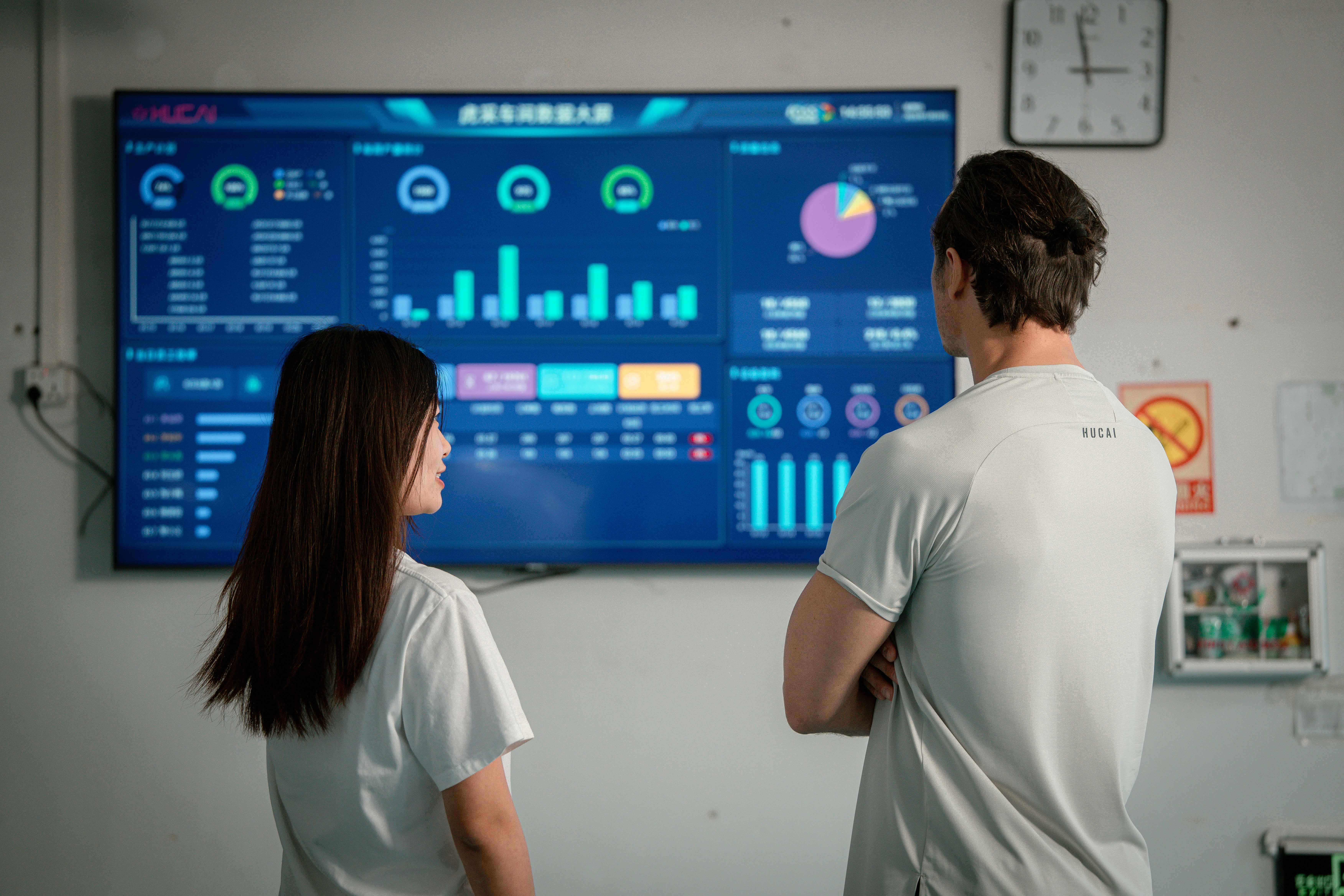

Send your tech pack, reference images, target customer, price direction or early matching set idea.

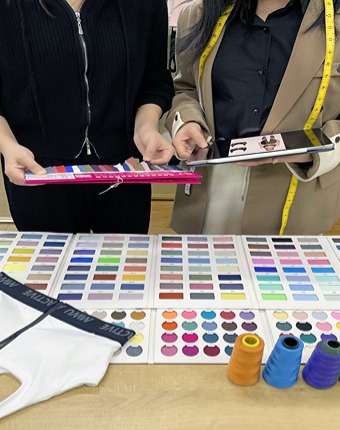
Clarify the set structure, fabric role, color story, logo placement and key customization details.

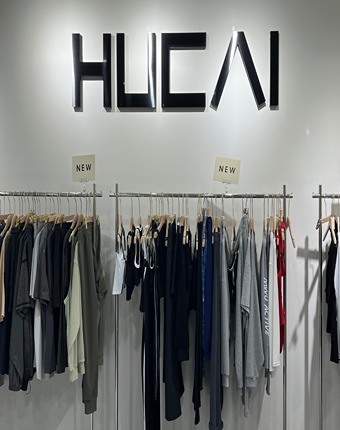
Develop samples and review the complete outfit for support, fit, coverage, proportion and styling balance.

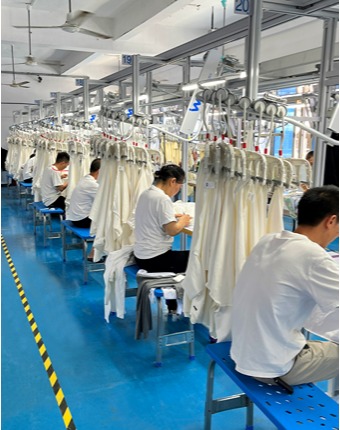
Confirm pre-production details, then follow production with quality checkpoints and AQL 2.5 inspection logic.


Support packaging details, shipment coordination and after-sales follow-up after bulk production.
Our current front-end MOQ for custom leggings starts from 100 pcs per style. The final order structure can still be influenced by fabric choice, color options, sizing breakdown, branding details, and whether the project is a more standard OEM order or a more development-led program. If you want a smoother start, it helps to keep the first leggings order focused and commercially clear.
If you already have a clear tech pack, measurements, fabric direction, and branding details, your leggings project is usually closer to an OEM path. If you still need help refining silhouette, waistband direction, fabric logic, or matching-set coordination, it is usually more suitable to begin through an ODM-style development path first.
Yes. We can support both directions, but they should not be developed in exactly the same way. Yoga leggings usually prioritize softer handfeel, comfort, and smoother wear, while workout leggings often require stronger recovery, more support, and better stability in movement. Treating them as the same product often creates weaker results in sampling and bulk.
Opacity and compression are usually shaped by fabric construction, fabric weight, stretch behavior, and how the style is intended to fit the body. A leggings sample can look fine visually but still feel too light, too restrictive, or not supportive enough in wear. That is why opacity and compression should be reviewed as product-performance decisions, not only as visual preferences.
The waistband affects how the leggings feel, stay in place, and visually balance on the body. Height, hold level, front appearance, seam construction, and support feel can all change the customer experience. If waistband logic is not clarified early, it often becomes one of the main reasons for repeated sample revisions.
Common revisions usually involve waistband stability, rise balance, fabric feel versus intended support level, opacity expectations, and silhouette details such as flare balance or pocket placement. These are normal development points, but they should be clarified before bulk production. The more clearly they are reviewed at sample stage, the easier it is to improve bulk consistency later.
The best starting point is a clear product direction. If possible, prepare your target leggings type, reference images or tech pack, intended use scenario, preferred fabric feel, branding details, and expected quantity range. Even when everything is not fully fixed, these basics help the development process move faster and reduce avoidable back-and-forth during sampling.
Logo placement depends on the product direction, branding style, and how visible or minimal you want the leggings to feel. Common positions can include the waistband, back waistband area, upper thigh, or lower leg, but the best choice depends on silhouette, fabric behavior, and overall collection language. It is usually better to confirm logo placement together with the style direction, not after the sample is already set.