
Style Focus
Lightweight running shorts with secure storage, anti-chafe comfort, stable waistbands, breathable shell fabrics, and movement-ready fit.
TO BE A LEADER OF SPORTSWEAR MANUFACTURER, CREATE MORE VALUES FOR SPORTS BRANDS
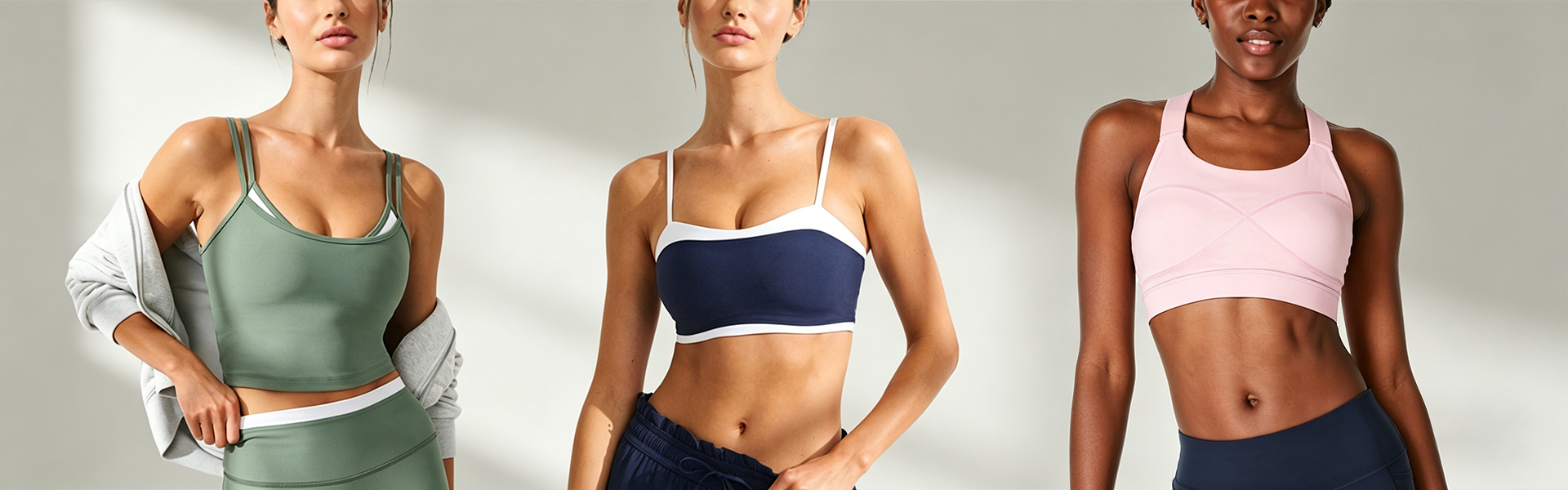
Lightweight running shorts with secure storage, anti-chafe comfort, stable waistbands, breathable shell fabrics, and movement-ready fit.

2-in-1 running shorts, phone pocket shorts, zip pocket shorts, brief liner shorts, side split shorts, and bike-short inspired running bottoms.

Private label activewear brands, running capsule launches, warm-weather edits, gym-to-run crossover products, and ODM shorts development.
Running shorts are often treated as simple seasonal products, but their real value comes from how they perform during movement. A short may look lightweight and clean in photos, but if the phone pocket bounces, the liner rides up, or the waistband shifts, the product quickly loses wearability.
For women's activewear brands, pocket and anti-chafe logic can turn a basic short into a more functional product. The goal is not to add every possible detail. The goal is to choose the right structure for the intended use: light running, gym crossover, travel-ready active living, or warm-weather training.
This edit helps brands think through running shorts as a development system: outer shell, liner, pocket, waistband, inseam, hem opening, fabric recovery, and sample evaluation.
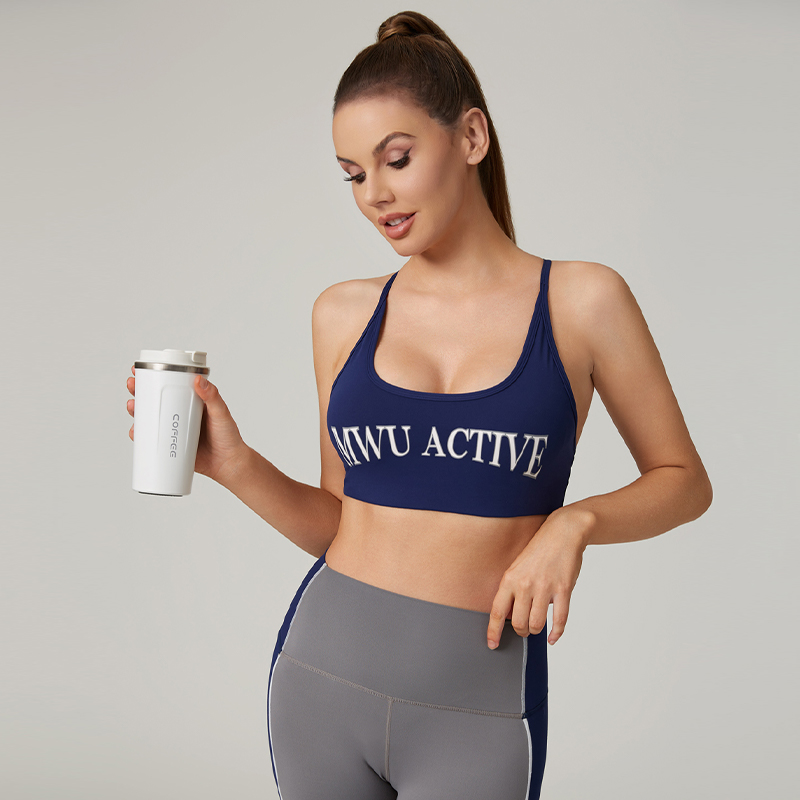
Designed with an outer shell and inner compression short, suitable for movement coverage, anti-chafe comfort, and secure pocket placement.
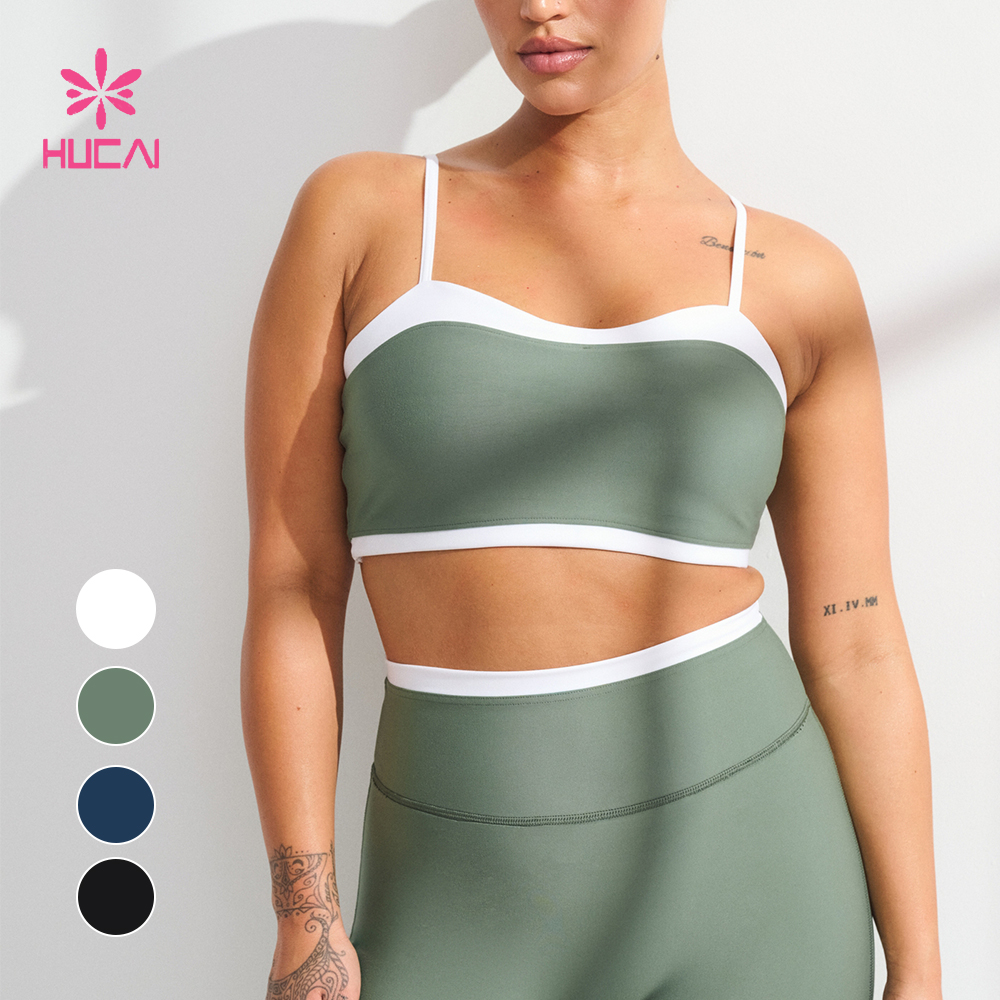
A practical short direction for brands that want stable storage for running, walking, commute, and active living use.
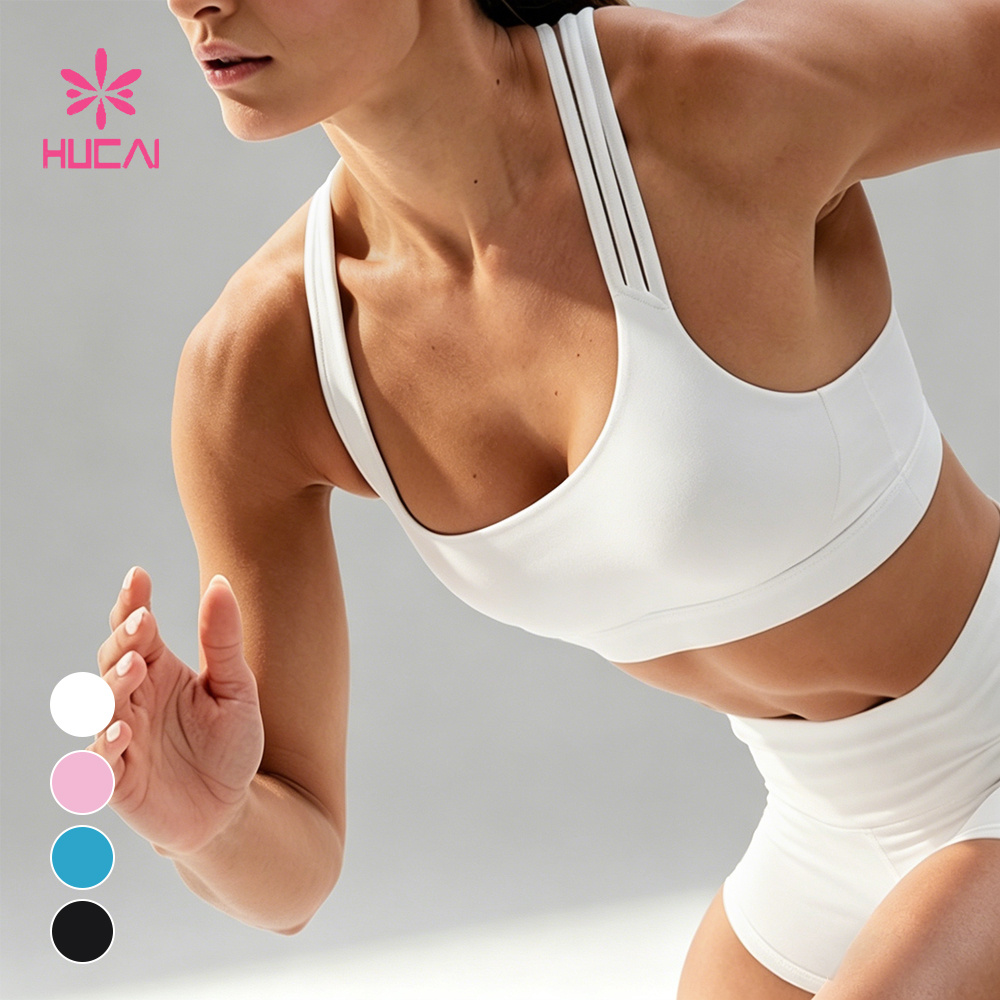
A cleaner functional option for keys, cards, or small essentials, especially useful for travel-ready and outdoor-active shorts.
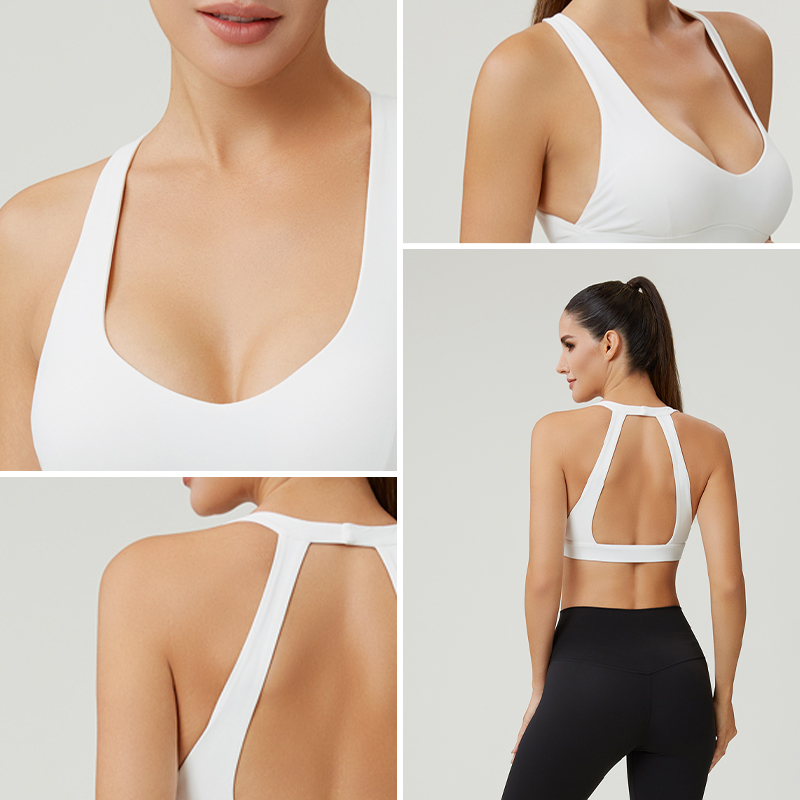
A lighter option for warm-weather running, training, and daily active use when brands want coverage without a full inner short.
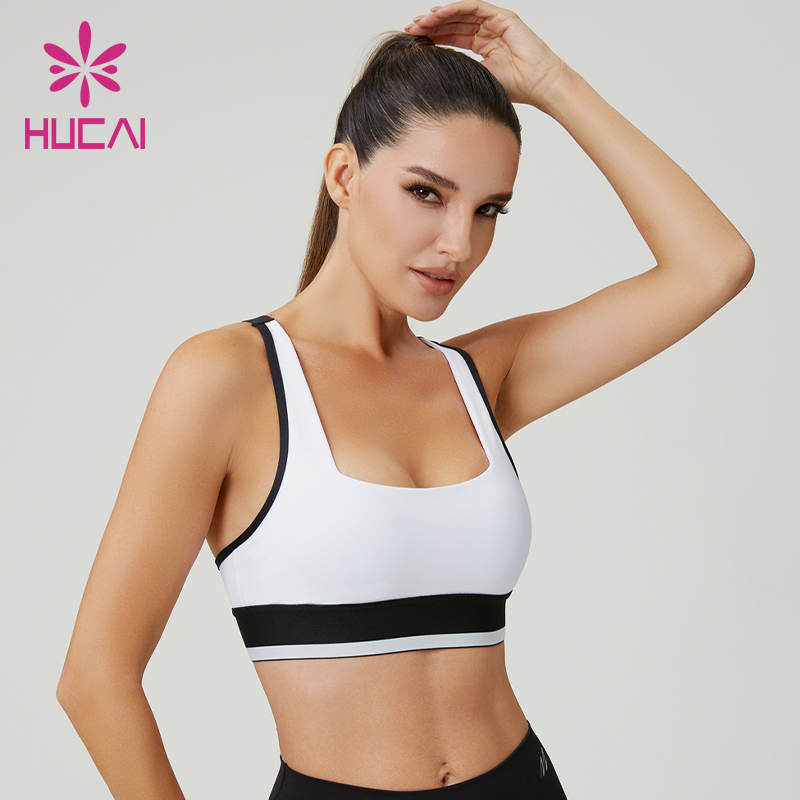
A breathable and movement-friendly silhouette for brands focused on leg freedom, lightness, and running-inspired styling.
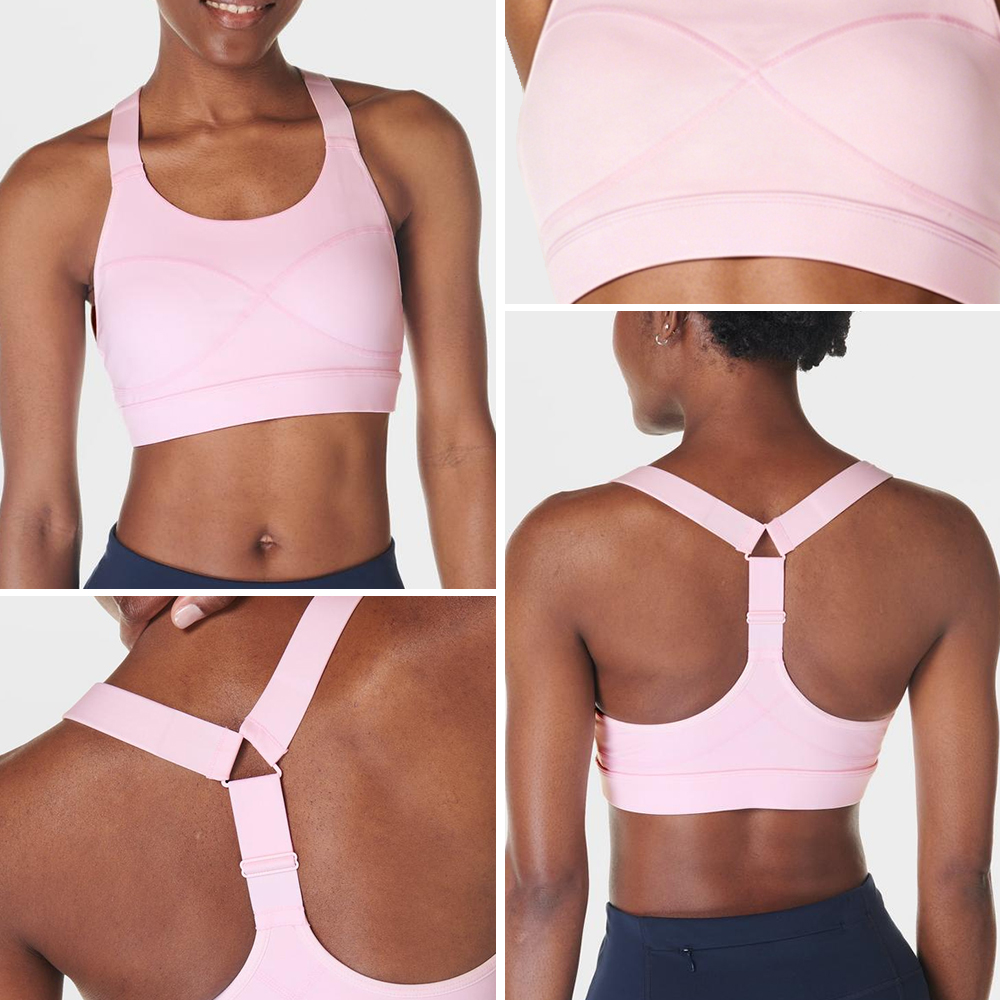
A more supportive option for brands that want coverage, compression, pocket function, and gym-to-run crossover use.
Best For: 2-in-1 running shorts, side split shorts, brief liner shorts
Recommended Fabric Type: Lightweight woven or stretch activewear fabric with breathable handfeel, quick-dry performance, and enough structure to avoid clinging.
Why It Matters: The outer shell should move easily, dry quickly, and keep shape during repeated movement without feeling stiff or heavy.
Best For: 2-in-1 shorts, anti-chafe shorts, pocket liner shorts
Recommended Fabric Type: Stretch knit fabric with good recovery, opacity, soft support, and enough stability for pocket weight.
Why It Matters: The liner needs to reduce friction, stay in place, support movement, and hold pocket weight without sagging or riding up.
Best For: Running shorts with drawcords, zip pockets, waistband pockets, and multi-panel construction
Recommended Trim Direction: Stable elastic, clean drawcord options, secure zipper placement, and trims that match the short's intended activity level.
Why It Matters: Waistband, zipper, elastic, and drawcord choices directly affect comfort, storage, movement security, and sample-to-bulk consistency.
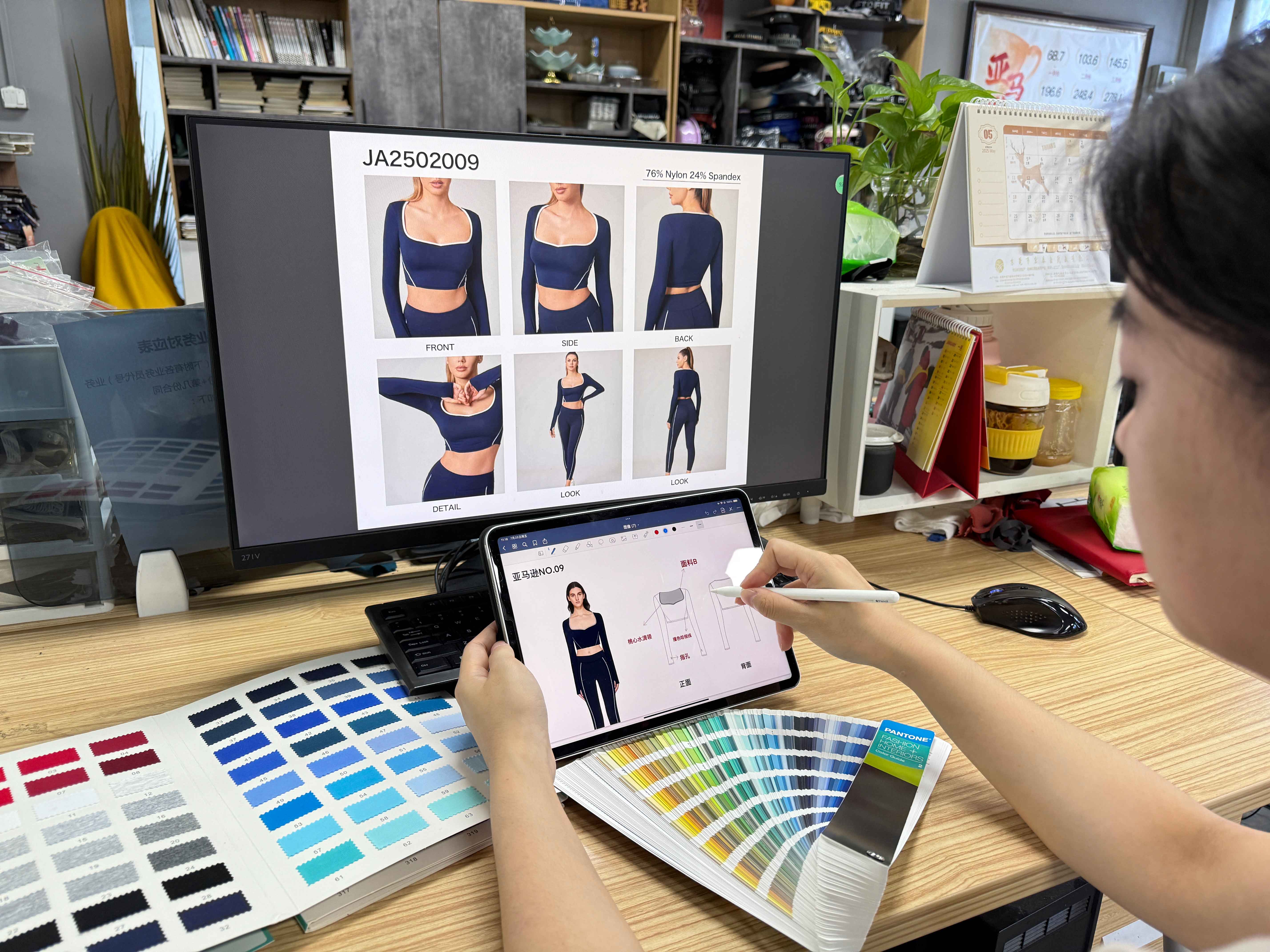
Phone pockets, zip pockets, waistband pockets, and side utility pockets solve different storage problems. Pocket placement should be tested during fitting because bounce, pulling, and fabric distortion may only appear when weight is added.
The inner liner should reduce friction and improve coverage without riding up or feeling overly compressive. Liner length, leg opening tension, fabric recovery, and crotch construction all affect real wearability.
A running short waistband should stay secure without digging in. Elastic width, rise, drawcord design, seam finish, and waistband pocket structure should match the intended activity level.

We help brands clarify whether the style should be 2-in-1, brief-lined, pocket-focused, bike-short inspired, side-split, or travel-ready.
What You Get: a clearer product direction before sampling, with fewer unrelated details added to the first sample round.

Pocket placement, liner length, fabric recovery, and waistband connection are reviewed as movement details, not only visual details.
What You Get: better alignment across storage function, anti-chafe comfort, fit security, and real movement needs.

Outer shell, inner liner, drawcord, elastic, zipper, logo method, and waistband construction should be aligned before sampling.
What You Get: a more practical sample plan based on fabric behavior, trim selection, and the intended use case.

Running shorts need careful follow-up because pocket position, liner tension, waistband fit, and shell behavior can change the wearing experience.
What You Get: stronger follow-up on approved measurements, construction details, fabric behavior, and sample-to-bulk consistency.

• Growing activewear brands expanding into shorts
• Private label buyers planning a running edit
• ODM shorts development from reference styles
• Brands building 2-in-1 or pocket shorts
• Warm-weather activewear capsule launches

• Pure lounge shorts with no movement need
• Logo-heavy trend drops without function
• Random single-SKU sourcing
• Lowest-price stock-style orders
• Fully technical race-day running lines