
I Have an Existing Style
Send the current sample or tech pack, the material information and the change you want to achieve. We can review alternative fabric directions around the same design intent.
TO BE A LEADER OF SPORTSWEAR MANUFACTURER, CREATE MORE VALUES FOR SPORTS BRANDS
Review a lyocell-blend option against the target drape, surface appearance, stretch and care requirements. Confirm the actual fabric specification before sampling.
Review a modal-blend option against the intended touch, body ease and shape retention. Confirm the construction and wash response with a sample.
Review a viscose-blend option against the target appearance, care requirements and order budget. Compare the actual fabric and sample rather than the fiber name alone.
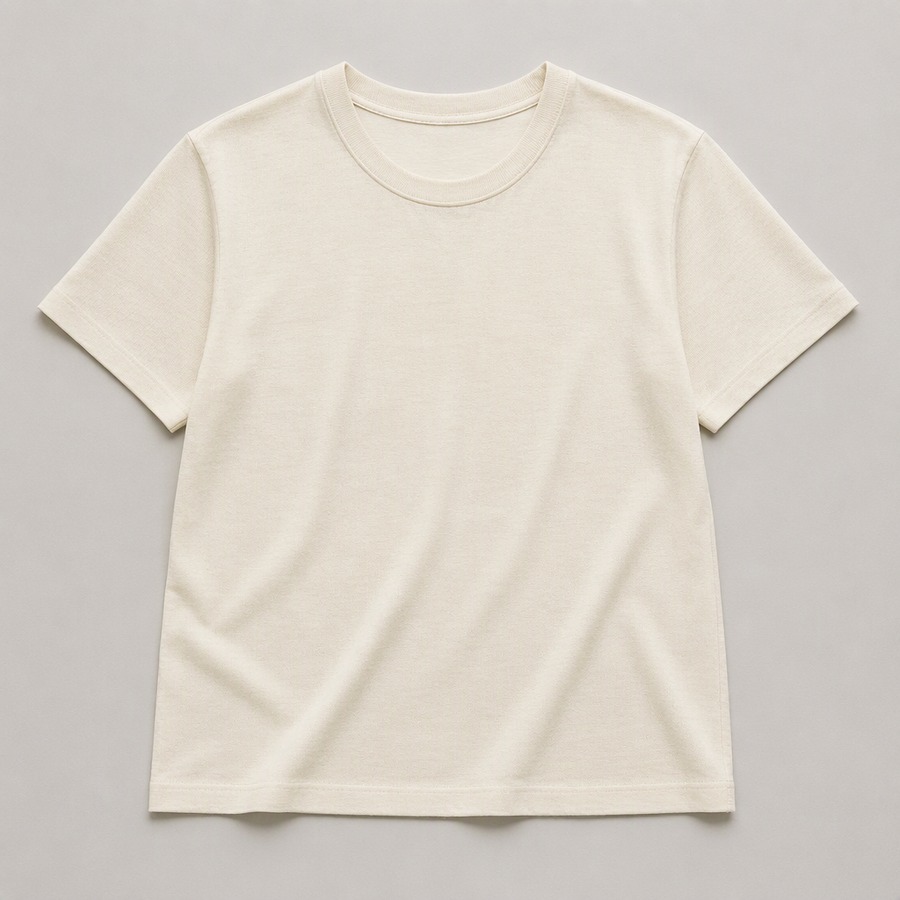
Review a lightweight wool-blend option only where the available fabric suits the intended spring/summer use, next-to-skin feel and care brief. Availability requires confirmation.
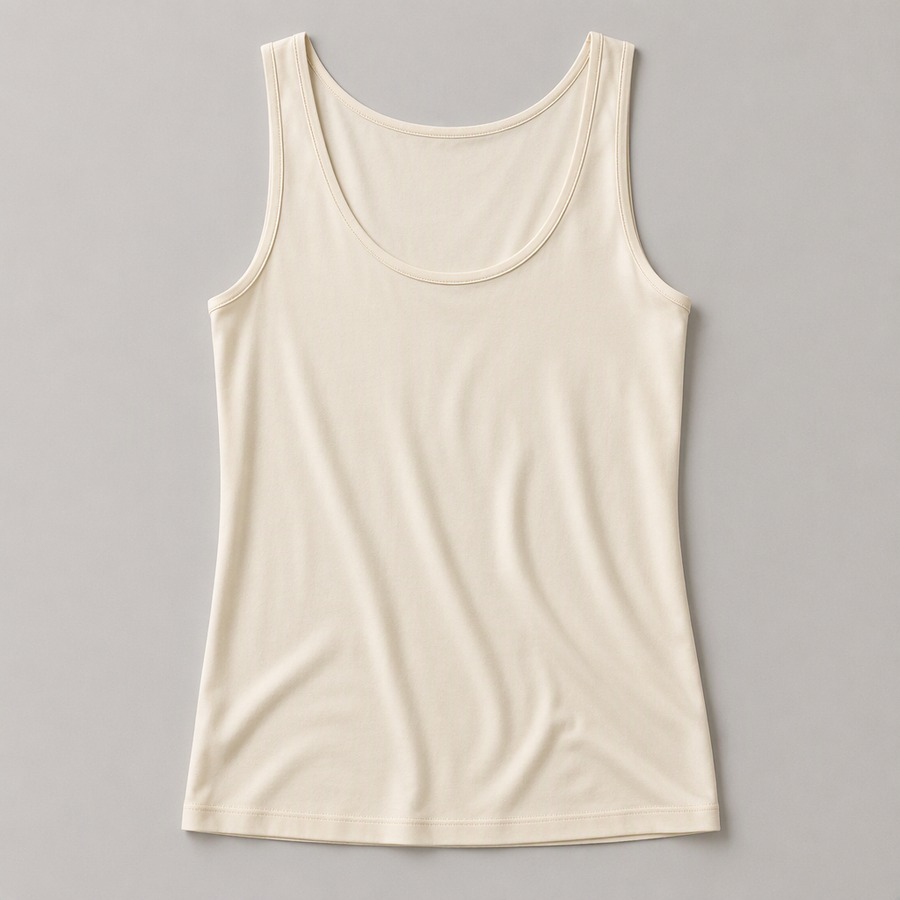
Review a lyocell-blend option against the target drape, surface appearance, stretch and care requirements. Confirm the actual fabric specification before sampling.
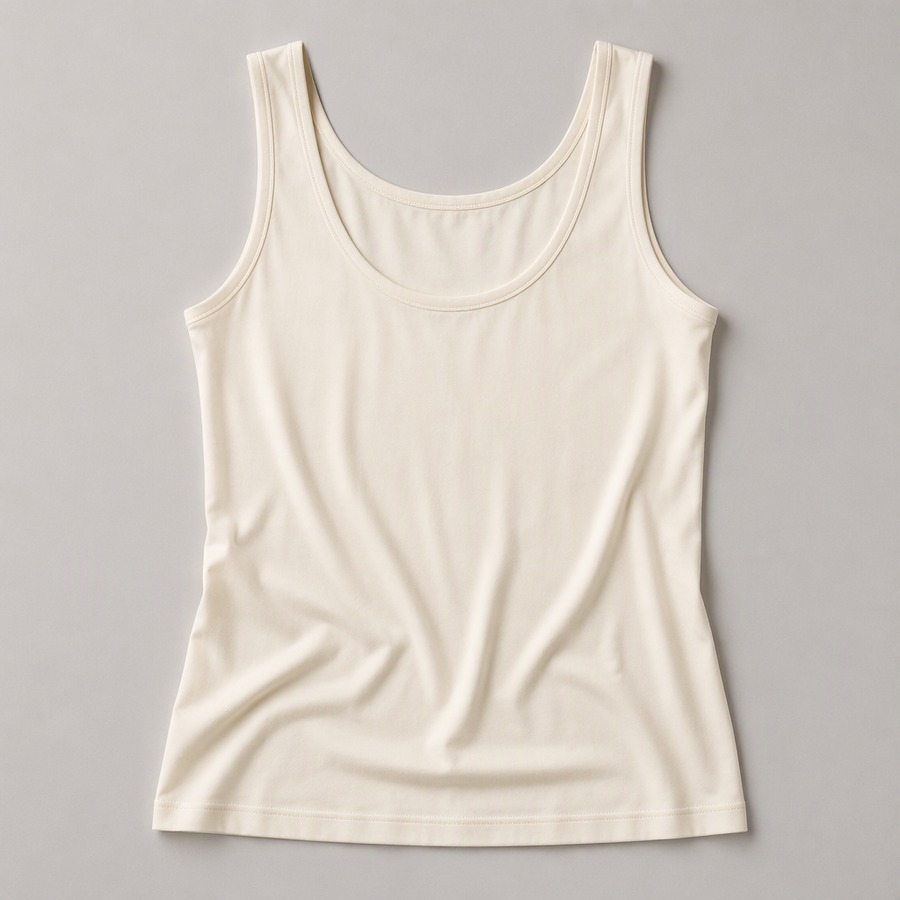
Review a modal-blend option against the intended touch, body ease and shape retention. Confirm the construction and wash response with a sample.
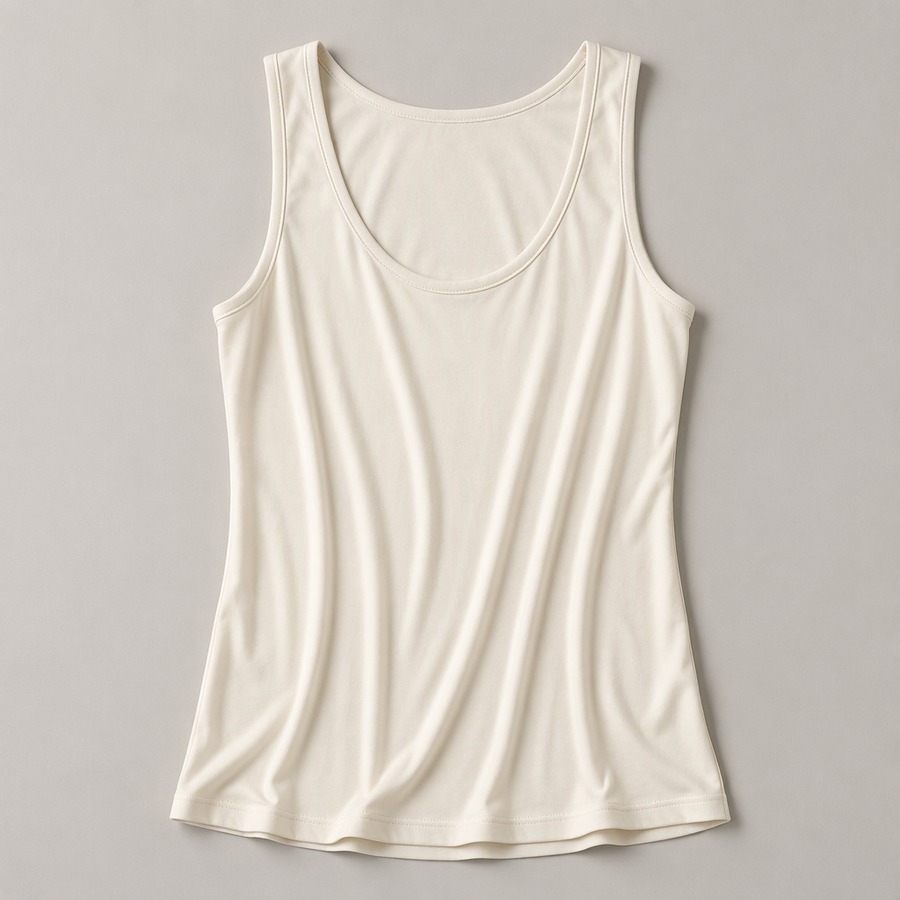
Review a viscose-blend option against the target appearance, care requirements and order budget. Compare the actual fabric and sample rather than the fiber name alone.
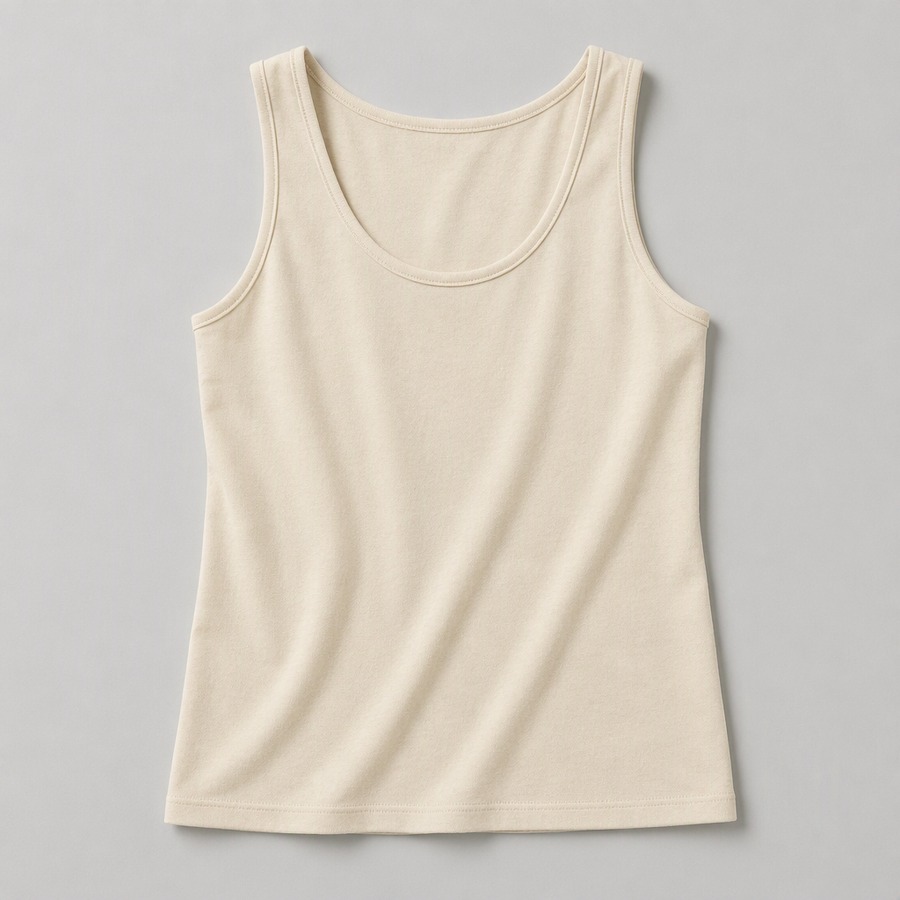
Review a lightweight wool-blend option only where the available fabric suits the intended spring/summer use, next-to-skin feel and care brief. Availability requires confirmation.
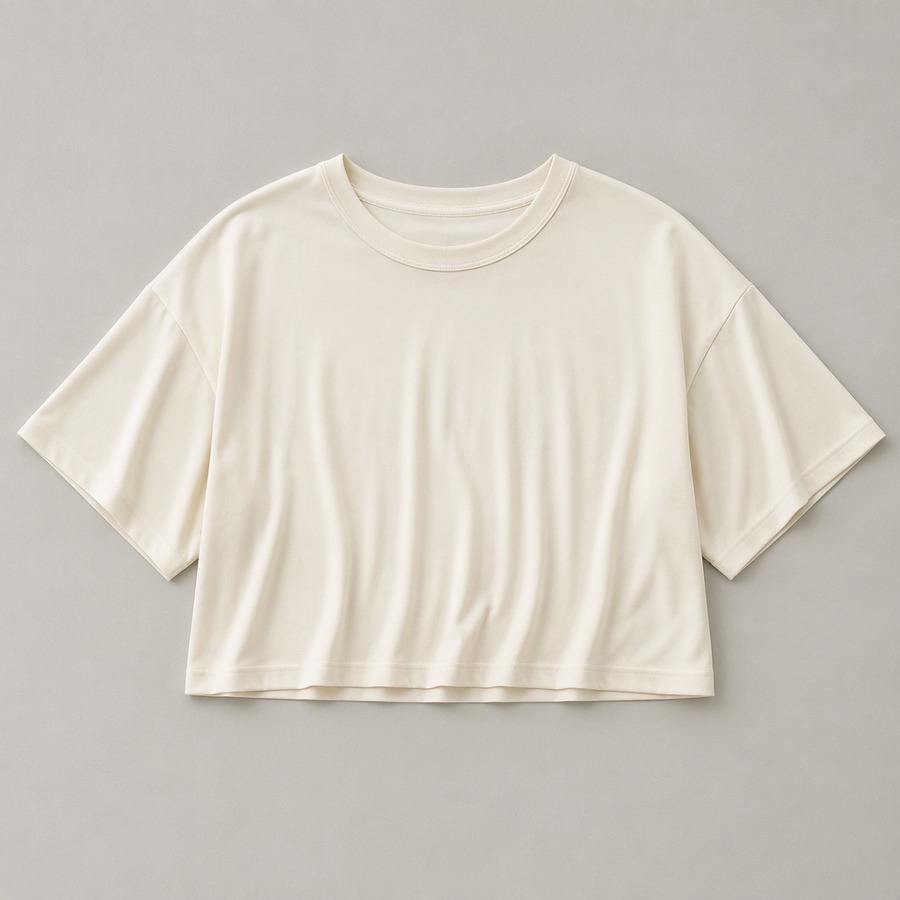
Review a lyocell-blend option against the target drape, surface appearance, stretch and care requirements. Confirm the actual fabric specification before sampling.
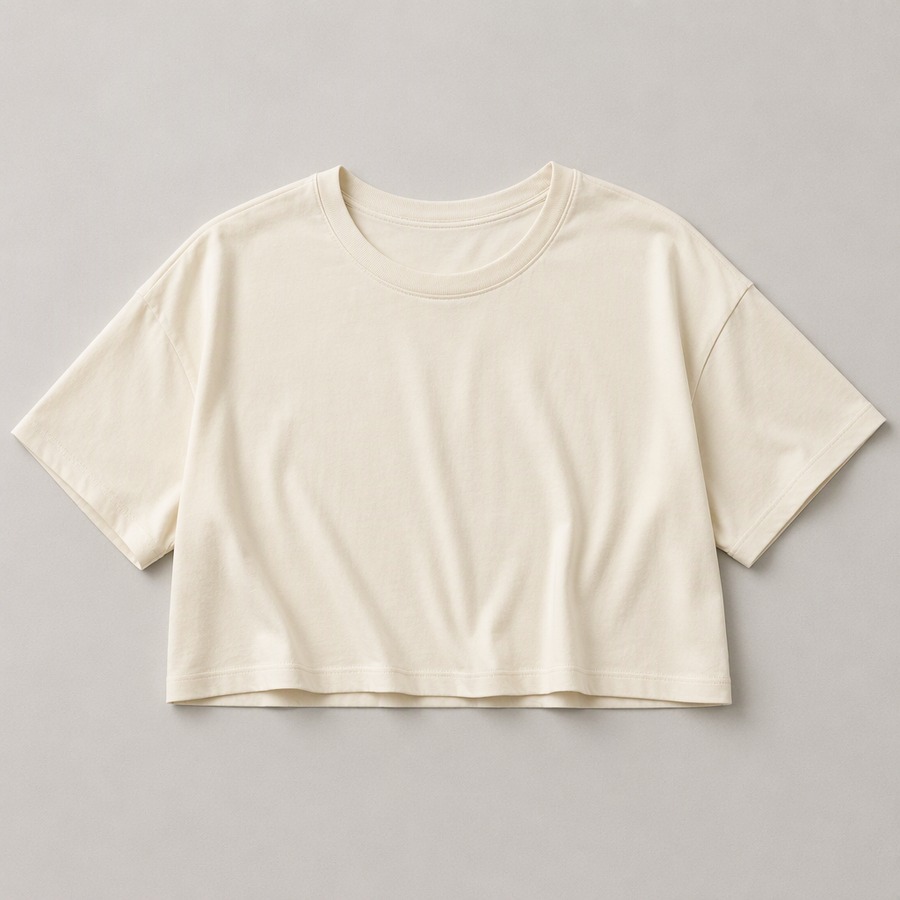
Review a modal-blend option against the intended touch, body ease and shape retention. Confirm the construction and wash response with a sample.
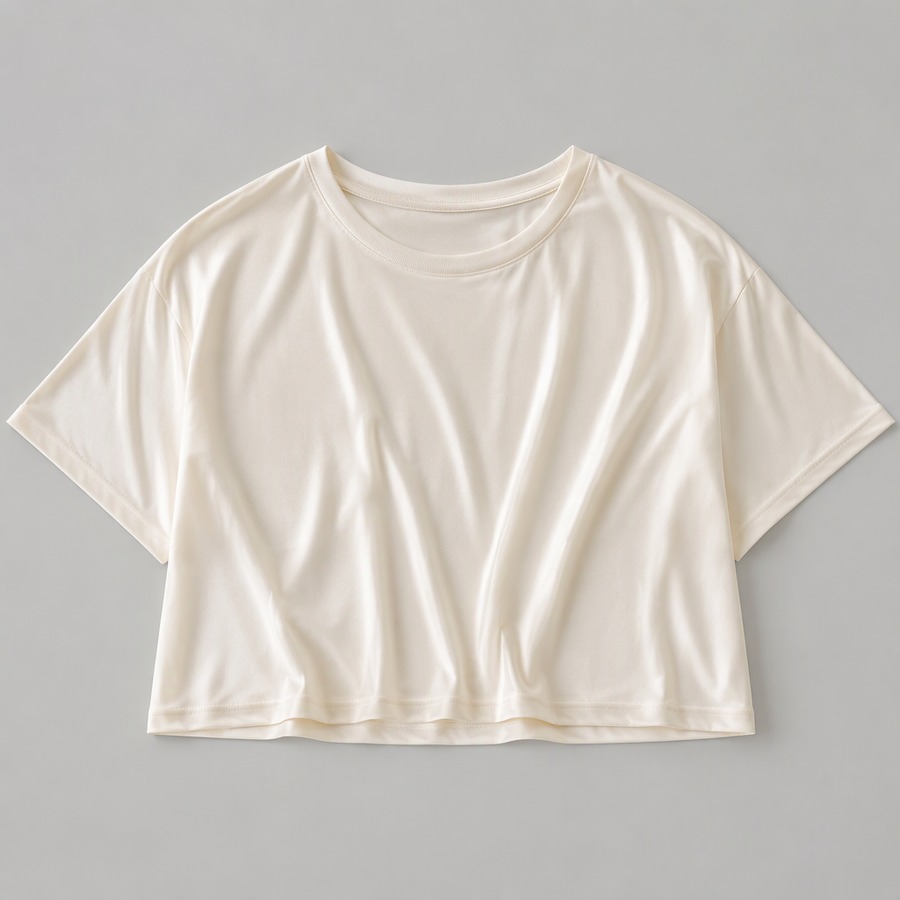
Review a viscose-blend option against the target appearance, care requirements and order budget. Compare the actual fabric and sample rather than the fiber name alone.
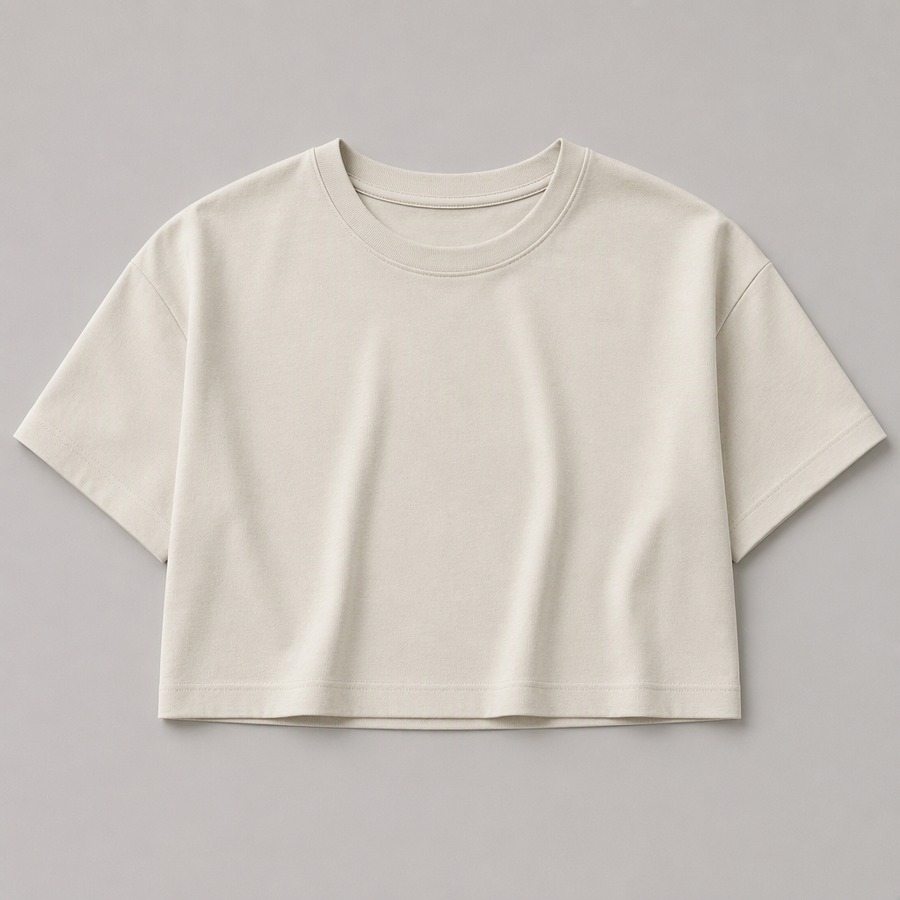
Review a lightweight wool-blend option only where the available fabric suits the intended spring/summer use, next-to-skin feel and care brief. Availability requires confirmation.
Development illustration — fabric and sample to be confirmed.
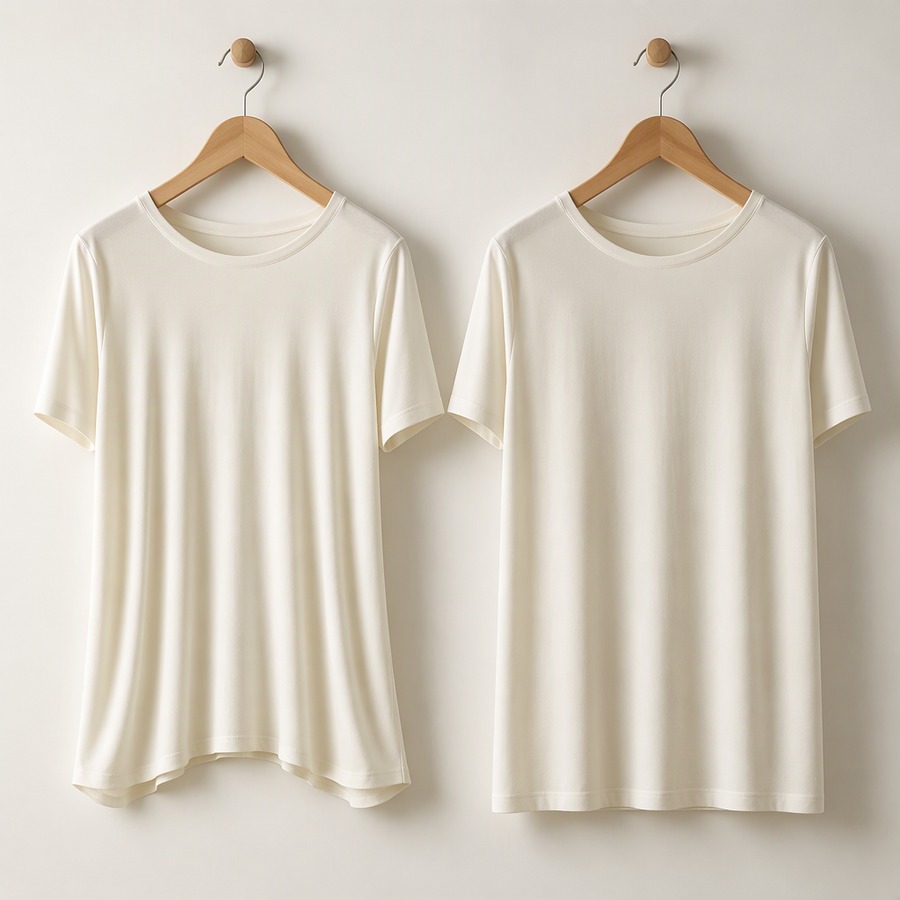
The same outline may hang differently with another fabric. Compare body shape, hem level and garment balance on the intended wearer.
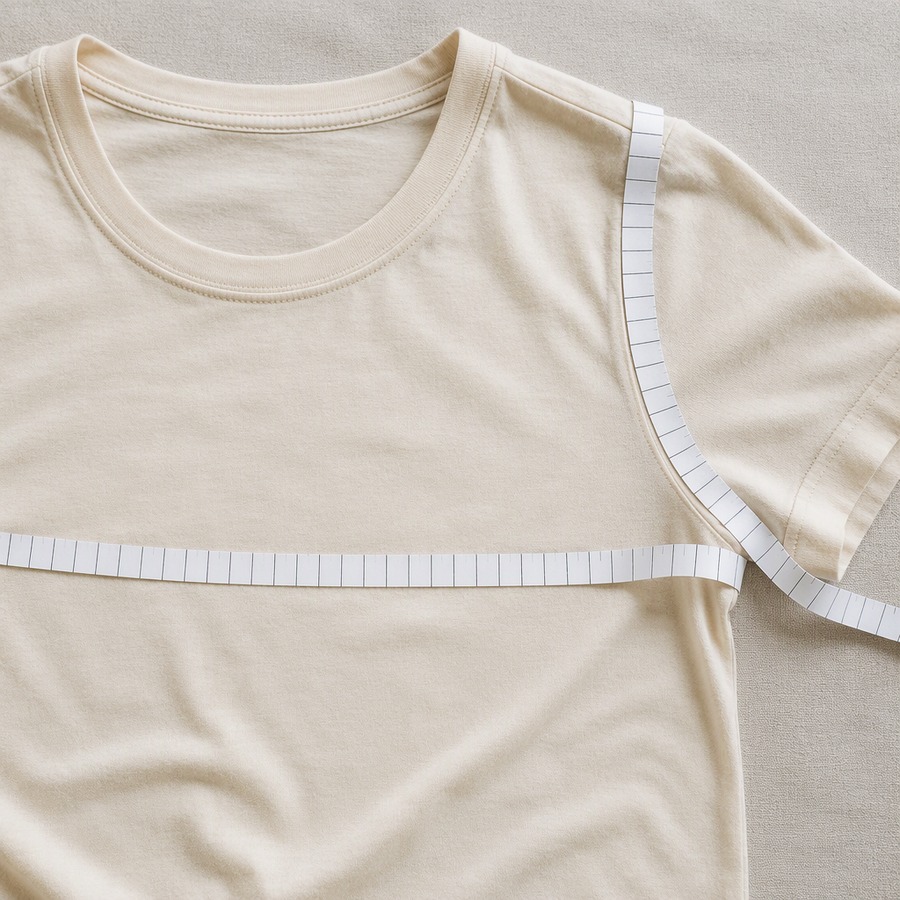
A fabric change can alter movement and fit even when the measurement chart is unchanged. Review stretch, recovery and body ease together.
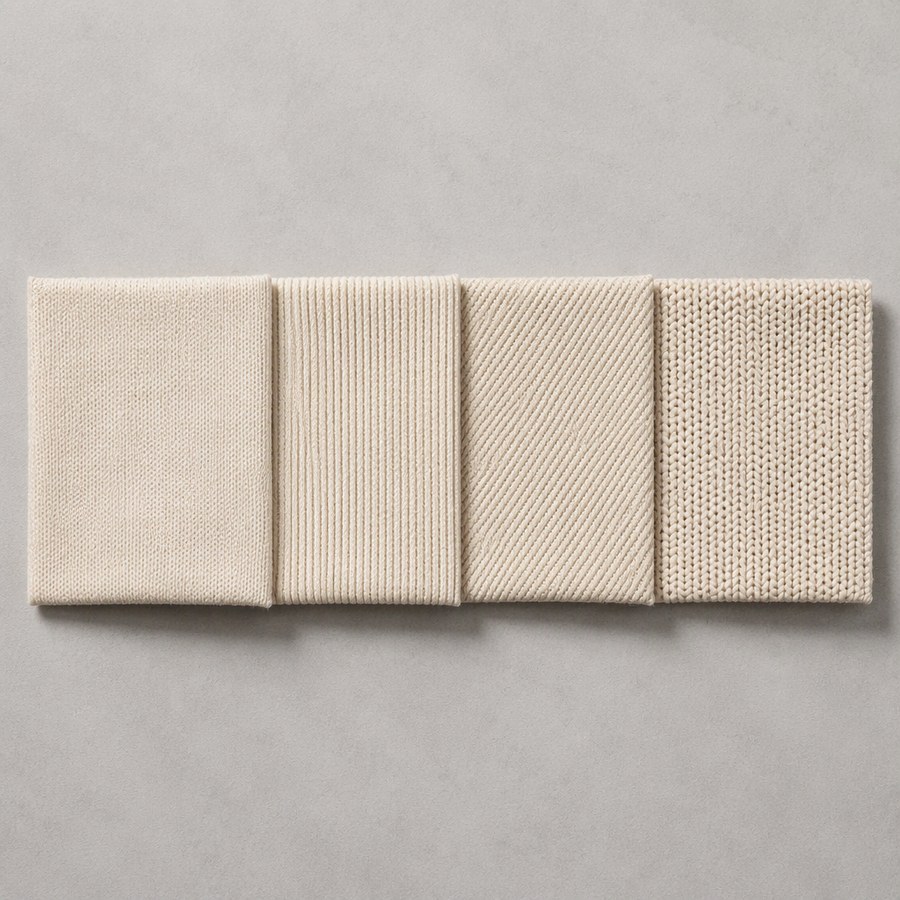
The same color reference can appear different across fabric bases and finishes. Approve each fabric version against an agreed physical standard.
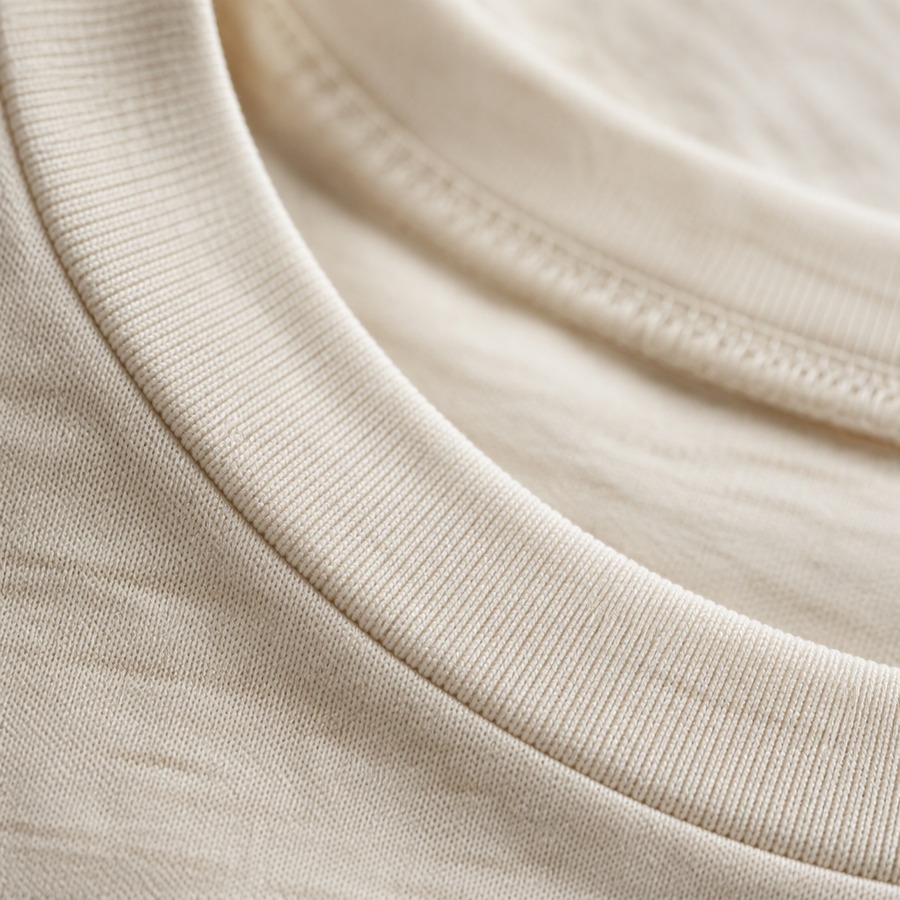
Body fabric and neck binding must work together. Review neckline shape, trim recovery and sewing tension for each version.
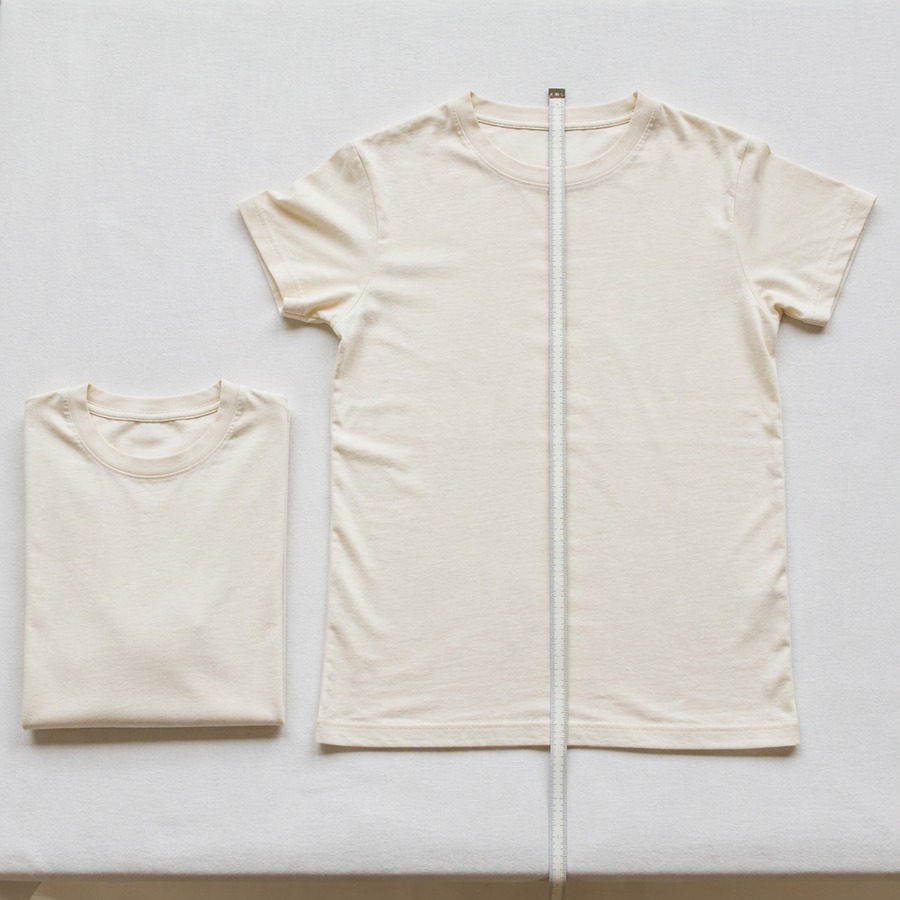
Washing may affect dimensions and appearance. Review the care method and measure the sample before and after the agreed wash procedure.
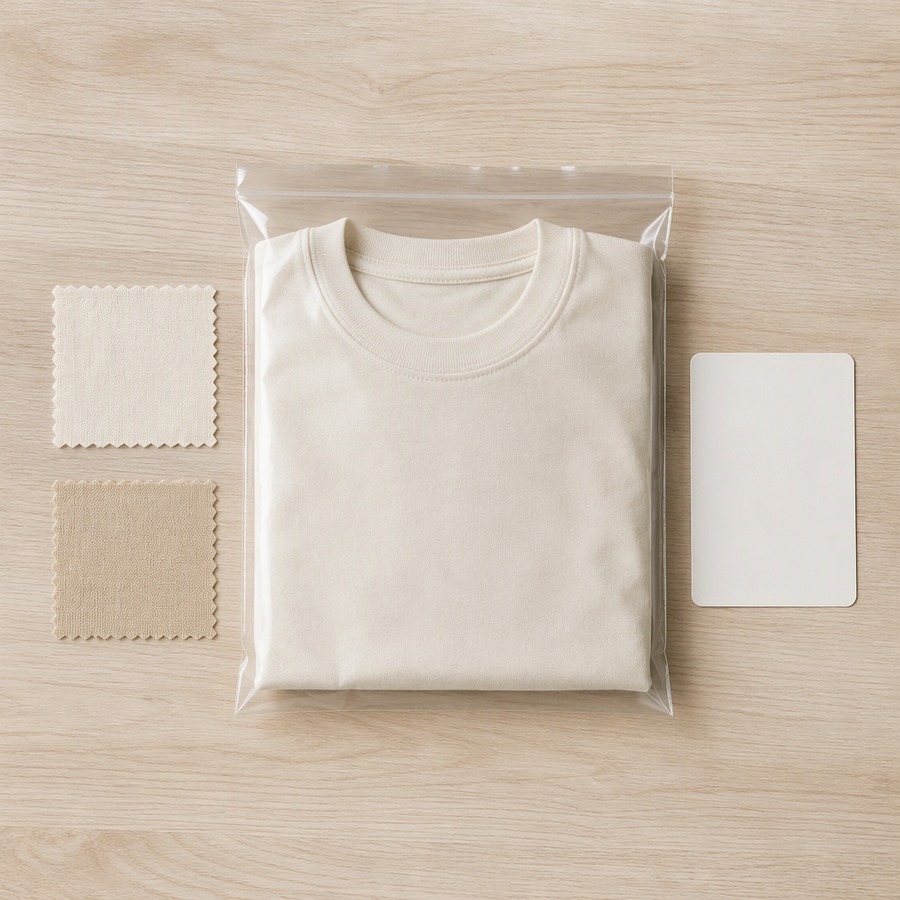
A sample does not define every production detail. Align fabric identity, approved color, garment measurements and workmanship before bulk cutting.
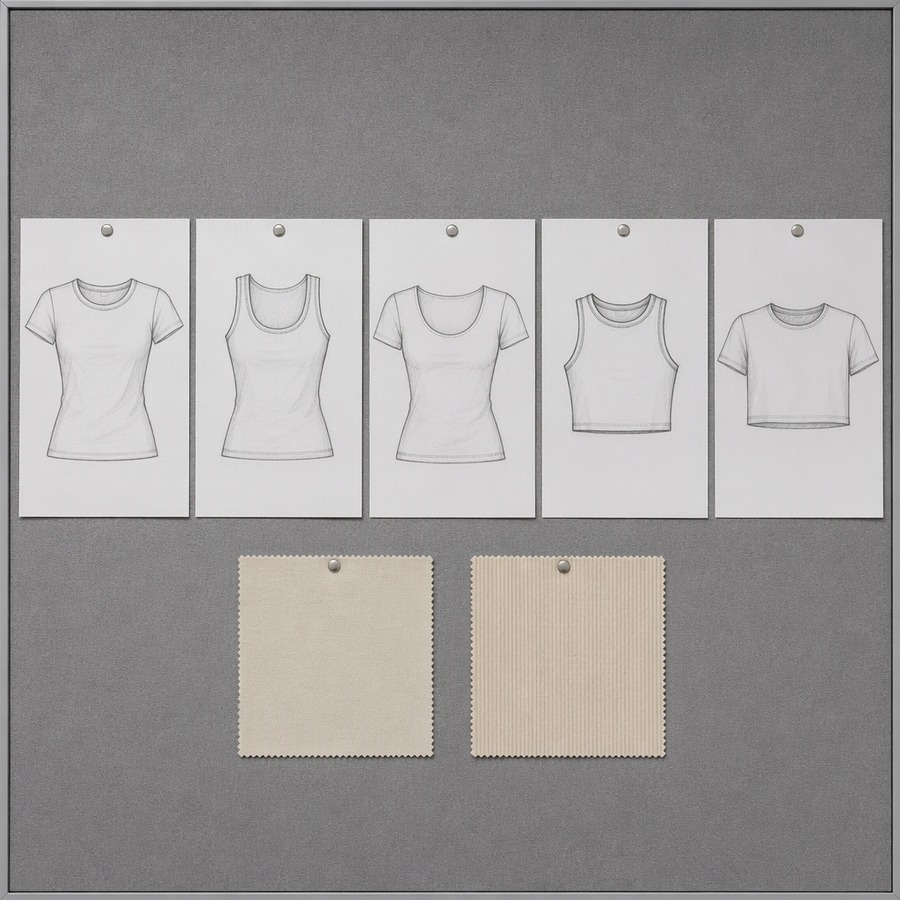
Define whether the piece is for daily athleisure, pre- and post-workout wear, travel or a specific light-movement activity.
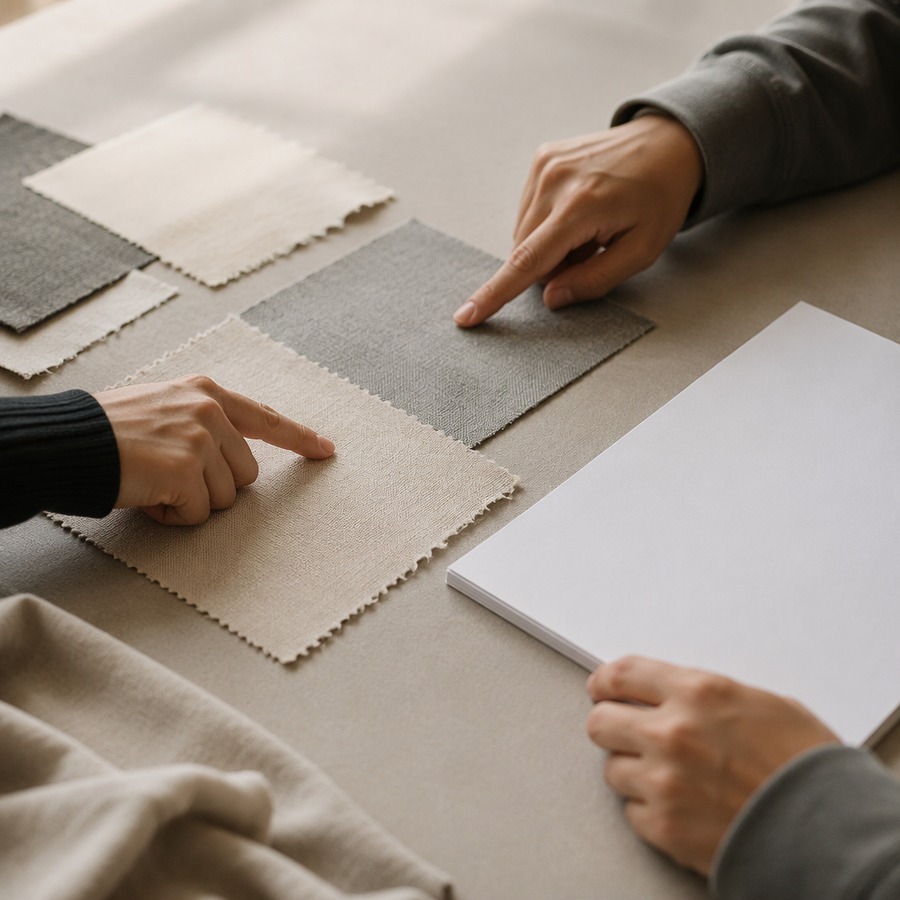
Share the target cost, planned retail position and expected quantity. Compare options under the same quotation conditions.
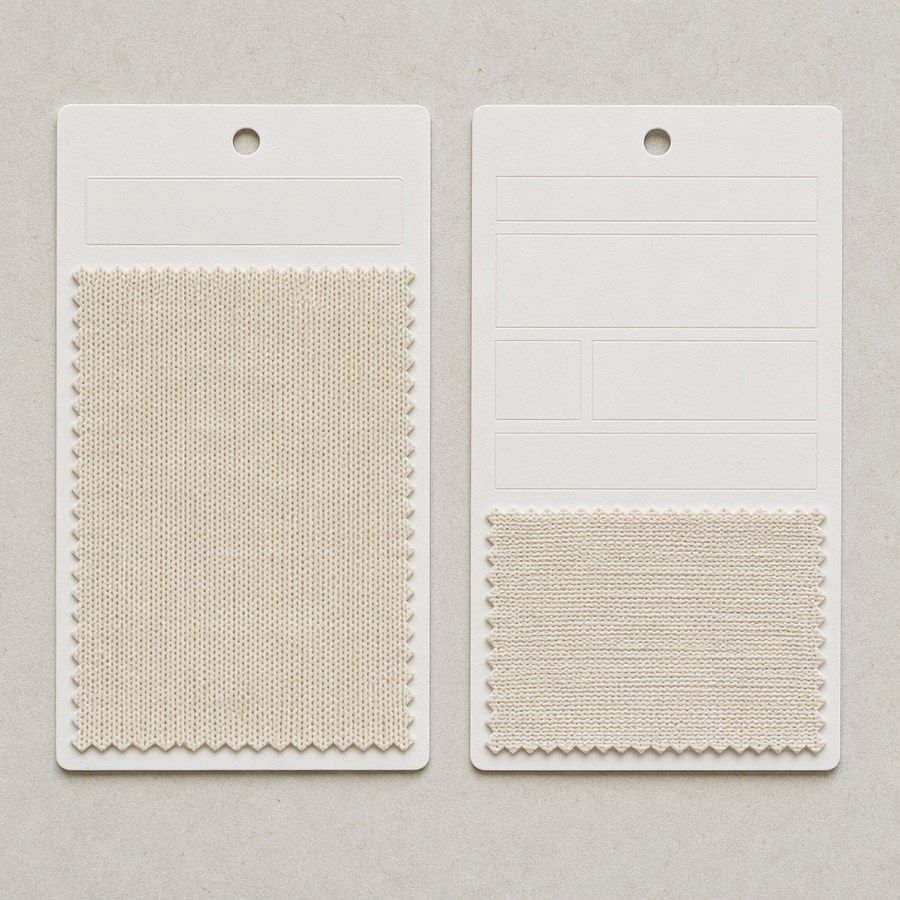
Confirm the fabric code, fiber composition, knit structure, weight, finishing and supplier information before describing a material publicly.
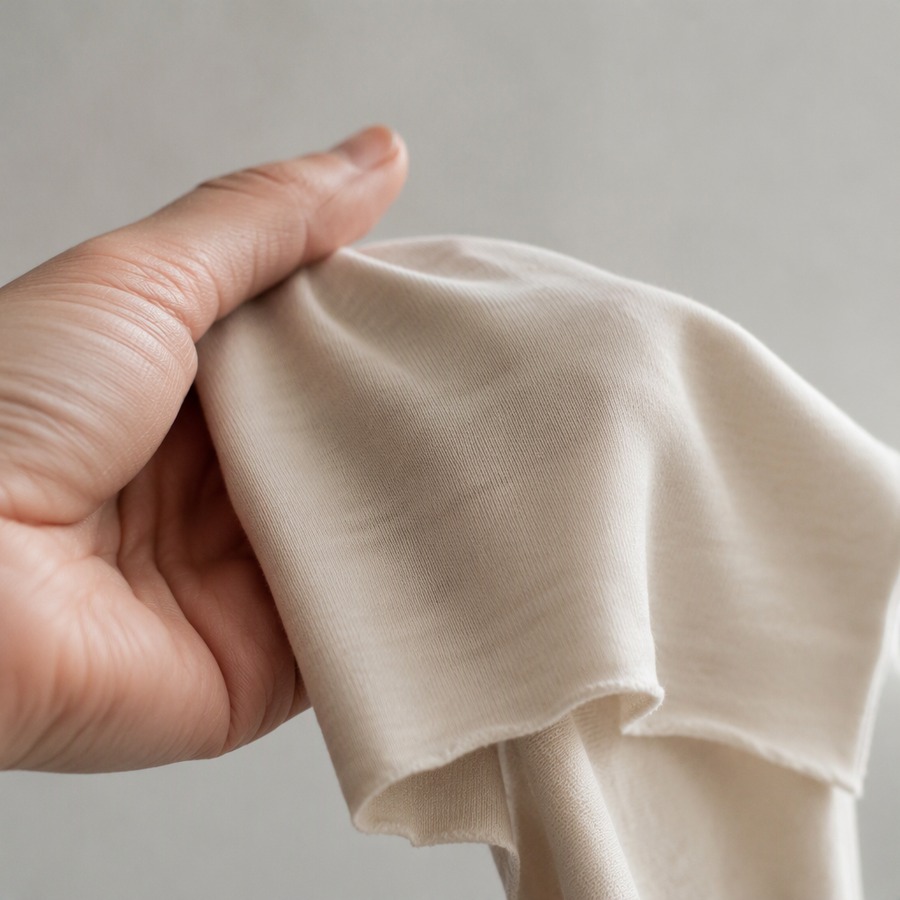
Use physical swatches and samples to agree on the intended touch and garment appearance. A photograph cannot establish softness.
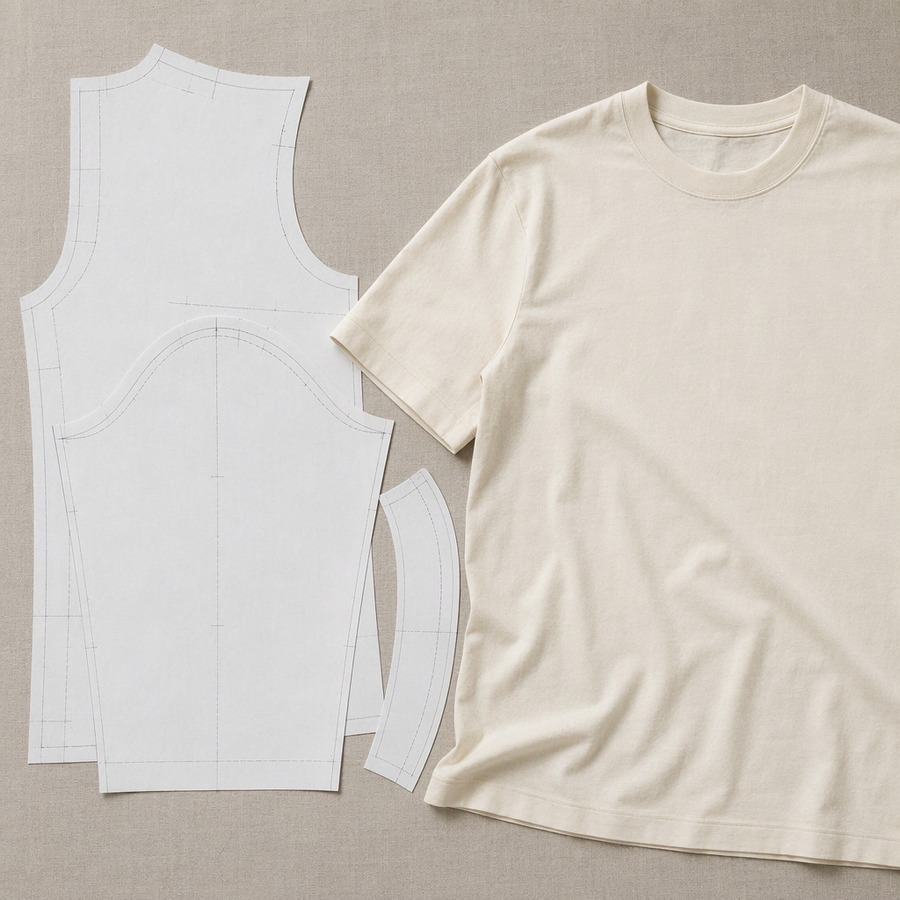
Keep the design intent while checking whether ease, shoulder shape, armholes and garment length need adjustment.
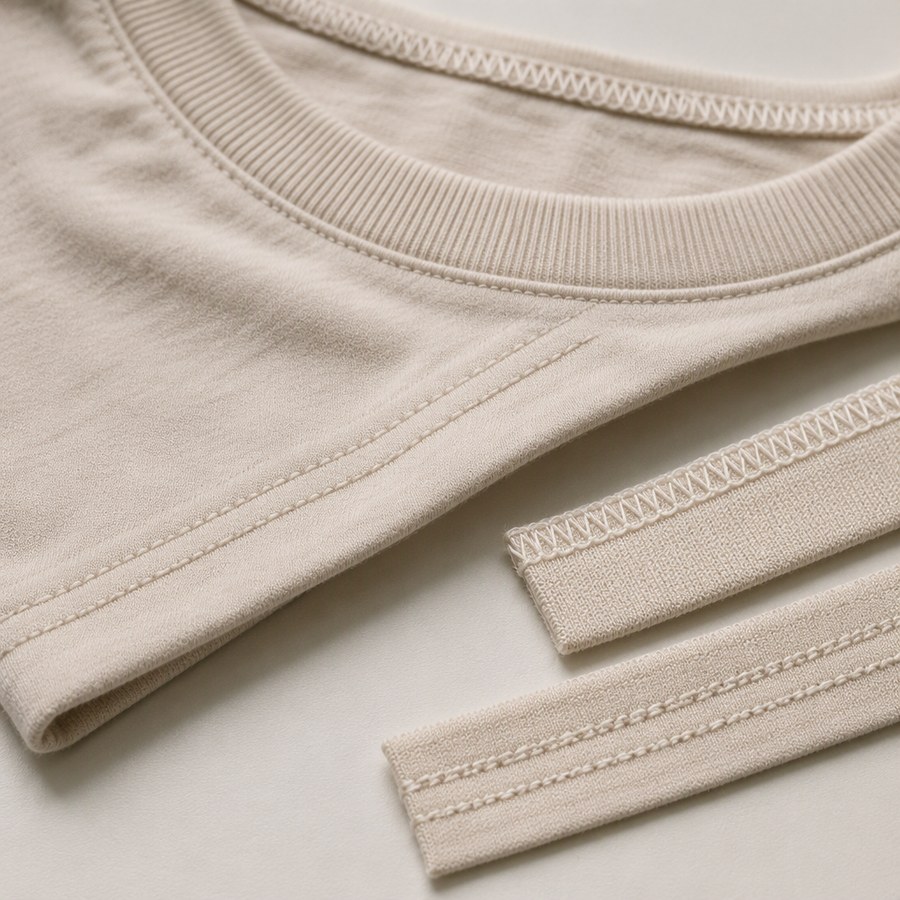
Review neck binding, seam type, hem finish and trim weight against the selected fabric.
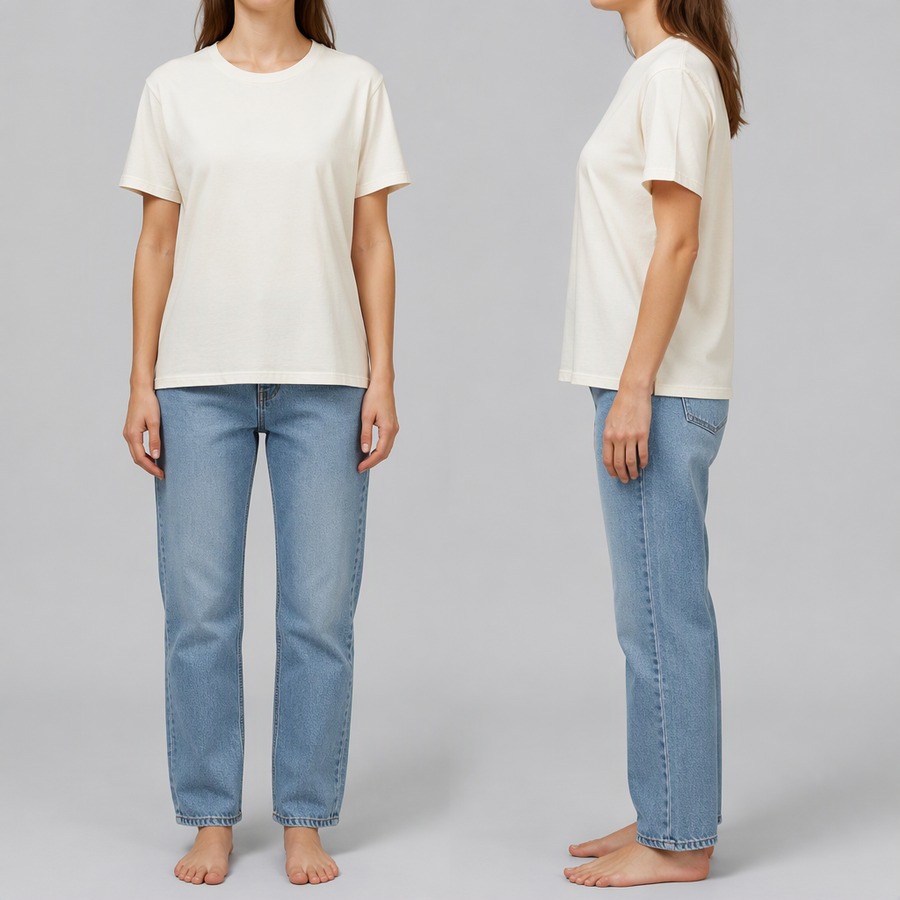
Review fit, movement, coverage, color and the agreed care procedure before choosing the production version.
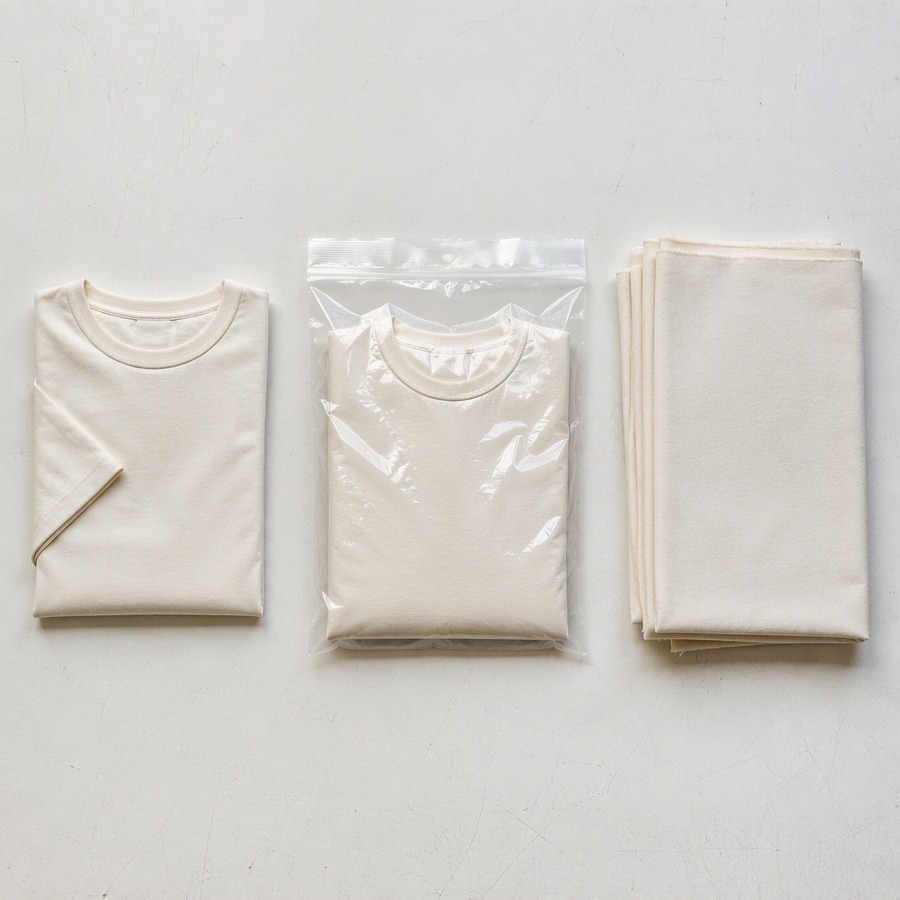
Lock the approved fabric, color, size specification and workmanship reference. Use documented checkpoints to follow production consistency.
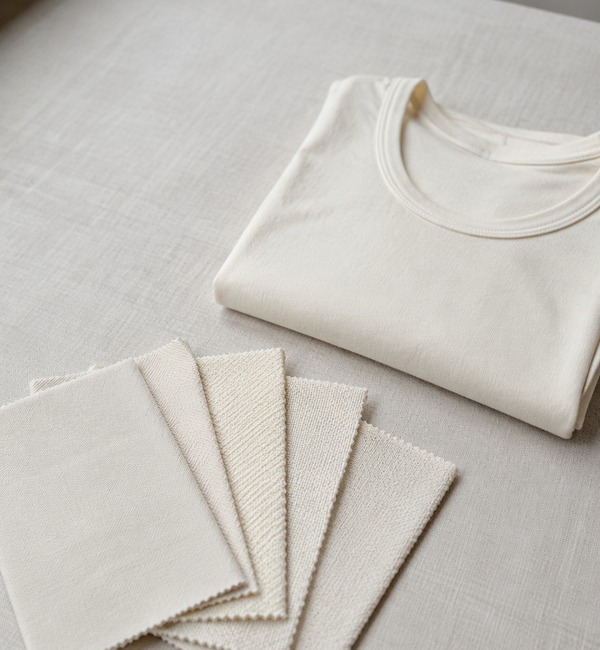
Lyocell and modal are separate fiber directions. Review a proposed lyocell blend for the desired surface and garment drape, and a proposed modal blend for the intended touch and wearing ease. For either direction, confirm the full composition, knit structure, weight, stretch and finishing rather than relying on the fiber name alone. Suggested development applications include crew-neck T-shirts, scoop-neck tanks and relaxed tops. Suitability depends on the actual fabric, garment structure and sample review.
Specification: Composition, fabric code and construction are confirmed with the proposed swatch.
Weight: Confirmed for the selected fabric during development.
A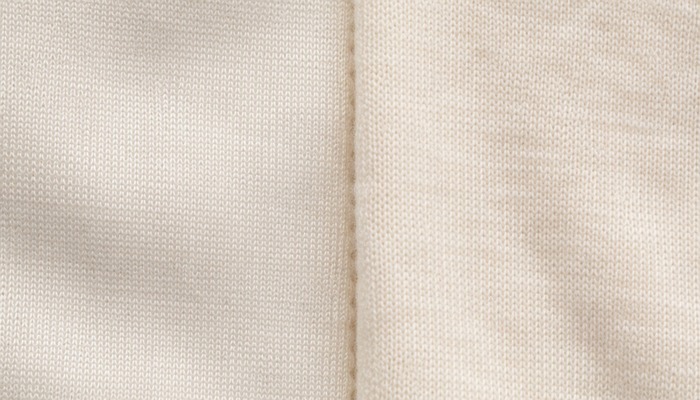
Review viscose-blend fabrics against the target appearance, drape, fit and care brief. Viscose is not a fixed low-price or low-quality category. Compare the actual construction and sample result with the other options under the same order conditions. For proposed T-shirts, tanks and relaxed tops, check neckline stability, dimensions after care, surface appearance and the sewing method before approving the fabric version.
Specification: Composition, fabric code and construction are confirmed with the proposed swatch.
Weight: Confirmed for the selected fabric during development.
B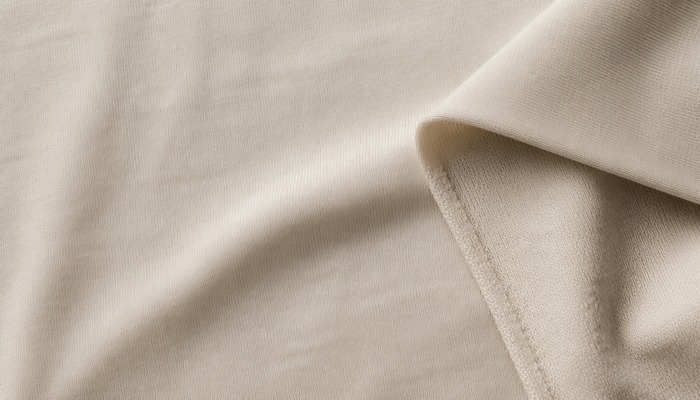
A lightweight wool-blend direction can be reviewed for selected spring/summer tops where the available fabric suits the intended use. Confirm the wool type, blend composition, fabric weight, touch and care requirements. Do not assume that every wool fabric is suitable for warm-weather wear. Review next-to-skin comfort, garment balance, dimensions after care and decoration compatibility. Material availability, price and order conditions require confirmation before sampling.
Specification: Wool type, blend composition and construction are confirmed with the proposed swatch.
Weight: Confirmed for the selected fabric during development.
C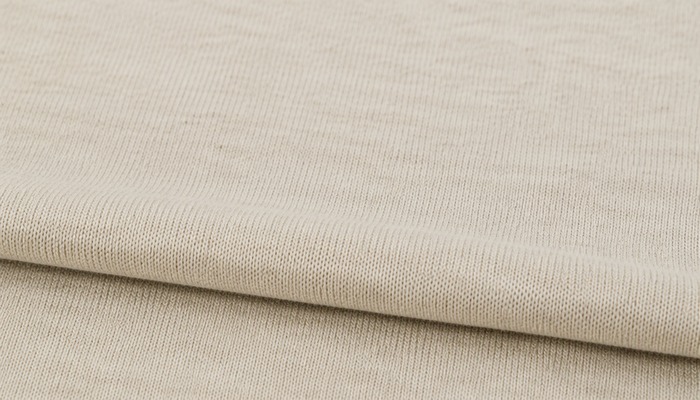
| Fabric Factor | Why It Matters | What Buyers Should Confirm |
|---|---|---|
| Fiber Composition | Affects how the proposed material is described and selected. | Full composition and any documented branded-fiber identity. |
| Knit Structure | Influences garment appearance, stretch and stability. | Actual construction and the approved swatch. |
| Handfeel | Helps define the intended wearing experience. | Physical swatch comparison rather than visual assumptions. |
| Drape | Changes how the same silhouette hangs on the body. | Sample appearance in the same size and viewing conditions. |
| Weight and Coverage | Affect thickness, garment balance and visibility. | Actual fabric weight and coverage in the proposed color. |
| Stretch and Recovery | Affect movement, ease and shape after wear. | The selected fabric and its fit with the pattern. |
| Care Response | Can alter dimensions and appearance. | Agreed care method and before-and-after sample review. |
| Color | Can appear different across material bases. | Physical color approval for each fabric version. |
| Cost Drivers | Explain differences between quotations. | Fabric, consumption, construction, decoration and quantity assumptions. |
| Order Conditions | Determine whether the option fits the project. | Material availability, minimums, sampling and bulk schedule. |
The same design brief does not guarantee the same pattern, care method or production cost. Each fabric version should be sampled and approved on its own requirements. Final material and order details are confirmed for the project.
Compare fabric options for your style. · Review sportswear price factors
| Buyer Brief | Development Priority | Fabric Review | Sample Check | Decision to Make |
|---|---|---|---|---|
| Spring/Summer Everyday Tee | Appearance and wearing comfort | Compare confirmed lightweight fabric proposals | Fit, coverage and care response | Which option suits daily use? |
| Studio Cover-Up Tank | Ease over an existing base layer | Review drape, armhole stability and trim match | Layered fit and movement | Which version keeps the intended shape? |
| Relaxed Cropped Top | Balanced length and silhouette | Compare how each fabric hangs | Hem level and body balance | Does the pattern need adapting? |
| Existing Style Upgrade | A defined improvement over the current sample | Compare the existing fabric with alternatives | Side-by-side garment review | What product difference justifies the change? |
| Two Price Positions | A clear material and cost distinction | Compare fabric and construction under shared quote conditions | Agreed appearance and fit targets | What changes between the two versions? |
| Soft-Touch Collection | A physical handfeel reference | Compare actual swatches without a fiber hierarchy | Wear and care review | Which option meets the approved touch? |
| Selected Wool-Blend Top | Suitable use and care expectations | Confirm lightweight blend availability and specification | Skin contact, fit and care response | Is this material appropriate for the brief? |
| Repeat-Order Program | Reproducible product references | Confirm fabric identity, color and supply conditions | Pre-production sample and QC reference | What must be locked for the next order? |
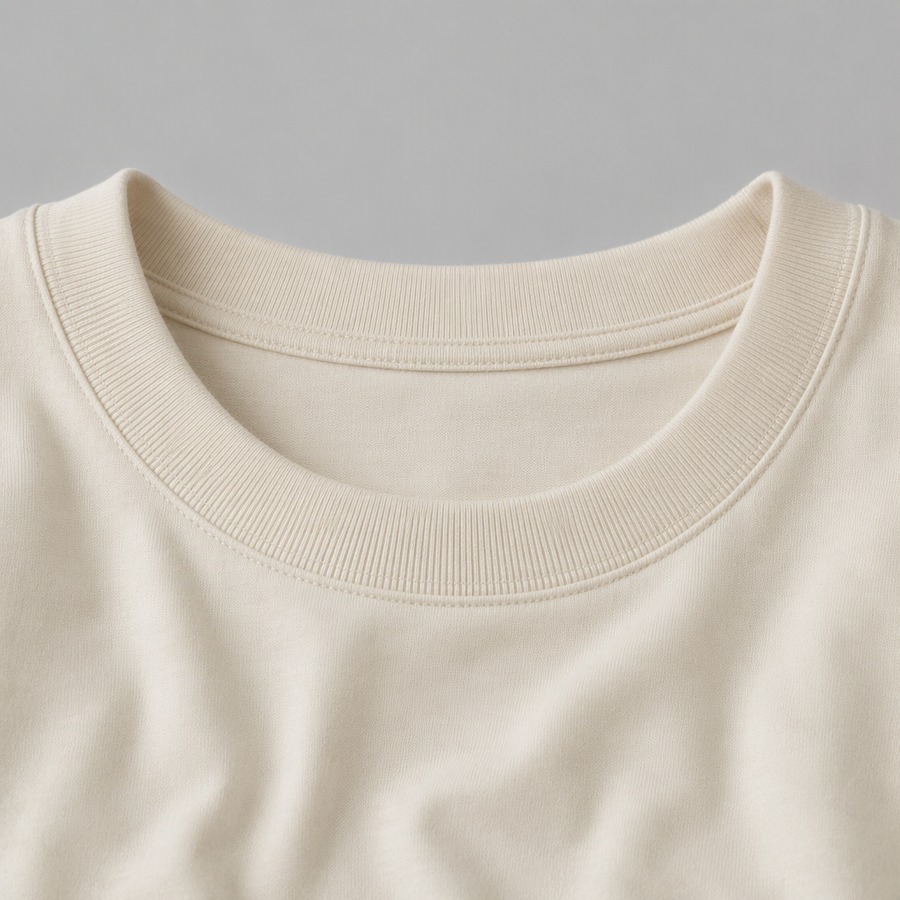
Check whether the selected fabric supports the intended neck opening without unwanted gaping, pulling or collapse.
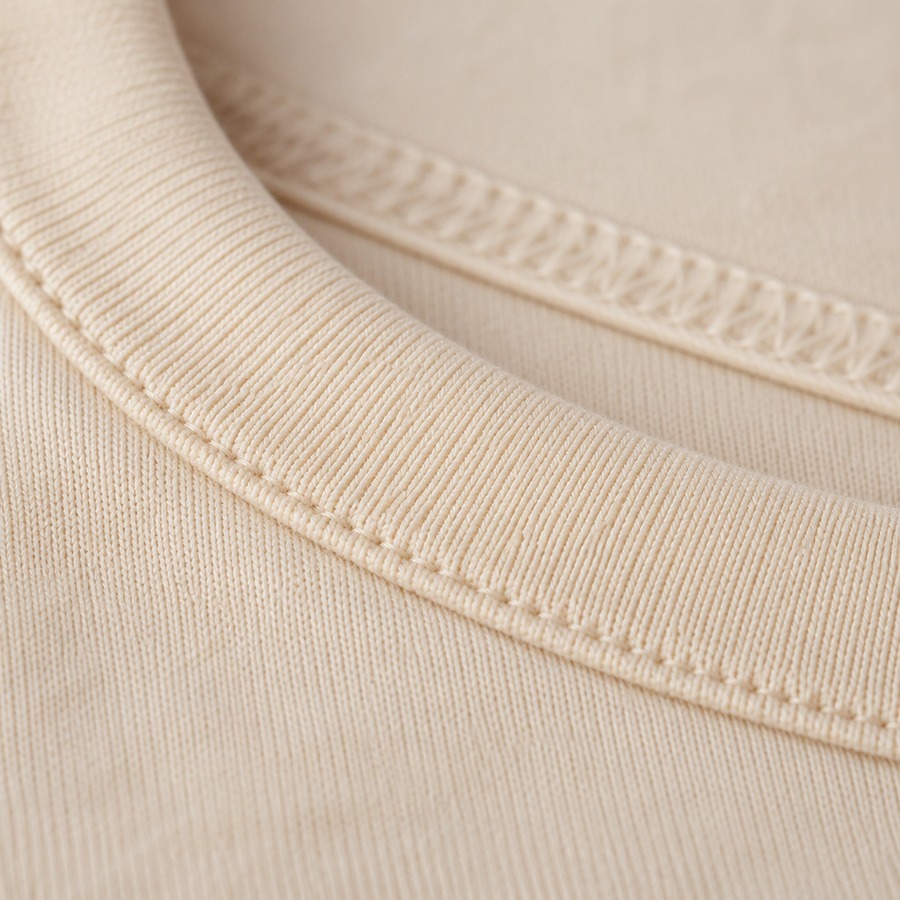
Review binding construction, width and stretch against the body fabric. Do not transfer the original trim specification without checking it.
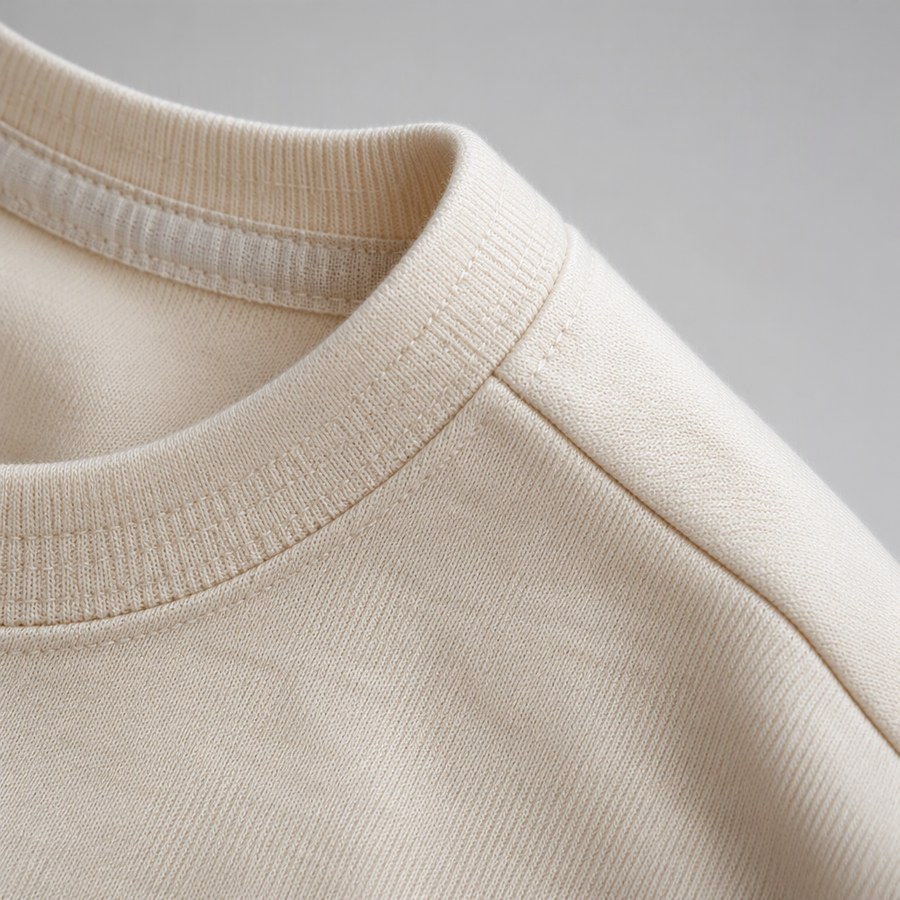
Check shoulder position and whether stabilization is needed for the fabric and garment weight.
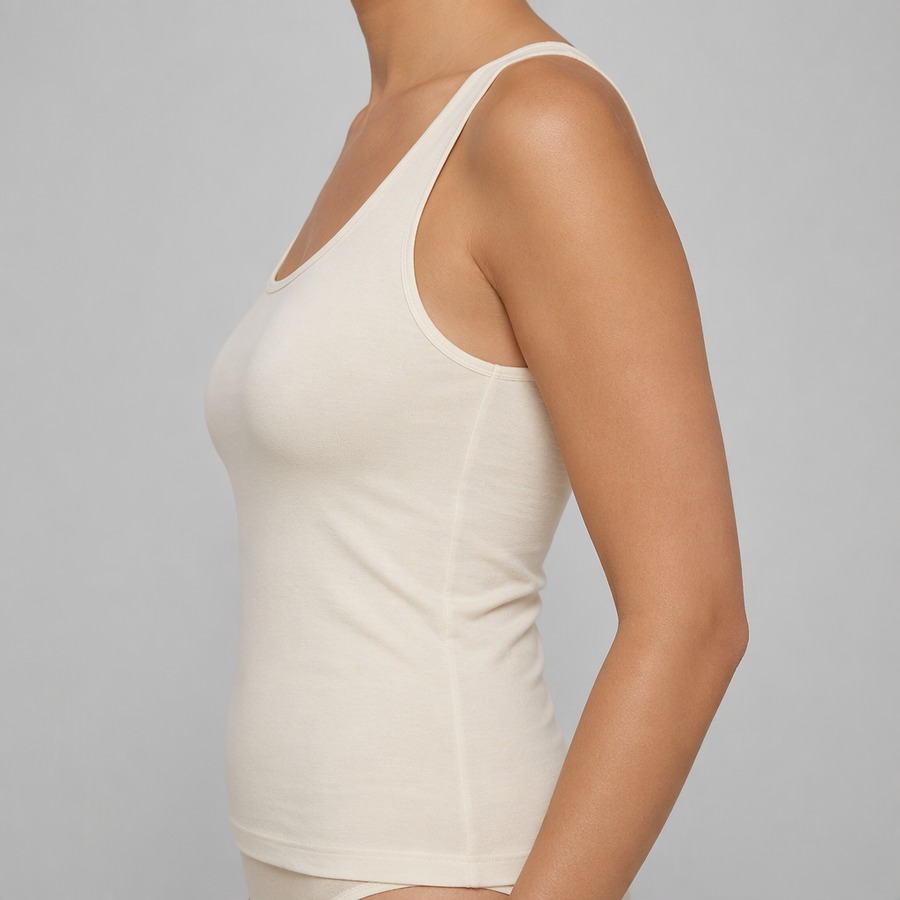
Review coverage, movement and the way the armhole sits on the body for each proposed fabric version.
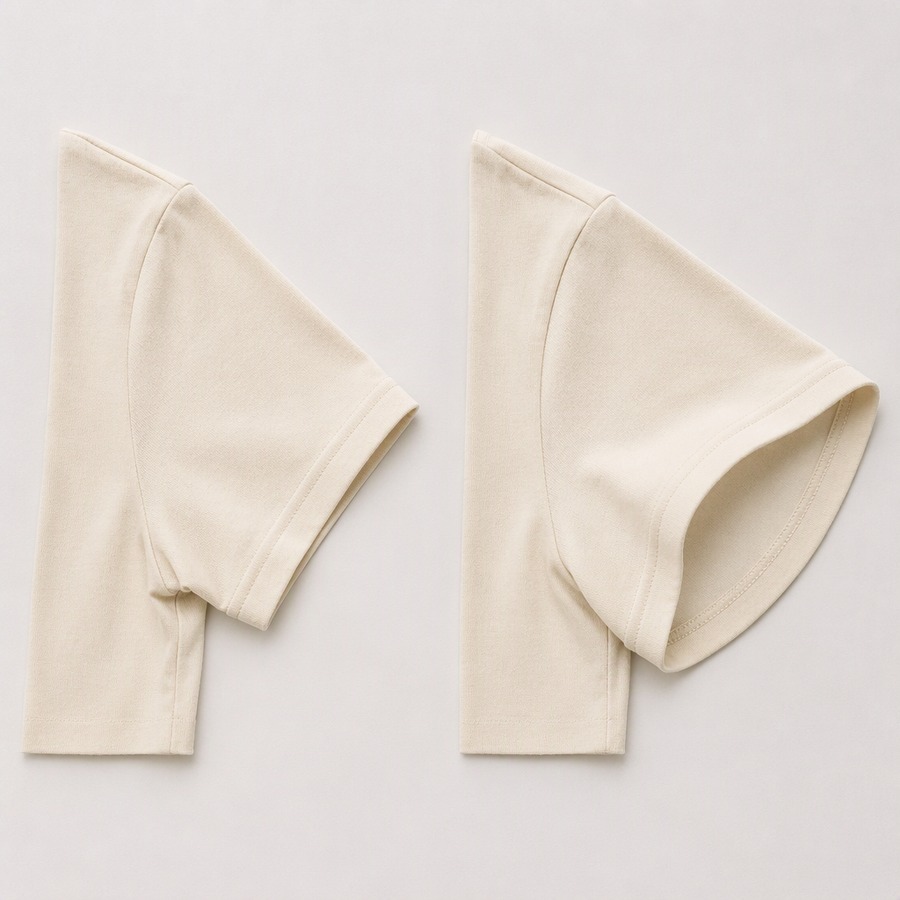
Compare sleeve opening, length and balance on the wearer. Different fabric behavior may change the intended silhouette.
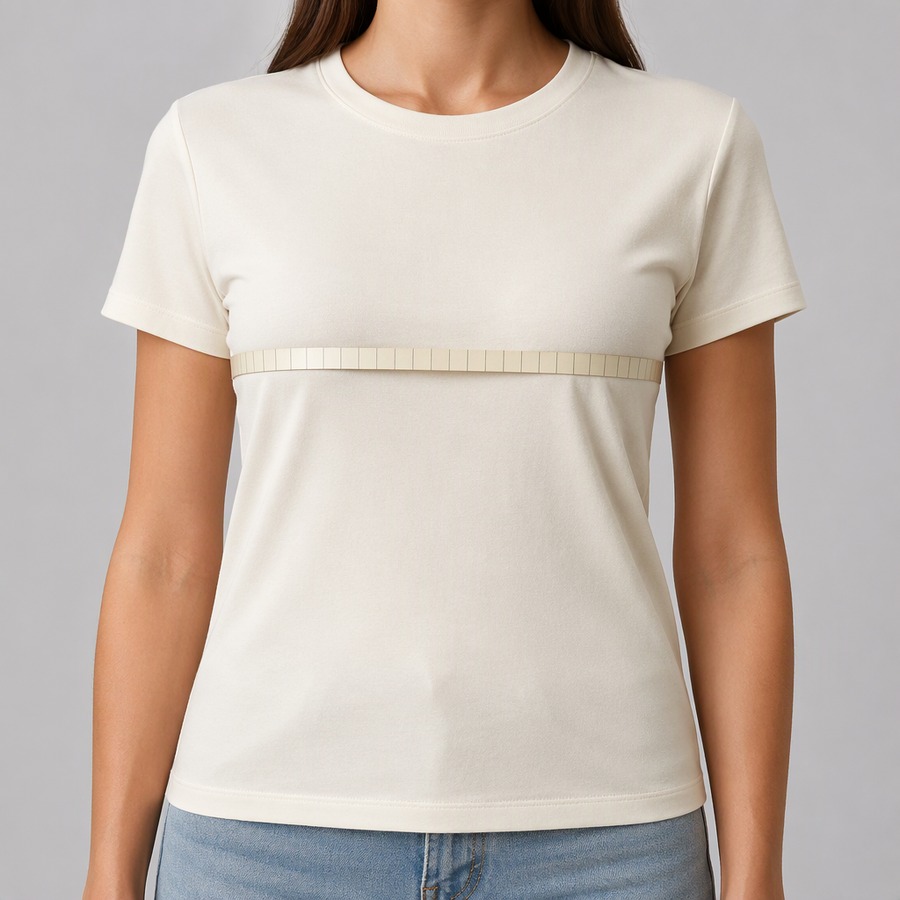
Confirm the space around the bust and body rather than assuming the same measurements create the same fit.
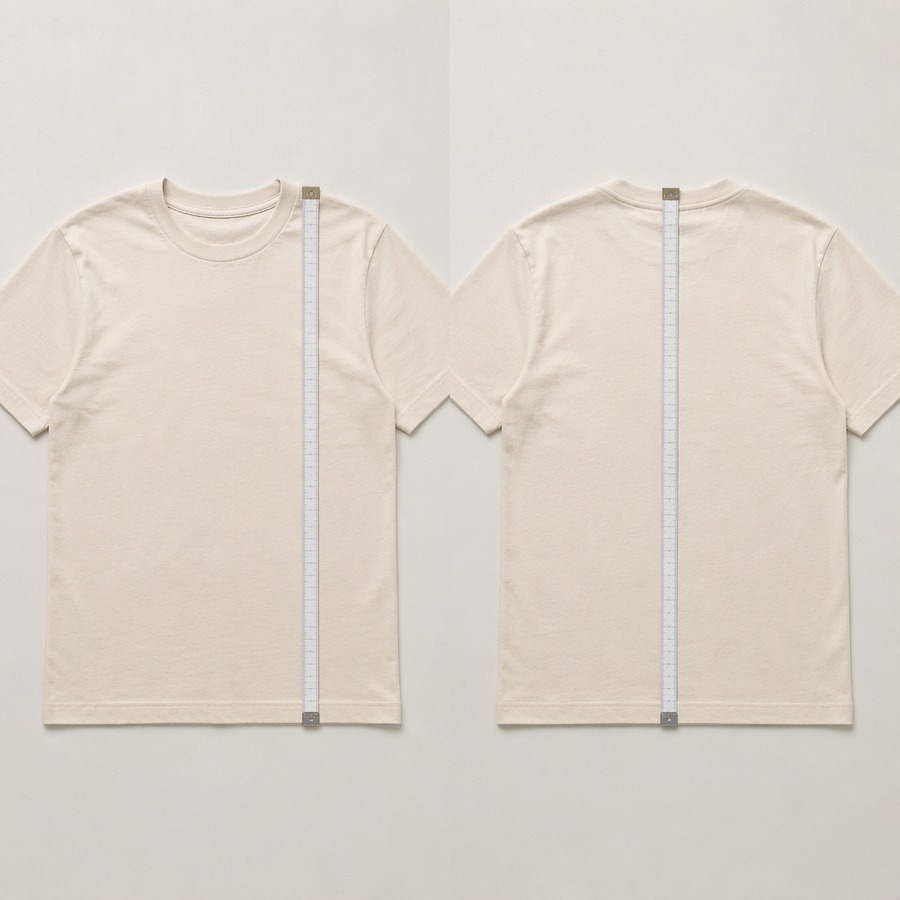
Review front and back length after hanging, wearing and the agreed care procedure.
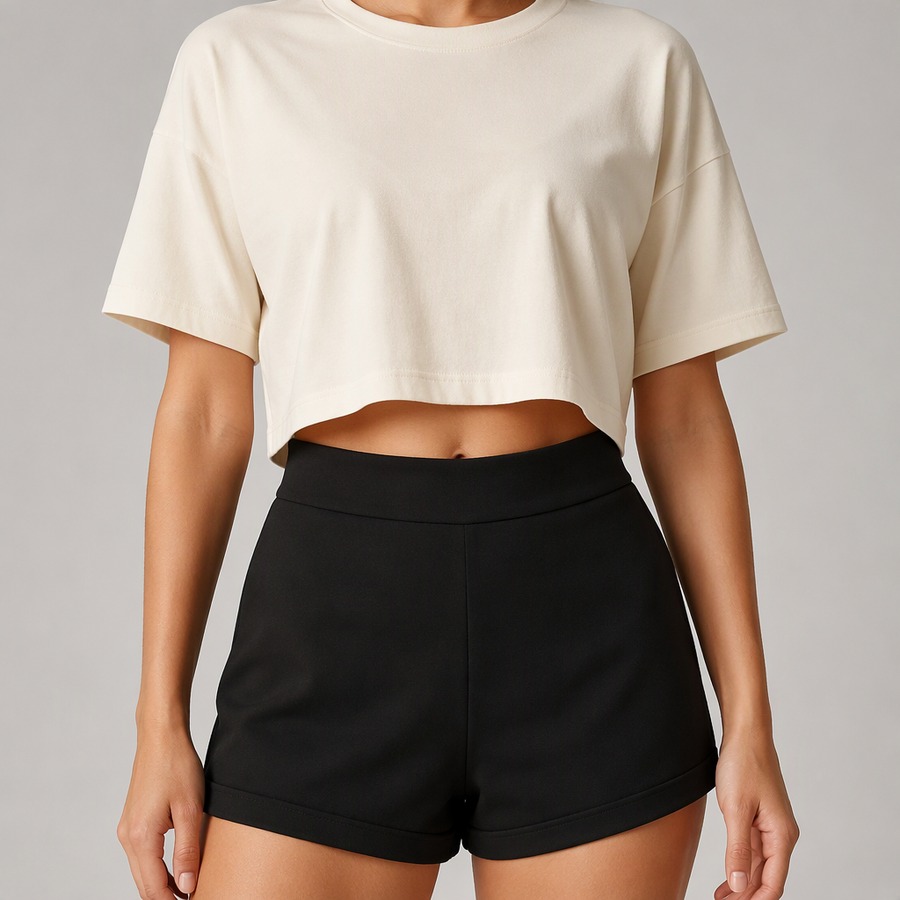
Check the cropped hem position with the intended bottoms and movement. Keep the design brief consistent across fabric options.
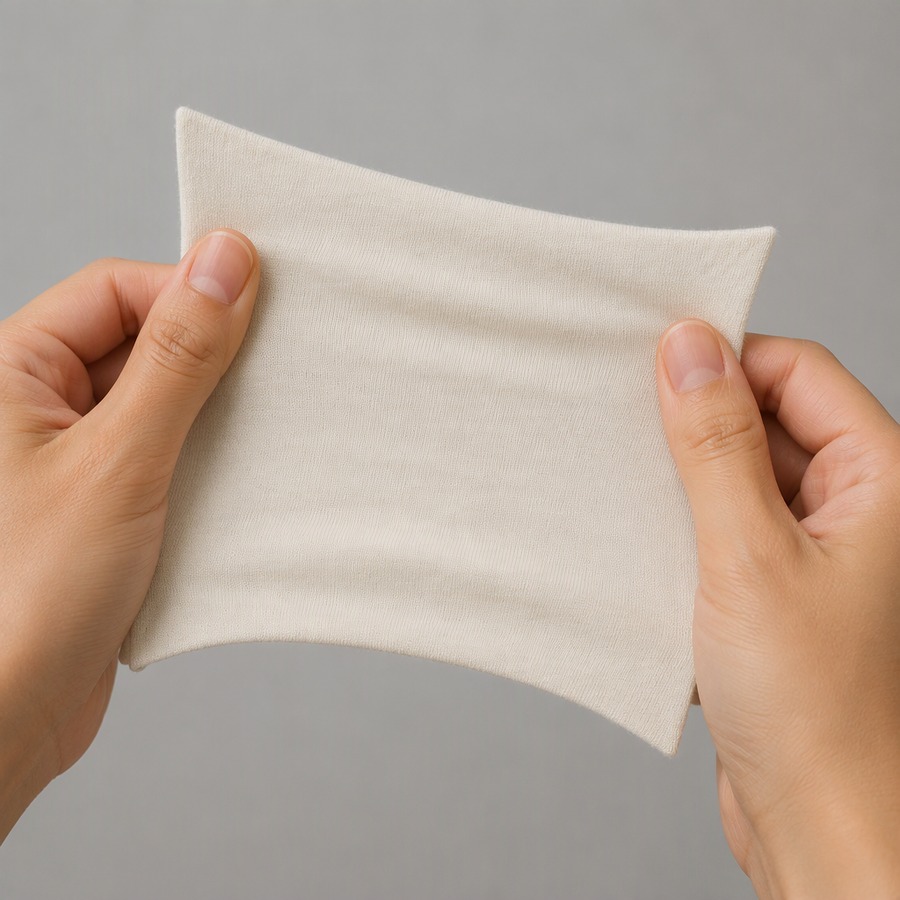
Check how the selected fabric stretches across the garment and whether this supports the intended movement and fit.
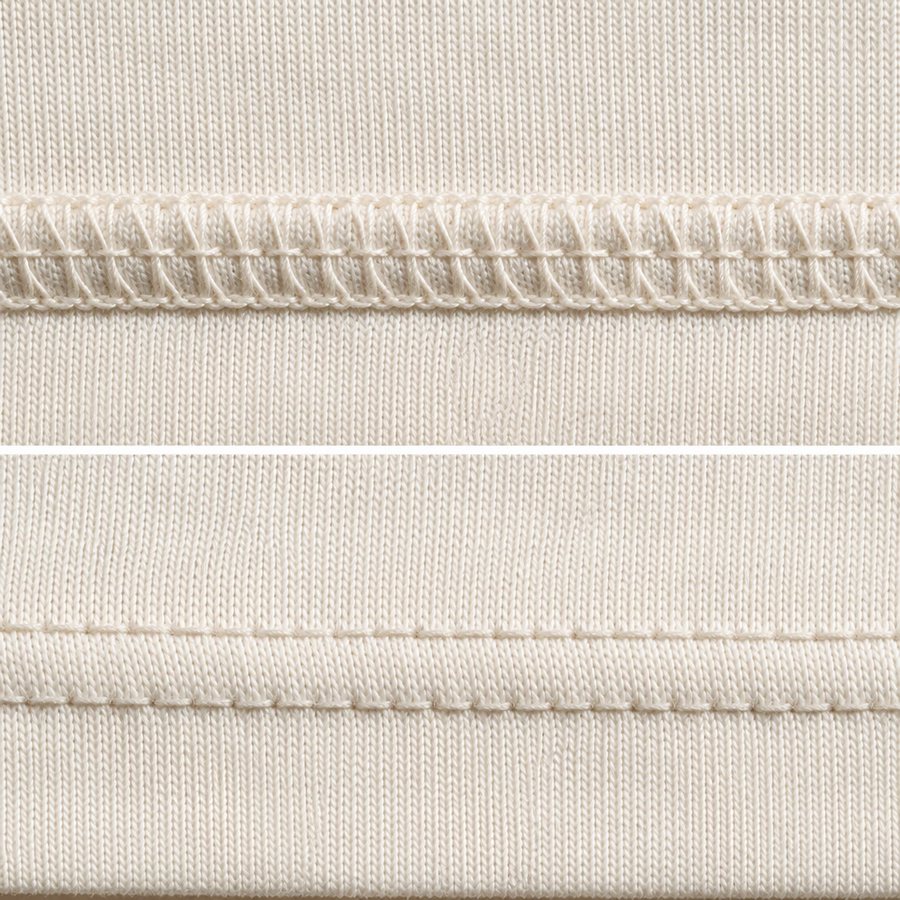
Choose seams for the actual thickness, stretch and appearance requirement. Confirm the result on a sewn sample.
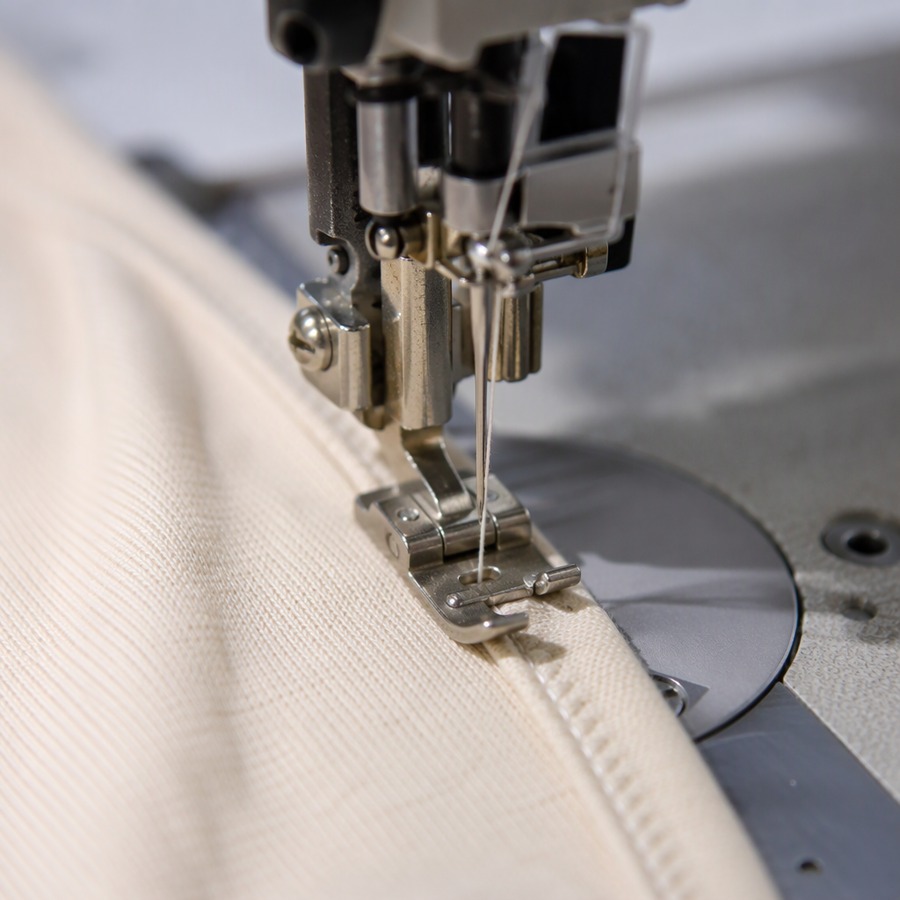
Review puckering, seam extension and fabric feed. Adjust sewing settings for the approved material.
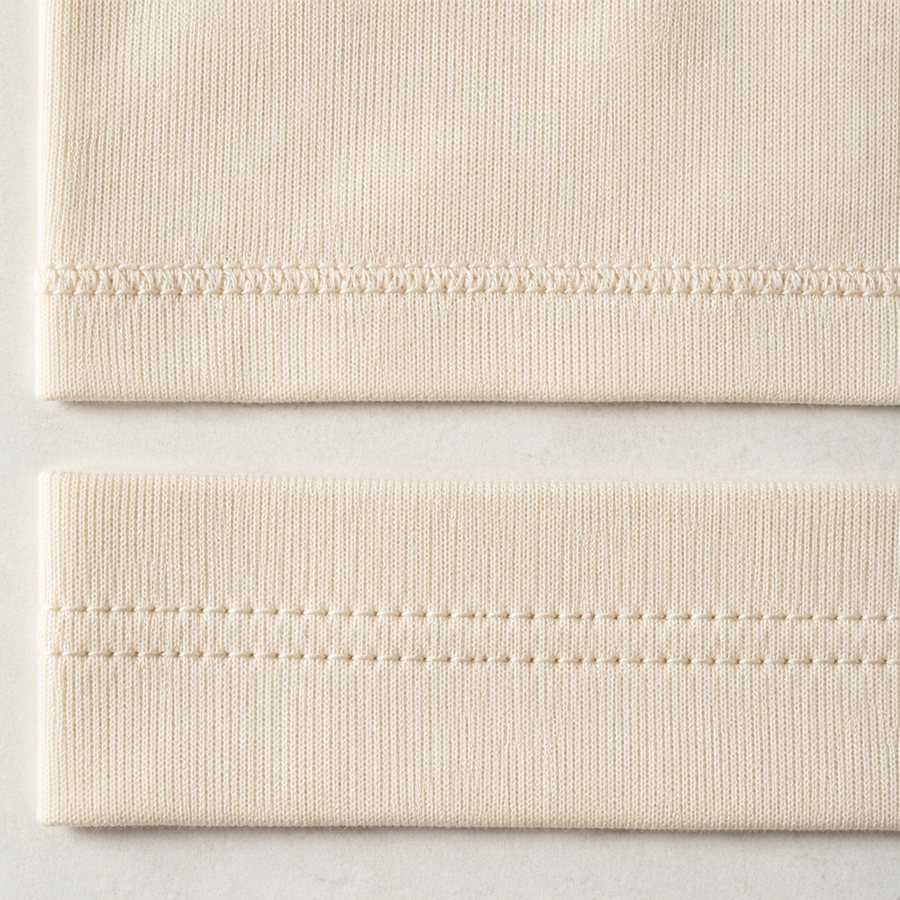
Compare hem depth, stitch appearance and weight so the bottom edge works with the selected fabric.
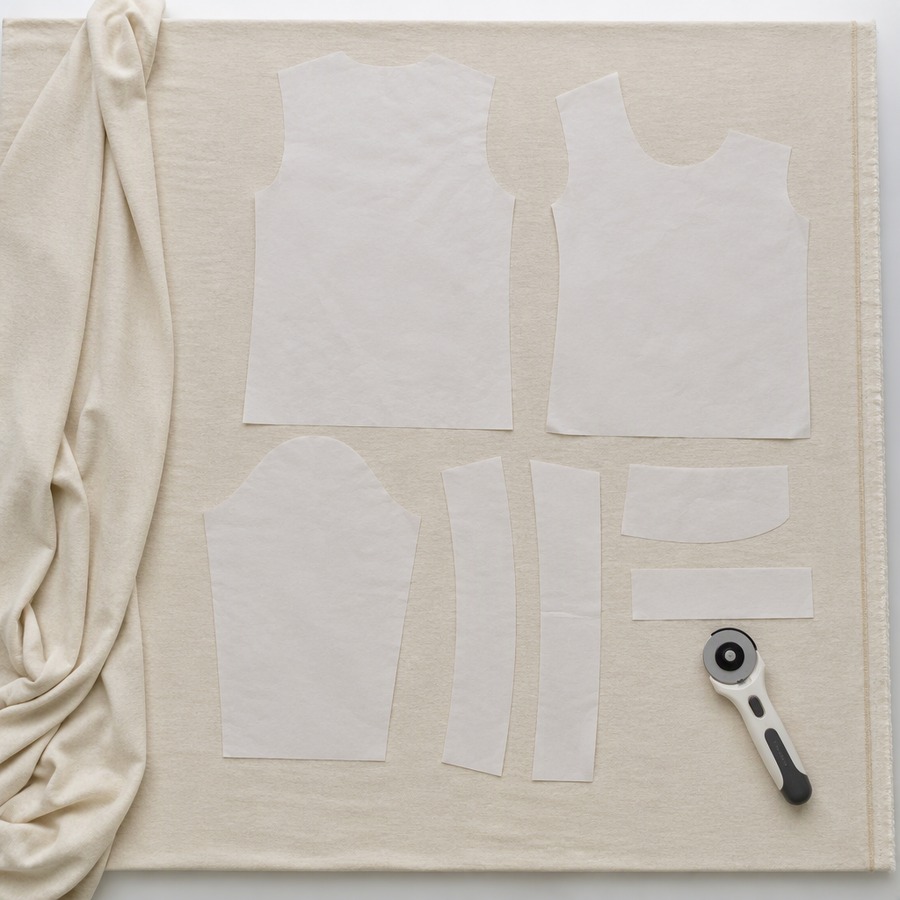
Confirm fabric direction and layout requirements before cutting. Review garment twisting and appearance where relevant.
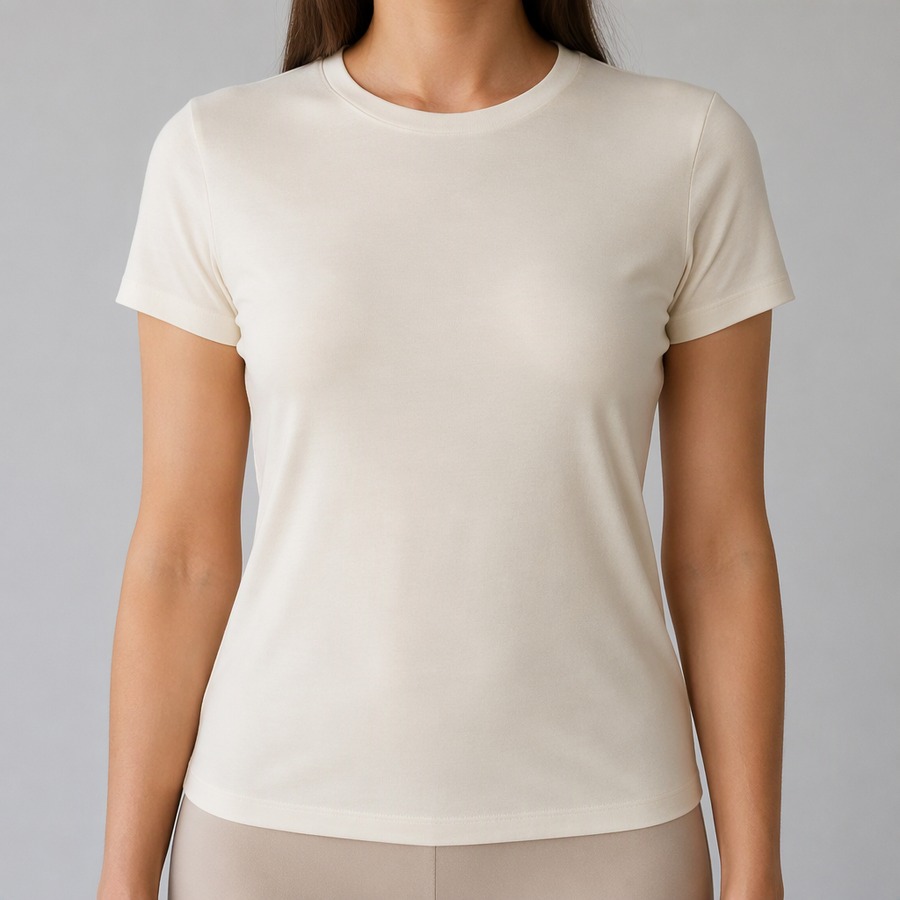
Review the actual color on the body and under intended wearing tension. Do not infer coverage from fabric weight alone.
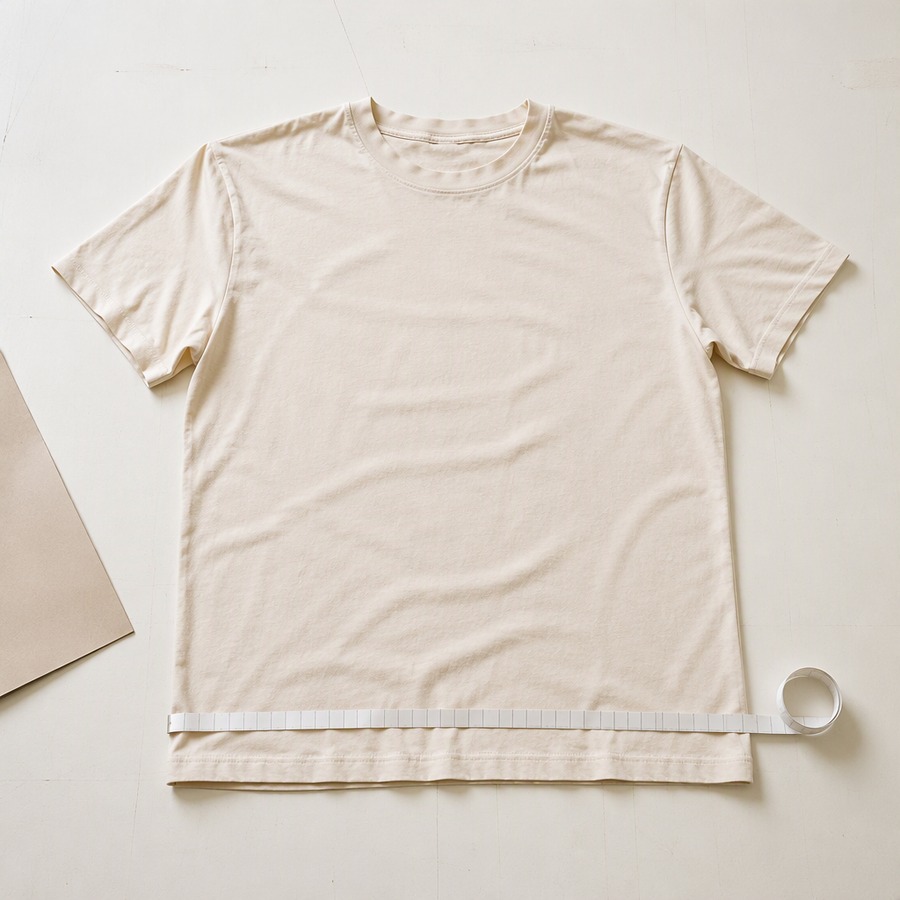
Record key measurements before and after the agreed care method. Review changes before approving production.
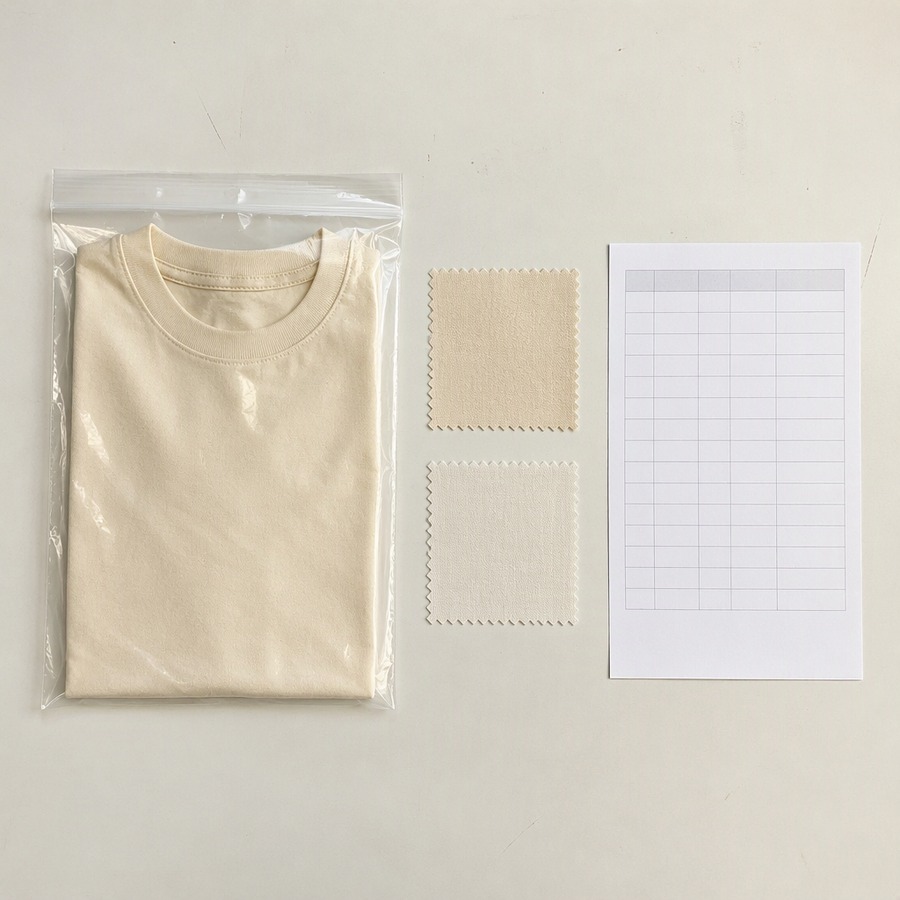
Approve the fabric version, dimensions, color and workmanship together so the production team has one clear reference.
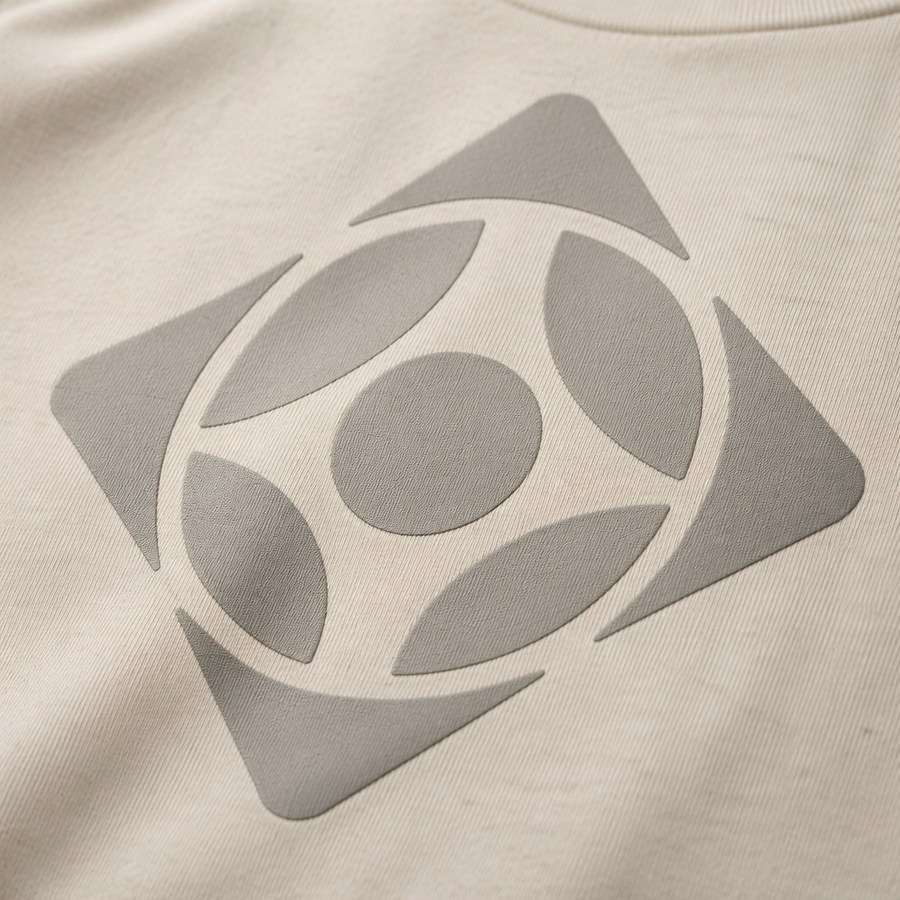
Test the selected transfer on the actual fabric for appearance, adhesion, flexibility and the agreed care method.
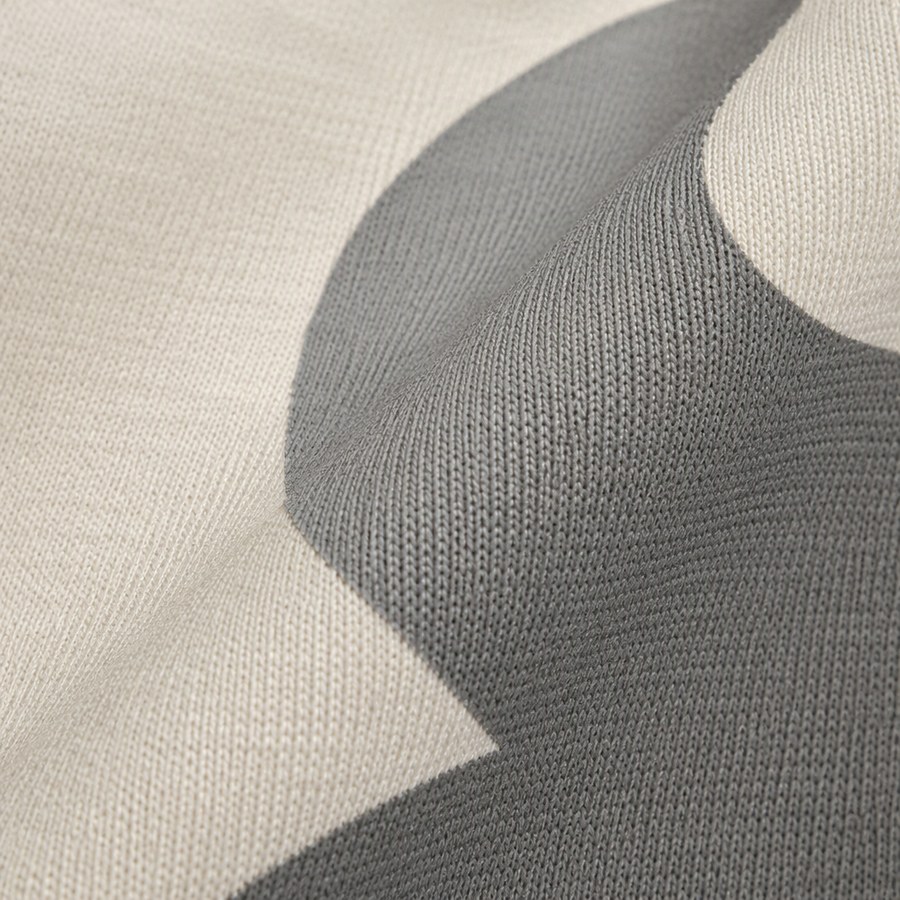
Review print coverage, touch and curing conditions against the selected fabric. Confirm the result on a decoration sample.
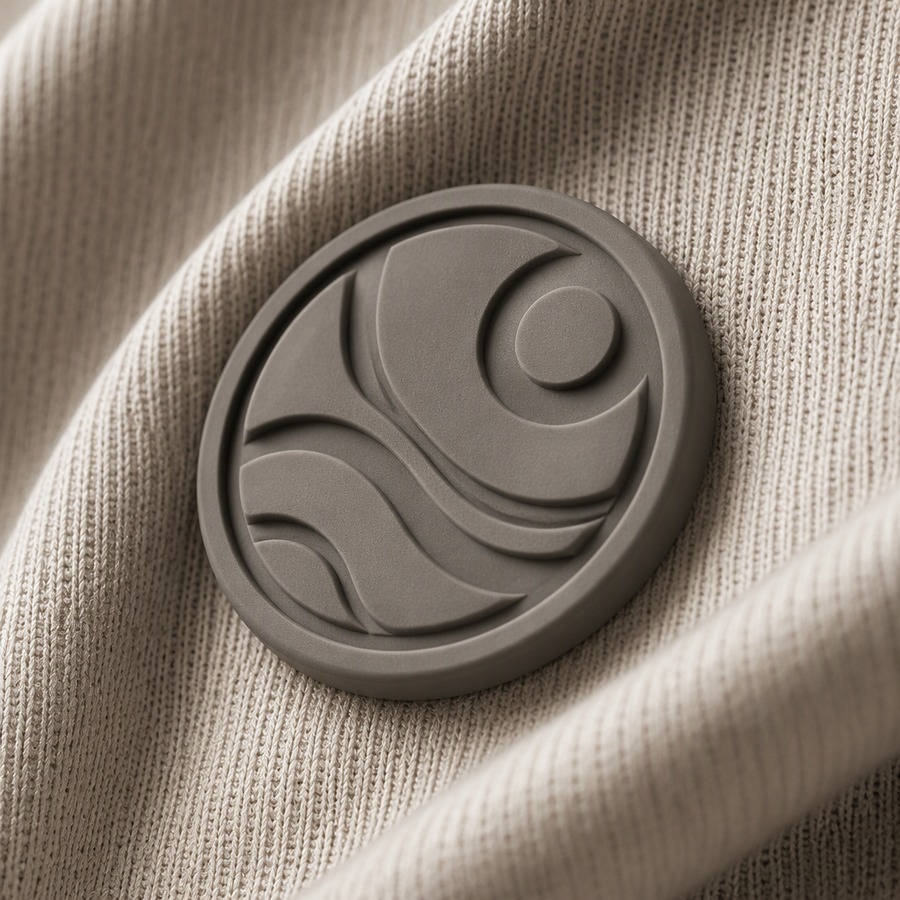
Review the weight, flexibility and attachment method so a dimensional logo does not distort the garment.
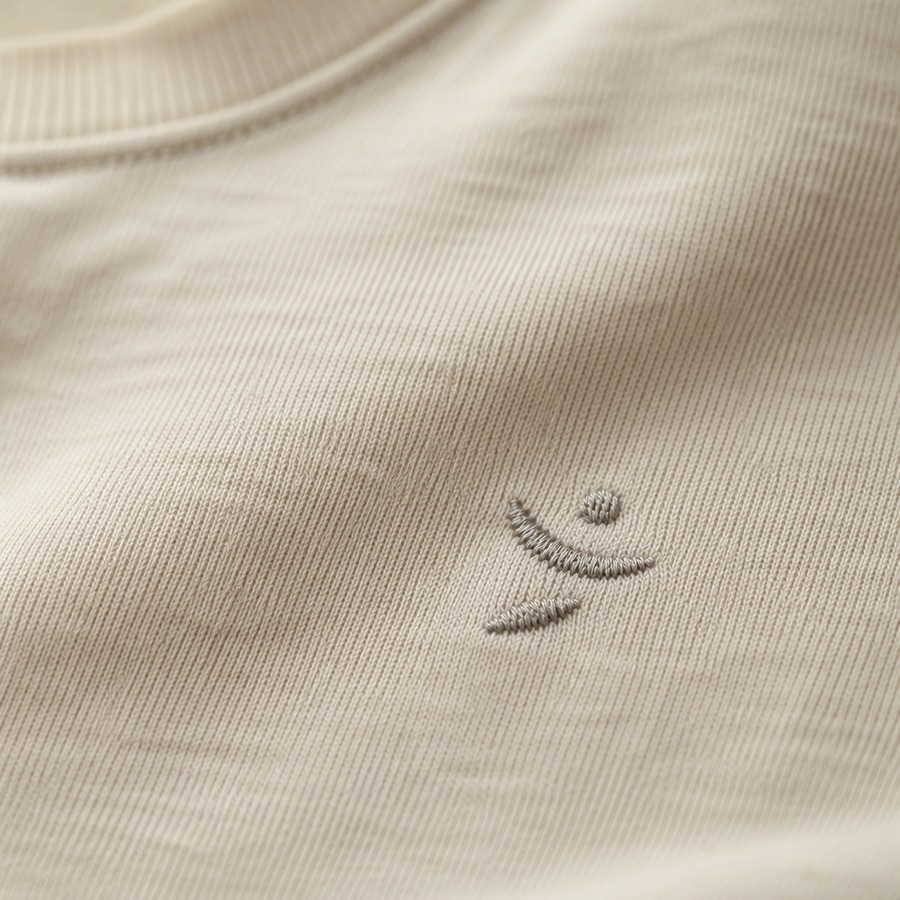
Check stitch density, backing and placement on the actual material. A lightweight top may need a different approach from a heavier one.
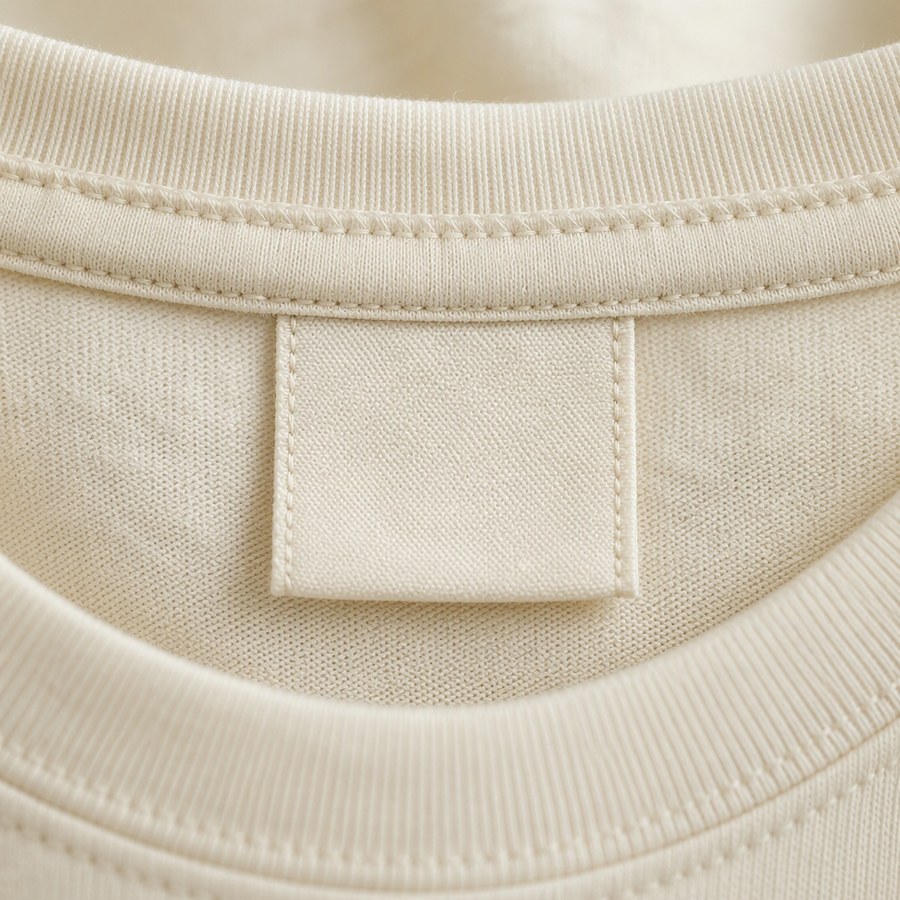
Choose label size, softness and position with the wearing surface and seam construction in mind.
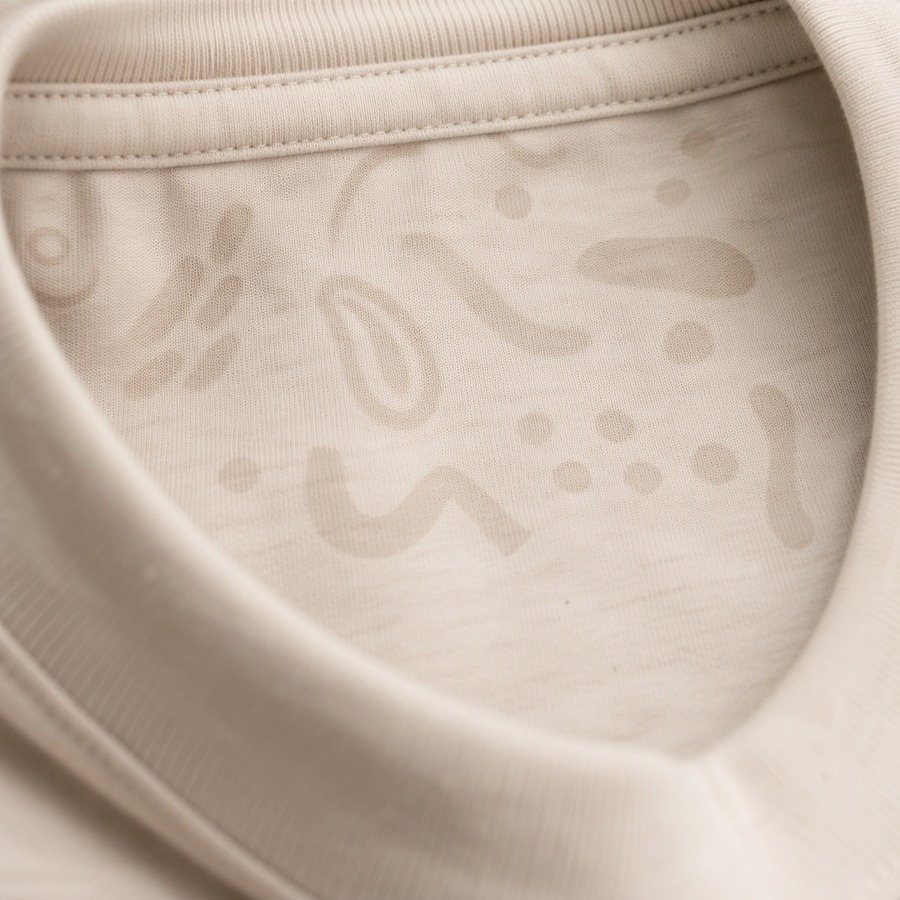
Review the print method and readability on each fabric version without assuming identical results.
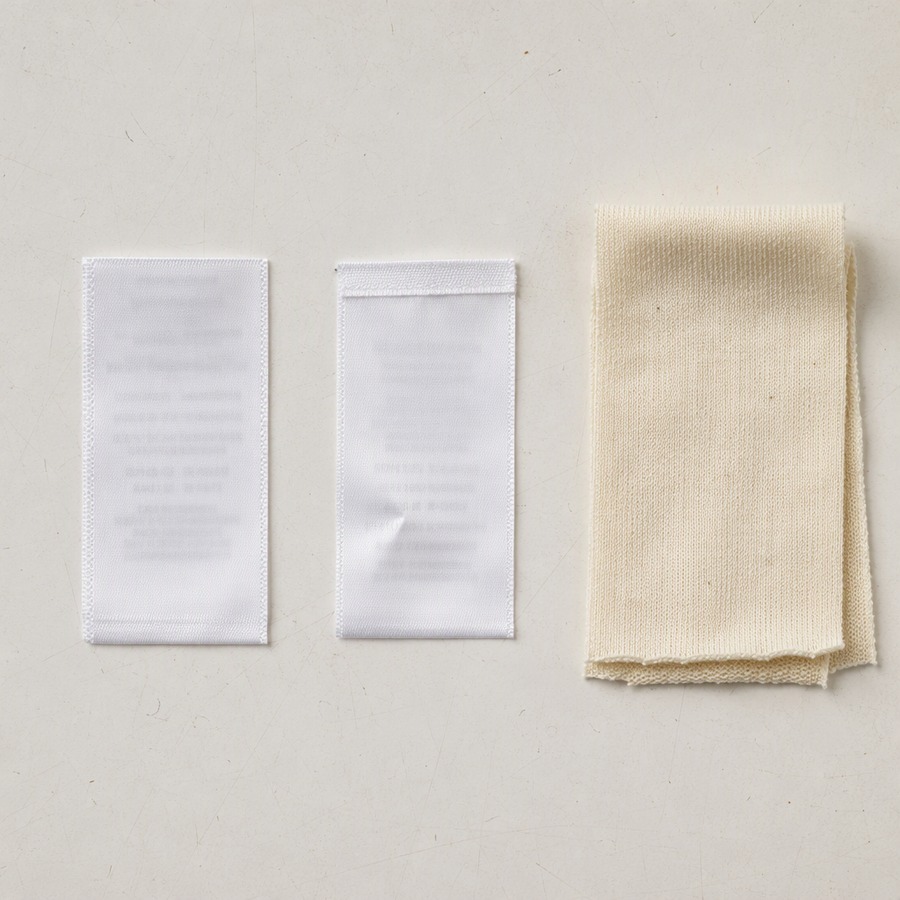
Use the confirmed composition for that version. Do not copy one material label across all four fabric directions.
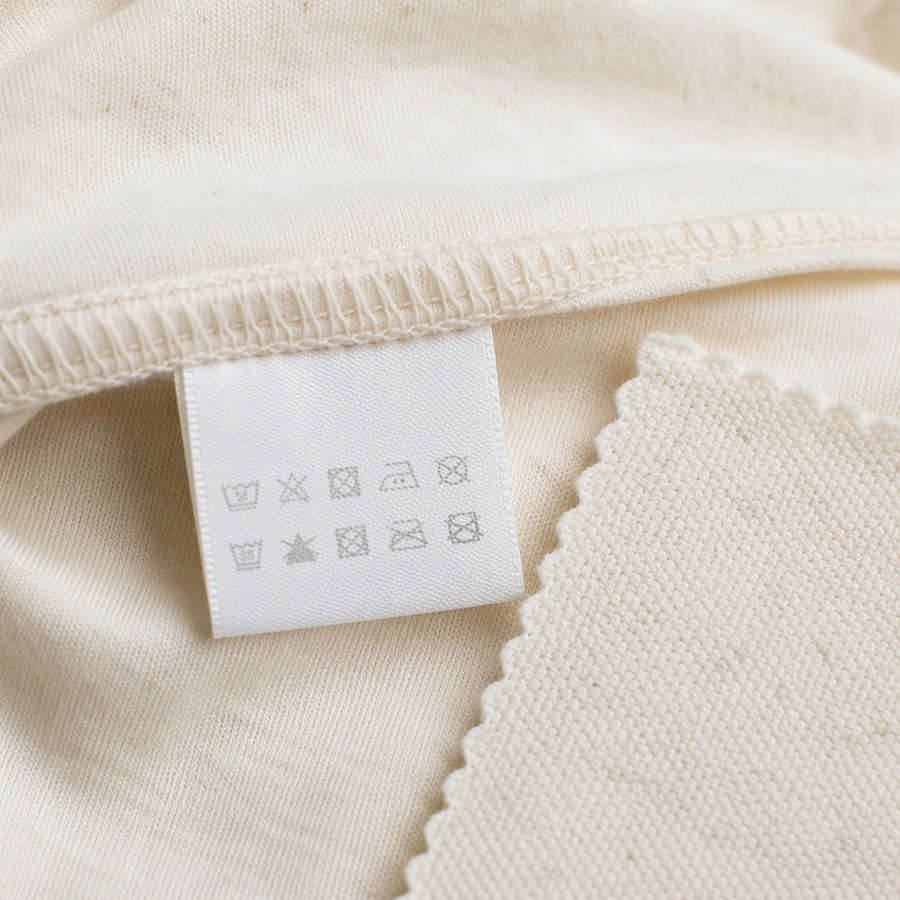
Set instructions from the approved material and garment review. Different versions may need different care directions.
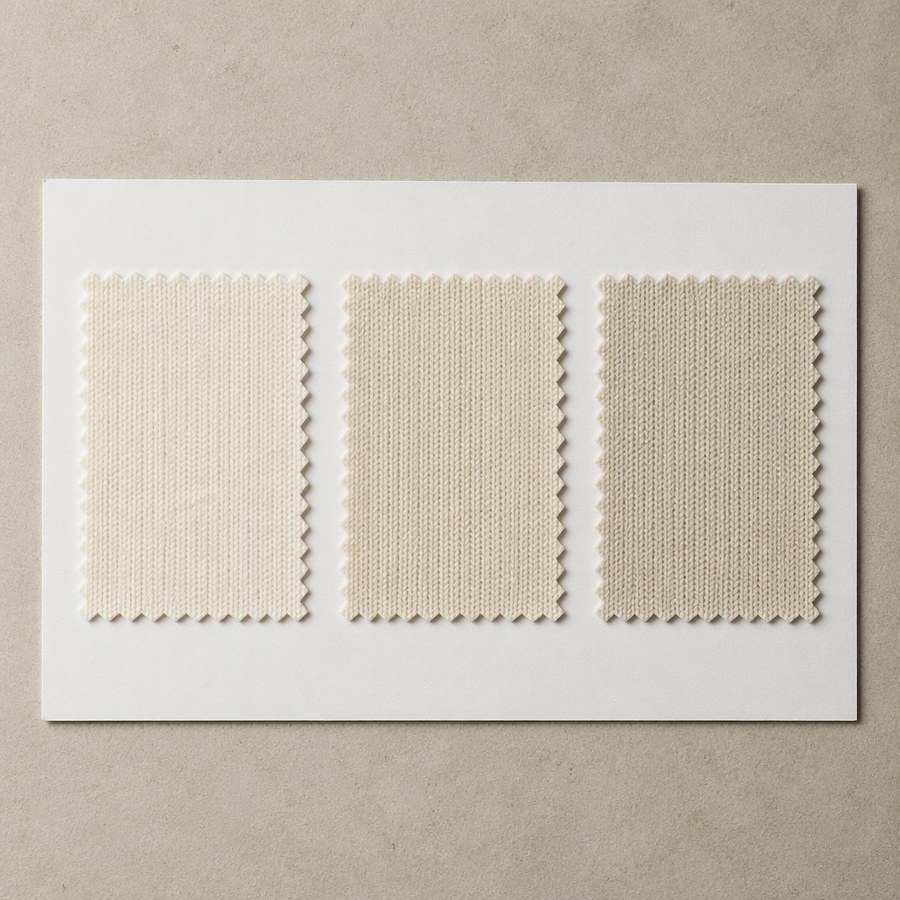
Approve each fabric base against the agreed physical reference and accepted shade limits.
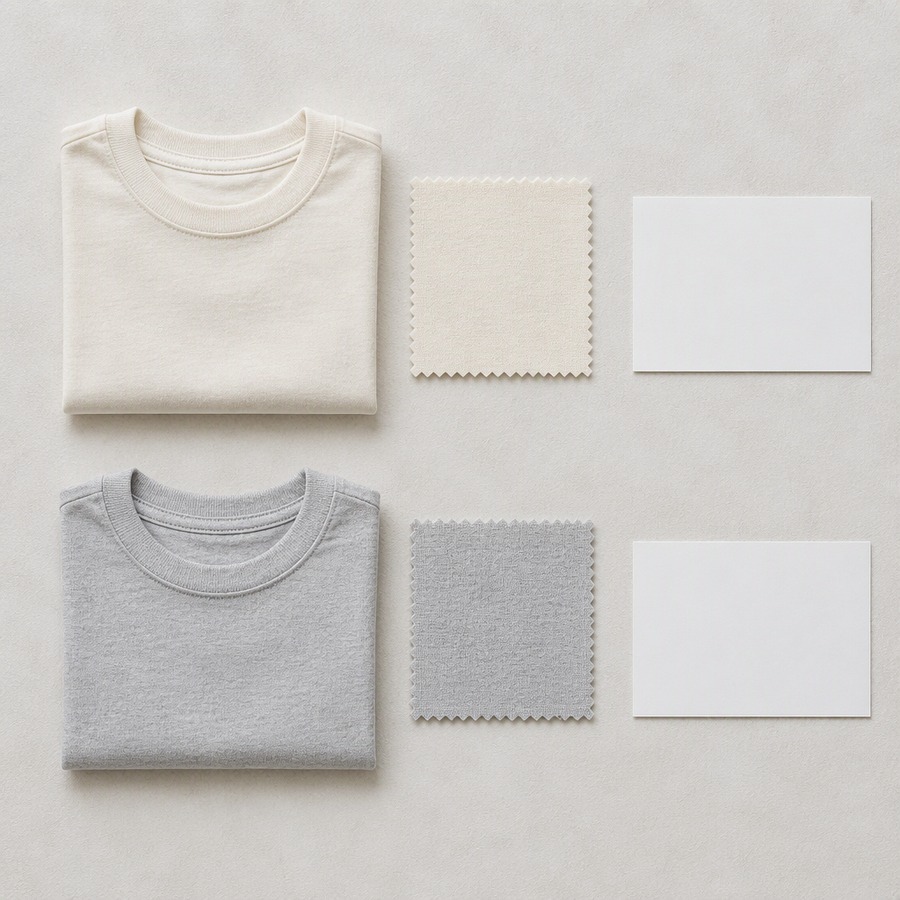
Use clear internal style and fabric references so samples, quotations and production versions cannot be confused.
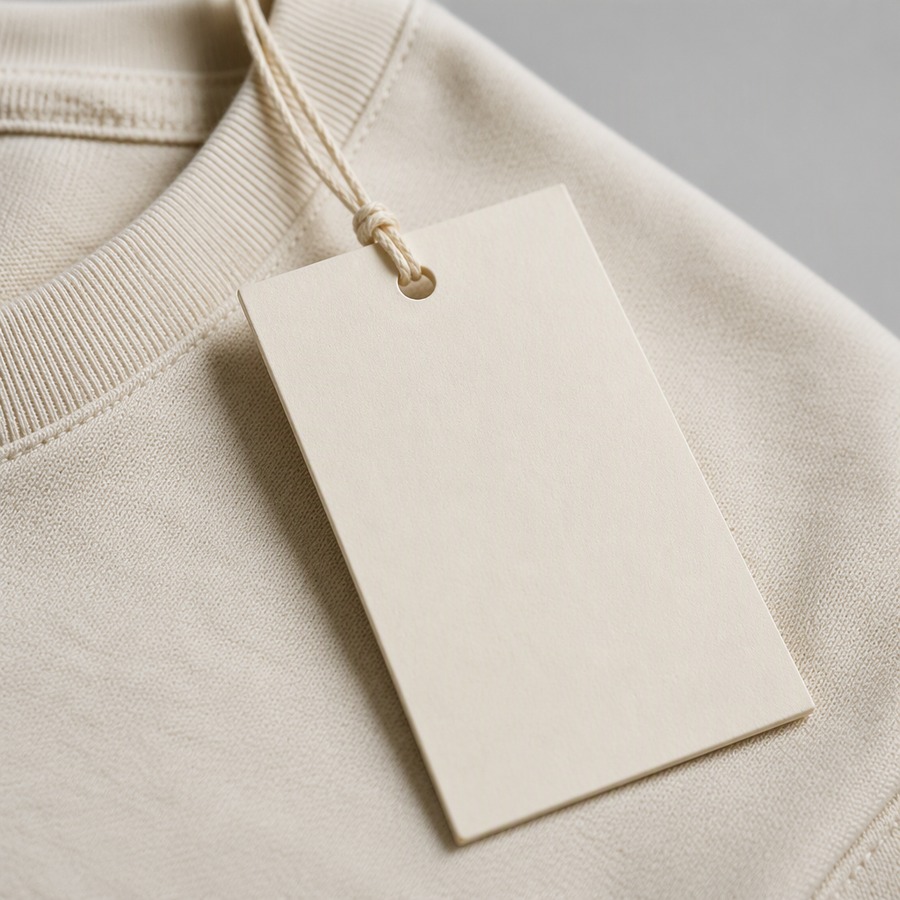
Describe the product using confirmed material facts. Avoid unsupported performance, fiber-brand or certification claims.
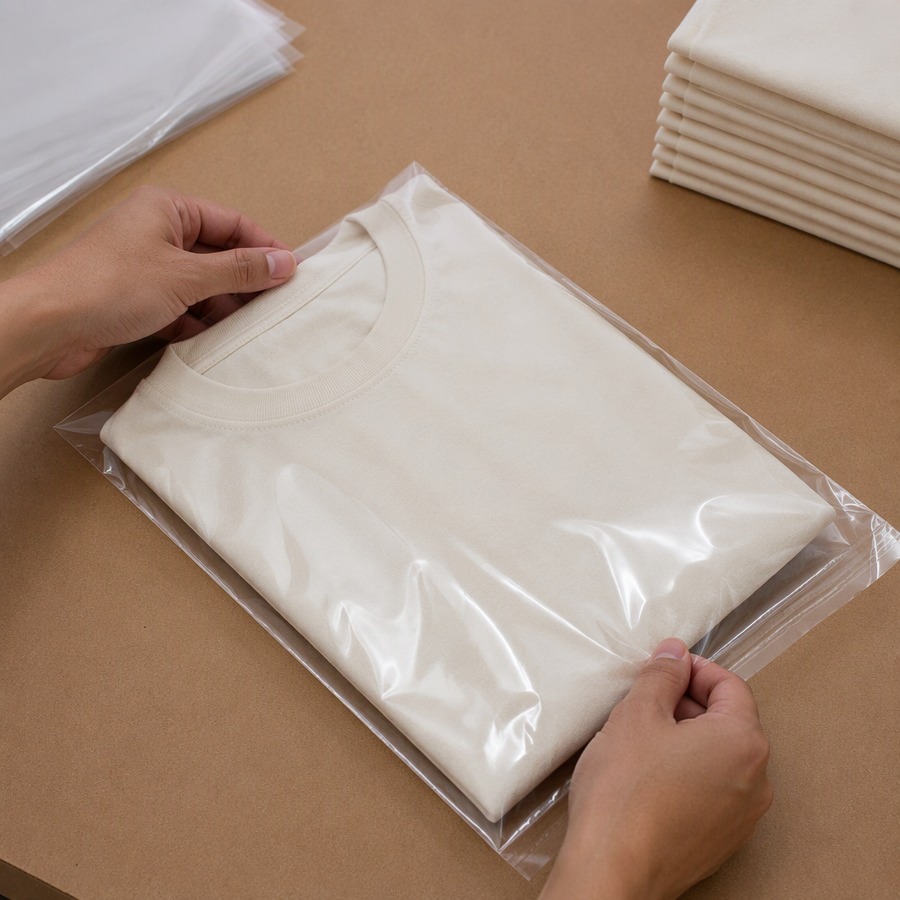
Confirm folding, packing, barcode and delivery requirements for the final garment version.
| Customer Problem | Possible Development Cause | What We Review | Sample Stage Action |
|---|---|---|---|
| The new version looks longer | Different drape, stretch or dimensional response | Hanging length, body balance and measurements | Revise length or pattern after a controlled comparison |
| The neckline gaps | Body fabric and binding are not balanced | Opening shape, trim and sewing tension | Test a revised binding or neckline specification |
| The shoulder drops differently | Fabric weight or stability differs | Shoulder position and support | Adjust the shoulder or stabilization method |
| The tank armhole pulls | Ease and fabric stretch do not match | Armhole shape, bust ease and movement | Revise pattern and repeat the fit review |
| The hem looks wavy | Hem construction and fabric feed are unsuitable | Stitching, tension and hem depth | Sew comparison samples with adjusted settings |
| A light color shows through | Actual coverage differs from expectations | Color, density, fit and wearing tension | Select another fabric option or revise the brief |
| The garment changes after washing | Care response was not accounted for | Agreed wash procedure and dimensions | Adjust the material, finish or pattern before approval |
| The side seam twists | Fabric or cutting behavior needs review | Fabric direction, layout and care response | Review fabric suitability and recut a sample |
| The logo distorts the top | Decoration is incompatible with the fabric | Method, weight, placement and care | Test another decoration specification |
| Two fabric versions do not match in color | Different fabric bases or finishes | Physical shade standards and approved samples | Approve each version under consistent viewing conditions |
| The quotation difference is unclear | Cost assumptions are not aligned | Material, usage, sewing, quantity and decoration | Requote against a shared comparison brief |
| Bulk differs from the approved version | Material or approval references were not locked | Fabric identity, color, dimensions and workmanship | Confirm the pre-production reference and QC checkpoints |
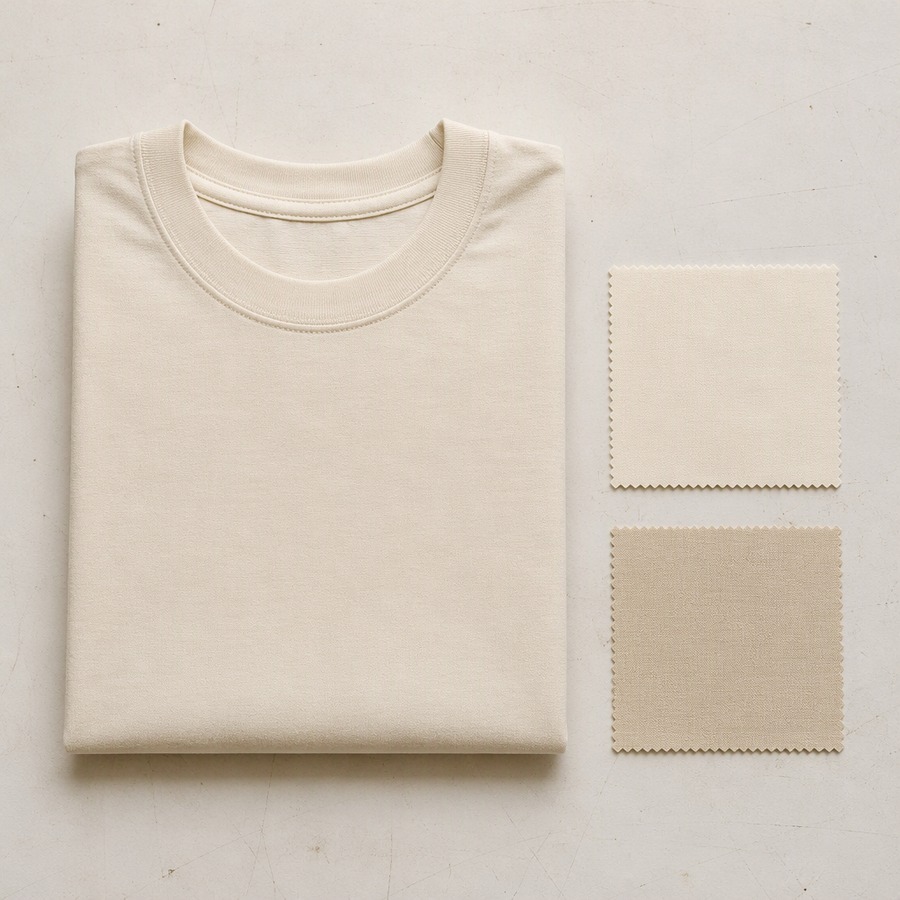
Send the current sample or tech pack, the material information and the change you want to achieve. We can review alternative fabric directions around the same design intent.
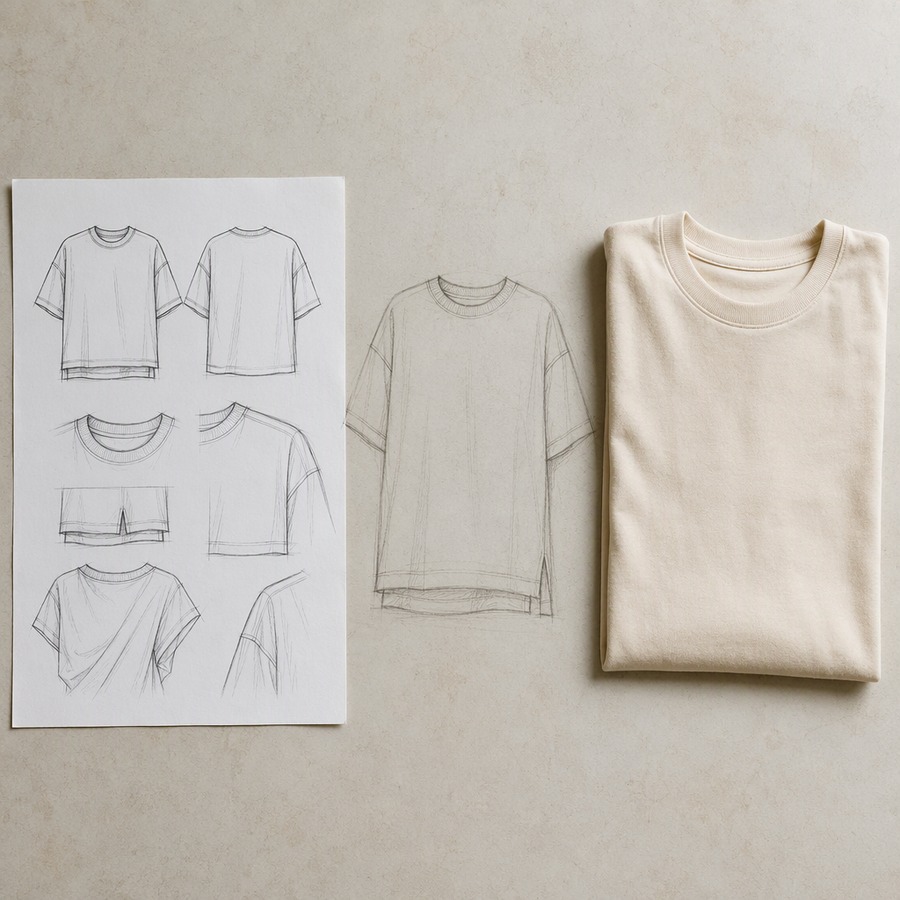
Share front, back and detail images, then describe the intended fit, use and target fabric feel. We can help turn the references into an ODM development brief.
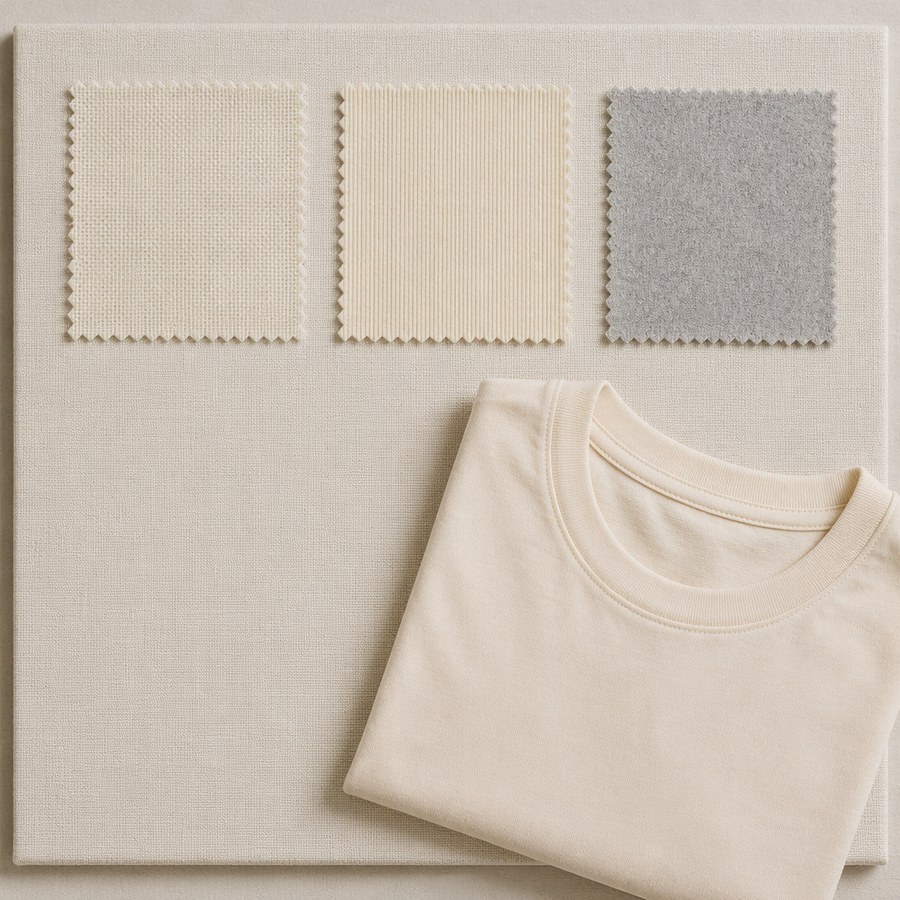
Tell us your target cost, expected quantity and physical handfeel reference if available. Compare feasible proposals under the same quotation assumptions.
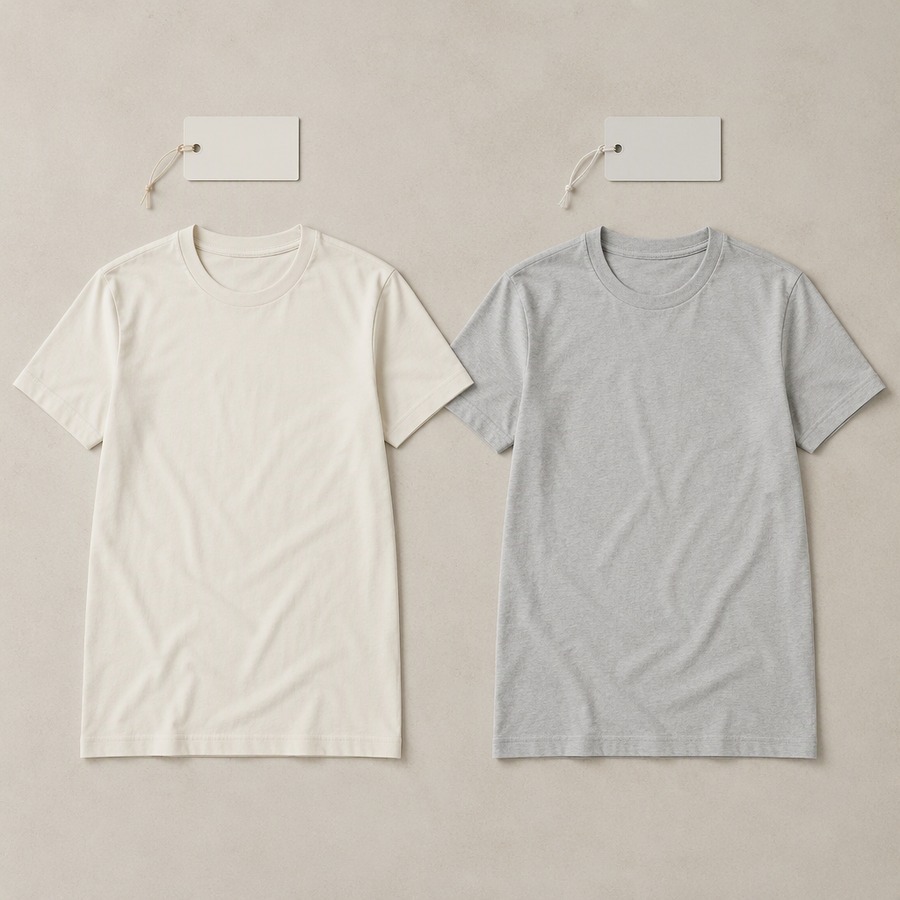
Define the shared silhouette and the differences each version should deliver. Review material, construction and sample results before choosing the two product positions.
Yes. The same design intent can be reviewed with different fabric proposals, including lyocell, modal, viscose and selected lightweight wool blends. Each option must be checked for availability and suitability. Keep the silhouette as a shared reference, then compare the actual fabric, fit, construction and care response. This does not mean all versions use an identical pattern or have identical performance.
It often does. Drape, stretch, recovery and care response can change the way the same measurements fit on the body. Review garment length, body ease, shoulders, armholes and neckline before approving the new version. The aim is to preserve the intended design while adapting the technical details to the selected material.
Compare confirmed fabric proposals rather than ranking fiber names. Ask for the full composition, construction, weight, finishing and actual swatch, then review samples in the same silhouette. Handfeel, garment appearance, care requirements and quotation conditions should be considered together. A fiber name alone does not establish product quality, price or suitability for a particular activity.
A selected lightweight wool blend can be reviewed where its specification and care requirements suit the intended use. Confirm the wool type, blend, weight, touch and material availability before sampling. Do not assume that every wool fabric is appropriate for warm weather, or describe the garment with temperature-control or odor claims without supporting evidence.
Share the design, use scenario, target feel and expected quantity so the team can review suitable swatch proposals. Physical swatches help narrow the material direction, but they do not replace a garment sample for fit, neckline, drape or care approval. The available swatches, charges and sampling arrangement are confirmed for the project.
They can be developed toward a shared color target, but the same dye reference may appear different on different fabric bases and finishes. Approve physical color references for each selected material under consistent viewing conditions. Confirm acceptable shade differences before bulk production rather than promising an exact visual match across all versions.
Fabric minimums, color choices, size breakdown, garment consumption, construction, decoration and order quantity can all affect the proposal. Different fabric versions may have separate material minimums and cost conditions. Share the expected quantity for each version so HUCAI Sportswear can confirm the applicable MOQ and quote against the same design brief. Do not assume one garment minimum can be divided freely across every material and color.
Send a tech pack, an existing sample or clear front and back references. Include the intended activity, target fit, material preferences, expected quantity, color plan, branding and target cost if available. Identify what should stay the same and what should improve between versions. For a completed design use the OEM route; for an early idea request ODM development support.