TO BE A LEADER OF SPORTSWEAR MANUFACTURER, CREATE MORE VALUES FOR SPORTS BRANDS
Custom Leggings Manufacturer for Women's Sportswear Brands
Who This ODM Service Is For
Private Label Buyers
Useful for buyers who need help turning reference styles into a more sellable sportswear capsule with clearer fabric, fit, color, and branding direction.Sports Bra Support-Level Product Lineup

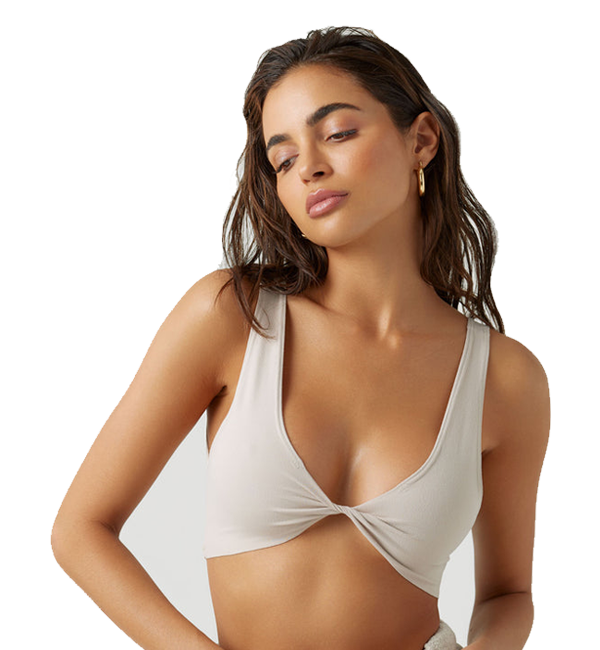
Low-Support Yoga Bra
A soft, flexible bra for yoga, pilates, stretching, and studio movement, focused on comfort, smooth coverage, and lighter support.

Studio Longline Bra
A longer-line bra style that can work as both support piece and light top, suitable for yoga, barre, pilates, and soft athleisure styling.

Medium-Support Training Bra
A balanced support style for gym training, strength sessions, and daily activewear, with more hold than yoga bras but less pressure than high-impact bras.

Racerback Sports Bra
A performance-friendly structure that supports shoulder movement, stronger hold, and a cleaner athletic look for training and studio collections.

High-Support Running Bra
A stronger support direction for higher-impact movement, with focus on coverage, underband stability, strap structure, and fabric recovery.

Adjustable Strap Bra
A more flexible fit option for brands that want better size adaptability, improved wearing comfort, and stronger support customization across body types.
Why Sports Bra Support-Level Planning Matters for Women's Sportswear Brands?
A sports bra collection becomes easier to develop, explain, and sell when each style has a clear support role instead of relying only on appearance.
For many women's sportswear brands, sports bra development becomes difficult when every style is treated as a visual design instead of a support product. A yoga bra, studio bra, training bra, and running bra should not share the same development logic.
Support-level planning helps brands define what each bra is supposed to do before sampling. Low-support bras need softness and comfort. Medium-support bras need balanced hold and movement. High-support bras need stronger structure, better coverage, and more stable fabric recovery.
This direction is especially useful for brands that want to build a more professional sports bra line. Instead of launching random bra styles, buyers can organize their collection by activity, support level, body coverage, strap structure, fabric behavior, and sample review priorities.
Before Sampling Leggings, Buyers Should Confirm
1. Product Role
Define whether the leggings are for yoga, studio, training, sculpting, or everyday movement. This affects fabric direction, construction balance, and how the product should feel in wear.
2. Silhouette & Length
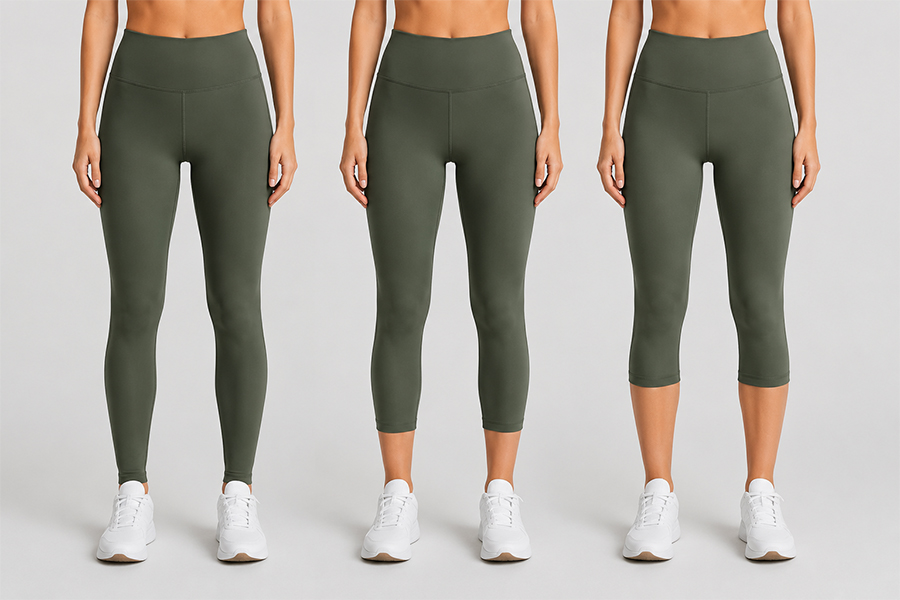
Confirm the intended silhouette early: full length, 7/8 length, flare, no-front-seam, or pocket leggings. A clear silhouette direction helps avoid unnecessary sample revisions.
3. Waistband Height & Hold Level
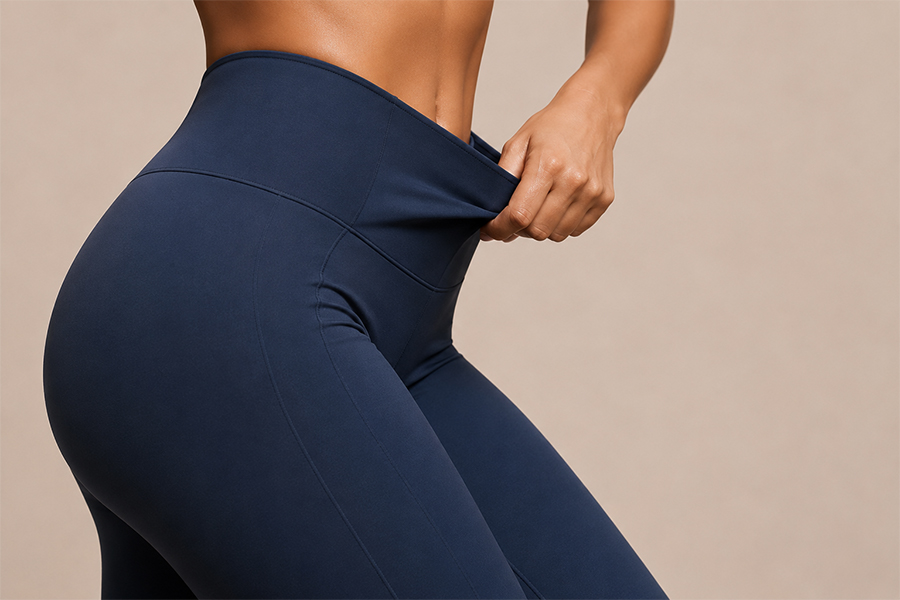
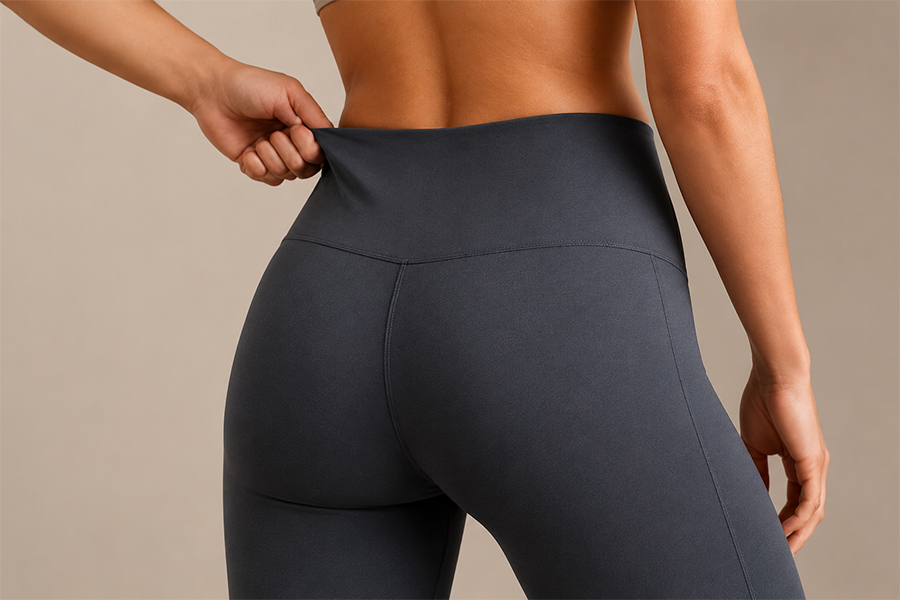
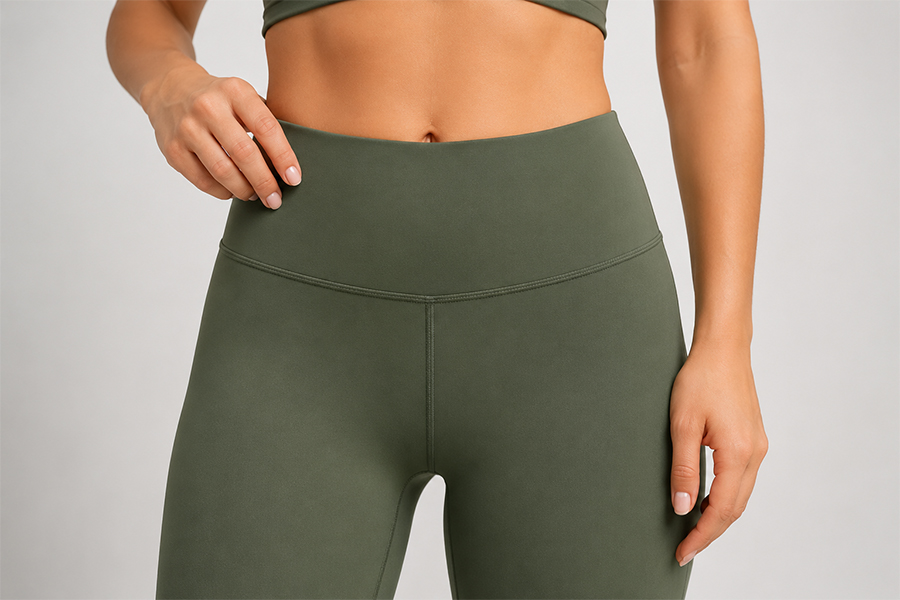
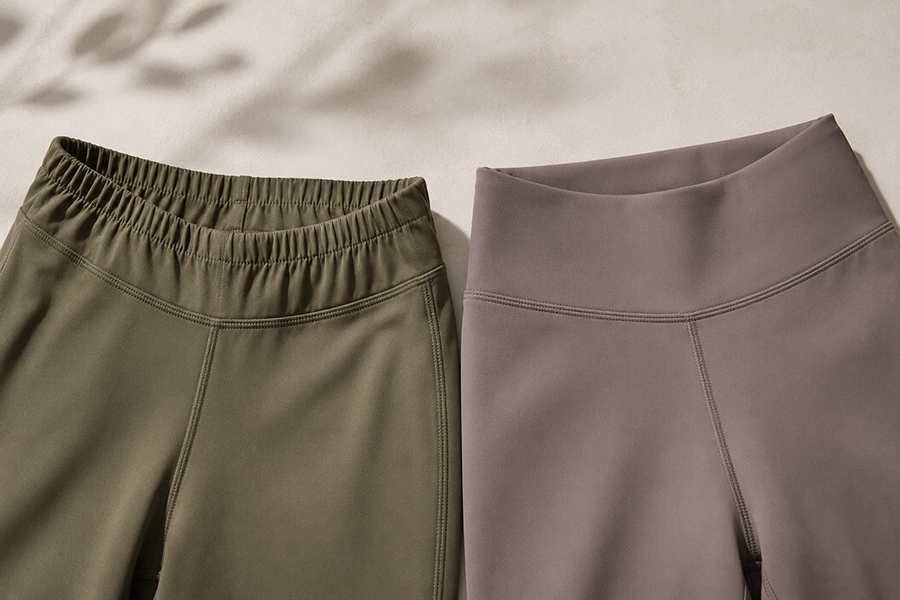
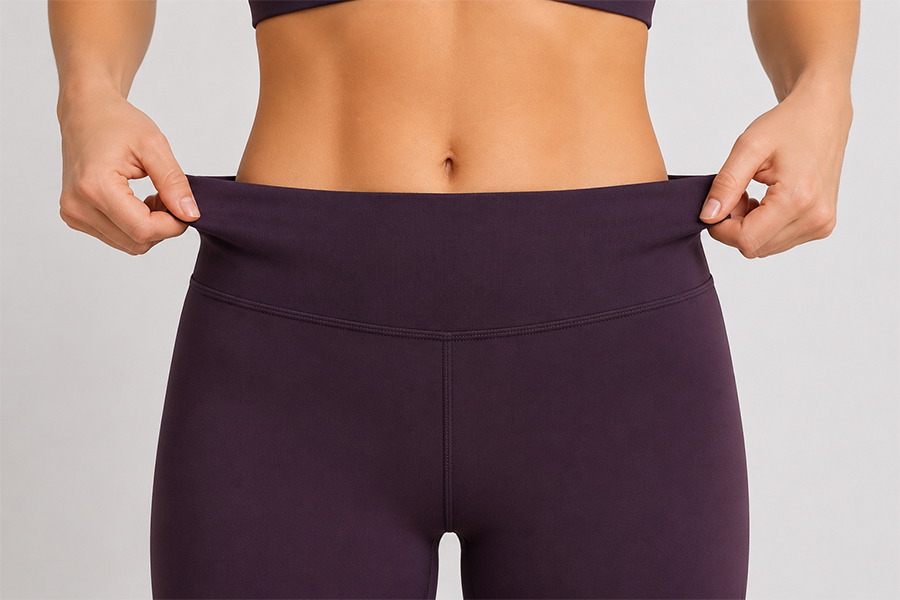
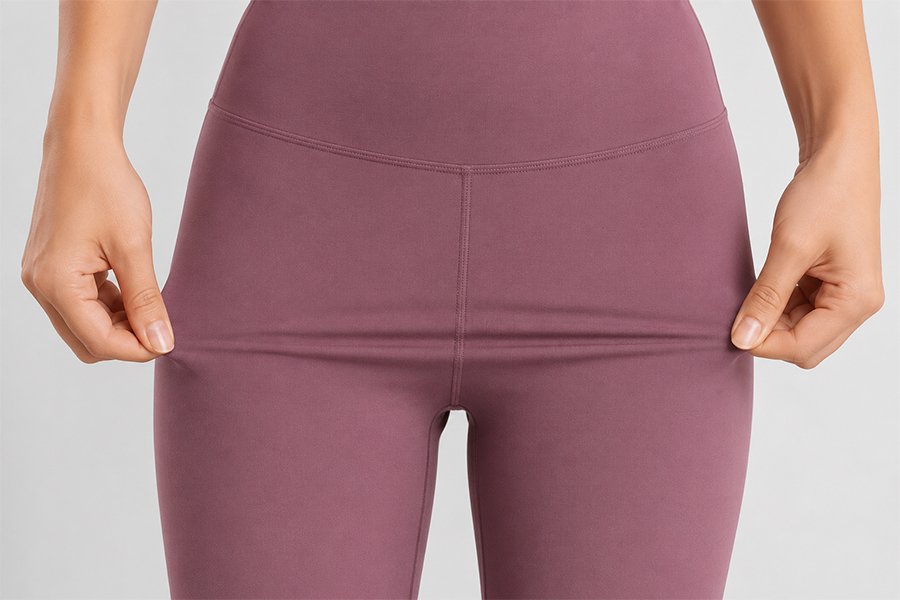
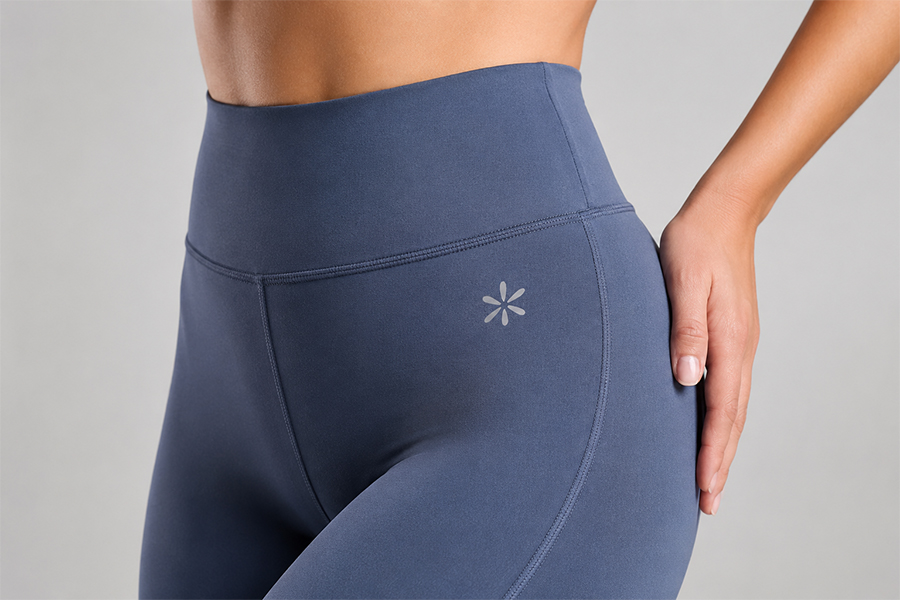
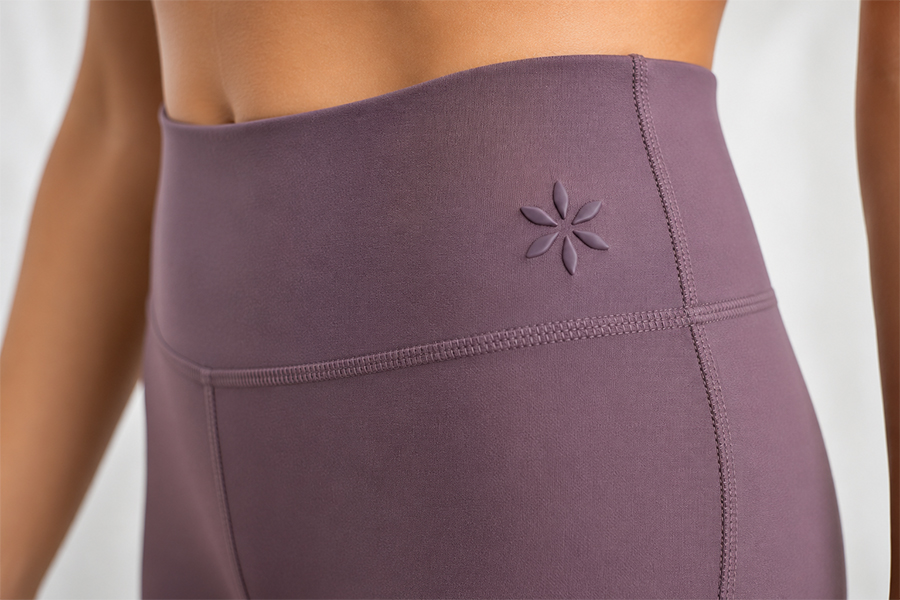
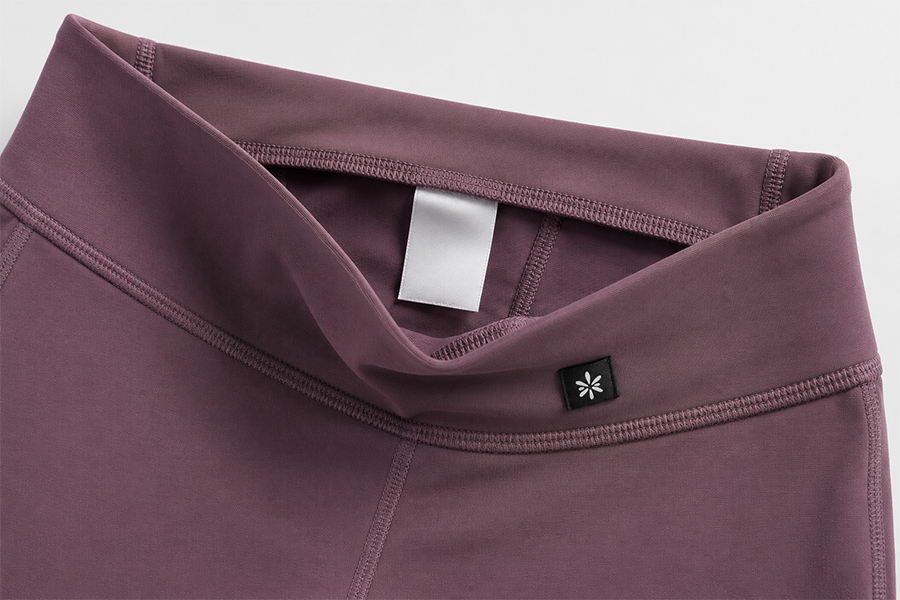
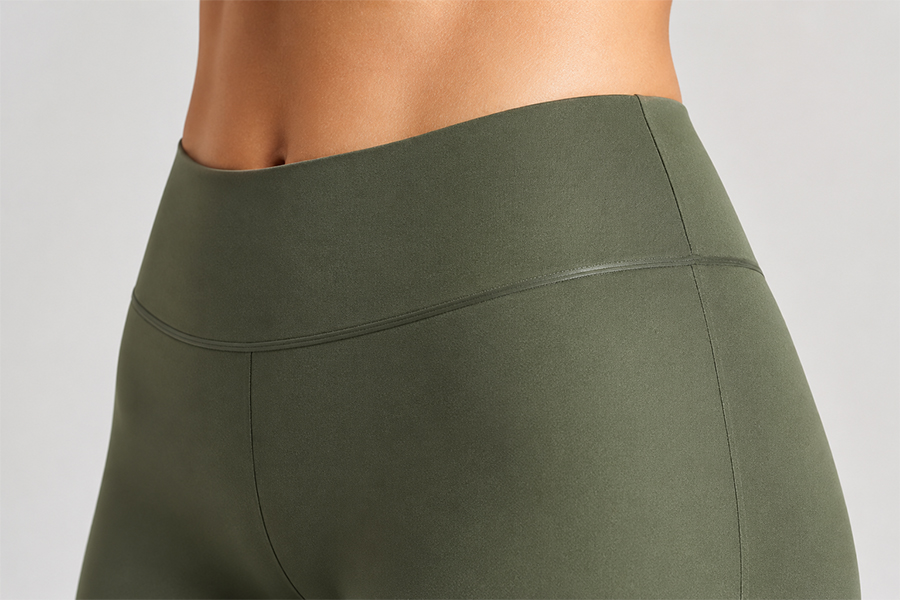
Buyers should confirm whether they want a softer waistband feel, stronger support, a higher rise, or a cleaner front look. Waistband decisions strongly affect fit perception and repeatability from sample to bulk.
4. Fabric Handfeel vs. Support
Soft-touch leggings and sculpting leggings should not be developed in the same way. Before sampling, it is important to decide whether comfort, compression, recovery, or visual shaping is the priority.
5. Coverage & Fit Expectations
Clarify the expected level of opacity, stretch recovery, and body coverage. For leggings, these points matter just as much as the visual look of the sample.
6. Single SKU or Matching-Set Program
Confirm whether the leggings will be sold alone or as part of a bra-led or matching-set-led women’s activewear collection. This influences color planning, fabric choices, and overall product positioning.

Custom Sports Bra & Legging
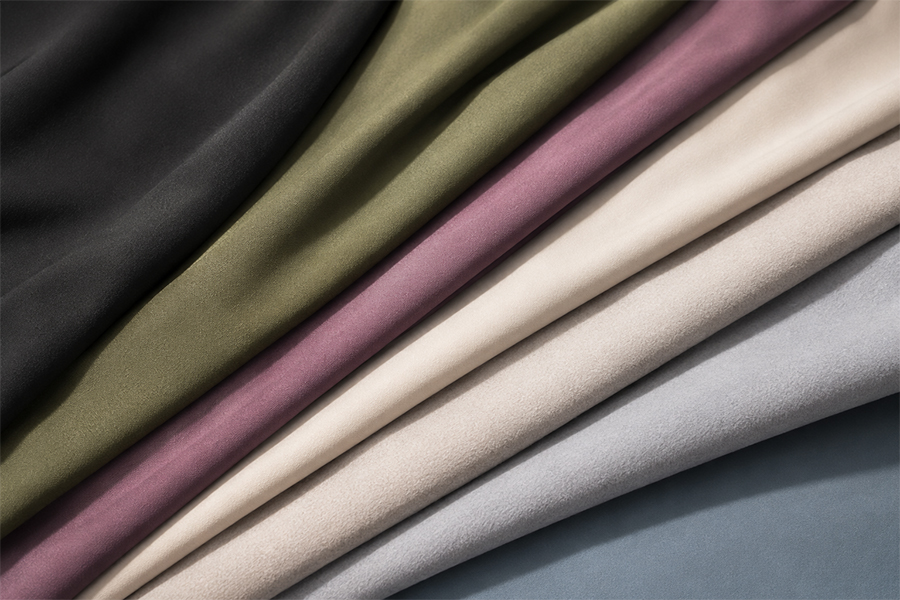
Ideal for light to moderate workouts, yoga and athleisure brands. It has excellent moisture-absorbing and sweat-wicking properties and is one of the fabrics most chosen by many sports brands.
Specifications: 73% polyester 27% spandex
Weight: 260gsm
A
Double-sided, high-stretch fabric ideal for heavy-duty workouts and fitness-related brands that require greater compression and superior moisture management. It keeps you in shape during any workout. One of the most selected fabrics to date for gym related brands.
Specifications: 73% polyester 28% spandex
Weight: 220-230gsm
B
A brushed, feel-free fabric, this buttery-soft fabric offers superior flexibility and moisture-wicking properties, and is nearly identical to LuluLemon's newest fabric.
Specifications: 70% polyester 30% spandex
Weight: 210gsm
C
Sports Bra Support-Level Product Lineup

Low-Support Yoga Bra
A soft, flexible bra for yoga, pilates, stretching, and studio movement, focused on comfort, smooth coverage, and lighter support.

Studio Longline Bra
A longer-line bra style that can work as both support piece and light top, suitable for yoga, barre, pilates, and soft athleisure styling.

Medium-Support Training Bra
A balanced support style for gym training, strength sessions, and daily activewear, with more hold than yoga bras but less pressure than high-impact bras.

Racerback Sports Bra
A performance-friendly structure that supports shoulder movement, stronger hold, and a cleaner athletic look for training and studio collections.

High-Support Running Bra
A stronger support direction for higher-impact movement, with focus on coverage, underband stability, strap structure, and fabric recovery.

Adjustable Strap Bra
A more flexible fit option for brands that want better size adaptability, improved wearing comfort, and stronger support customization across body types.
What Does HUCAI Offer as a Leggings Manufacturer?
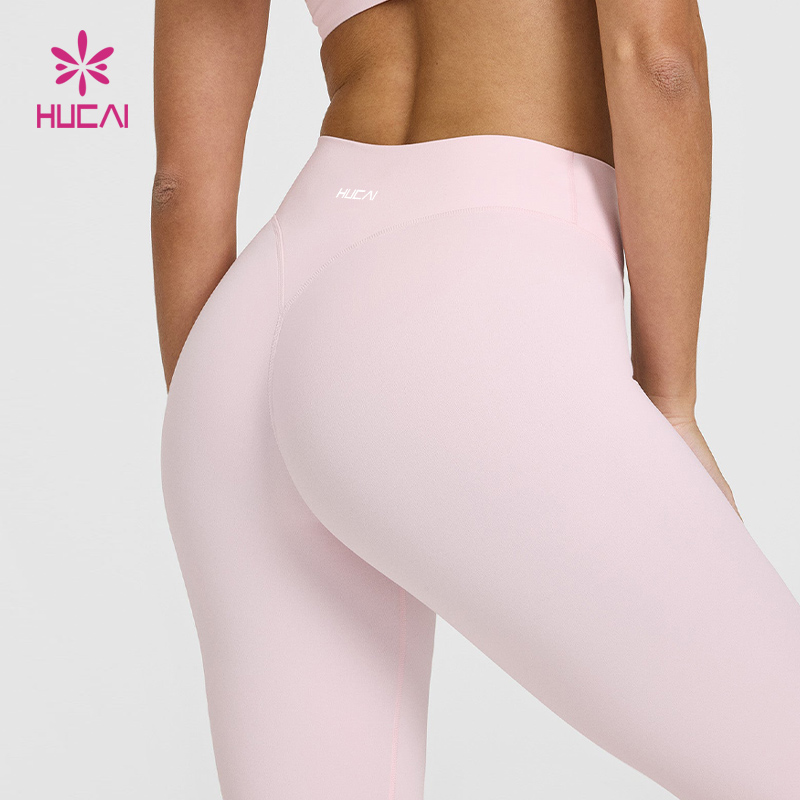
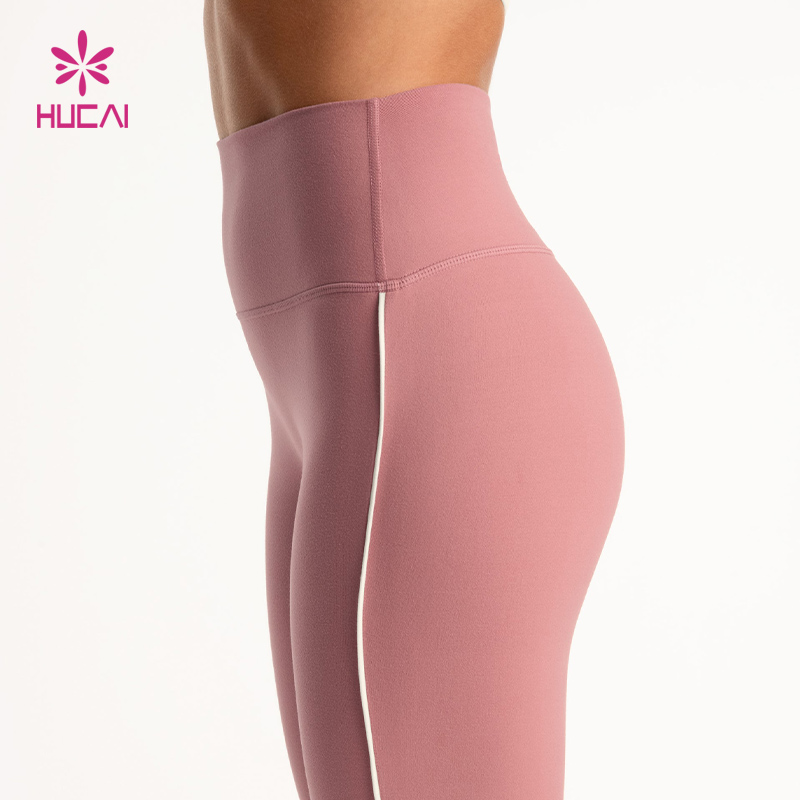
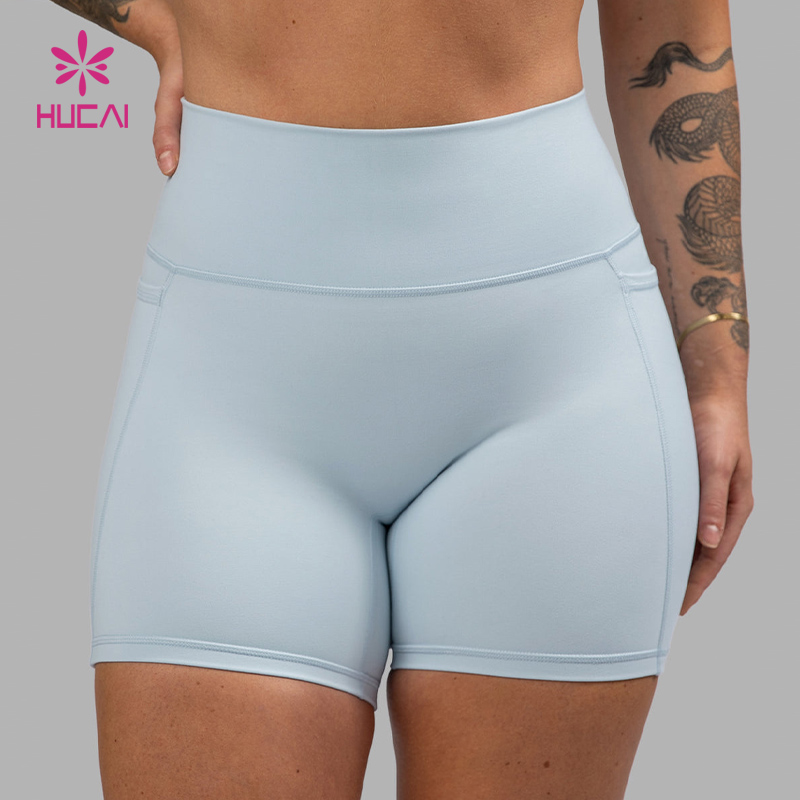
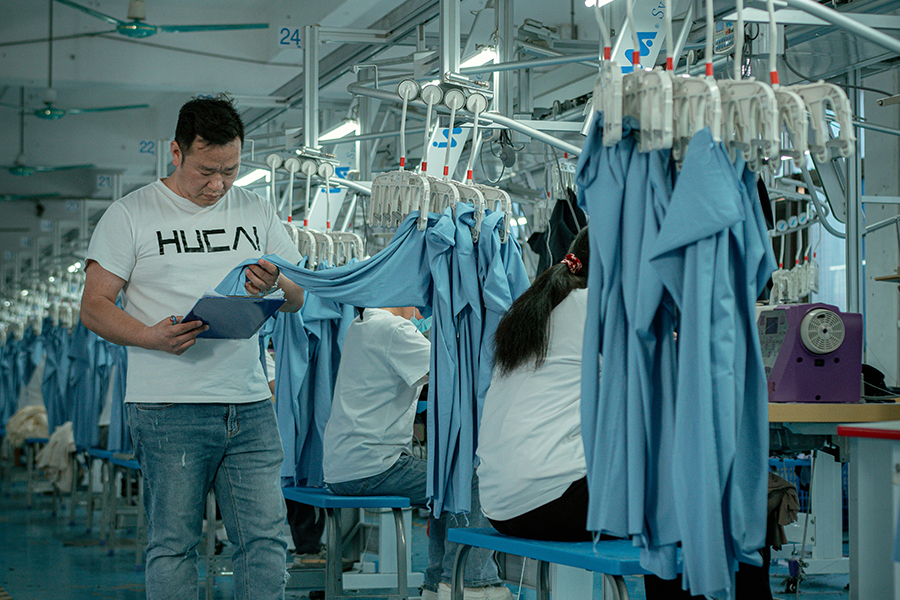
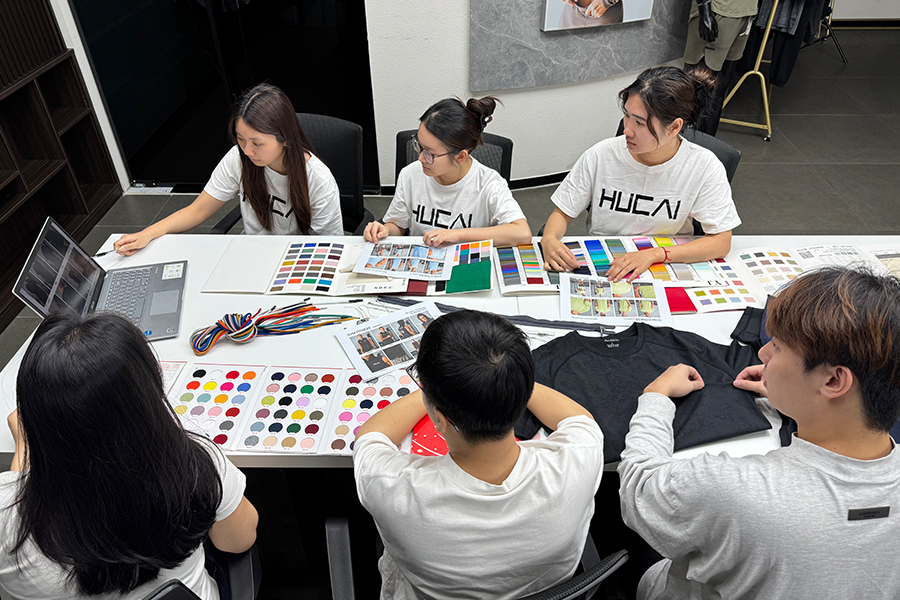
HUCAI supports women's activewear brands with custom leggings development for OEM, ODM, and private label programs. From yoga leggings and workout leggings to flare styles and matching-set bottoms, we help brands move from product direction and sampling into more stable bulk execution.
Project Basics:
- MOQ from 200 pcs / style
- Sample development in about 10–15 days
- Bulk production in about 25–30 days
Service Support:
- OEM / ODM / Private Label Support
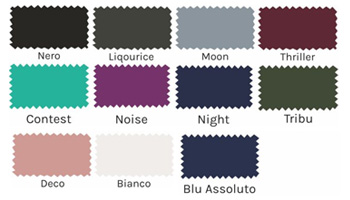
- Fabric, logo, and trim customization
- AQL 2.5 with structured inspection workflow

Why the Right Leggings Manufacturer Matters?
| Brand Challenges | HUCAI Solution |
|---|---|
| Samples look good visually but fall short in real wear performance | We review fit, waistband hold, rise balance, and fabric behavior during sample development before approval. |
| Bulk fit differs from the approved sample | We manage spec confirmation through pre-production standards, MES/ERP-based production tracking, and AQL 2.5 quality checkpoints from PPS to final inspection. |
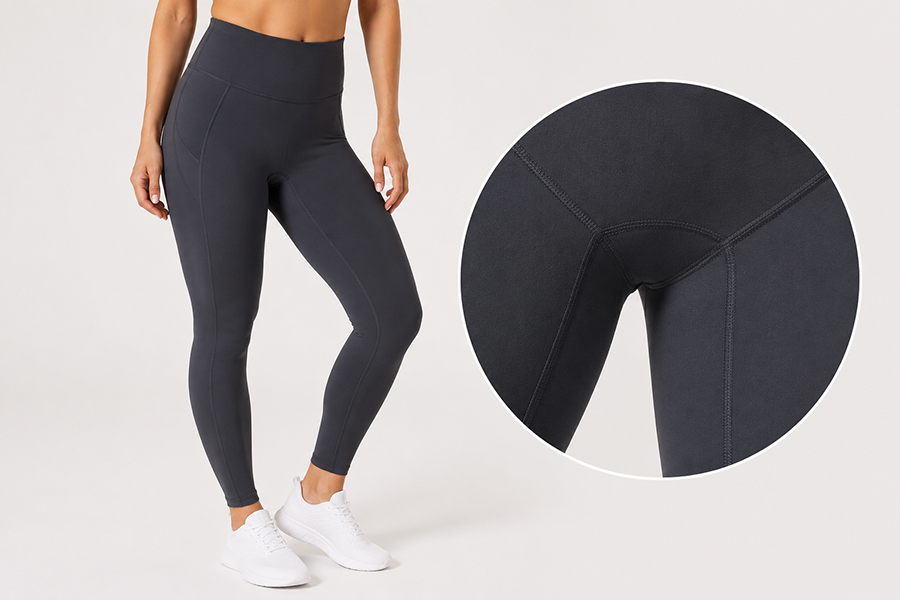
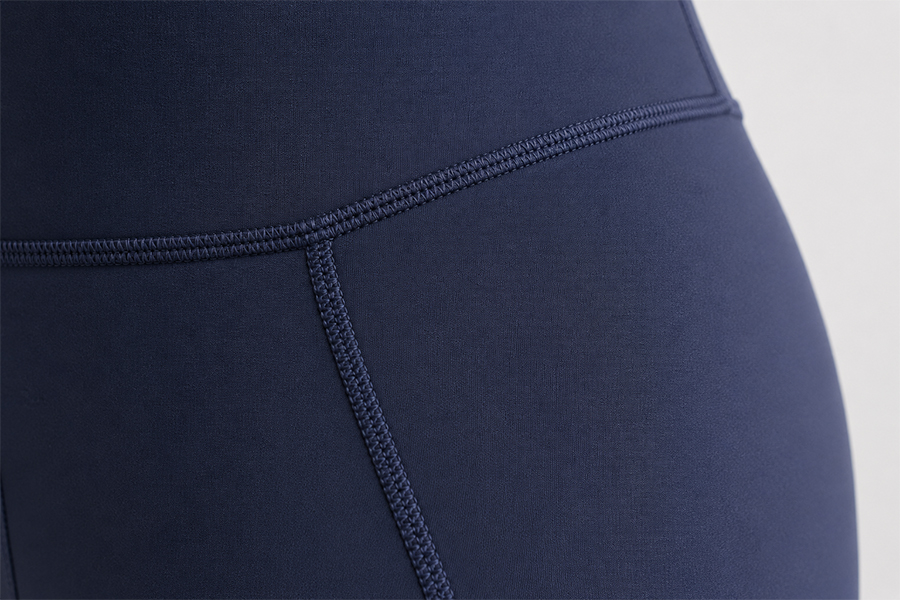
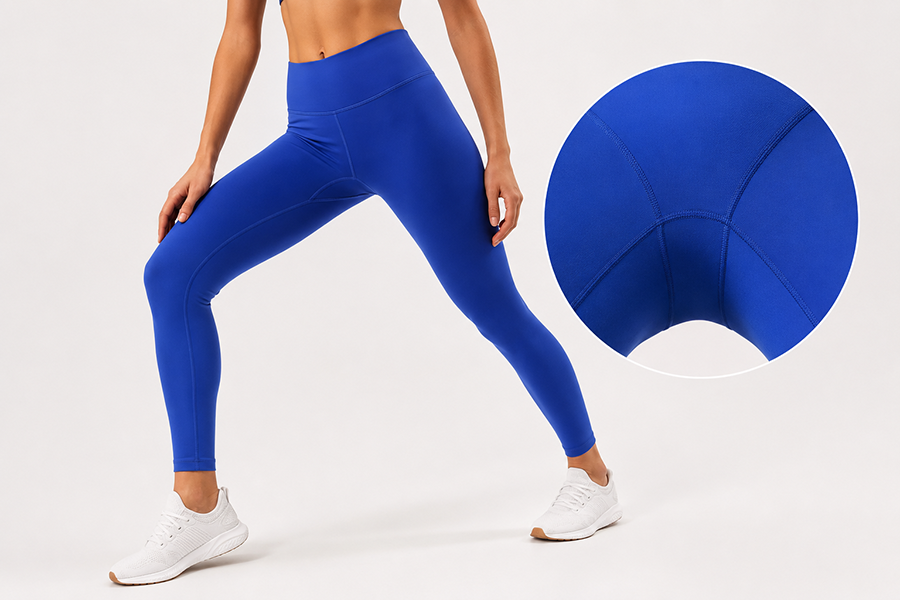
| Waistband rolls, slips, or feels unstable in wear | We assess waistband height, support balance, seam construction, and tension logic during development so the waistband stays more stable from sample to bulk. |
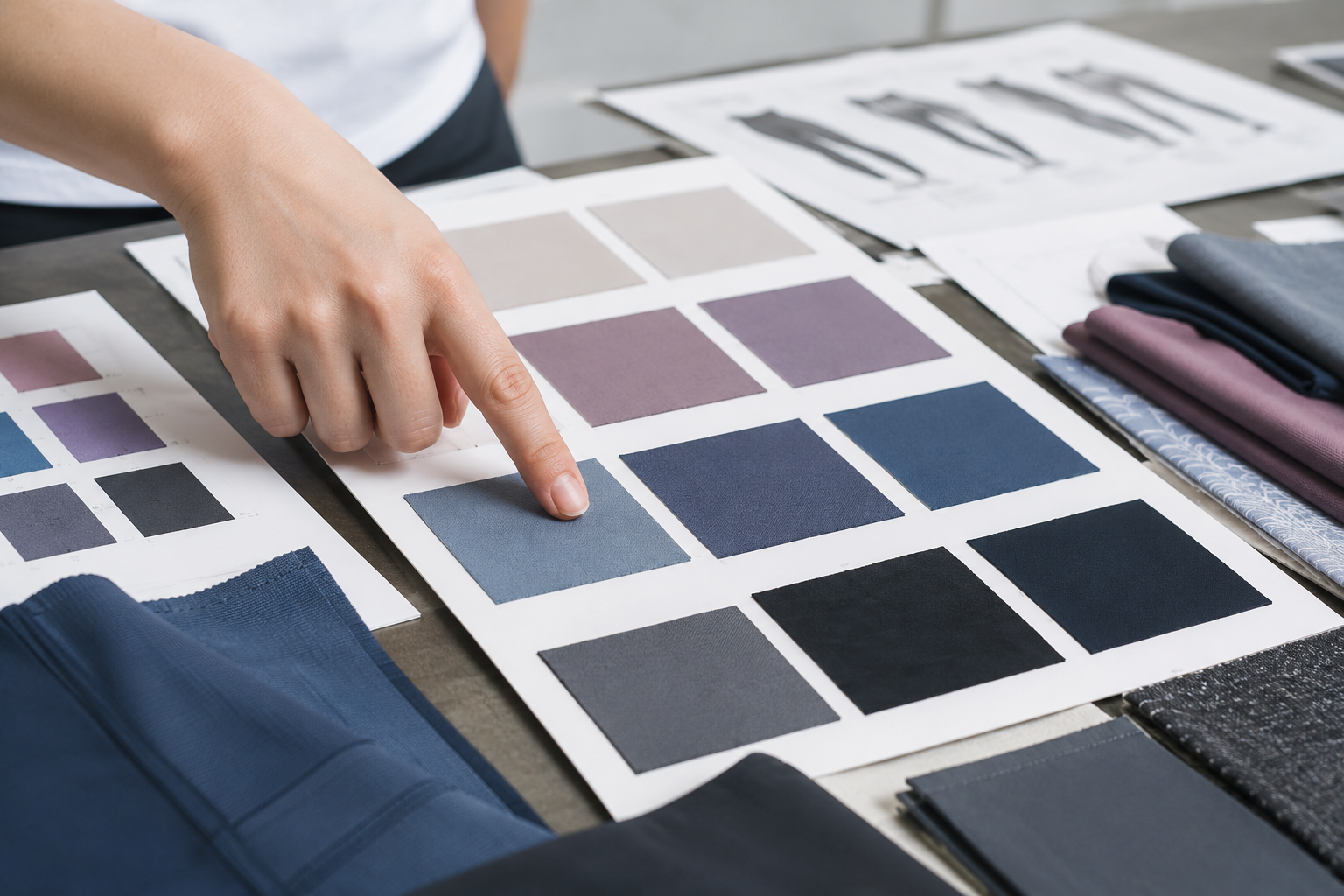
| Soft fabric feels comfortable but lacks support, while stronger fabric can feel too restrictive | We match fabric direction from our sportswear fabric library, aligning handfeel, recovery, and end use across yoga, workout, sculpting, or all-day-wear leggings. |
| Brands need more than sewing capacity when developing a leggings program | We support OEM and ODM development with pattern resources, sample-room support, and collection-level thinking for women's activewear brands. |
Custom Leggings Types We Can Develop

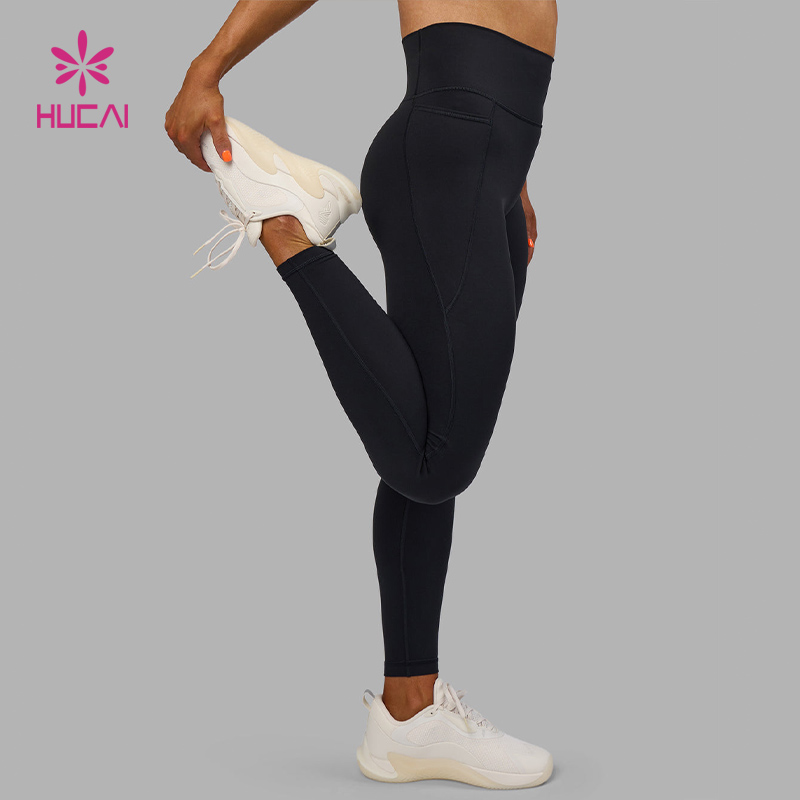
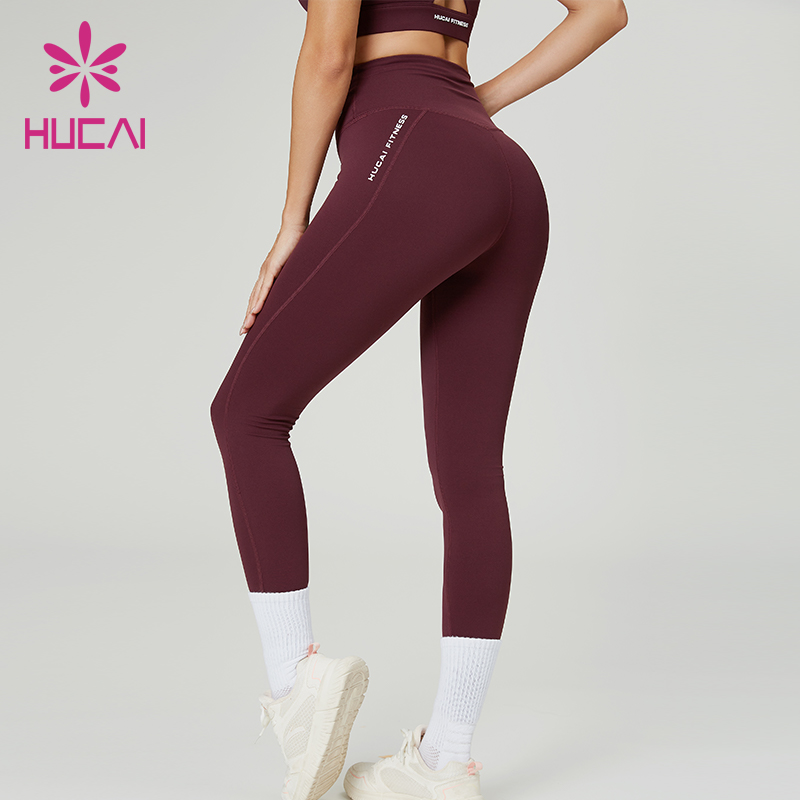
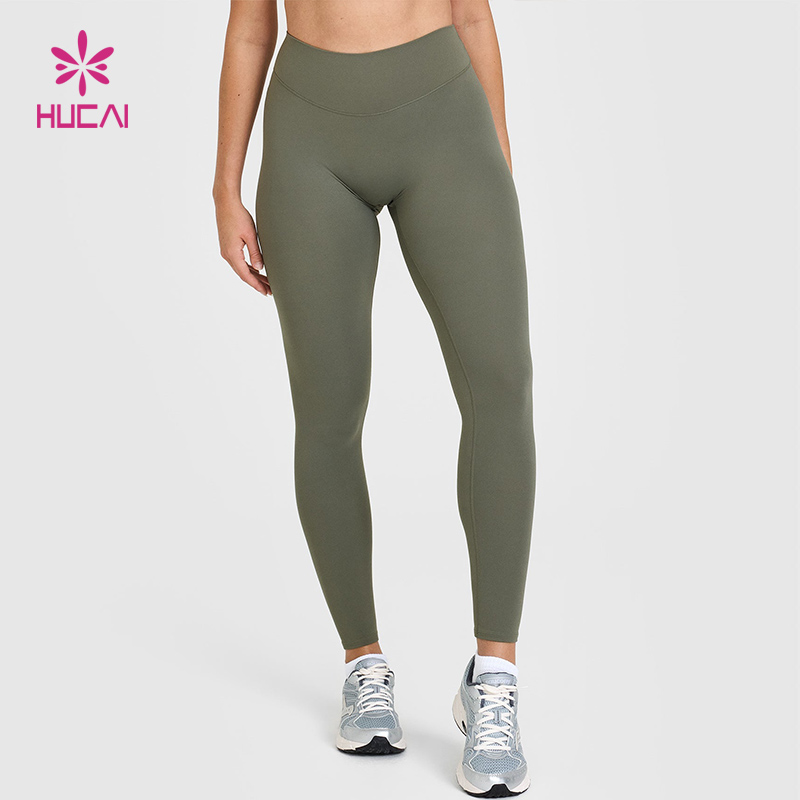
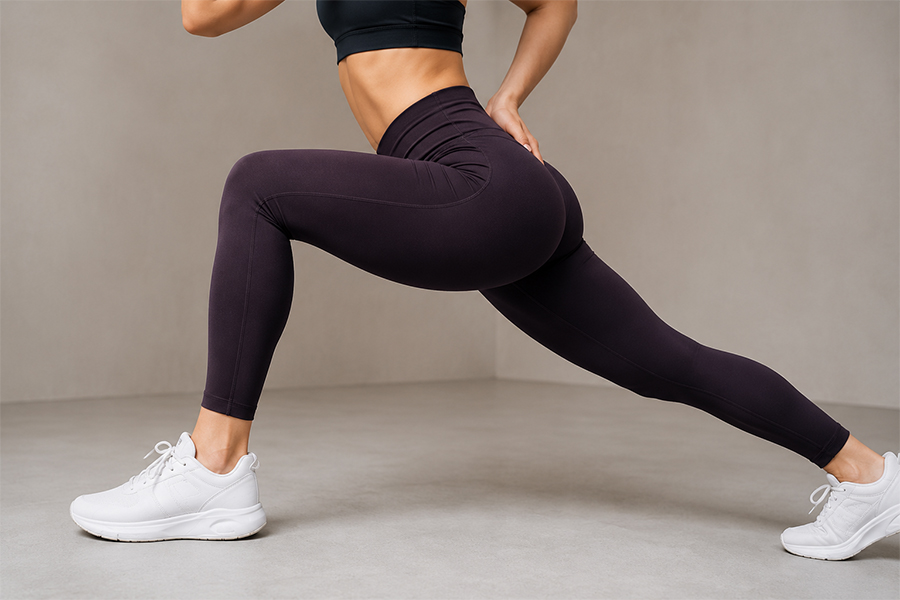
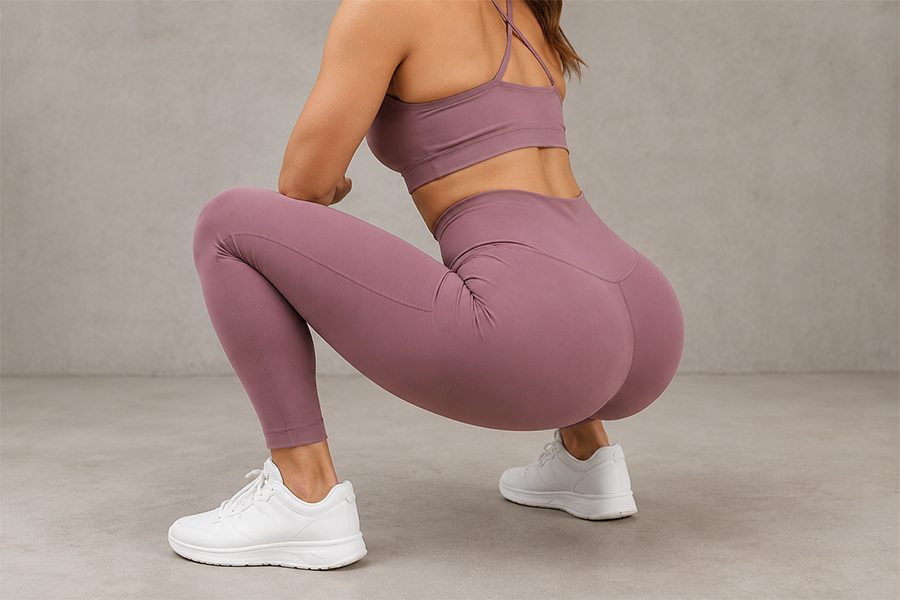
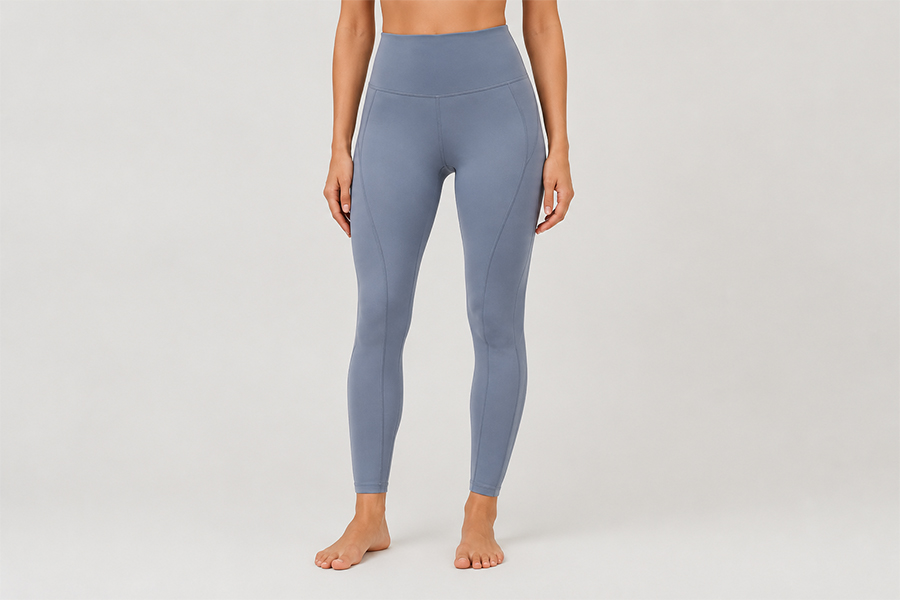
High-Waist 7/8 Leggings
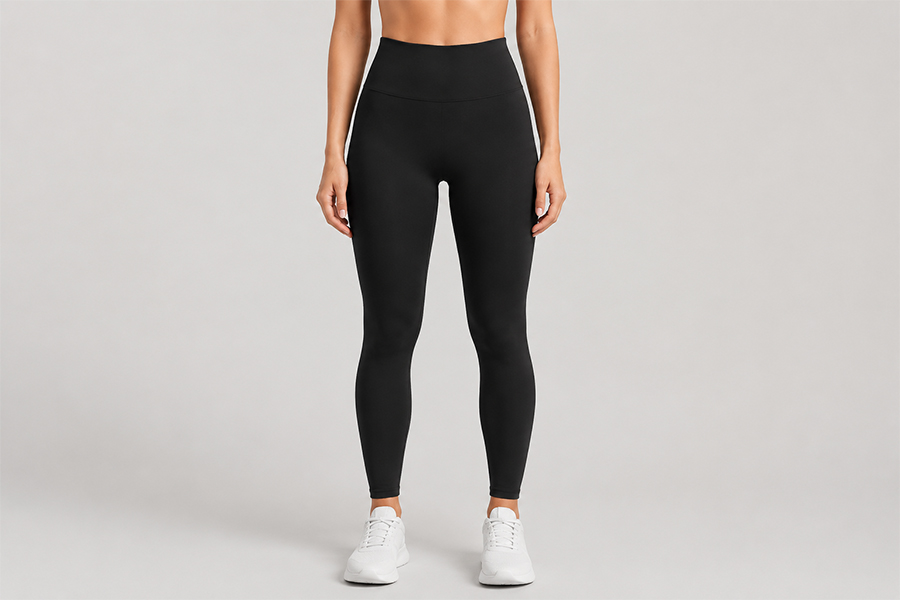
A versatile core style for women’s activewear brands, suitable for studio, training, and everyday active use.

Soft-Touch Yoga Leggings
Designed for comfort-led collections that prioritize softer handfeel, smoother wear, and a more studio-friendly feel.

Sculpt / Compression Leggings
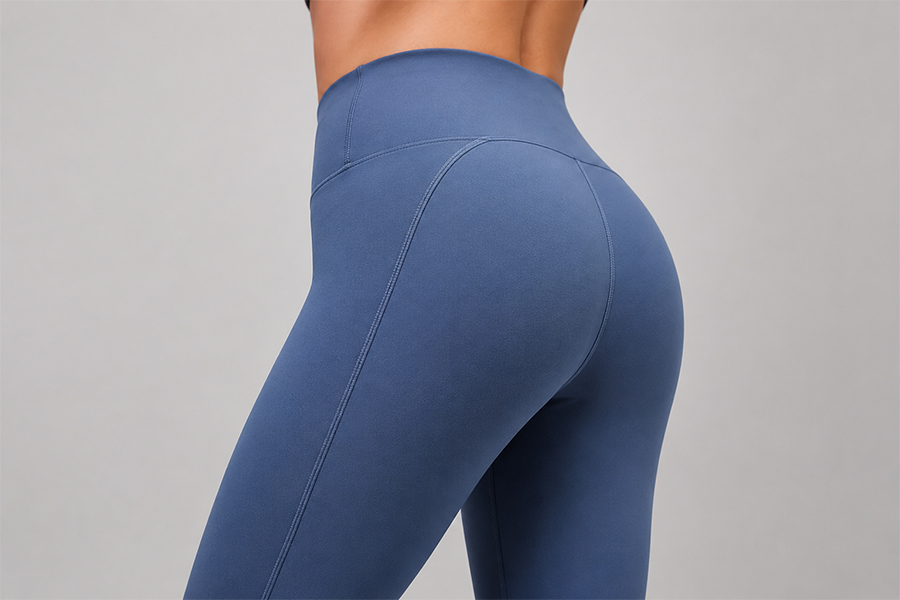
Built for brands that want stronger shaping expression, more defined support, and a body-contouring visual effect.

No-Front-Seam Leggings
A cleaner visual option for brands that want a more modern and minimal front look with better silhouette clarity.

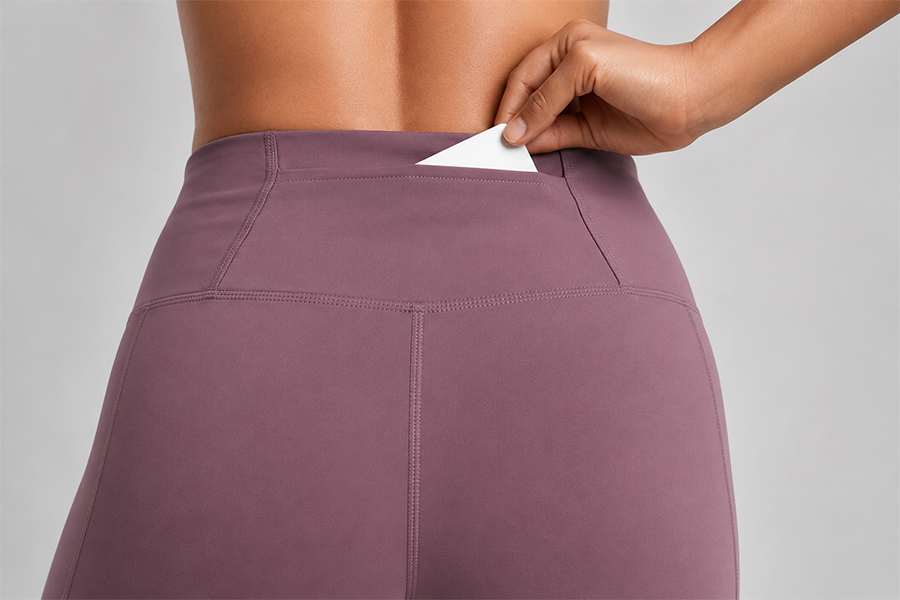
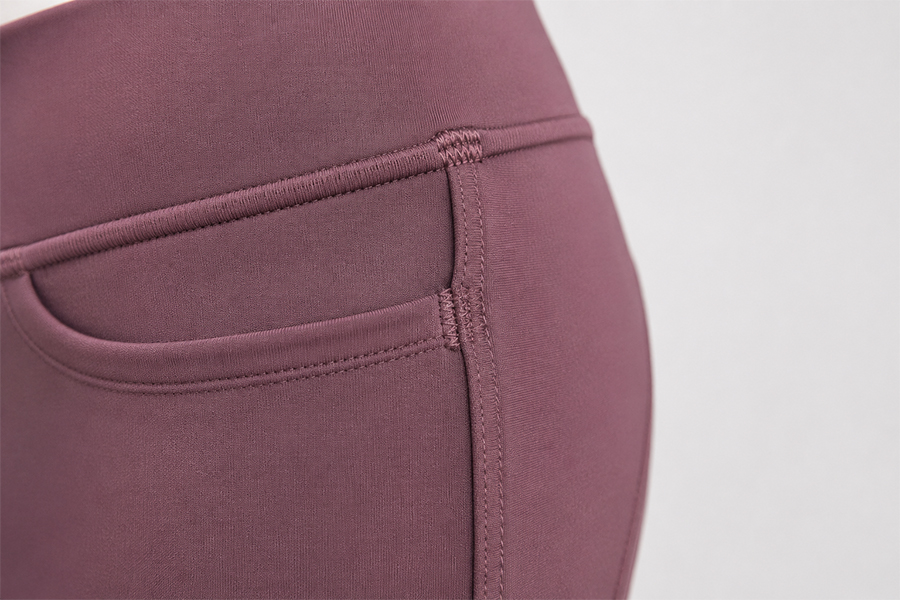
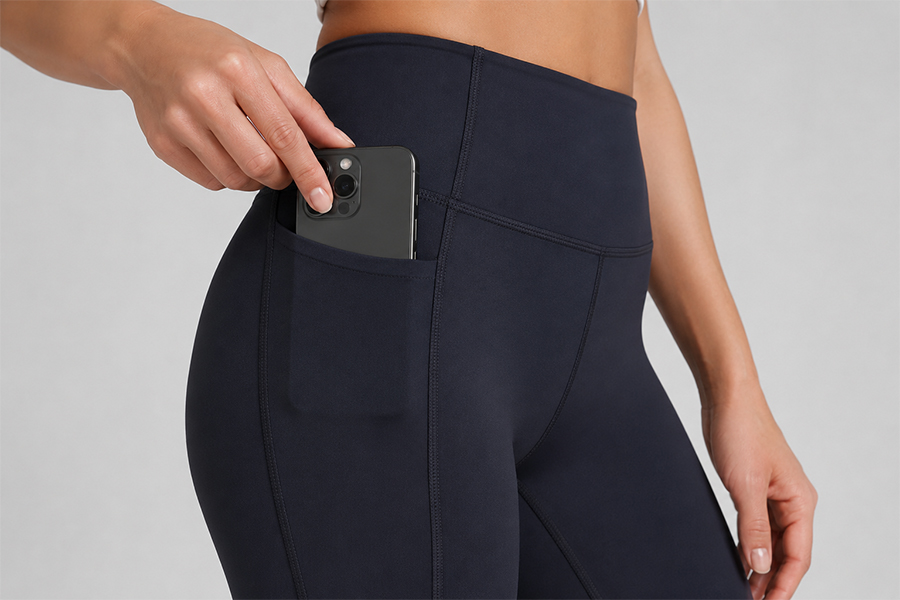
Pocket / Functional Leggings
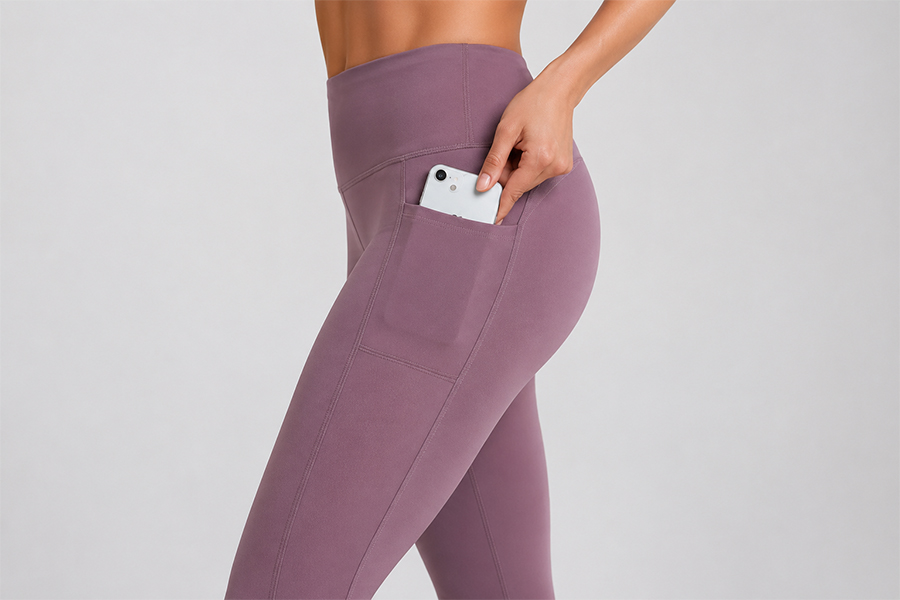
Made for brands that want more visible utility in their leggings line, especially for movement and training directions.

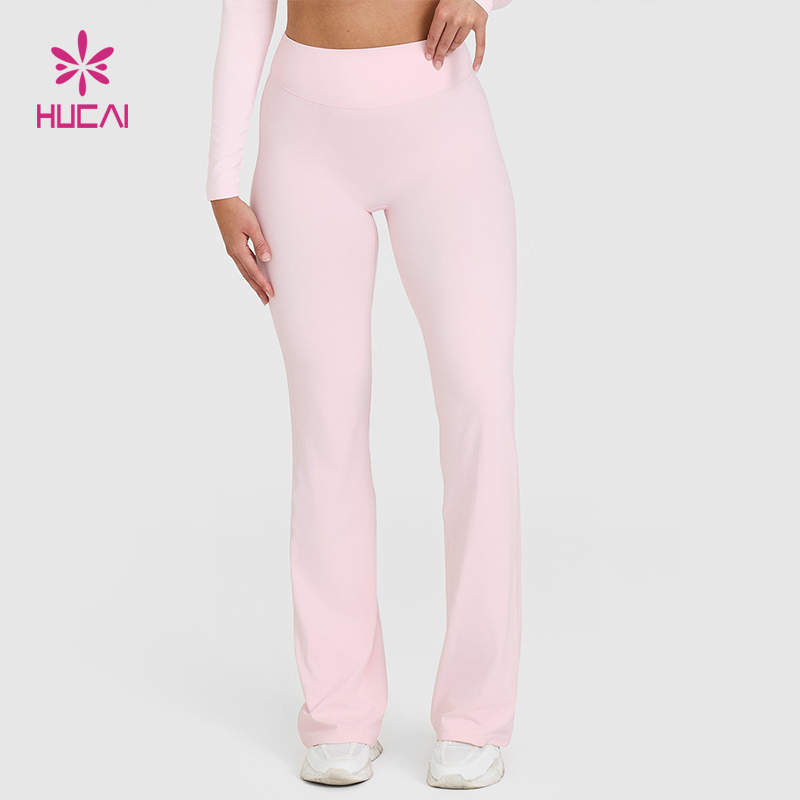
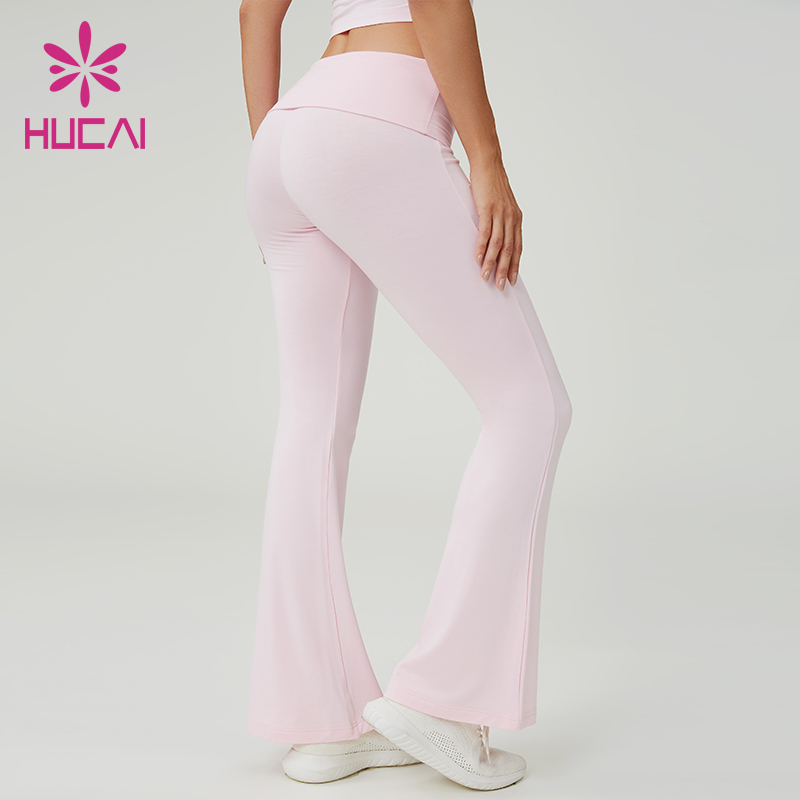
Flare Leggings
A commercially relevant extension that works across studio, athleisure, and lifestyle-led activewear collections.
Before Sampling Leggings, Buyers Should Confirm
1. Product Role
Define whether the leggings are for yoga, studio, training, sculpting, or everyday movement. This affects fabric direction, construction balance, and how the product should feel in wear.
2. Silhouette & Length
Confirm the intended silhouette early: full length, 7/8 length, flare, no-front-seam, or pocket leggings. A clear silhouette direction helps avoid unnecessary sample revisions.
3. Waistband Height & Hold Level
Buyers should confirm whether they want a softer waistband feel, stronger support, a higher rise, or a cleaner front look. Waistband decisions strongly affect fit perception and repeatability from sample to bulk.
4. Fabric Handfeel vs. Support
Soft-touch leggings and sculpting leggings should not be developed in the same way. Before sampling, it is important to decide whether comfort, compression, recovery, or visual shaping is the priority.
5. Coverage & Fit Expectations
Clarify the expected level of opacity, stretch recovery, and body coverage. For leggings, these points matter just as much as the visual look of the sample.
6. Single SKU or Matching-Set Program
Confirm whether the leggings will be sold alone or as part of a bra-led or matching-set-led women’s activewear collection. This influences color planning, fabric choices, and overall product positioning.
Leggings Development Logic

Fabric Direction by Product Use
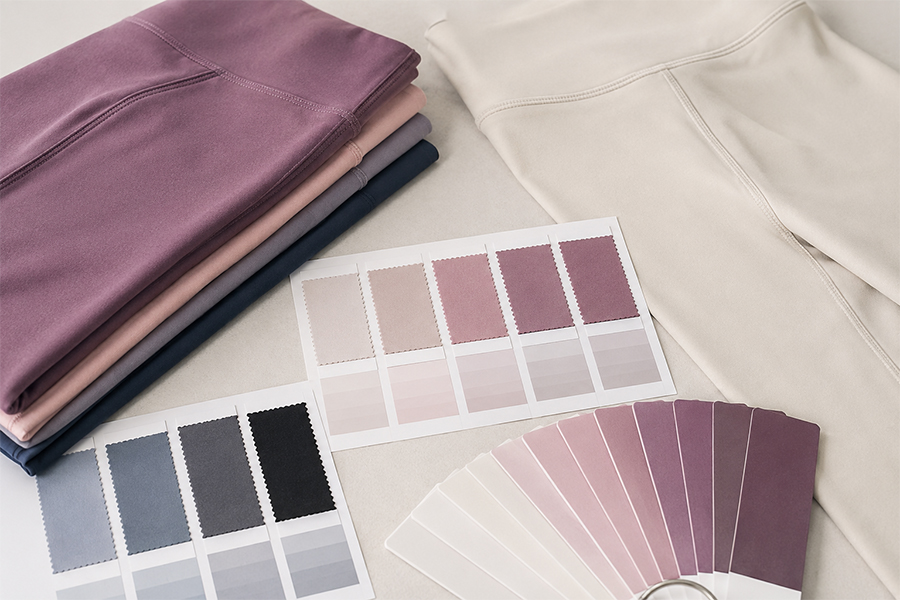
Different leggings categories should not be developed with the same fabric logic. Yoga and studio leggings usually need a softer handfeel and smoother surface comfort, while workout and sculpting leggings often require stronger recovery, more support, and better wearing stability. For brands developing leggings across different use scenarios, fabric direction should follow product role rather than visual preference alone.

Support, Recovery & Wear Performance
A strong leggings program should feel right in real wear, not only look right in photos. Waistband hold, stretch recovery, opacity, rise balance, and overall wearing comfort all affect how the product performs after sampling and in bulk. This is why support feel and comfort level should be defined early, especially for brands developing high-waist, sculpting, no-front-seam, or flare leggings.

Common Sample Revisions Before Bulk
Many leggings delays happen because key development points are still unclear at the sample stage. Common revisions often include waistband stability, rise proportion, fabric feel versus intended support level, opacity expectations, and silhouette details such as flare balance or pocket placement. Clarifying these points before bulk helps reduce unnecessary revision rounds and improves consistency from approved sample to final production.
Why Growing Activewear Brands Choose HUCAI
1. Women's Core Category Focus
Leggings are one of HUCAI's core women's activewear categories, not a traffic product added for search coverage. That matters because strong leggings development depends on category familiarity—waistband balance, rise proportion, fabric feel, and bulk consistency all require more than standard sewing capacity.
2. Development Support Beyond Basic Manufacturing
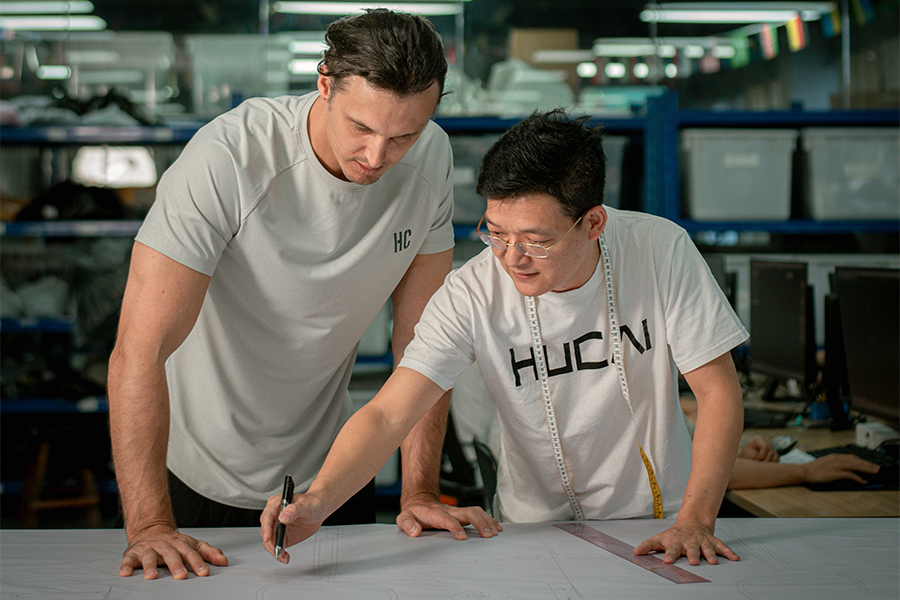
HUCAI supports leggings projects with sportswear fabric resources, pattern support, and sample-room coordination. For brands that already have tech packs, this helps move faster. For brands still refining silhouette, fabric, or product direction, it creates a more structured OEM / ODM development path.
3. Better Bulk Control Through Standards and Tracking
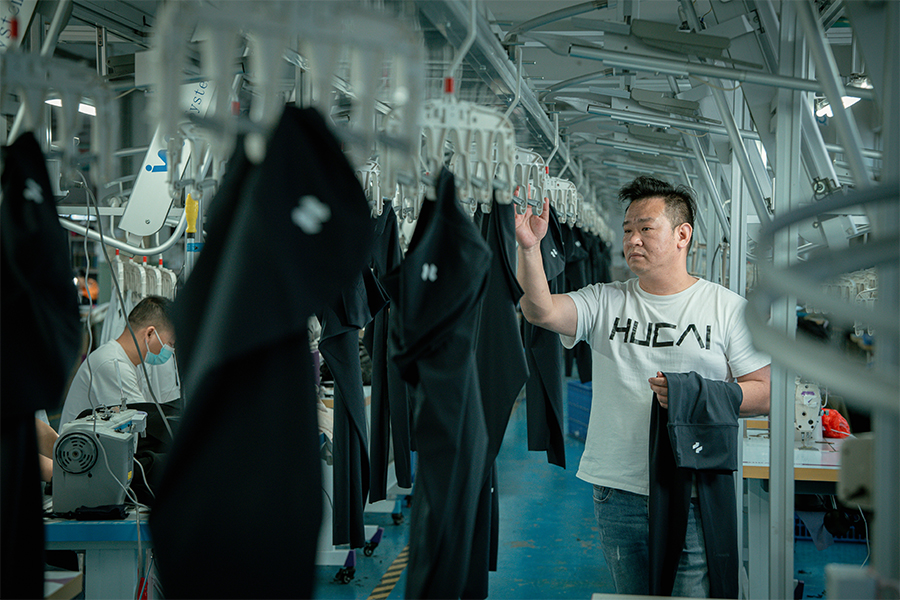
Sample approval is only one step. HUCAI also supports production through pre-production standards, AQL 2.5 quality logic, and MES/ERP-based tracking to improve consistency from approved sample to bulk delivery. For leggings, this is critical because fit deviation and fabric response can quickly affect customer satisfaction.

If you need more than manufacturing and want support with leggings development, fabric direction, or sample planning, HUCAI's ODM service can help move the project forward more clearly.
ODM ServicesReady to Build a Better Leggings Supply Chain?
Whether you’re switching suppliers or scaling production, HUCAI is your ideal leggings manufacturing partner. We deliver consistency, flexibility, and quality for every stage of your brand’s growth.
We pay attention to the user market and feedback. If you have any ideas or customizations, please contact us.
HUCAI Leggings Development Process
Step 1
Share Your Project Brief

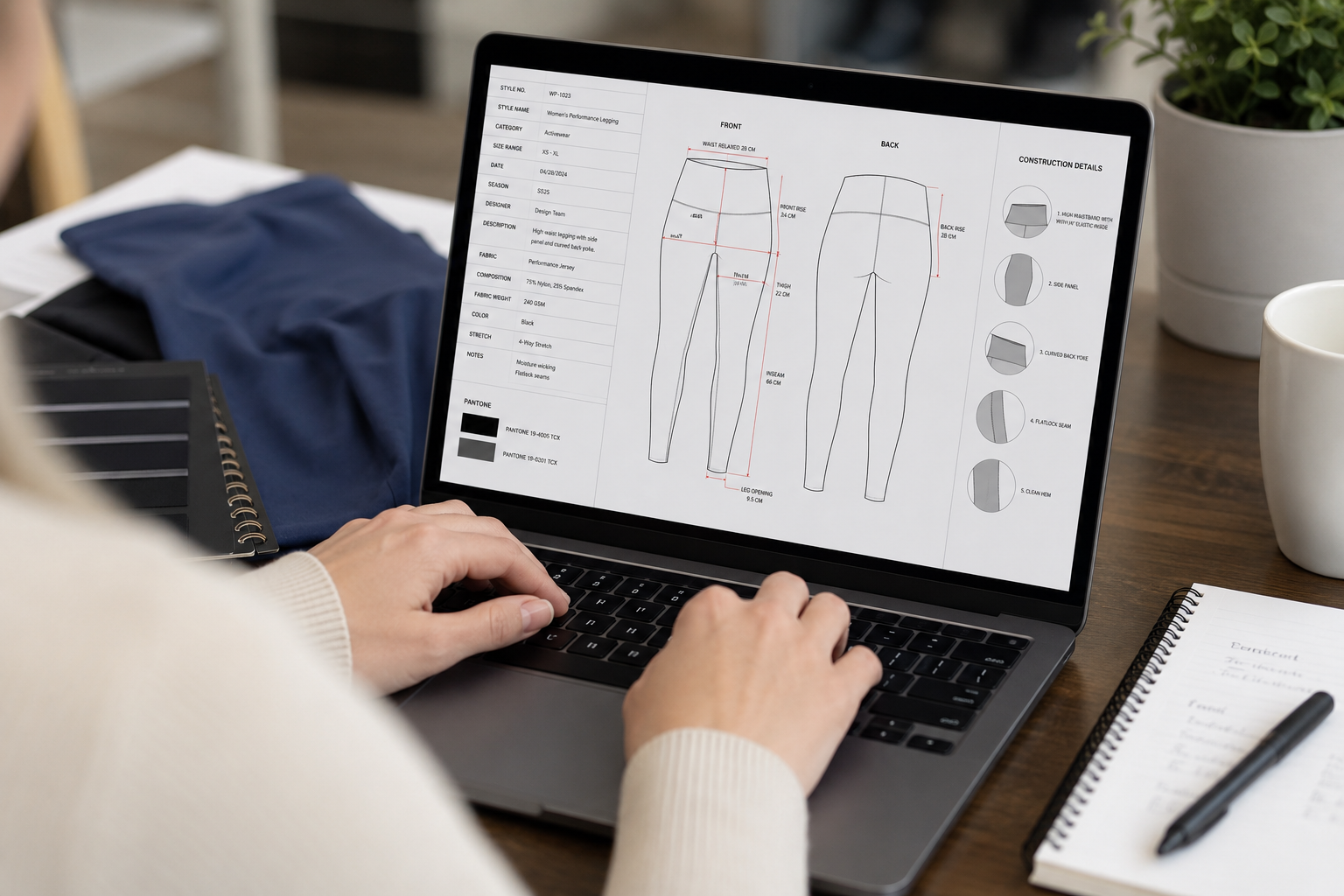
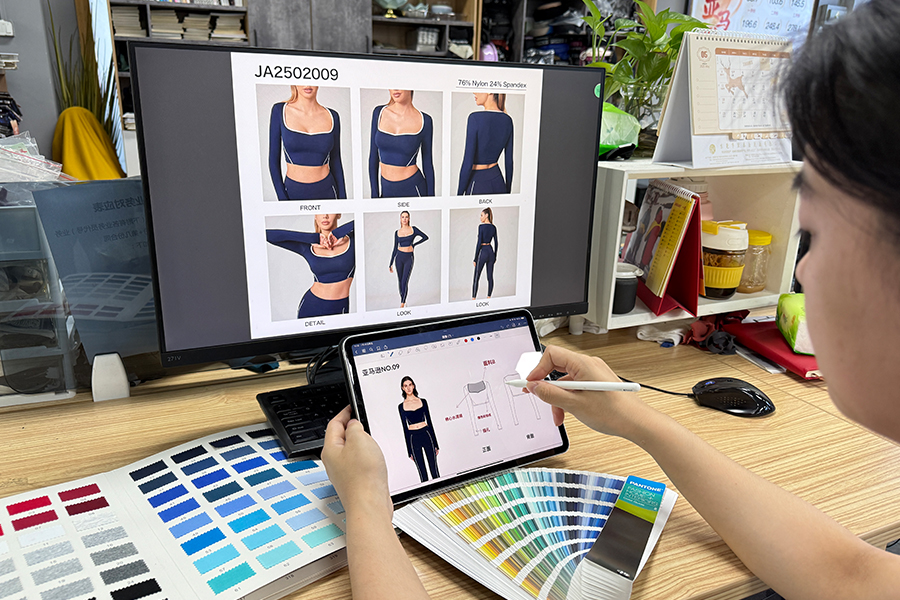
Send your tech pack, reference sample, sketches, or collection direction. We review the intended product role, silhouette, fabric expectations, and whether the project is better suited for OEM or ODM support.
Step 2
Confirm Fabric & Construction Direction

Before sampling starts, we confirm the leggings' use scenario, fabric direction, waistband logic, silhouette details, and branding requirements. This helps reduce avoidable revisions later in the process.
Step 3
Sample Development & Fit Revision

We develop the sample and review the key points that most affect leggings performance, including waistband stability, rise balance, fabric feel, coverage, and overall fit. Revisions are made before the project moves into pre-production confirmation.
Step 4
Bulk Production & QC

Once the sample is approved, we move into pre-production standards and bulk preparation. HUCAI supports execution through production tracking, quality checkpoints, and AQL 2.5 inspection logic to help improve consistency from approved sample to bulk delivery.
Step 5
Packing, Shipment & Follow-Up

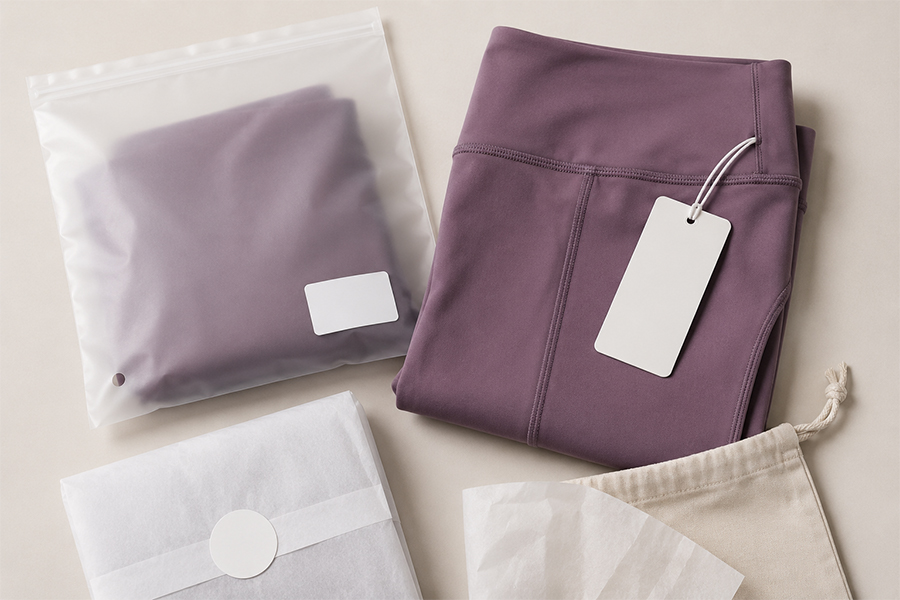
After final inspection, the order is packed and shipped according to the confirmed requirements. HUCAI also provides delivery follow-up and after-sales support so the project does not stop at shipment.
FAQ — Leggings Manufacturer
- What is your MOQ for custom leggings?
Our current front-end MOQ for custom leggings starts from 200 pcs per style. The final order structure can still be influenced by fabric choice, color options, sizing breakdown, branding details, and whether the project is a more standard OEM order or a more development-led program. If you want a smoother start, it helps to keep the first leggings order focused and commercially clear.
- How do I know whether my leggings project is better suited for OEM or ODM?
If you already have a clear tech pack, measurements, fabric direction, and branding details, your leggings project is usually closer to an OEM path. If you still need help refining silhouette, waistband direction, fabric logic, or matching-set coordination, it is usually more suitable to begin through an ODM-style development path first.
- Can you develop both yoga leggings and workout leggings?
Yes. We can support both directions, but they should not be developed in exactly the same way. Yoga leggings usually prioritize softer handfeel, comfort, and smoother wear, while workout leggings often require stronger recovery, more support, and better stability in movement. Treating them as the same product often creates weaker results in sampling and bulk.
- What usually affects opacity and compression in leggings development?
Opacity and compression are usually shaped by fabric construction, fabric weight, stretch behavior, and how the style is intended to fit the body. A leggings sample can look fine visually but still feel too light, too restrictive, or not supportive enough in wear. That is why opacity and compression should be reviewed as product-performance decisions, not only as visual preferences.
- Why is waistband design so important in leggings development?
The waistband affects how the leggings feel, stay in place, and visually balance on the body. Height, hold level, front appearance, seam construction, and support feel can all change the customer experience. If waistband logic is not clarified early, it often becomes one of the main reasons for repeated sample revisions.
- What are the most common sample revisions in custom leggings development?
Common revisions usually involve waistband stability, rise balance, fabric feel versus intended support level, opacity expectations, and silhouette details such as flare balance or pocket placement. These are normal development points, but they should be clarified before bulk production. The more clearly they are reviewed at sample stage, the easier it is to improve bulk consistency later.
- What should I prepare before starting a custom leggings project?
The best starting point is a clear product direction. If possible, prepare your target leggings type, reference images or tech pack, intended use scenario, preferred fabric feel, branding details, and expected quantity range. Even when everything is not fully fixed, these basics help the development process move faster and reduce avoidable back-and-forth during sampling.
- Where can logos usually be placed on custom leggings?
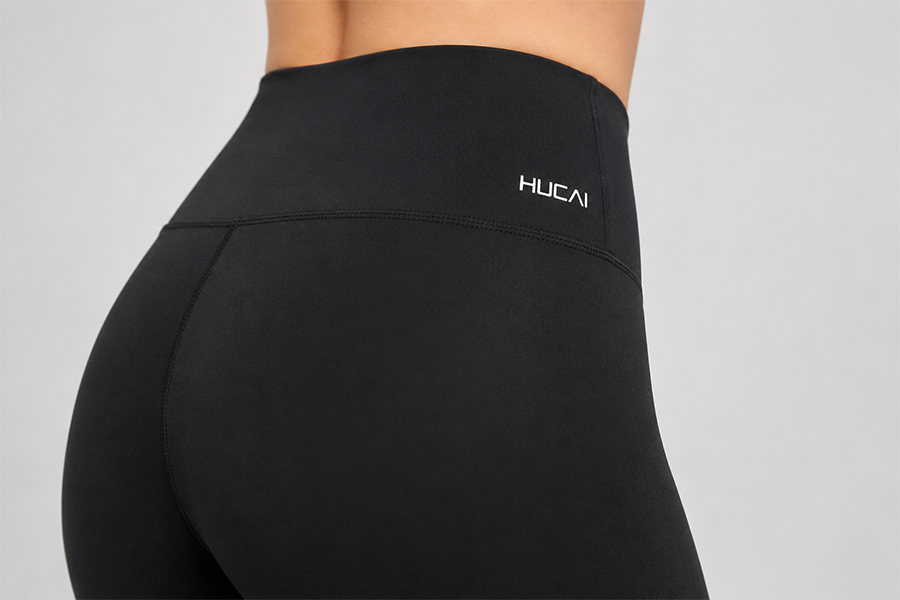
Logo placement depends on the product direction, branding style, and how visible or minimal you want the leggings to feel. Common positions can include the waistband, back waistband area, upper thigh, or lower leg, but the best choice depends on silhouette, fabric behavior, and overall collection language. It is usually better to confirm logo placement together with the style direction, not after the sample is already set.
Contact Us to Send Technical package
- Contact Us to Send Technical
- Name
- Phone
- Name
- Phone
- *Title
- *Content