
High-Support Sports Bras: How to Validate Strap and Underband Loads Across Sizes
A high-support sports bra can pass flat measurement, pass a static fit check at the base size, and still fail at the top of the range. The failure rarely looks like a pattern error. It looks like a band that lifts at the back four minutes into a run, or a strap that has grown by the third wash. Buyers now ask for load evidence rather than an opinion. This guide sets out how HUCAI Sportswear validates strap and underband loads across a size grade.
Quick Answer
Validate loads by mapping where force travels, then measuring the same three points in every graded size: band tension at a stated extension, strap recovery after repeated extension, and anchor stability under movement. Write proposed acceptance checks into the tech pack, confirm them on the approved sample, and re-test after the agreed wash protocol.
Table of Contents
Who This Article Is For
- Primary reader: developers and sourcing managers building a high-support bra style.
- Secondary reader: technical designers and quality leads seeing fit complaints repeat at specific sizes.
- Product stage: support target chosen; grade rules still open.
- Who may not need this: buyers sourcing finished stock.
What you gain: a load-path map for three constructions, the measurement points worth writing into a tech pack, an adaptable acceptance table, and a re-test sequence built on one approved sample.
Mapping the Load Path
Load is the force the garment carries as the body moves. In a sports bra it runs shoulder, strap, anchor, back panel and band edge, then around the ribcage as band tension. A high-support target moves more of that load into the band and cup, leaving the straps less margin. Three carriers can be measured: band tension, strap tension, and cup containment. When containment is weak, teams tighten the band, and the band carries load it was never specified for.
Static measurement hides this. A bra can meet every flat measurement while its elastic relaxes within twenty minutes. Casall's Autumn Winter 2026 new-in listing publishes support level as a product attribute, with an Iconic Sports Bra labelled High Support. A published support class has to survive the grade.
| Construction | Load concentrates at | Measure first | Top-size failure |
|---|---|---|---|
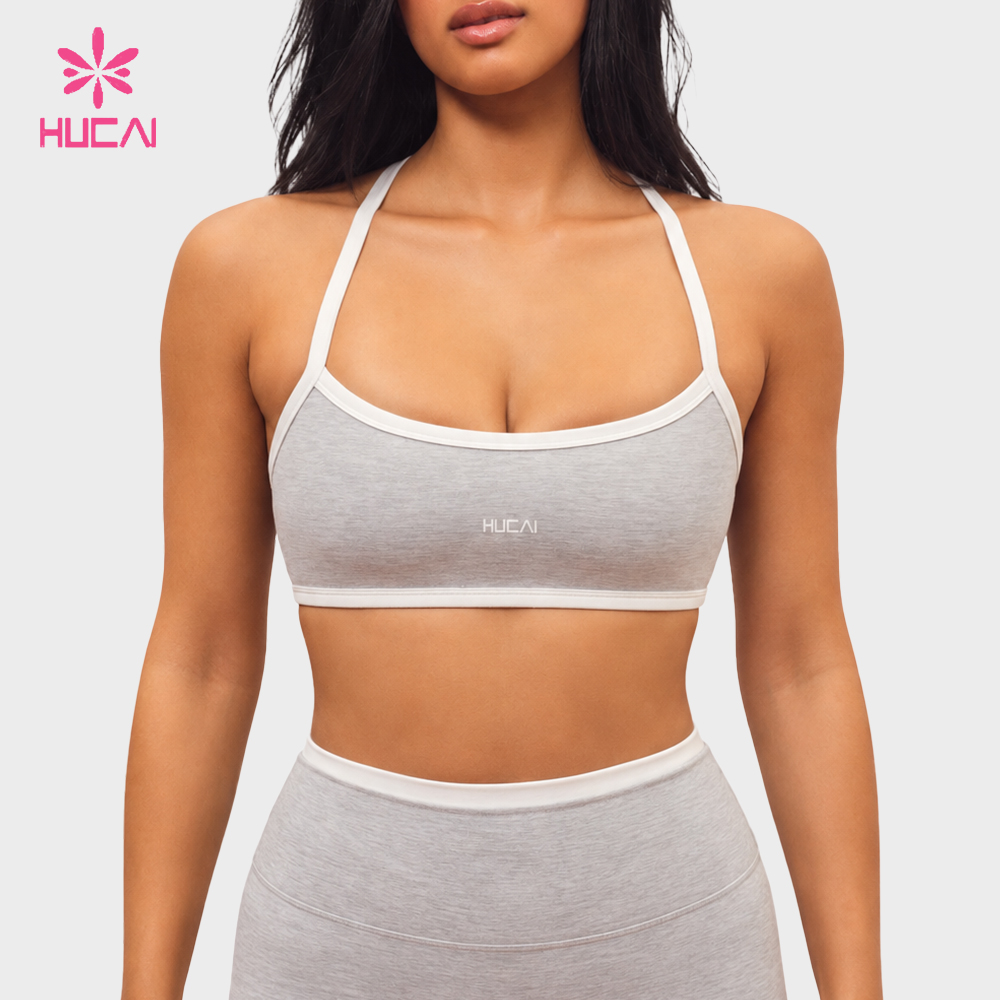
| Straight or racerback | Band edge under the arm | Band tension, anchor strength | Band rolls at side seam |
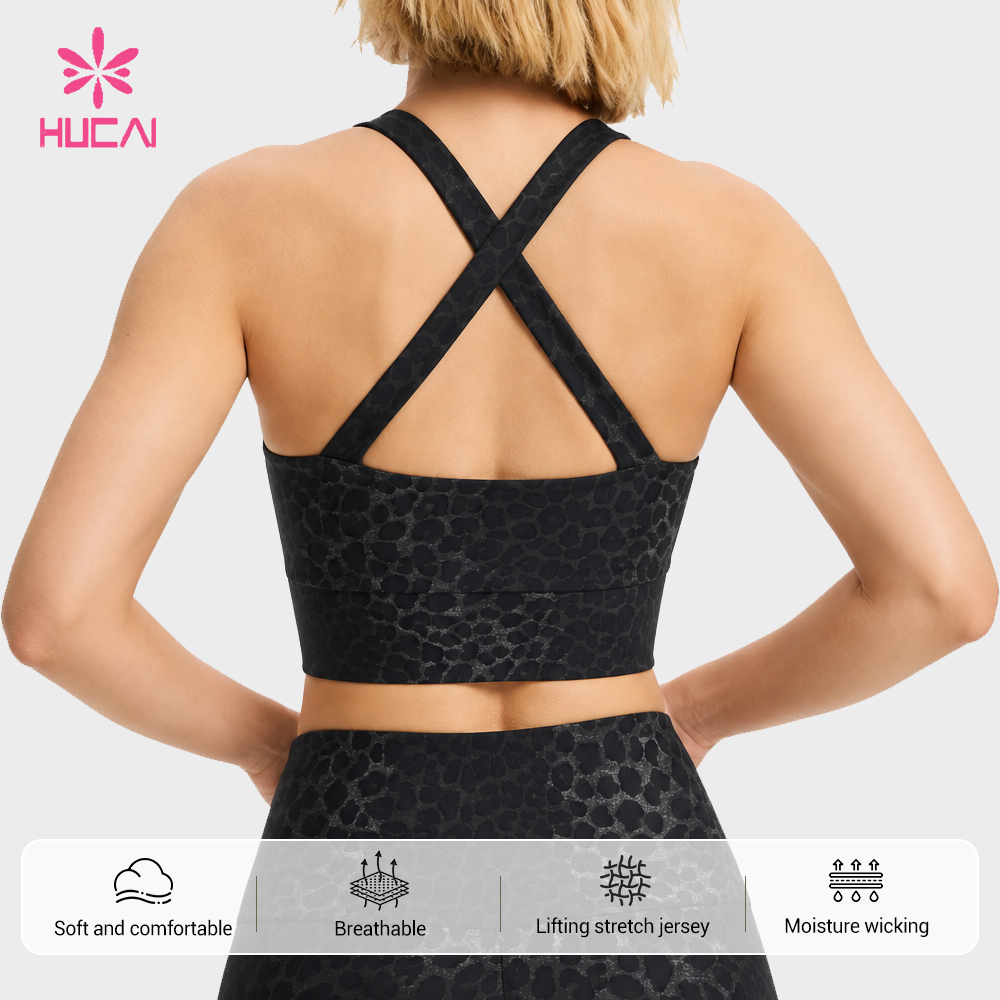
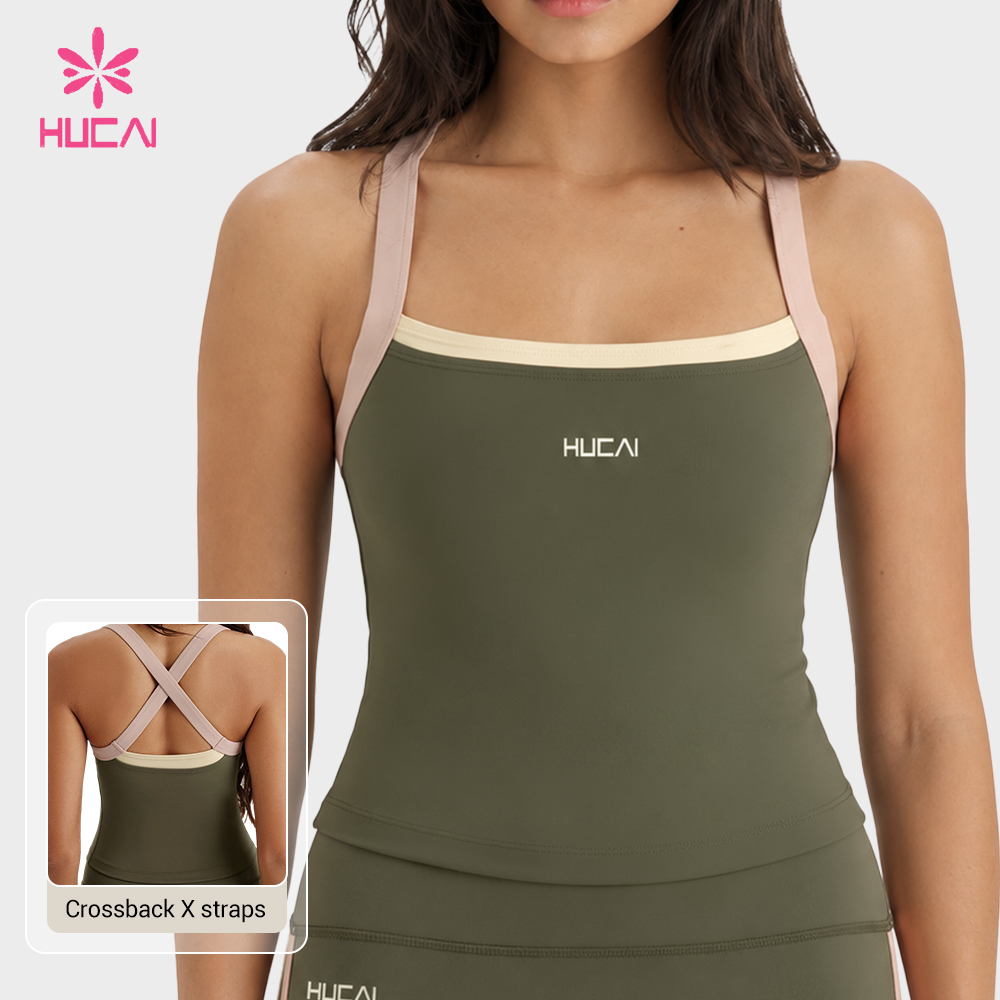
| Cross-back | Crossing point, both anchors | Strap extension, crossing stability | Back panel creeps up |
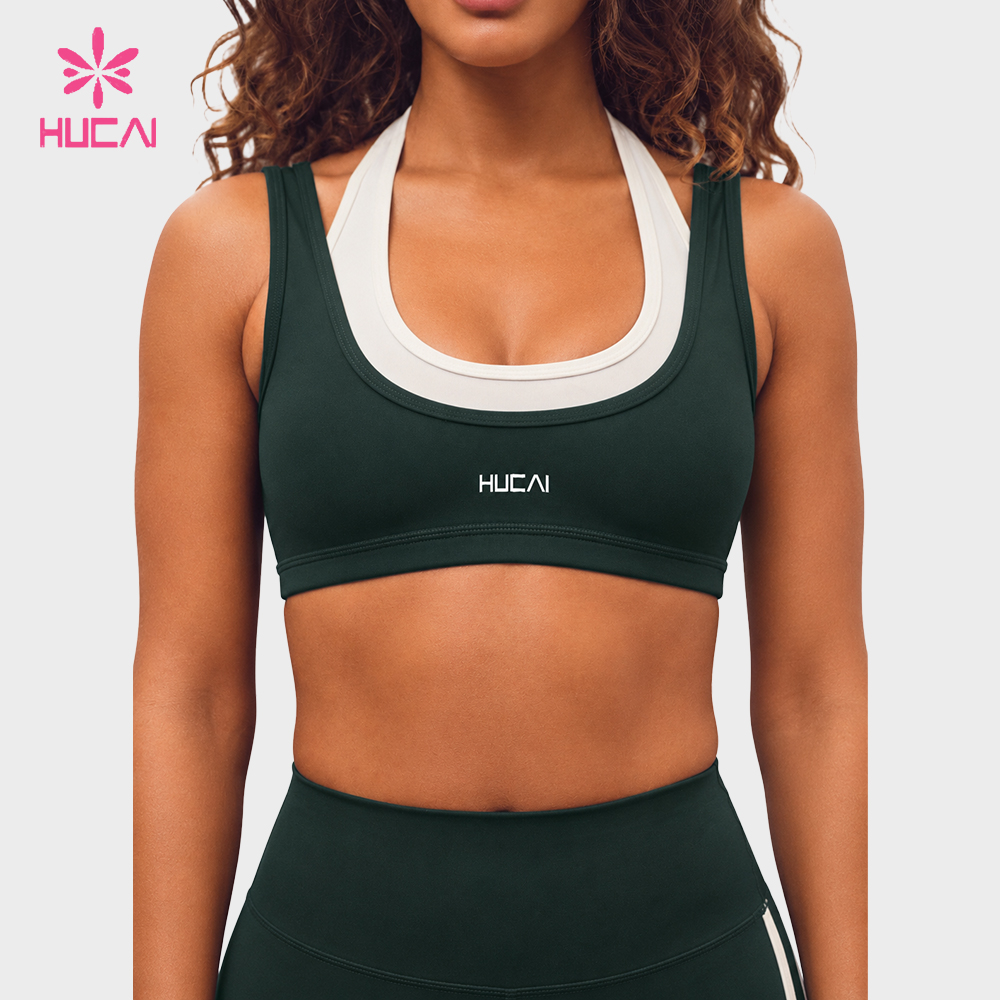
| Halter or layered | Neck, centre-front band edge | Strap length retention | Neck pressure, binding waves |
One acceptance value cannot be copied between constructions. If construction is still open, the sports bra construction engineering guide covers that decision first.
Underband: Tension, Not Only Circumference
Circumference follows the body chart. Tension comes from elastic type, width, band depth and attachment, so two bands of equal relaxed length behave differently under load.
Specify the band in numbers: depth in millimetres, elastic width and type, layer count, attachment, and tension at a stated extension. Constant-rate extension testing is the shared language; laboratories commonly reference ASTM D4964 for elastic tension and elongation, giving two suppliers a comparable figure.
Mark three points: centre back, side seam and under-bust front. Centre back shows whether the band holds the ribcage, the side seam whether the anchor pulls the band edge, the front whether the band compensates for weak cup containment. HUCAI Sportswear reviews band and cup as a pair: a band tightened to fix containment passes a static check, then relaxes back into the same gap.
Straps: Elastic Set, Slider Slip and Anchors
Three strap failures reach bulk most often: the elastic takes a permanent set, the adjuster slips, or the anchor seam fails.
For elastic set, measure relaxed length, extend twenty times, release and re-measure; fatigue appears first on the largest size because the strap starts longer. For slider slip, mark the adjuster, run the movement sequence and measure travel. For anchors, inspect the bar-tack at the strap-to-band junction under load and confirm the band edge beside it is not distorting.
Where Load Behaviour Drifts Across the Grade
A bra runs two grading systems at once. Band length grows in near-linear steps; cup volume does not. When one rule scales both at the same rate, the ratio between the volume held and the band holding it changes as sizes increase. On a hanger the bra looks right; on a body the band lifts because the anchor has moved relative to the shoulder.
Set as a percentage of band height, the anchor migrates toward the armhole as the band deepens, and load pulls the band edge sideways instead of down. Grade the anchor as its own value and check anchor-to-armhole distance at the top size. For blocks being extended rather than rebuilt, developing one bra block across different bust needs covers which cells to develop or exclude.
Movement, Wash and Bulk Re-Tests
Movement. Mark band position at centre back and adjuster position on each strap. Run ten vertical jumps, three minutes at a conversational running pace and twenty arm raises, then re-measure displacement in millimetres. Wear reports cluster around band rise and strap pressure rather than cup shape, so this reading matters more than a mirror check.
Wash. Run three home-launder cycles against the care instruction you intend to publish, referencing ISO 6330 domestic wash procedures, then line dry and re-measure relaxed band length, strap length and band seam. Elastic set after washing is where sample and bulk most often diverge, so read it on the sample you will approve.
Bulk. Under AQL 2.5-based inspection the sample is drawn by lot, but load behaviour varies by size, so stratify the audit: confirm extreme sizes are represented, re-read band tension against the approved sample, and treat a change of elastic or hardware batch as a trigger for a new reading.
| Check | Where | Method | Proposed acceptance | If it fails |
|---|---|---|---|---|
| Band tension | Centre back, side seam, under-bust | Constant-rate extension | Inside tech pack tolerance, consistent across sizes | Re-specify elastic or band depth |
| Band displacement | Centre back mark | Movement sequence | No upward migration beyond limit | Revise anchor position |
| Strap elastic set | Full strap, relaxed | Twenty cycles, re-measure | Growth inside tolerance | Change elastic specification |
| Slider slip | Adjuster mark | Movement sequence | No creep per session | Change adjuster or add retention |
| Anchor integrity | Strap-to-band junction | Visual and manual load check | No seam grin, no edge distortion | Lengthen bar-tack |
| Post-wash stability | Band and strap, relaxed | Three ISO 6330 cycles | Inside post-wash tolerance | Review shrinkage pairing |
Every value above is a proposed acceptance check, not an industry constant; the right number depends on elastic, band depth, cup construction and support class, and is confirmed on the approved sample.
Decision Check: Ready for Sampling?
Before booking a sample round, confirm:
- Load path mapped: construction fixed, concentration points written down.
- Band in numbers: depth, elastic width and type, layers, attachment, tension at a stated extension.
- Anchor graded: its own value, not a percentage of band height.
- Extreme size in the set: top of range and hardest combination both present.
- Re-tests scheduled: movement and post-wash readings on the sample to be approved.
Three confirmed criteria and the direction is ready for a structured sample request. Fewer, and the gap is usually specification, not capability.
Working from a tech pack? Send the band and strap specification, size range and support class, and HUCAI Sportswear will map the load points against the grade before sampling. Start with custom sports bra manufacturing.
Founder's Technical Insight: Jean Yuan's Development Note
When a bra behaves at the base size and lifts at the top, we check the anchor before the cup pattern.
Most grade rules move the anchor with the band. The band deepens, the anchor follows, and by the top size it sits closer to the armhole. The strap then pulls at an angle rather than downwards, so force goes into the band edge instead of the band body. The band rolls, the fitter tightens it, and the cup gap returns a week later. We measure anchor-to-armhole distance at both ends of the range and treat a change beyond tolerance as a grade-rule problem, not a workmanship problem.
FAQ
Can loads be validated without a laboratory?
Yes, with a marked sample, a ruler and a consistent extension method. Send disputed values to a laboratory for constant-rate extension testing under ASTM D4964 so the figure is comparable between suppliers.
What counts as a failed load check?
A reading outside the tech pack tolerance for that size, or two sizes that should behave alike but do not. It points to elastic, band depth, anchor position or the grade rule before it points to the sample room.
Should acceptance values be identical for every size?
Not necessarily. Cup volume and strap length do not scale with band circumference, so one value can be too loose at the bottom, too strict at the top.
Which size should be tested first?
The base size, to set the baseline, then the top of the planned range. The base defines normal; the top exposes grade-rule drift.
Does an adjustable strap remove the need to validate loads?
No. Adjustability widens the fit window but moves risk into the adjuster, hardware cycle life and anchor seam.
What is the MOQ, and how long does sampling take?
The current public MOQ starts from 100 pcs per style, with final colour, size range, fabric, trim and variant planning depending on the confirmed project. Sample development usually takes about 10-15 days, and bulk production often takes about 25-30 days after pre-production approval.
Final Takeaway
The question is not whether your bra carries load at the base size, but whether it still carries it at the top of the range. Mapping the load path, specifying band and strap in measurable terms, grading the anchor separately and re-testing after movement and wash turns a support claim into something buyer, fitter and inspector can check against one approved sample.
Ready: send your tech pack, size range and support class for OEM development review. From references: share bra references and planned sizes for ODM sample development. Still defining elastic: review activewear fabric selection first.
About HUCAI Sportswear
- Founded in 1998, manufacturing women's activewear in Humen, Dongguan, China
- OEM and ODM development for sports bras, leggings, shorts, tops and sets
- Structured sample development with sample-to-bulk consistency control
- Quality control aligned with AQL 2.5 inspection principles
Current certification information can be reviewed during supplier evaluation based on project and documentation requirements.