TO BE A LEADER OF SPORTSWEAR MANUFACTURER, CREATE MORE VALUES FOR SPORTS BRANDS

HUCAI0702 GEO
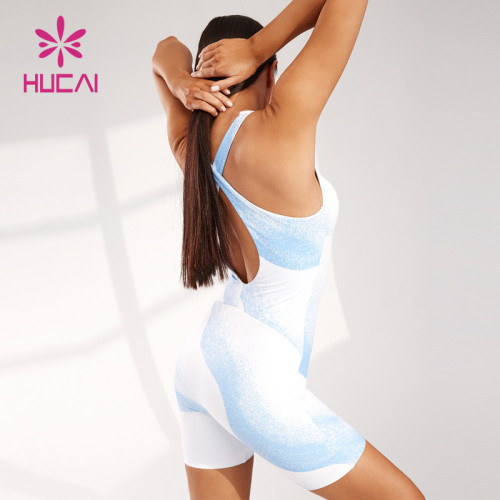
 Women's Training Bodysuits: Fit and Stretch Checks for Private Label DevelopmentNov 13,2026Bodysuit fit is decided by body length, gusset geometry, neckline tension and fabric recovery. This guide covers the three structural decisions, their sampling and costing trade-offs, proposed acceptance checks, bulk measurement records, and the RFQ inputs that reduce sample rounds.
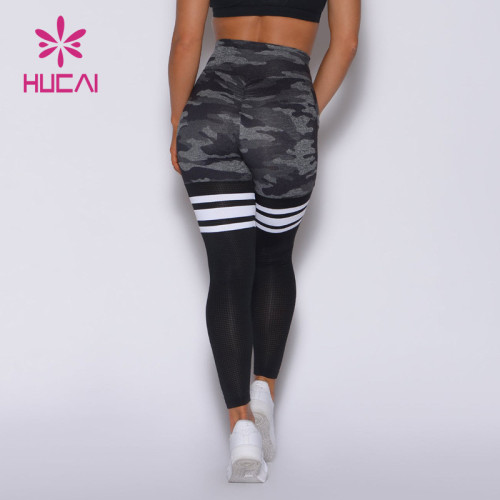
- Heat-Printed Leggings: How to Control Stretch Distortion and Print RegistrationNov 11,2026Print distortion and registration on heat-printed leggings are decided at pattern stage. This guide covers film-to-shell extension matching, two registration tolerances, proposed sample acceptance checks and the bulk records that keep printed leggings consistent.
- High-Support Sports Bras: How to Validate Strap and Underband Loads Across SizesNov 10,2026A development guide for brands building high-support sports bras: how to map the strap and underband load path, measure band tension and strap recovery in every graded size, grade the strap anchor separately, and re-test after movement and wash before bulk.
- Easy-Care Activewear: What Brands Should Specify for Washability, Shape Retention and Everyday UseNov 5,2026Easy care is a specification problem before it is a fabric problem. This guide sets out the six properties brands must define for washable activewear, how knit structure, elastane and dye depth decide care behaviour, where waistband and seam engineering affect shape retention, and the garment-level wash verification sequence to run before bulk approval.
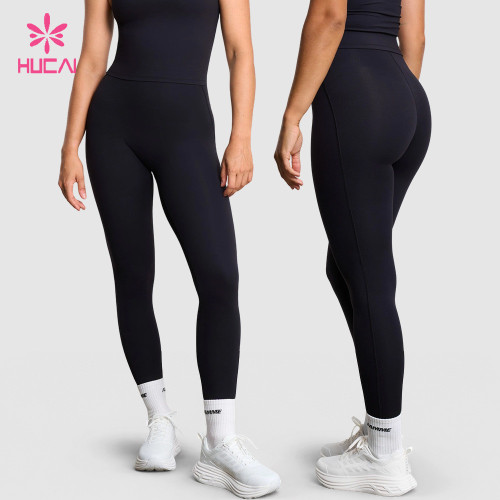
- High-Rise Leggings Specification: What Brands Should Define Beyond Waistband HeightNov 3,2026Waistband height is only one line of a high-rise leggings spec. This guide sets out the six items that decide roll-down, coverage and bulk consistency: band construction and tension, front and back rise, crotch curve, gusset, panel layout and graded rise increments, with five sampling checks.
- Stretch Woven vs Stretch Knit: Which Fabric Direction Fits Women's Active Pants?Nov 2,2026A development guide for women's active pants: how stretch woven and stretch knit differ in structure, which pant types each direction serves, how to specify stretch direction and recovery, and which seam, waistband and sampling decisions decide whether the chosen direction survives bulk.
- Studio to Cold Weather: How to Extend Women's Activewear Into Seasonal Layering SystemsOct 30,2026Extending a studio range into cold weather is a layering-system decision, not an extra style. This guide covers how to assign base, mid and shell roles, set fit allowance per size, pair fabrics for friction and shrinkage, and sequence samples so each layer is approved over the layer it actually covers.
- Repeated Wear and Product Longevity: What Activewear Brands Should Validate Before Bulk ProductionOct 29,2026Repeated wear exposes the failure modes a fabric test report cannot: surface pilling, dimensional change after washing, colour shift across panels, seam and elastic fatigue, and localized abrasion at wear points. This guide sets out what brands should validate before bulk, how to judge each point against a retained reference, and how to turn the result into a bulk inspection standard.
- Sandwashed, Brushed or Smooth? How Surface Finishing Changes the Handfeel and Positioning of Women's ActivewearOct 28,2026Sandwashed, brushed and smooth surfaces change handfeel, colour depth and positioning in women's activewear. This guide explains what each finish does to the base knit, where it fits, the lot and sampling risks it creates, and what brands should lock before a sample is cut.
- Fabric Recovery After Long Wear: Why Initial Stretch Tests Are Not Enough for Activewear SamplingOct 27,2026A single stretch test measures one cycle, one direction, and a few seconds of load. This guide sets out the repeated-load, post-wash, and garment-level checks that expose recovery failure during sampling, plus the spec fields a factory can test against.
- Wrinkle-Resistant Performance Fabrics: What Travel-Ready Activewear Actually Needs From the MaterialOct 26,2026How travel-ready activewear should define wrinkle resistance through fiber choice, knit or woven structure, finishing route, sampling validation and care-label planning.
- Coverage Without Heavy Compression: How to Develop Lightweight Studio Leggings That Still Feel SecureOct 26,2026Coverage in lightweight studio leggings is a structure decision, not a compression setting. This guide separates coverage, support and compression, explains how knit density, mass and recovery determine opacity, and shows how gusset, rise, waistband and lining choices hold coverage in movement. It also sets out a sample validation protocol for light, squat and displacement checks, with MOQ, sample and bulk timing for OEM and ODM development.
- How to Build a Base-Layer Set as a Product System, Not Just a Long-Sleeve Top and LeggingOct 26,2026A base-layer set only works as a product system when the top and bottom share one specification spine: colour approved on each substrate, a seam standard per piece, a defined hem-to-waistband interface, one paired size system, and bulk control by dye lot and paired inspection.
- Adaptive Activewear Design: When Accessibility Requirements Change the Garment ArchitectureOct 22,2026How accessibility requirements change closures, opening position and block ease in women's activewear, with validation steps for sampling and bulk.
- How to Develop a Sports Bra for Different Bust Needs Without Creating a Completely Separate CollectionOct 21,2026A development guide for brands deciding whether to answer bust-fit feedback with a second collection or with modules inside one block: fixed base geometry, underband configurations, cup and lining layers, strap and closure adjustability, a band-by-bust spec matrix, and the sample checks that show whether one block held together.
- Lightweight Warmth in Women's Activewear: How to Add Insulation Without Building a Bulky ProductOct 20,2026A development guide for brands adding lightweight warmth to women's activewear: how fiber and yarn direction, brushed-back, double-face, spacer and quilted structures, seam bulk budgets, layering allowance, and wash-recovery testing decide whether a warm layer stays light or turns bulky.
- Modal-Blend Activewear: Where Soft Drape Works—and Where Performance Requirements Take PriorityOct 19,2026A development guide for women's activewear brands deciding where a modal blend belongs: how drape behaves as a specification, which categories it suits, where recovery, opacity and pilling take priority, and the blend, seam, shrinkage and wash checks that should be agreed before sampling and bulk production.
- Barrel-Leg Active Pants: How to Engineer Volume Without Losing Movement FitOct 16,2026Barrel-leg active pants only read as designed volume when the extra width sits between the hip and mid-thigh and is released toward a controlled hem. This guide covers the hip-to-knee-to-hem ratio, the fabric drape and recovery that hold the shape, waistband and yoke stability under a fuller leg, seam and panel choices, and the movement tests to run before approving bulk.
- Natural Fiber vs Performance Blend Base Layers: Which Direction Fits Your Women's Collection?Oct 15,2026A B2B decision framework for women's base layer development. This article explains how activity intensity, sweat load, drying and care expectations, recovery targets, and brand positioning should decide whether a natural fiber or performance blend direction belongs in the collection, and what to confirm before sampling.
- Seam-Free Front Leggings: What Changes in Gusset, Rise and Fit Stability?Oct 15,2026A development guide for women's activewear brands building leggings with a smooth, seam-free front panel: how gusset shape and placement, the drafted front rise, panel stretch direction and waistband tension decide fit stability, plus the sample-stage and after-wash checks that define a pass and the grading controls that keep the approved fit repeatable.
- Merino Base Layers for Women's Activewear: What Brands Should Define Before SamplingOct 14,2026A development guide for brands building merino or wool blend base layers: how fibre fineness, blend ratio, fabric weight, the handfeel-versus-pilling trade-off, measurement and seam planning, and first-wash relaxation change the sample brief. Includes a pre-sourcing specification sheet, a decision check, and FAQ on MOQ, sampling, and bulk timing.
- Mastectomy Sports Bra Development: What Changes in Pocket, Support and Fit Architecture?Oct 12,2026A development guide for brands building pocketed and mastectomy sports bras: how pocket opening, layers, and anchoring, underband and cup architecture, and grading change the pattern and the sample review. Includes a pre-sampling checklist, wear-test review points, and FAQ on MOQ, sampling, and OEM/ODM direction.
- Building an Early-Fall Activewear Capsule With Relaxed Bottoms, Soft Layers and Performance CoresOct 5,2026Four to six styles, two fabric families, two to three coordinated colours: an early-fall capsule works when every piece has a defined role. This guide covers how to confirm the hero performance core first, add a relaxed bottom and a soft layer without fragmenting the fabric and colour programme, approve colour per fabric, and sequence sample rounds and MOQ across the whole capsule.
- Building an Early-Fall Activewear Capsule With Relaxed Bottoms, Soft Layers and Performance CoresOct 5,2026A capsule is not a smaller seasonal range; it is a small group of styles that share development decisions. This guide explains how to assign performance core, relaxed bottom and soft layer roles, hold a first capsule to two fabric families and two or three coordinated colours, sequence the samples and consolidate MOQ before committing to a brief.
- When Fashion-Led Woven Fabrics Meet Running Shorts: Movement, Drape and Construction Trade-OffsSep 30,2026A fashion-led woven can work in a running short when drape and appearance are balanced with stride mobility, recovery and construction compatibility. This guide covers where a woven shell has to give during the stride, why drape and handfeel do not predict running behaviour, how the liner, waistband and pockets must be confirmed together, and which sample run and wash checks decide whether the short is ready for bulk.
- High-Sweat Performance Fabric: What Weightless Should Mean in a Real Product BriefSep 29,2026Lightweight running and training fabrics are usually briefed with words like weightless, but weight is only one variable. This guide covers what a high-sweat fabric brief should define before sampling: target weight range and structure, opacity under stretch, recovery direction, damp-state behaviour, and construction and branding compatibility. Includes a brief-readiness checklist, a founder's note on evaluating fabric under load, and FAQ on coverage, recovery and MOQ.
- Textured and Ribbed Performance Fabrics: Stretch, Recovery and Seam Risks Brands Should ReviewSep 28,2026Ribbed and textured activewear fabrics change more than appearance: rib direction, stretch and recovery balance, opacity under tension, edge behaviour and branding compatibility shift together. This development guide explains what to define before sampling, how to review a textured sample, and which checks prevent the same issues returning in bulk. Includes a brief-readiness checklist, a founder's technical note on pattern rebalancing, and FAQ for private label programmes.
- Activewear as the Everyday Uniform: What Changes When Performance Clothing Must Work All DaySep 24,2026Activewear is increasingly merchandised as everyday clothing. This guide explains what changes when performance clothing has to work all day: compression tolerance, waistband pressure, seam bulk, opacity, pocket function, handfeel, layering and wash frequency. It covers how to define the product role, where a training-led standard fails over long wear, and how a growing brand can plan an all-day capsule before sampling.
- How a Longline or Contour Jacket Changes the Architecture of a Matching Activewear SetSep 23,2026Adding a longline or contour jacket changes a matching activewear set from a two-piece look into a three-piece system. This guide explains how jacket hem position, legging rise, fabric family, color standard, layering ease and sample sequence interact, and what growing brands and private label buyers should confirm before requesting samples.
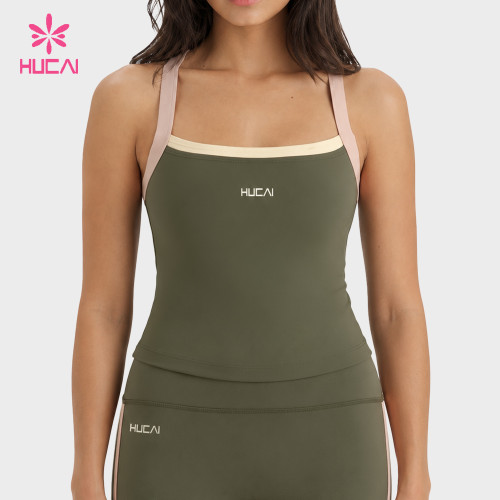
- Contrast Trim and Two-Tone Activewear: Building Brand Identity Without Relying on PrintsSep 22,2026A development guide for ODM and private label buyers building two-tone or contrast-trim women's activewear without relying on print. Covers why contrast details hold brand identity, panel/piping/binding options, colour and material compatibility, seam path and pattern alignment, sample approval points, and how bulk shade and seam consistency are controlled.
Let's Talk
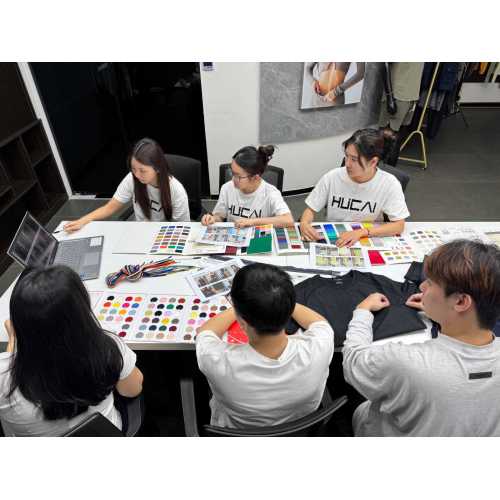
Hucai activewear manufacturer has 25 years of experience in producing fashion sportswear. We specialize in offering one-stop OEM and ODM services to sportswear brands and fitness influencers in Europe, the USA, Australia, and the Middle East. Our team of 25 professionals provides customized proposals and a wide range of design options.With over 100 skilled workers, 15 technical staff, and 4 pattern makers, we use MES systems and smart equipment, backed by a 5-step quality control process. Hucai is BSCI certified and has a global logistics network to ensure quality and timely delivery. For any inquiries, please feel free to contact us. We look forward to working with you!
- Name
- Phone
- *Title
- *Content
Hucai salesmen will read your requirements and reply to your message in the first time. Hucai salesmen will contact you by email, WhatsApp, phone and other means.Please pay attention to the email with the suffix “@hcsportswear.com”or“@fcsportswear.com”.
Categories
- New Arrivals
- Custom Leggings
- Custom Sports Bra
- Custom T Shirts
- Custom Tank Top
- Custom Shorts
- Custom Sports Suits & Tracksuits
- Custom Hoodie&Jacket
- Custom Crop Top
- Custom Skirt
- Custom Jumpsuit
- Custom Jogger Pants
- Custom Nordic Sportswear
- Custom Muslim sportswear
- Custom Gym Activewear
- Custom Matching Sets
- Women's Outerwear
Let's Talk
Hucai activewear manufacturer has 25 years of experience in producing fashion sportswear. We specialize in offering one-stop OEM and ODM services to sportswear brands and fitness influencers in Europe, the USA, Australia, and the Middle East. Our team of 25 professionals provides customized proposals and a wide range of design options.With over 100 skilled workers, 15 technical staff, and 4 pattern makers, we use MES systems and smart equipment, backed by a 5-step quality control process. Hucai is BSCI certified and has a global logistics network to ensure quality and timely delivery. For any inquiries, please feel free to contact us. We look forward to working with you!
- Name
- Phone
- *Title
- *Content
Hucai salesmen will read your requirements and reply to your message in the first time. Hucai salesmen will contact you by email, WhatsApp, phone and other means.Please pay attention to the email with the suffix “@hcsportswear.com”or“@fcsportswear.com”.