How Fabric Weight (GSM) Affects Activewear Performance and Cost
What Is GSM in Fabric?
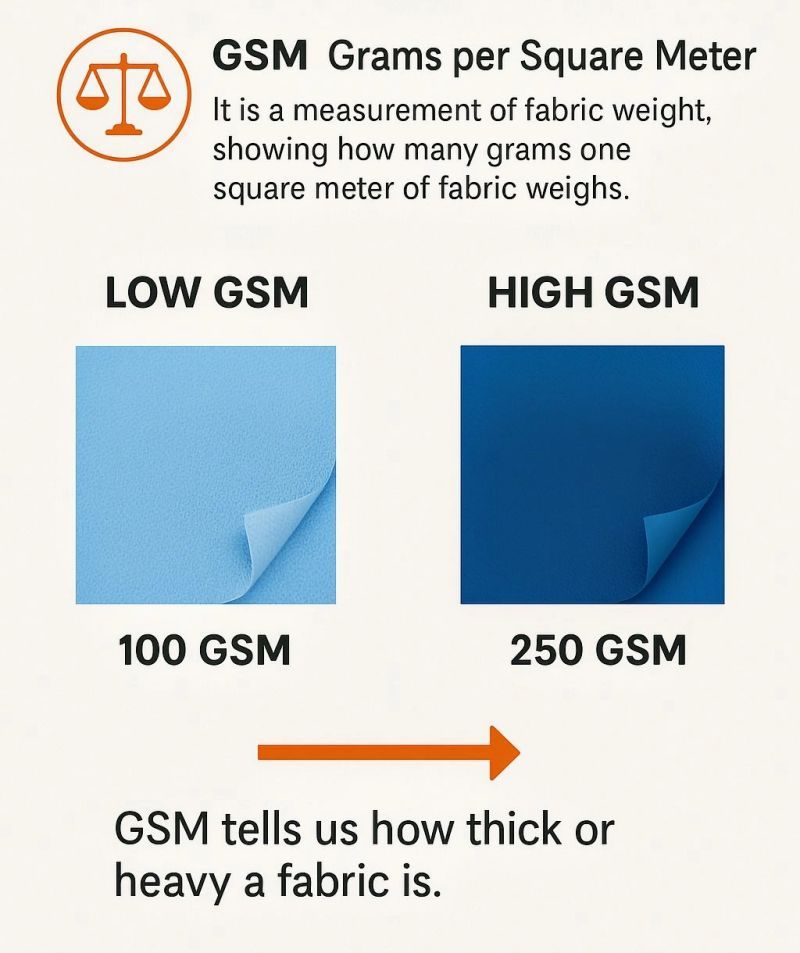
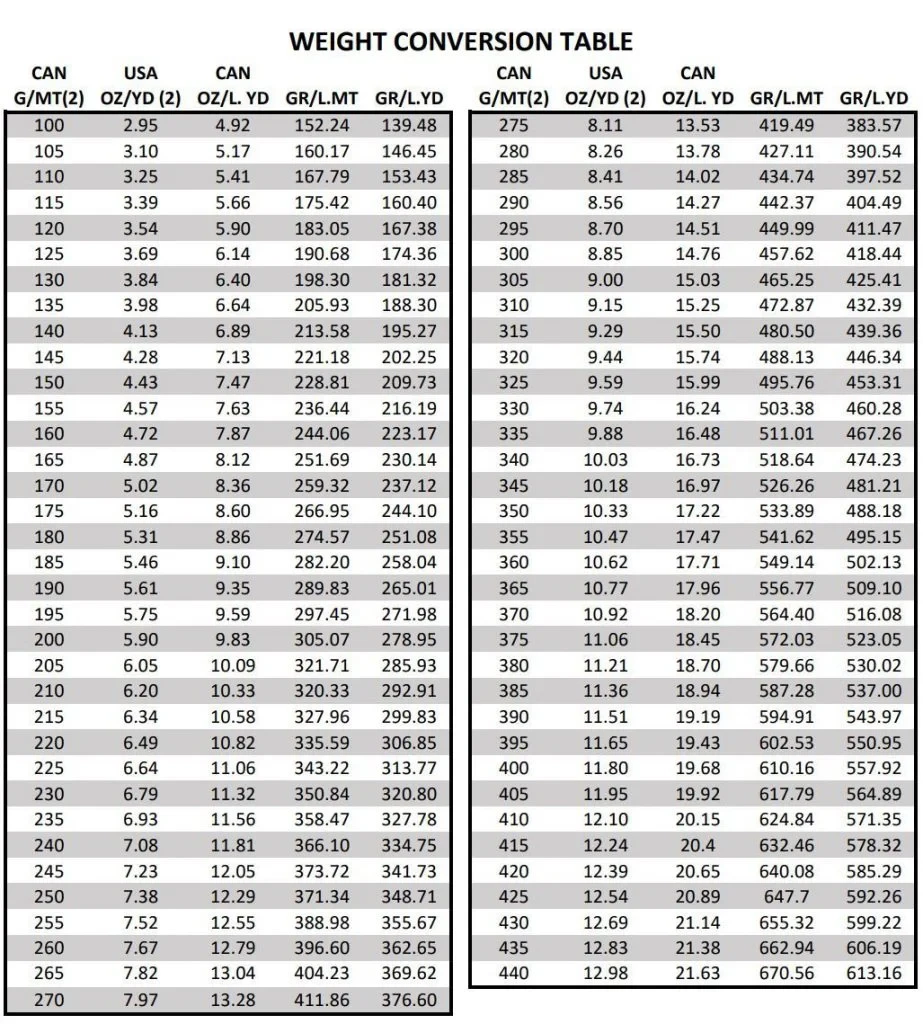
GSM (grams per square meter) is the standard way to measure fabric weight in sportswear manufacturing.
In simple terms:
👉 Higher GSM means heavier and usually thicker fabric
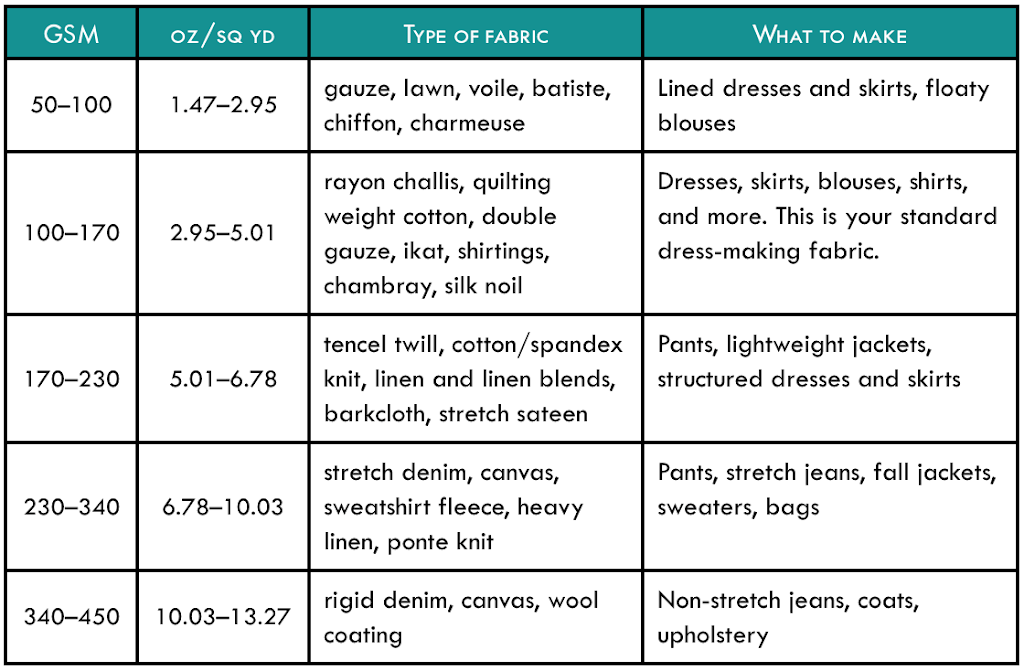
Typical ranges in activewear:
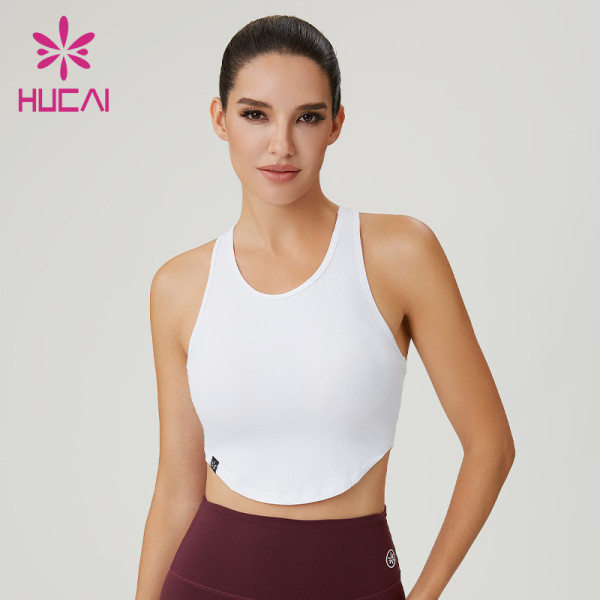
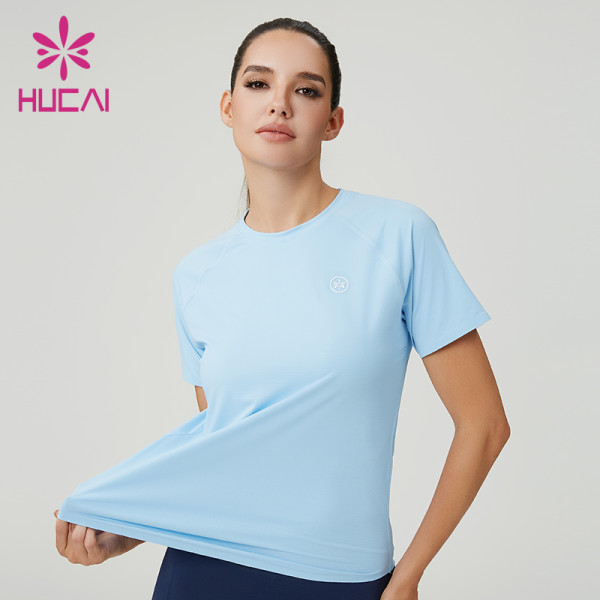
160–200 GSM → lightweight (T-shirts, summer tops)
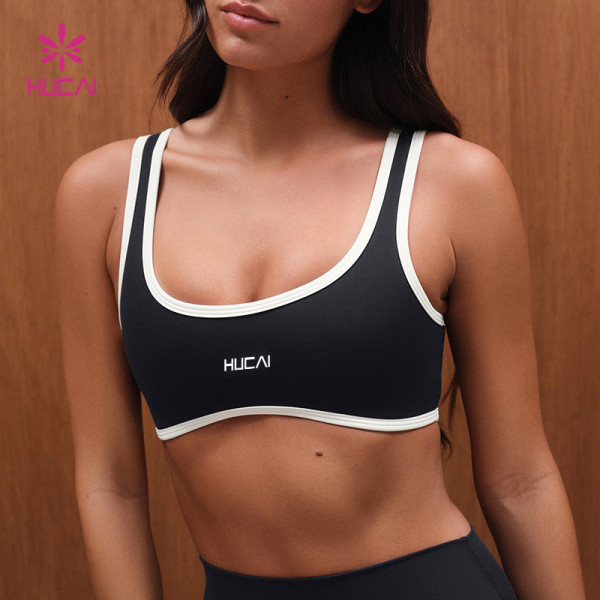
200–280 GSM → medium weight (leggings, sports bras)
280+ GSM → heavyweight (compression or shaping styles)
Why GSM Directly Impacts Fabric Cost
Many people assume fabric is expensive because it is “premium,” but from an OEM factory perspective, the logic is much more direct:
👉 GSM = material usage = cost
1. Higher GSM Means More Material Per Garment
Fabric cost is largely calculated by weight.
If GSM increases:
-more yarn is used per square meter
-each garment consumes more fabric
👉 In practice:
220 GSM → baseline
280 GSM → can increase cost by 15–25%
2. Higher GSM Often Requires a Denser Structure
To reach a higher GSM, mills typically:
-use more yarn
-knit the fabric more tightly
This results in:
-higher yarn consumption
-slower production efficiency
-more stable but more expensive fabric
3. Dyeing and Processing Costs Also Increase
Heavier fabrics:
-absorb more dye
-require longer processing time
In custom-dyed activewear, this can also lead to:
-higher dyeing costs
-increased MOQ requirements
How GSM Affects Activewear Performance
GSM is not just about cost—it directly changes how the product performs.
Low GSM (Lightweight Fabrics)
Performance:
-breathable
-quick-drying
-ideal for hot weather
Best for:
-running tops
-summer T-shirts
Limitations:
-less support
-may be slightly see-through
Mid GSM (Balanced Range)
Performance:
-good stretch and recovery
-balanced comfort and support
Best for:
-leggings
-sports bras
-most women’s yoga wear
👉 This is the most commonly used range in the industry
High GSM (Heavyweight Fabrics)
Performance:
-stronger compression
-better shape retention
-more structured appearance
Best for:
-shaping leggings
-premium product lines
Limitations:
-less breathable
-can feel warm in summer conditions
The Real Trade-Off: Performance vs Cost
In real sportswear manufacturer decision-making, GSM is not about choosing the highest number.
GSM is about balancing:
higher GSM → better structure and premium feel
lower GSM → better breathability and cost efficiency
👉 The goal is to match fabric weight with the product’s purpose and price level
Practical Recommendation (From a Manufacturer Perspective)
If you are developing a collection:
Spring / summer products
→ 180–240 GSM (lighter, more breathable, cost-efficient)
Yoga wear / leggings
→ 220–260 GSM (industry standard balance)
Shaping / premium styles
→ 260–300 GSM (more structure and support)
Fabric GSM plays a key role in both performance and cost in activewear. It determines how much material is used, how the fabric behaves, and how the final product feels and performs.
The right GSM is not the highest one—it is the one that fits your product, your market, and your pricing strategy.
How to contact us
➡️ Contact HUCAI today for your custom outerwear solution and connect with a team committed to premium quality and authenticity.