
How to Balance Soft Hand Feel and Performance Durability in Women's Activewear Fabric Selection
Soft hand feel and performance durability are often described as opposite forces in women's activewear fabric selection. For private label buyers, the real decision is not whether to choose one over the other, but how to set the balance before sampling so that the fabric direction matches the product category, the activity, and the brand positioning.
This article walks through how to balance soft hand feel and performance durability in women's activewear fabric selection from a manufacturer's point of view. It explains what each property actually means at the yarn and finish level, where the trade-off originates, which fabric direction variables move the balance, how to set durability targets by activity, what to review during the sample stage, and how OEM and ODM paths differ when fabric decisions are involved.
Quick Answer
The balance between soft hand feel and performance durability in women's activewear fabric is set by fiber direction, knit construction, GSM, surface finish, and spandex content, then confirmed through sample review against the intended activity. For studio and yoga categories, softer hand feel can usually be prioritized with controlled surface finishing. For training and running categories, durability targets such as pilling resistance, stretch recovery, and abrasion should lead the selection, with hand feel adjusted through finish rather than compromising yarn strength. The trade-off should be resolved before sampling, not left to bulk production.
Table of Contents
- Who This Article Is For
- What Soft Hand Feel and Durability Actually Mean in Fabric
- The Core Trade-Off and Why It Exists
- Fabric Direction Variables That Move the Balance
- Defining Durability Targets by Activity
- Sample-Stage Review Points
- OEM and ODM Paths for Fabric Decisions
- Decision Check
- Manufacturer Insight
- FAQ
- Final Takeaway
Who This Article Is For
- Primary reader: Private label buyers and product development teams building women's activewear lines who need a clearer fabric-selection framework.
- Secondary reader: Sourcing managers and brand founders comparing supplier fabric recommendations against internal product briefs.
- Product stage: Fabric direction confirmation before sampling, or fabric review during the first sample round.
- Problem being solved: How to resolve the soft hand feel vs performance durability trade-off without overcommitting to one property.
- Who may not need this article: Buyers who already have a confirmed tech pack with specified fabric, GSM, and yarn direction, or readers looking for consumer styling advice.
What you gain from this article: A clearer fabric direction framework that separates hand feel from durability, a way to set durability targets by activity, and a sample-stage review checklist that reduces repeated revisions between the first sample and bulk production.
What Soft Hand Feel and Performance Durability Actually Mean in Fabric Terms
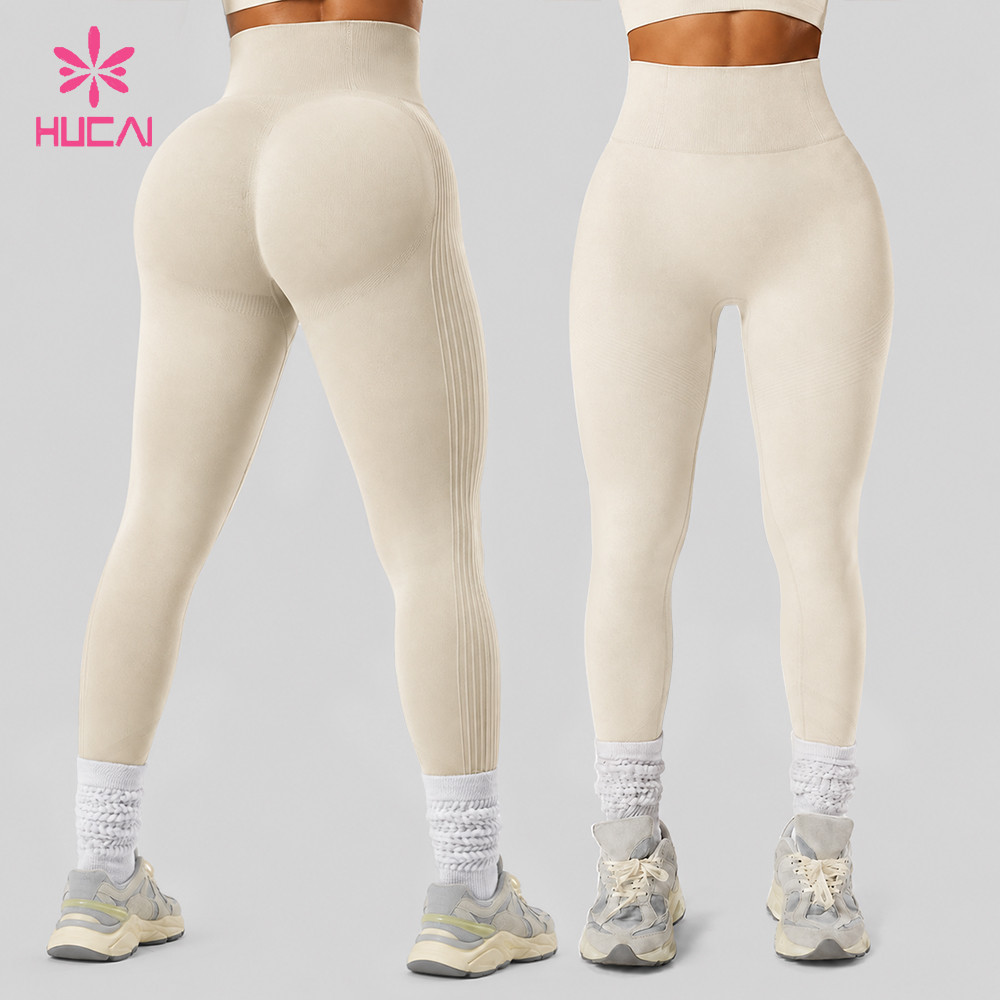
Soft hand feel refers to how the fabric surface feels against the skin and how the fabric drapes on the body. In women's activewear, soft hand feel is usually associated with a smooth or lightly brushed surface, a fluid drape, and low surface friction. It is influenced by yarn fineness, knit structure, GSM, surface finish (such as light sanding or peaching), and the proportion of spandex or elastane in the fabric.
Performance durability refers to how the fabric holds up under repeated wear, washing, stretching, and abrasion. For women's activewear, the key durability indicators are pilling resistance, abrasion resistance, stretch recovery after repeated wear, colorfastness to wash and perspiration, and seam stability. These are not single numbers; they are a set of behaviors that the fabric must maintain across the expected product life.
The two properties are measured and felt differently. Hand feel is perceived subjectively in the hand and on the body, while durability is evaluated through wear tests, wash cycles, and standardized textile tests. Confusing the two leads to development problems: a fabric can feel soft in the hand but pill quickly in the seat or inner thigh, or feel durable but feel stiff or boardy against the skin.
For private label buyers, the first fabric decision is to separate hand feel requirements from durability requirements and write them as two independent lists before the supplier conversation begins.
The Core Trade-Off and Why It Exists at the Yarn and Finish Level
The trade-off between soft hand feel and performance durability is rooted in fiber and surface treatment. Heavily brushed or peached surfaces feel softer, but the brushing process shortens surface fibers and reduces the fabric's resistance to pilling and abrasion. Higher tenacity yarns and tighter knit constructions improve durability but tend to increase fabric stiffness and reduce drape.
This is why a fabric that feels soft in a sample hand is not automatically suitable for a high-abrasion category, and why a fabric that passes pilling and abrasion tests may feel too firm for a studio or yoga product where the wearer expects a soft touch.
The trade-off is not fixed. It can be moved by:
- Yarn selection: Finer denier nylon or polyester yarns improve softness and drape; higher tenacity yarns improve durability and colorfastness.
- Knit construction: Denser knit structures increase durability and opacity; looser knits improve drape and softness but reduce stability.
- Surface finish: Light sanding or peaching improves hand feel with limited impact on durability; heavy brushing maximizes softness but reduces pilling resistance.
- Spandex content: Higher spandex increases stretch and recovery but can affect surface hand feel and print behavior.
A clear fabric direction specifies each of these variables, not just a generic soft and durable target.
Fabric Direction Variables That Move the Balance
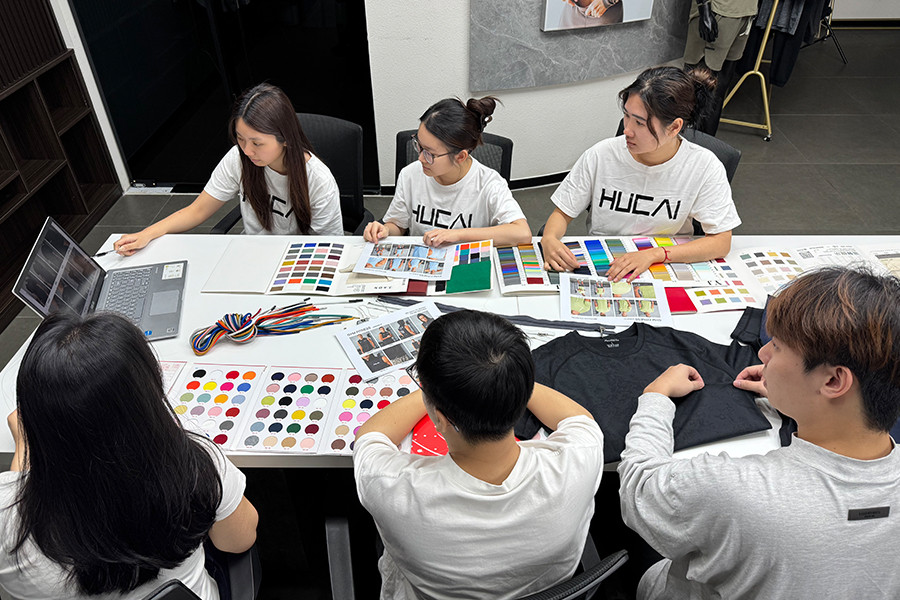
For private label activewear, fabric direction is set by five main variables. Each one shifts the balance between hand feel and durability.
Fiber type. Nylon tends to feel softer and more supple than standard polyester at the same denier, and it accepts surface finishes more readily. Polyester, especially high-tenacity polyester, improves durability and colorfastness but can feel firmer. Recycled or certified fiber options can be reviewed against project requirements, but the trade-off between sustainability targets and performance targets still needs to be confirmed.
Yarn fineness. Finer denier yarns (for example, 20D to 30D nylon rather than 40D to 50D) improve softness and drape but may reduce abrasion resistance. Coarser denier yarns improve durability and reduce pilling but feel stiffer.
GSM and knit density. Higher GSM and tighter knit improve opacity and durability but increase fabric weight and reduce drape. Lower GSM and looser knit improve softness and breathability but increase the risk of see-through issues and lower abrasion resistance.
Surface finish. Light sanding or peaching improves hand feel with limited impact on durability. Heavy brushing or excessive napping maximizes softness but shortens surface fibers and reduces pilling resistance. The finish should be specified in direction terms, not just in marketing language.
Spandex content and recovery. A 10% to 15% spandex content is common for leggings; 15% to 20% is used for higher-stretch applications. Higher spandex improves stretch and recovery but can affect surface hand feel and print behavior. Recovery requirements should be defined by the intended activity.
These five variables are not independent. Adjusting one affects the others. A development brief that lists only a target hand feel without specifying yarn, GSM, and finish will produce inconsistent sample results across sample rounds.
Defining Durability Targets by Activity
The right balance depends on the product activity, because hand feel and durability are weighted differently across categories.
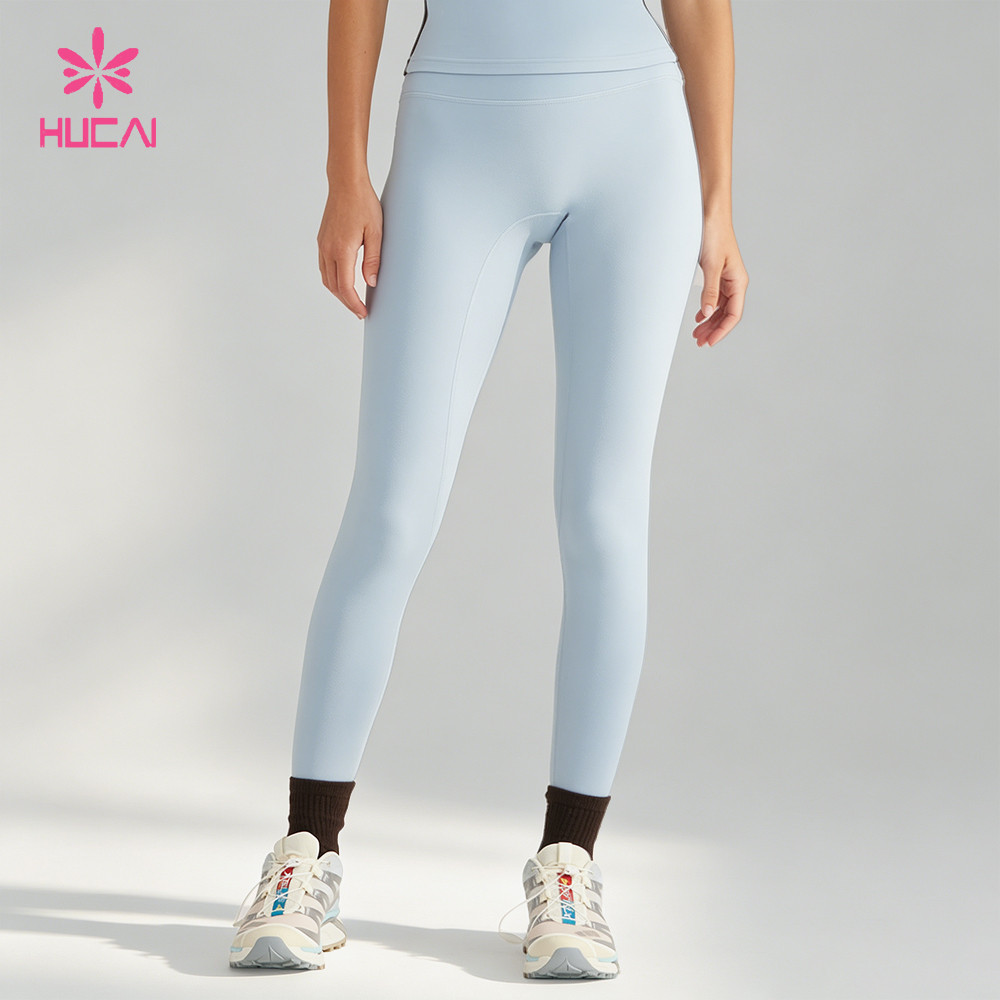
Studio and yoga. Hand feel and drape dominate. Buyers usually want a soft, fluid fabric that moves with the body and feels comfortable in long holds and slow movement. Durability targets can be moderate: standard pilling and colorfastness requirements for light commercial use. Heavy abrasion is not the main concern.
Training, HIIT, and gym. Durability leads. Fabric must resist pilling on the seat and inner thigh, hold opacity under deep squats and lunges, and maintain recovery after repeated stretching. Hand feel is still important for comfort, but it is secondary to durability.
Running and outdoor. Both stretch recovery and abrasion resistance matter, especially on knee and thigh panels. Fabric should handle repeated sweat exposure, wash cycles, and friction from movement and layering. Hand feel is adjusted through finish rather than by reducing yarn strength.
Recovery and loungewear. Hand feel dominates again, but with lower stretch and recovery demand than training wear. The fabric should feel soft and fluid, with moderate durability for casual use.
Setting the durability targets by activity before sampling keeps the sample conversation focused. Without activity-based targets, fabric samples tend to drift between a studio-soft direction and a training-durable direction, and neither goal is fully met.
Sample-Stage Review Points for Hand Feel and Durability
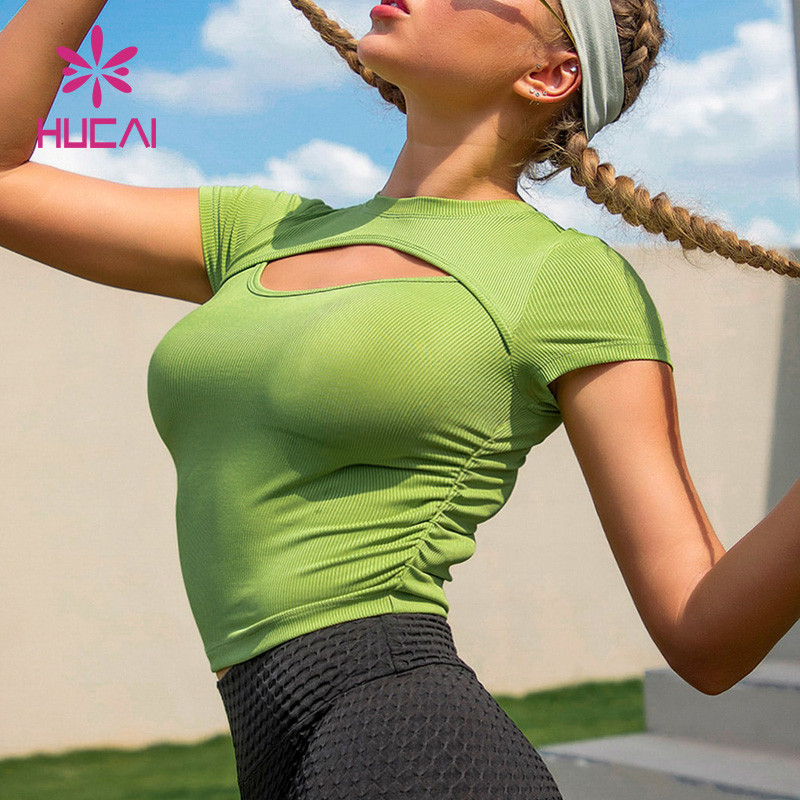
Sample review is where the trade-off becomes visible. Buyers should review both hand feel and durability behavior in the same sample round rather than across separate rounds.
Hand feel review. Check the fabric against the skin on the inner forearm and on the back of the hand. Check drape on a hanger and on the body. Compare the sample to a reference fabric or to a previously approved sample if available. Note whether the finish changes the surface appearance, for example whether a peached surface reduces sheen.
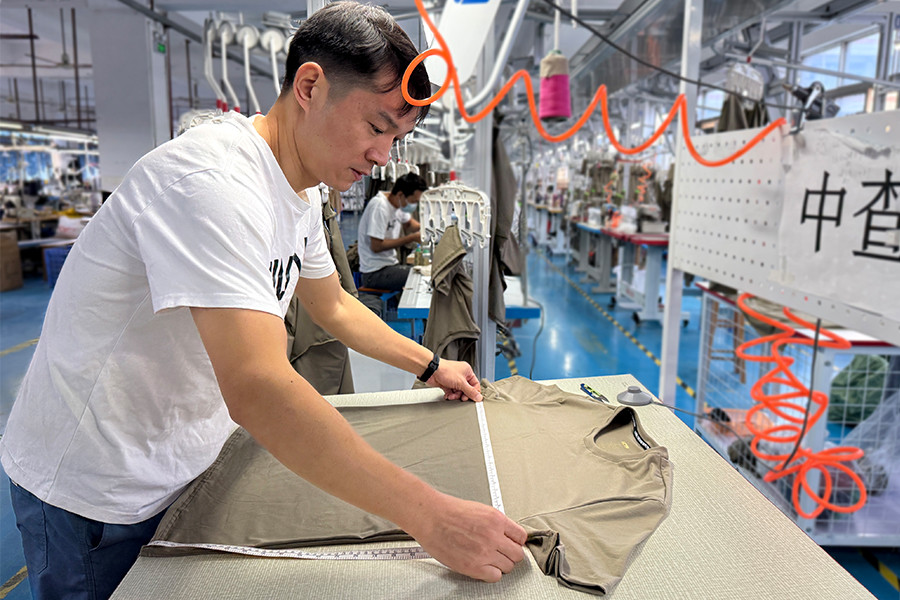
Durability review. Where possible, review the supplier's pilling and abrasion test results for the fabric grade, confirm stretch recovery after repeated hand-stretching, and check colorfastness to wash and perspiration documentation. These are review points for fabric grade selection, not automatic assurances for every garment.
Construction interactions. Hand feel and durability are also affected by construction. Seams, elastic trims, and panel joins can change local hand feel and can be failure points for durability. Confirm that the sample includes the intended seam type, elastic, and waistband construction before judging the fabric alone.
If a fabric passes hand feel review but fails durability review, the direction can be adjusted by tightening knit density, raising yarn tenacity, or reducing surface brushing, without changing the brand concept. If a fabric passes durability review but fails hand feel review, the direction can be adjusted by switching to finer denier yarn, light peaching, or a smoother surface finish, again without changing the brand concept.
OEM and ODM Paths for Fabric Decisions
The fabric balance between soft hand feel and performance durability is also a question of which development path the buyer is on.
OEM path. Buyers with a tech pack or with a confirmed specification for yarn, GSM, finish, and spandex content can move into fabric sourcing against that specification. The trade-off has already been defined. The development work focuses on confirming that the supplier's fabric grade matches the spec, that the sample is reproducible, and that the fabric remains consistent from sample to bulk.
ODM path. Buyers starting from reference images, an early product concept, or a capsule theme usually need fabric direction support before sampling. The supplier reviews the reference, proposes a fabric direction that balances hand feel and durability for the intended category, and confirms the direction through a first sample. Fabric variables are discussed openly because the buyer has not yet fixed them.
At HUCAI Sportswear, both paths are supported. For buyers with confirmed specifications, OEM review covers fabric grade confirmation, measurement chart, construction details, and sample priorities. For buyers with reference images or an early product direction, ODM support covers fabric and trim review, sample development, and capsule planning based on the confirmed project scope.
Sample development usually takes about 10-15 days, depending on style, fabric, trim, logo, revision requirements, and confirmed details. Bulk production often takes about 25-30 days after pre-production details and approvals are confirmed, depending on project scope, materials, processes, quantity, and scheduling.
Decision Check: Is the Fabric Direction Ready for Sampling?
Before requesting samples, confirm the following:
- Activity target is defined: Studio, training, running, or recovery, with secondary use cases noted.
- Hand feel target is written: A description of the desired surface feel and drape, not just the word soft.
- Durability targets are written: Pilling resistance, abrasion, stretch recovery, colorfastness, and seam stability, each with an acceptable minimum.
- Fabric direction variables are listed: Fiber type, yarn fineness, GSM, surface finish, and spandex content.
- Construction context is set: Intended seam type, waistband, and elastic trim are noted, so the sample reflects the final garment.
If four or five criteria are confirmed, the direction is ready for a structured sample request. If fewer than four are resolved, additional fabric direction work will reduce sample revision cycles and control sampling cost.
Ready to move from fabric direction to sampling? Buyers with a confirmed tech pack can share yarn, GSM, finish, and spandex specifications for OEM review. Buyers starting from reference images or a capsule concept can discuss fabric direction and sampling priorities with HUCAI Sportswear before the first sample round.
Manufacturer Insight
A common early-stage issue in fabric selection is that buyers describe the fabric only in marketing language, such as a soft or second-skin feel, without translating it into yarn, GSM, and finish specifications. The supplier then proposes a heavily brushed fabric to match the marketing direction, and the sample fails the first wear test for pilling. The trade-off between soft hand feel and durability is more effectively resolved before sampling by translating marketing language into measurable fabric direction variables. When the direction is specific, sample revisions stay within the same fabric family rather than restarting the selection each round.
FAQ
What is the difference between hand feel and durability in women's activewear fabric?
Hand feel describes how the fabric surface feels against the skin and how it drapes on the body. Durability describes how the fabric holds up under repeated wear, washing, stretching, and abrasion. The two are independent properties and should be specified separately in a fabric brief.
Does a soft hand feel always reduce durability?
Not always. Soft hand feel can be achieved with finer denier yarns and light surface finishing without significantly affecting durability. Heavily brushed or napped surfaces do tend to reduce pilling and abrasion resistance, so the finish level should be specified.
Which fabric direction balances softness and durability for yoga leggings?
For studio and yoga leggings, a medium-GSM nylon-spandex fabric with a light peached or smooth surface finish usually balances softness and durability. The exact yarn, GSM, and finish should be reviewed against the studio or yoga activity target rather than against a marketing description.
How should private label buyers define durability targets before sampling?
Durability targets should be defined by activity: pilling resistance, abrasion resistance, stretch recovery, colorfastness to wash and perspiration, and seam stability. Each target should have an acceptable minimum or a reference standard. Without activity-based targets, fabric samples tend to drift between studio and training requirements.
What fabric tests should be confirmed for activewear development?
Common review points include pilling resistance (such as Martindale or ICI pilling box), abrasion resistance, stretch and recovery behavior, colorfastness to wash and perspiration, and dimensional stability after wash. These are review points for fabric grade selection, not automatic assurances for every garment.
Can brushed and non-brushed panels be combined in one garment?
Yes. Mixed-finish paneling can place a softer surface on body-facing areas and a more durable surface on high-abrasion areas. The construction should be planned so that seam placement does not create weak points between finishes.
What is the MOQ for private label activewear fabric development?
The current public MOQ starts from 100 pcs per style. Final color, size, fabric, trim, logo, and packaging planning depends on the confirmed project.
Should a private label buyer send a tech pack or reference images for fabric selection?
Buyers with a tech pack and confirmed fabric direction can begin with OEM review of yarn, GSM, finish, and construction. Buyers starting from reference images or a capsule concept are usually better suited to ODM support, where the supplier proposes a fabric direction before sampling.
Final Takeaway
Balancing soft hand feel and performance durability in women's activewear fabric is a development decision that should be made before sampling. It is resolved by specifying hand feel and durability as independent targets, translating them into yarn, GSM, finish, and spandex content, weighting them by activity, and confirming them through sample review. When the fabric direction is specific, the sample conversation stays focused and bulk production consistency improves.
For buyers with confirmed specifications, OEM review covers fabric grade confirmation, sample priorities, and bulk coordination. For buyers with reference images or an early product direction, ODM support covers fabric and trim review, sample development, and capsule planning. Either path benefits from a fabric brief that separates hand feel from durability.
About HUCAI Sportswear
- Founded in 1998, specializing in women's activewear and sportswear manufacturing
- OEM and ODM development support for sports bras, leggings, shorts, tops, and matching sets
- Structured sample development and sample-to-bulk consistency control
- AQL 2.5-based inspection as part of the quality workflow
Current certification information can be reviewed during supplier evaluation based on the project and documentation requirements.
Recycled or certified material options can be reviewed based on project requirements and available documentation.