
Studio to Cold Weather: How to Extend Women's Activewear Into Seasonal Layering Systems
A studio legging and a light long-sleeve top can carry a spring range on their own. They stop carrying it in November. Once a buyer adds a mid layer and an outer shell, the collection stops behaving like a group of separate styles and starts behaving like a system: hems have to cover waistbands, sleeves have to clear cuffs, colours have to hold together across three different fabrics, and pattern ease has to absorb a garment that did not exist when the first block was graded.
Most seasonal extensions fail at that interface rather than inside any single garment. The jacket is fine. The legging is fine. The pair is not, because nobody defined how much garment sits on top of how much garment, or which surface touches which.
This guide covers how to extend a lightweight studio program into cold-weather layering in a way that can be specified, sampled and quoted. HUCAI Sportswear reviews layering briefs by fixing three things before a sample is cut: layer roles, fit allowance, and fabric pairing.
Quick Answer
A seasonal layering system works when each layer is specified by function and the interfaces between layers are defined before sampling. That means three decisions: which garment is the base, which is the mid layer, and which is the shell; how much ease each layer needs over the one beneath it; and which fabric surfaces can sit against each other without friction, shrinkage mismatch or colour drift. Brands that settle these three items before the first sample usually need fewer revision rounds and can quote the capsule with fewer unknowns.
Table of Contents
- Who This Article Is For
- Why a Studio Range Stops Working in Cold Weather
- Define the Layer Stack by Function, Not by Category
- Fit Allowance: What a Layer Needs to Sit Over Another
- Fabric Complementarity: Surface, Stretch and Shrinkage
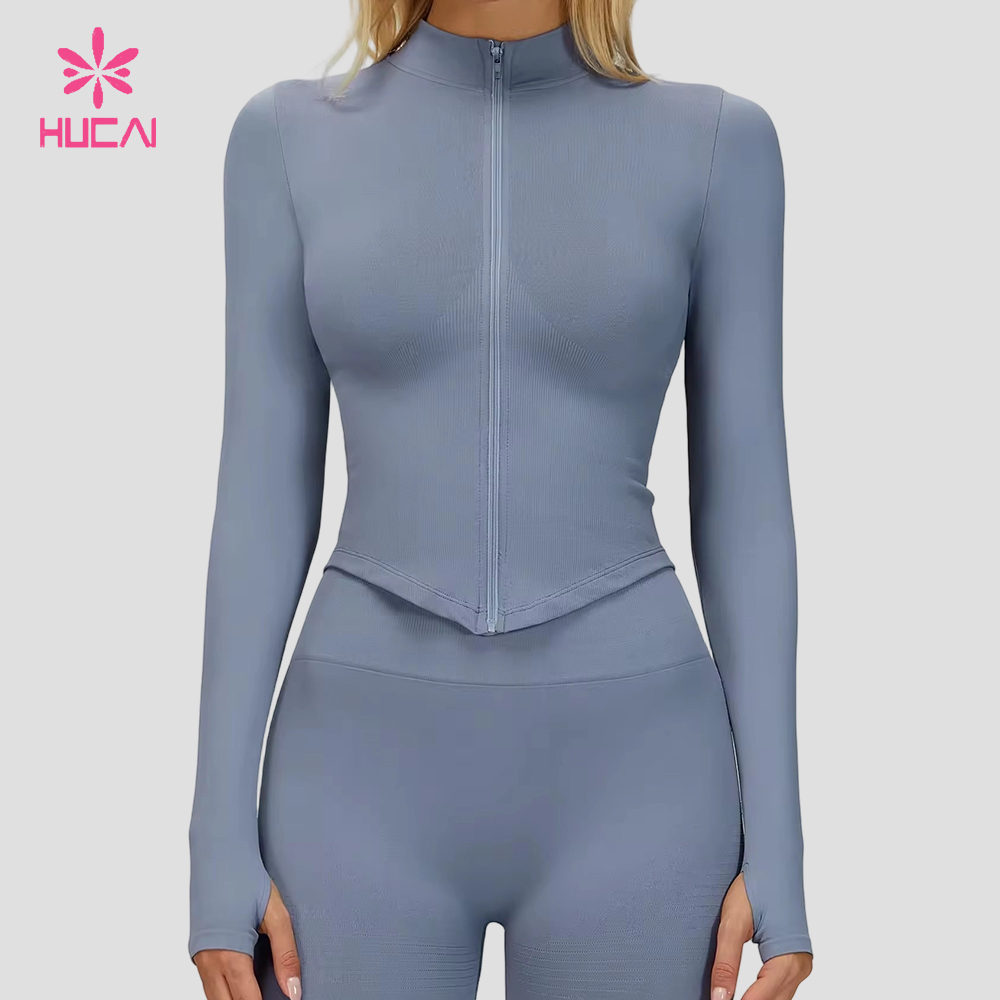
- The Interface Points That Decide Whether the System Holds
- Plan the Capsule as One System, Not Three Drops
- Decision Check
- Founder's Technical Insight: Jean Yuan
- FAQ
- Final Takeaway
Who This Article Is For
- Primary reader: growing women's activewear brands extending a studio, yoga or training range into autumn and winter without starting a second collection.
- Secondary reader: established brands adding a mid layer or outer layer to an existing base program and needing the interface defined in the tech pack.
- Development stage: base styles already selling, fabric direction partly chosen, no cold-weather sample approved yet.
- Problem being solved: the added layer looks right on its own but sits badly over the existing base — coverage gaps, riding hems, sleeve bunching, or colour that does not match across fabrics.
- Who may not need this article: buyers still choosing a category or a first product, with no base styles and no fabric direction confirmed.
What you gain from this article: a layer-by-layer brief structure, the fit allowance questions to answer before pattern work starts, a fabric pairing checklist, the six interface points that cause most cold-weather fit complaints, and a sample sequence that lets each layer be approved over the layer it will actually be worn with.
Why a Studio Range Stops Working in Cold Weather
A studio garment is designed to be worn alone. Its fit is resolved against the body, not against another garment. Its hem is placed where the eye expects the waistband to sit. Its sleeve length is set by the wrist. Add anything underneath or on top and those decisions stop being neutral.
Public product architecture from established running and training ranges shows the pattern clearly. These programs present base layer, mid layer and shell as a coordinated stack with stated roles, rather than as unrelated styles that happen to share a colour card. The design language is a system signal, and it is worth translating into development terms: the layers are engineered to work together, and the interface is part of the product.
For a brand extending a studio line, the practical consequence is that the existing base is not a fixed starting point. It is a variable. A high-waist training legging that works in a studio set may need a different waistband height, a longer body Rise or a tighter waistband edge once a mid layer will sit over it and a shell will sit over both.
Three costs follow from skipping that review. Pattern rework arrives after the base block has already been graded. Fabric is committed before the pairing has been washed together. And the sample round is spent discovering interface problems rather than confirming the design.

Define the Layer Stack by Function, Not by Category
The first decision is not which styles to add. It is what job each layer does. Categories are a merchandising language; functions are a development language. A hoodie and a windbreaker are both outer garments in a line sheet, but they behave completely differently over a base layer.
A working structure for women's cold-weather activewear usually needs three roles, and a fourth optional one.
| Layer | Job in the system | What must be specified |
|---|---|---|
| Base | Manages moisture next to skin and holds the silhouette the other layers sit on | Body fit, waistband height, gusset and seam placement, recovery at the waist and seat |
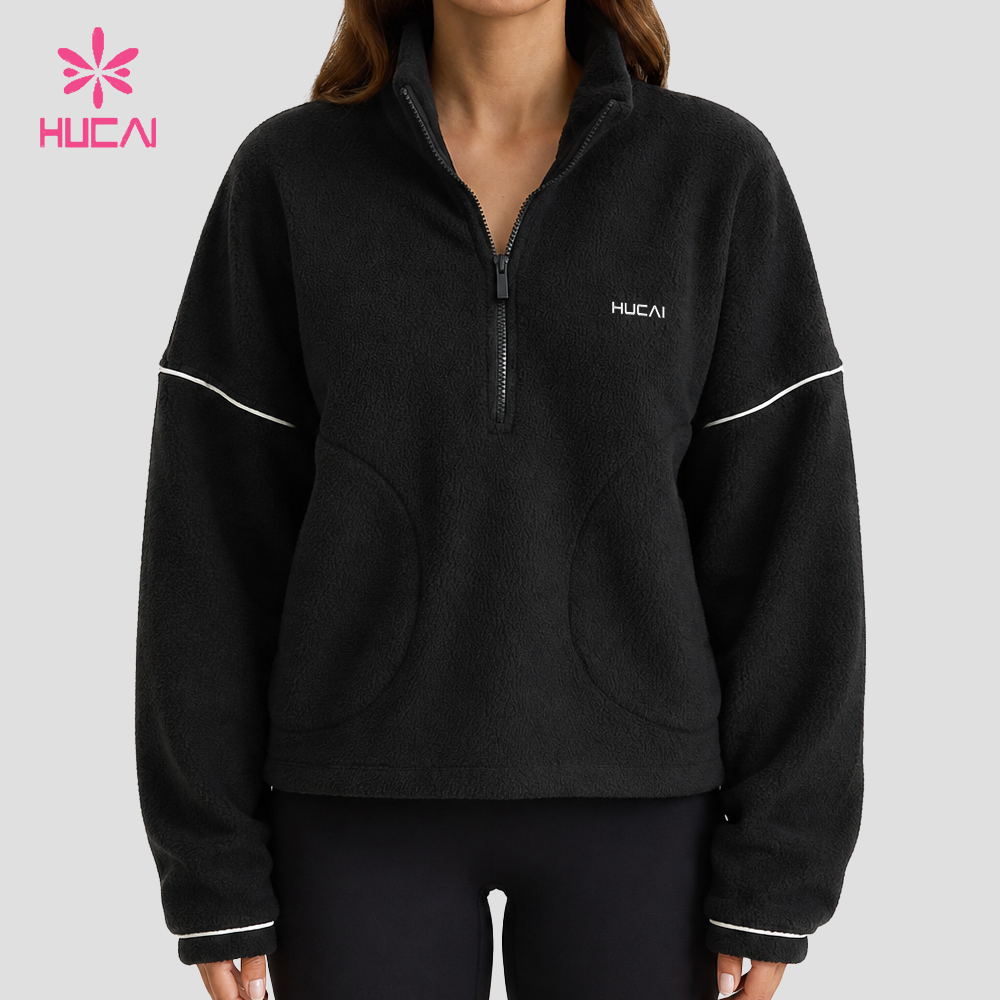
| Mid | Adds warmth and a second surface without locking movement | Ease over the base, sleeve and body length, surface texture, closure type |
| Shell | Blocks wind and light weather, and vents what the mid layer traps | Hem and cuff sealing, hood or collar, zip length, vent placement, packability |
| Optional connective | Bridges studio and outdoor use for warm-up, travel or low-output sessions | Whether it reads as a mid layer or an outer layer in the line, and which layer it is fitted over |
The optional fourth role matters more than it looks. Many brands try to make one piece cover both mid and outer duty to keep the SKU count low. That decision is legitimate, but it has to be made explicitly, because a garment fitted to be worn over a base layer only will not accept a fleece underneath it. The women's outerwear jackets range shows how different the same nominal category can be once the layer role is fixed.
Write the role into the tech pack. A line sheet entry that says "jacket" tells a pattern maker nothing about the body it has to cover.
Fit Allowance: What a Layer Needs to Sit Over Another
Fit allowance is where most layering programs quietly lose money. The usual mistake is to take the base block, add a fixed amount all round, and expect the pattern to work. Ease does not distribute evenly. A garment needs room at the chest and upper arm to let the layer beneath move, but it needs restraint at the hem and cuff or it will ride.
Four measurements decide whether the stack will behave.
- Chest and upper arm. These carry the largest movement demand. Allowance should be reviewed on the body, not on the flat pattern, with the base garment worn underneath.
- Body length against waistband position. The mid layer hem must overlap the base waistband by a defined amount in every size, after washing. This is a graded dimension, not a single point of measurement.
- Sleeve length against cuff. A shell cuff that sits over a mid layer sleeve needs the sleeve beneath to stay put when the arm bends. If the mid layer sleeve is short, the cuff pulls it up.
- Rise and seat. On the bottom half, the base carries the load. A mid layer legging or a shell trouser must clear the base waistband without compressing it, or the base edge will roll.
Then check the same allowance in the smallest and largest size. Ease added as a fixed number tends to disappear at the top of the grade and balloon at the bottom. If the allowance is specified as a range per size, the pattern maker can hold the interface instead of the number.
One more specification is often missing: what the layer is fitted over. A mid layer sampled on a dress form tells you it hangs. It does not tell you whether it stays put over a brushed base. Record the intended under-layer in the brief, and sample against it.
Fabric Complementarity: Surface, Stretch and Shrinkage
Two fabrics can both be suitable for activewear and still be wrong for each other. Pairing is a separate decision from selection. It has to be reviewed on four properties.
Surface friction. A smooth-faced outer layer slides over a smooth base. A brushed or fleece-backed mid layer grips a brushed base, and the base rides up as the arm lifts. The fix is usually a surface change on one side of the pair, not a fit change. When a mid layer has to be brushed inside for warmth, specify a smoother face on the base or a lower-friction lining at the shoulders.
Stretch direction and recovery. Knitted activewear is rarely symmetric. A base with strong lengthwise recovery under a mid layer with looser widthwise recovery will produce a hem that grows during a session. Stretch properties for low-power knits are commonly reviewed against a method such as ASTM D2594, and the reading should be compared between the two fabrics rather than judged in isolation.
Shrinkage differential. This is the pairing risk that shows up latest. A base knit and a fleece mid layer can both pass their own dimensional-change check and still move differently after a home wash. AATCC 135 covers dimensional change after laundering and is the check worth running on the pair, at the same time, with the same care instruction. A difference of a few percent on body length is enough to close a coverage gap or open one.
Colour across substrates. The same colour reference does not read identically on a smooth polyamide-elastane base and a brushed polyester fleece. Surface reflectance and dye uptake differ. Colour fastness to domestic washing is a separate question again, covered by a method such as ISO 105-C06. Approve colour on the actual substrates, under the same light, and specify the tolerance the brand can accept between layers.
The pairing logic sits inside material selection rather than replacing it. The activewear fabric selection guide covers how each property is chosen; this article covers how two chosen fabrics are checked against each other.

The Interface Points That Decide Whether the System Holds
Six interfaces account for most cold-weather fit complaints. Each one can be specified, and each one is cheap to fix at pattern stage and expensive to fix after bulk.
- Hem to waistband. Define the overlap in centimetres per size and re-measure it after the wash test. This is the single most common coverage failure in women's layering.
- Cuff to sleeve. Decide whether the shell cuff closes over or under the mid layer sleeve, and whether a thumbhole or internal cuff is needed to stop the sleeve rotating.
- Collar and neckline. A high base neckline under a lower mid-layer collar creates a visible band and a cold gap. Fix the neckline stack, not just the height.
- Zip and garage. Zip length must be set against the collar height of the layer beneath. A short zip on a high-collar mid layer pulls the collar sideways when closed.
- Pocket access. Pockets placed for a single layer sit in the wrong place once a mid layer is added. Test access with the full stack worn.
- Venting. A shell that seals hem and cuff completely will trap heat from the mid layer during movement. Decide where air leaves before the pattern is closed.
These are development decisions, and they are also the point where OEM and ODM briefs diverge. In an OEM brief the buyer usually defines the interfaces in the tech pack. In an ODM development route the interfaces are proposed during product direction review, then confirmed on the first sample. Either way, they should be written down before cutting, not discovered in a fit session.
Plan the Capsule as One System, Not Three Drops
Once the roles, the allowance and the pairing are defined, the capsule can be planned as a single development program. That changes how the range is built, sampled and quoted.
Start from the base you already sell. Confirm whether the existing base needs a fit revision for layering before adding new styles. A waistband height change on one base style is cheaper than reworking every mid layer to accommodate it.
Add mid layers by function, not by silhouette count. One insulating mid layer and one lighter connective piece usually covers the range. Two insulating mid layers with the same job will compete with each other in the line and in the sample budget.
Keep one shell. A single shell that vents and seals correctly is worth more than two shells that each solve half the problem.
Coordinate colour on purpose. Two core neutrals that read consistently across all three substrates, plus one seasonal accent used in at least two layers, gives buyers a system they can merchandise. A colour that exists only on the shell isolates the piece.
Sample in stack order. Approve the base fit first. Then sample the mid layer over that approved base. Then sample the shell over both. Sampling three layers in parallel is faster on paper and slower in practice, because every interface change restarts the other two. HUCAI Sportswear sequences layering samples in that order so each garment is reviewed against the layer it will actually cover.
The sample sequence and revision policy are worth confirming with the factory at brief stage; the sample development policy sets out how rounds, revisions and approvals are handled. Public MOQ starts from 200 pcs per style, and final planning depends on the confirmed colour, size, fabric, trim and customization scope.
Decision Check: Is the Layering System Ready to Sample?
Before requesting cold-weather samples, confirm the following:
- Layer roles: every style in the capsule is assigned a base, mid, shell or connective role, and the role is written in the brief.
- Under-layer reference: each mid layer and shell names the exact base style and size it was fitted over.
- Interface dimensions: hem-to-waistband overlap, cuff-to-sleeve relationship, neckline stack and zip length are specified per size, not as a single sample measurement.
- Pairing test plan: the two fabrics that will touch are washed and measured together before bulk fabric is committed.
- Colour on substrate: each layer colour is approved on its own fabric, with a stated tolerance between layers.
If three or more criteria are confirmed, the system is ready for a structured sample request. If fewer than three are resolved, additional development planning will reduce revision cycles and control cost.
Mid-Article Checkpoint: Whose Brief Is This?
If your team already holds a tech pack with measurements and construction details, the layering review belongs inside an OEM development brief, where the interfaces are specified and confirmed. If the capsule is still at reference-image stage, the interface decisions are proposed during ODM product direction review and locked at first sample. In both routes the same three documents decide the outcome: the measurement chart, the fabric pairing record, and the approved sample set in stack order. HUCAI Sportswear reviews a layering brief against those three documents before quoting, because they are also the documents that set the cost of the capsule.
Founder's Technical Insight: Jean Yuan's Development Note
The failure I see most often in layering programs is not a fit error. It is a shrinkage error that looks like a fit error.
A base knit and a brushed fleece mid layer are usually developed with different mills, different yarn counts and different relaxation behaviour. Each one passes its own dimensional-change check. Then the pair is washed and the mid layer body length changes more than the base does. The hem that overlapped the waistband by three centimetres in the sample now sits at the waistband, or above it. The buyer reports a coverage problem; the pattern is blamed; the pattern was correct for the unwashed fabric.
Two production details make it worse. Brushed-back fleece is sensitive to needle and feed settings: a slightly aggressive feed can distort the loop side, and the garment measures correctly on the table but relaxes differently after the first wash. And when the mid layer is cut from a roll that has not been relaxed long enough, the length loss appears after cutting rather than before it.
What we check before releasing a layering sample set at HUCAI Sportswear:
- Wash the two fabrics together, not separately, using the care instruction that will be printed on the label.
- Measure body length, hem width and sleeve length on both garments before and after, and compare the change rather than the pass.
- Hold the cut fabric long enough for relaxation, and cut the mid layer after the base is approved, not alongside it.
- Check stitch tension and needle size on the brushed face before production, and confirm the seam does not grin under stretch.
- Re-measure the hem-to-waistband overlap on the washed sample in the smallest and largest size, because the interface usually fails at one end of the grade.
None of this is expensive. All of it has to happen before the sample is presented as approved, or the correction moves into bulk.
FAQ
What is a seasonal layering system in women's activewear?
A seasonal layering system is a small group of garments designed to be worn together in a defined order: a base layer against the skin, a mid layer for warmth, and a shell for wind and light weather. The defining feature is not the number of styles but the interface between them — the fit allowance, fabric pairing and coverage points that let the layers work as one product.
How many pieces does a basic cold-weather layering capsule need?
Three roles are enough to start: one base set, one insulating mid layer, and one shell. A fourth connective piece — a warm-up or travel layer — is optional and usually added when the range needs to bridge studio and outdoor use. More styles in the same role compete with each other rather than extending the system.
Can we extend an existing studio legging and bra range without new patterns?
Usually not without at least one revision. Existing base styles often need a waistband height, rise or hem adjustment so that a mid layer can sit over them without compressing the edge. Reviewing the base first is cheaper than reworking every new layer around its current dimensions.
How much fit allowance should a mid layer have over a base layer?
There is no single figure that works across sizes and fabrics. Allowance should be set per size range as a working range, reviewed on the body with the base garment worn underneath, and checked at the smallest and largest size. Fixed ease added uniformly tends to disappear at the top of the grade and over-inflate at the bottom.
Which fabrics work together in a layering system?
Pairings should be checked on four properties: surface friction between the two faces, stretch direction and recovery, shrinkage behaviour after the same wash, and colour appearance on each substrate. Two fabrics that each pass their own checks can still be a poor pair if they move differently after laundering.
How do we avoid colour mismatch between layers?
Approve each colour on the actual fabric it will be produced in, not on a single reference swatch, and state the tolerance the brand can accept between layers. Smooth and brushed surfaces reflect light differently, so an identical colour reference will not read identically across a base knit, a fleece and a woven shell.
What sampling sequence should a layering capsule follow?
Approve the base fit first, sample the mid layer over that approved base, then sample the shell over both. Sampling the layers in parallel shortens the calendar on paper but lengthens it in practice, because any interface change restarts the other two samples. Sample development usually takes about 10-15 days, depending on style, fabric, trim, logo, revision requirements and confirmed details.
What is the minimum order for a layering capsule?
The current public MOQ starts from 200 pcs per style, while final colour, size, fabric, trim and customization planning depends on the confirmed project. Bulk production often takes about 25-30 days after pre-production details and approvals are confirmed, depending on project scope, materials, processes, quantity and scheduling.
Final Takeaway
Extending a studio range into cold weather is a system decision before it is a product decision. Fix the layer roles, set the allowance per size, and pair the fabrics against each other before any pattern is cut. Everything that goes wrong later — the hem that stops covering the waistband, the sleeve that pulls out of the cuff, the colour that shifts between layers — traces back to one of those three items being left open.
The next preparation step is small and specific. Put the under-layer reference, the interface dimensions and the fabric pairing record into one brief, then sample in stack order. That document is what makes the capsule quotable.
About HUCAI Sportswear
- Founded in 1998, HUCAI Sportswear is a women's activewear and sportswear manufacturer based in Humen, Dongguan, China
- OEM, ODM and private label development for sports bras, leggings, shorts, tops, hoodies, jackets, vests and matching sets
- Structured sample development with fabric, trim, pattern and CAD support before bulk production
- Quality workflow aligned with AQL 2.5 inspection principles and sample-to-bulk consistency control
Current certification information can be reviewed during supplier evaluation based on the project and documentation requirements.