
What Growing Brands Should Know Before Developing a Golf Activewear Line
Golf apparel is moving beyond the traditional clubhouse uniform. Women's golf wear now sits at the intersection of performance sportswear and on-course dress standards, and growing brands are treating it as a real category rather than a seasonal add-on. The common mistake is approaching a golf line as ordinary activewear with a collar attached. The swing itself changes the requirements: shoulder and back mobility, a stable but flexible waistband, a skirt or skort length that respects course rules, and fabrics that hold their shape through a full round. HUCAI Sportswear works with private label and growing brands to translate these requirements into a development plan before sampling, so the first sample reflects the actual demands of the course instead of a generic activewear silhouette.
Quick Answer
Before developing a women's golf activewear line, a growing brand should treat golf as its own functional category, not a rebadge of yoga or training wear. Confirm the target scenario first — on-course play, driving range, or off-course lifestyle — because each changes the construction and dress-code constraints. Then lock the fabric direction for stretch and recovery, decide the skirt or skort length against course standards, and choose an OEM path with a complete tech pack or an ODM path from reference images. The public MOQ starts from 100 pcs per style, and sample development usually takes about 10-15 days, so the earlier the construction is clarified, the fewer revision cycles the line will carry.
Table of Contents
- Who This Article Is For
- Why Golf Is Its Own Activewear Category
- Top Structure: Polo, Sleeveless, and Tank Decisions
- Bottom Structure: Skort, Pant, and Short Decisions
- Fabric Direction: Stretch, Recovery, and Course Comfort
- Fit and Swing Mobility Across the Shoulder and Back
- OEM vs ODM, Sampling, and MOQ Planning
- Decision Check
- Manufacturer Insight
- FAQ
- Final Takeaway
Who This Article Is For
- Primary reader: Growing brands planning their first or second women's golf apparel capsule
- Secondary reader: Private label buyers adding a golf category to an existing activewear program
- Product stage: Early planning through pre-sampling definition
- Problem being solved: Translating golf's swing, dress-code, and fabric requirements into a development plan before the first sample
- Who may not need this article: Brands with a complete, tested golf tech pack already moving to bulk, or retailers sourcing finished off-the-shelf styles
What you gain from this article: A sourcing-advisor view of the decisions that separate a golf line from generic activewear, covering top and bottom construction, fabric direction, swing mobility, dress-code constraints, and the OEM or ODM path that fits your current inputs.
Why Golf Is Its Own Activewear Category
Golf looks calm from the outside, but the physical demands are specific. A full swing repeats a rotational movement through the shoulders, torso, and hips dozens of times in a round, and a player walks several kilometres between shots. That combination of repeated rotation and sustained wear means the fabric must recover through the day, and the seams must not restrict the back or underarm at the top of the swing.
There is also a dress-code layer that most other activewear categories do not carry. Many courses and clubs expect a collared top, a skirt or skort of a minimum length, and a restrained overall look. These are not marketing preferences; they affect measurements, hem placement, and the style brief itself. A brand that ignores them builds a sample that cannot be worn in the environment it was designed for.
The practical conclusion is that golf should be briefed as its own category from the start. The top, the bottom, and the fabric all carry requirements that a yoga or training block would not surface on its own.
Top Structure: Polo, Sleeveless, and Tank Decisions
The golf top usually starts with three structure choices: a collared polo, a sleeveless or collarless performance top, or a tank. Each carries a different development trade-off, and the decision should follow the target scenario rather than the trend of the moment.
A collared polo is the safest entry for on-course use because it satisfies the most common dress standards. The collar needs a structure that sits flat through a swing, which means the collar construction, the placket, and the button or snap placement are all sample-stage review points. A sleeveless top reduces restriction at the shoulder but may not pass stricter course rules, so it often fits driving-range or off-course use better. A tank is the least restricted and usually belongs to warm-weather or lifestyle capsules.
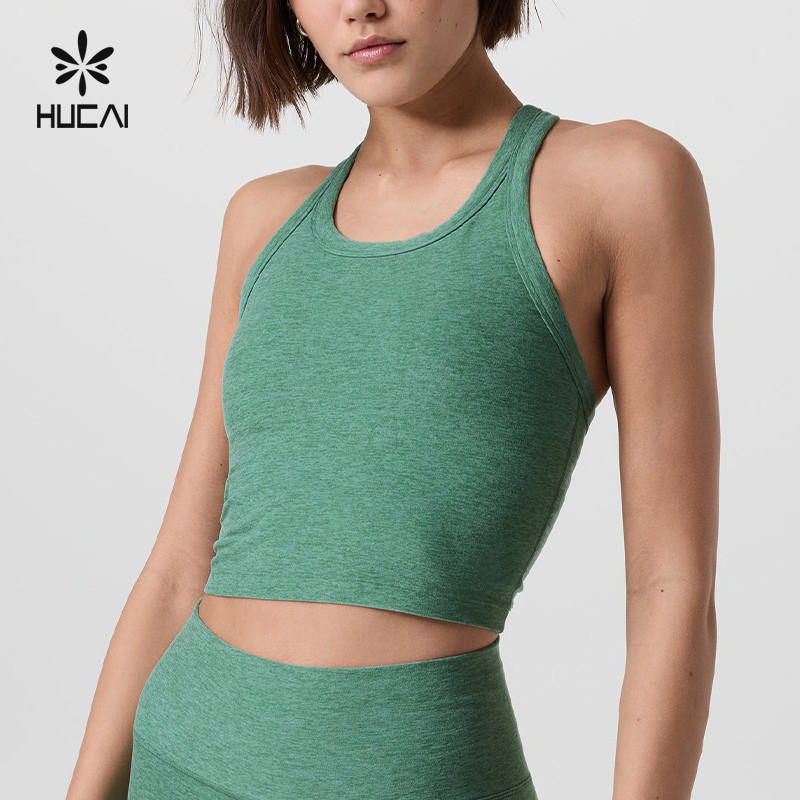
From a sourcing view, the key is to confirm the neckline and collar requirement before sampling. Changing a collar style after the first sample typically means a new pattern and a new fit review, which adds revision cycles. If the brand already has a defined top, a sports bra or performance top development partner can review the neckline, support direction, and shoulder mobility together.
Bottom Structure: Skort, Pant, and Short Decisions
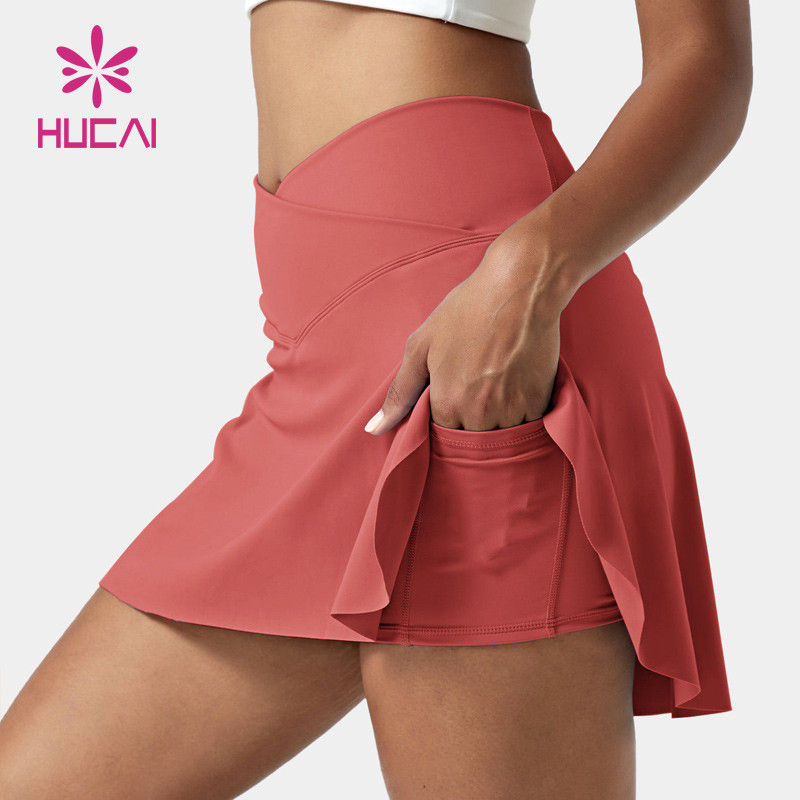
The bottom is where dress code and movement meet most directly. A skort — a skirt with a built-in short underneath — is the most common women's golf bottom because it combines a course-appropriate look with the coverage and freedom of a short. The two layers need to move together without riding or twisting, so the inner short construction and the outer skirt hem are both review points.
A full-length or cropped pant suits cooler-weather capsules and stricter club settings. The trade-off is that a pant must hold its shape through walking and repeated bending, which shifts attention to the waistband and the fabric recovery. A golf short sits between the two and is the most straightforward to develop, but it is also the most restricted by course length rules.
The practical decision is driven by the season and the target course standard. A capsule that mixes a skort for warm weather and a pant for cool weather is common, but each style counts as a separate development item for MOQ and sampling purposes. Brands adding a golf bottom alongside an existing line can often reuse the leg and waistband logic from a custom leggings or pants development program.
Fabric Direction: Stretch, Recovery, and Course Comfort
Golf fabric has to do two things at once: give enough stretch for a full rotational swing, and recover so the garment does not bag out by the back nine. This is different from a yoga fabric, which prioritizes stretch above all, and different from a running fabric, which prioritizes moisture movement above structure.
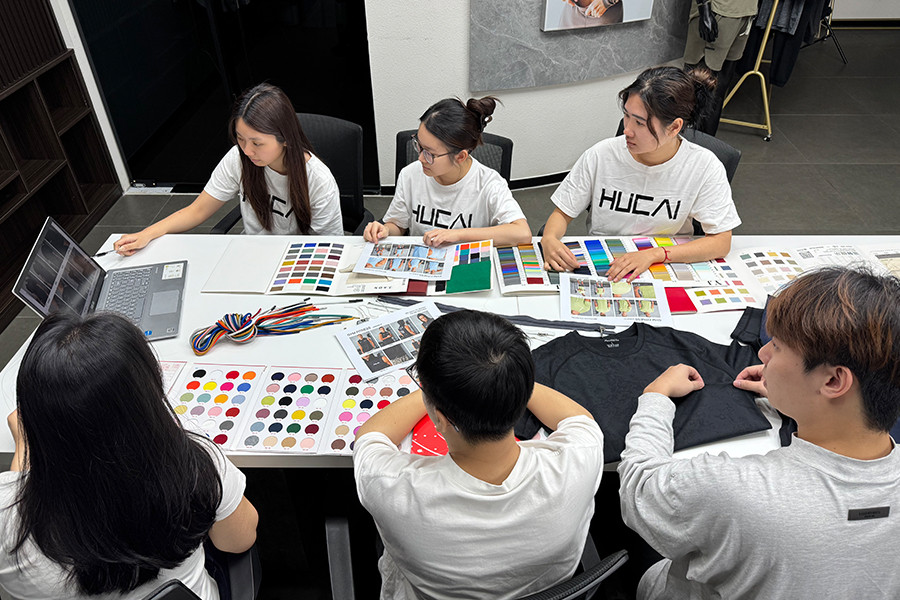
The development question is therefore about balance, and it should be defined as a requirement rather than guessed from a swatch. The relevant points to confirm before sampling are the stretch direction and level, the recovery after repeated movement, the surface hand feel against the skin, and the opacity of a skirt or pant in lighter colors. These are direction-setting choices, not fixed performance claims, and they are more reliably confirmed through the sample rather than inferred from a reference image.
A brand that has already worked through its fabric library can review the options against golf's specific needs. For a deeper read on how fabric properties change product structure and fit, the activewear fabric selection guide walks through the variables that matter at the sample stage. Recycled or certified material options can be reviewed based on project requirements and available documentation.
Fit and Swing Mobility Across the Shoulder and Back
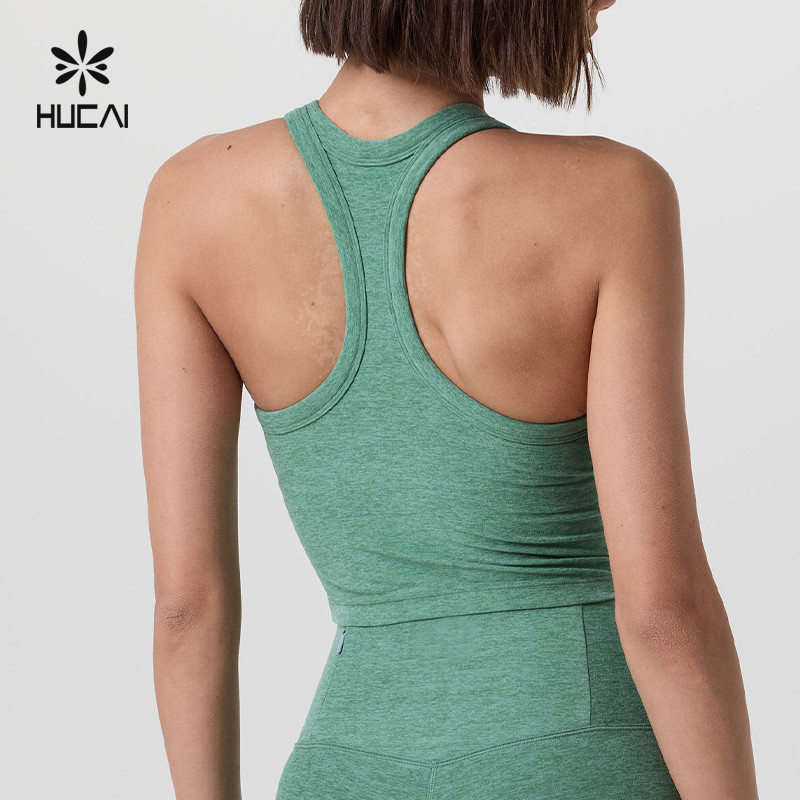
The single most important fit question in golf is what happens at the top of the backswing. If the shoulder seam, the back panel, or the underarm is cut too tight, the golfer feels the pull on every swing, and the garment rides up. This is a construction issue, not a stretch-amount issue, and it is resolved in the pattern before the fabric is even cut.
The areas to review at sampling are the shoulder seam placement, the width across the upper back, the underarm gusset or panel, and the waistband height on the bottom. A skort waistband that sits too high or grips too hard becomes uncomfortable after a few holes of walking and bending. The review should be done against a real swing motion, not just a static fit check on a dress form.
This is also where reference images reach their limit. A photo shows the silhouette and the style language, but it cannot confirm how the garment behaves through rotation. The swing-mobility requirements have to be stated in the brief and confirmed on the sample.
OEM vs ODM, Sampling, and MOQ Planning
The path into development depends on what the brand already has. A brand with a confirmed tech pack — measurements, fabric direction, construction details, and branding specifications — is positioned for an OEM review, where the manufacturer executes against a defined brief. A brand starting from reference images or an early concept is better served by an ODM path, where the manufacturer helps clarify the structure, fabric, and sample priorities.
Whichever path applies, the golf-specific items should be on the sample brief: the collar construction, the skirt or skort length, the swing-mobility points, and the fabric stretch and recovery direction. These are the items that most often drive revision cycles when they are left vague.
The current public MOQ starts from 100 pcs per style, while final color, size, fabric, trim, and customization planning depends on the confirmed project. Sample development usually takes about 10-15 days, depending on style, fabric, trim, logo, and revision requirements, and bulk production often takes about 25-30 days after pre-production details and approvals are confirmed. A capsule that mixes multiple tops and bottoms should plan each style as its own MOQ line, which is where a tight, well-sequenced brief pays off.
Decision Check: Is Your Golf Line Ready for Sampling?
Before requesting samples, confirm the following:
- Target scenario confirmed: The line is scoped to on-course, range, or off-course use, and the dress-code constraints are known
- Top and bottom structure locked: Collar or neckline, skirt or skort length, and waistband direction are defined
- Fabric direction stated: Stretch level, recovery, hand feel, and opacity requirements are written down
- Swing-mobility points listed: Shoulder seam, back width, and underarm movement are flagged for sample review
- OEM or ODM path chosen: The brand knows whether it is sending a tech pack or starting from references
If three or more criteria are confirmed, the direction is ready for a structured sample request. If fewer than three are resolved, additional development planning will reduce sample revision cycles and control cost.
Ready to move this forward? If you have a tech pack, share your measurements, fabric direction, construction details, and branding specifications for an OEM review. If you are starting from references, share the images, target scenario, and sample priorities for ODM development through the send inquiry form.
Manufacturer Insight
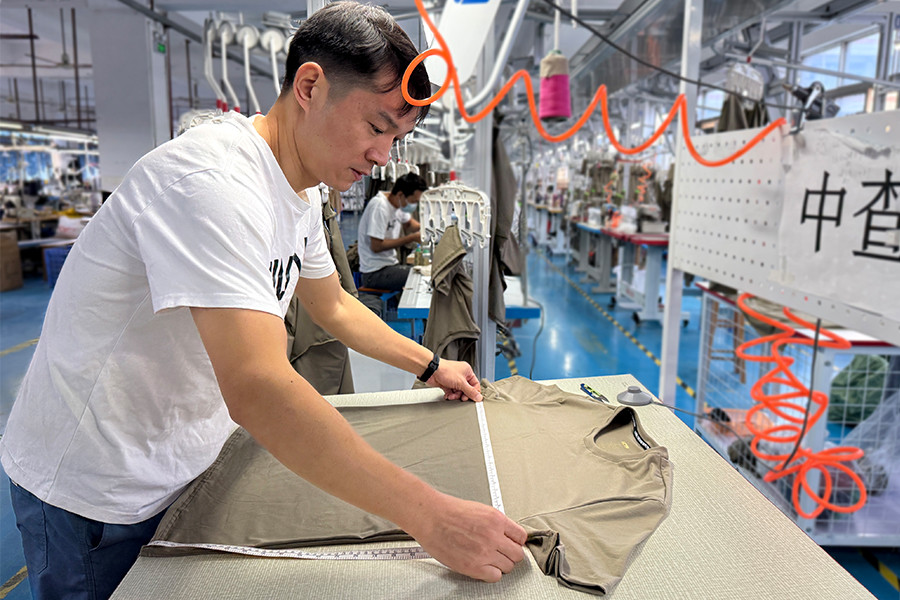
A common early-stage issue in golf development is treating the collar as a small trim detail. It is not. The collar is the first thing a course dress code checks and the first place a fit problem shows up during a swing. If the collar is briefed only as "a polo collar" without its height, stiffness, and how it sits through rotation, the first sample almost always needs a re-cut. Defining the collar construction — and testing it against a swing motion — is the highest-leverage clarification a brand can make before sampling, because it locks the neckline pattern that the rest of the top is built around. HUCAI Sportswear reviews this collar question early in the development workflow so the first sample already reflects the swing requirement.
FAQ
What is the MOQ for a private label golf activewear line?
The current public MOQ starts from 100 pcs per style. Final color, size range, fabric, trim, logo, and customization planning depends on the confirmed project, so a capsule with several tops and bottoms should plan each style as its own MOQ line.
How long does golf apparel sample development usually take?
Sample development usually takes about 10-15 days, depending on style, fabric, trim, logo, and revision requirements. Styles with complex collars or multi-layer skorts can take longer to pattern and confirm.
Should I use OEM or ODM for a golf activewear line?
Choose OEM if you already have a tech pack with measurements, fabric direction, construction details, and branding. Choose ODM if you are starting from reference images or an early concept and need help clarifying structure, fabric, and sample priorities.
Does golf apparel need different fabric from yoga or training wear?
Yes. Golf fabric should balance stretch for a rotational swing with recovery so the garment holds its shape through a full round. Yoga fabric prioritizes stretch, while running fabric prioritizes moisture movement, so the balance point is different and should be confirmed through sampling.
What dress-code factors should I confirm before sampling?
Confirm whether the target course or club expects a collared top, a minimum skirt or skort length, and a restrained overall look. These affect the collar construction, hem placement, and the style brief itself, so they should be settled before the first sample.
How do I make sure the garment allows a full golf swing?
State the swing-mobility requirements in the brief and confirm them on the sample: shoulder seam placement, width across the upper back, underarm gusset or panel, and waistband height. These are more reliably tested against a real swing motion, not a static fit check.
Can I add my own logo and branding to golf apparel?
Yes. Private label options can include logo, label, trim, packaging, color, and fabric direction, subject to development and quantity review. The logo method and placement should be confirmed during sampling so it is tested against the same stretch and swing requirements as the garment.
Final Takeaway
A women's golf activewear line succeeds or stalls on the decisions made before the first sample. Treat golf as its own category, confirm the target scenario and dress code, lock the collar and skort construction, state the fabric stretch and recovery direction, and list the swing-mobility points. Then choose the OEM or ODM path that matches your inputs and plan each style against the MOQ. The earlier these items are clarified, the fewer revision cycles the line will carry from sample to bulk.
About HUCAI Sportswear
- Founded in 1998, specializing in women's activewear and sportswear manufacturing
- OEM and ODM development support for sports bras, leggings, shorts, tops, and matching sets
- Structured sample development and sample-to-bulk consistency control
- AQL 2.5-based inspection as part of the quality workflow
Current certification information can be reviewed during supplier evaluation based on the project and documentation requirements.