Why Consistent Sizing Is Harder Than It Looks in Activewear Manufacturing
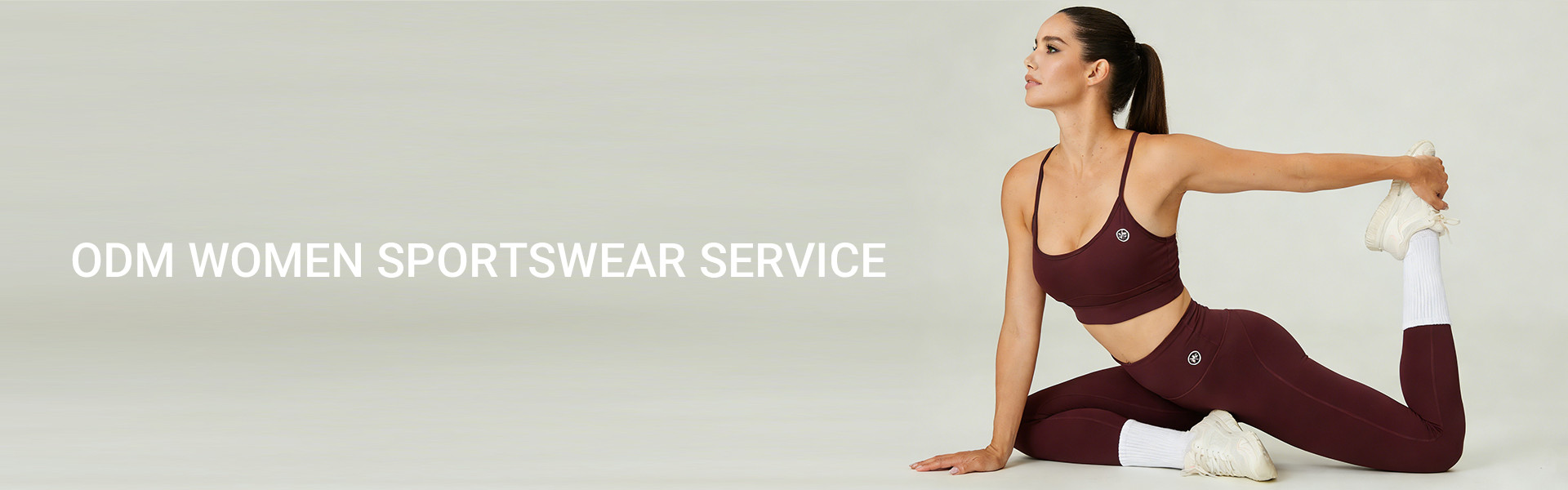
At first glance, sizing in activewear appears straightforward. If the flat measurements of a garment remain consistent, the final product should fit consistently as well. In reality, this assumption rarely holds true. In sportswear manufacturing, two garments with identical flat measurements can feel noticeably different when worn.
This happens because activewear is not defined by static dimensions alone. Instead, it is shaped by how fabrics stretch, recover, and distribute tension during movement. As a result, achieving consistent sizing in women's yoga wear and activewear requires careful control across materials, pattern design, and production processes.
High-Stretch Fabrics Change How Size Feels
One of the biggest reasons sizing becomes difficult in activewear is the use of highly elastic fabrics. Two garments may have identical flat measurements, yet once worn they can feel like completely different sizes.
This happens because most modern activewear relies on stretch-based fabrics. Common materials include nylon-spandex or polyester-spandex blends, which are designed to move with the body. For example, premium yoga wear collections from brands such as Lululemon frequently use nylon and elastane blends (often around 70–80% nylon with 20–30% elastane) to create smooth stretch and compression.
These fabrics allow garments such as leggings or sports tops to expand and conform to the body. However, the degree of stretch and recovery varies depending on fabric structure, yarn quality, and finishing processes. As a result, garments that look identical when laid flat may behave differently once stretched during wear.
What Is Stretch Ratio?
Stretch ratio refers to how much a fabric can extend relative to its original length.
For example, if a fabric strip measuring 10 cm can stretch to 14 cm before resistance increases significantly, the stretch ratio would be approximately 40%.
In activewear fabrics, stretch ratios typically range between 30% and 60%, depending on the knit structure and spandex content. Even small differences within that range can noticeably affect how tight or loose a garment feels.
Because stretch fabrics respond dynamically to body movement, consistent flat measurements alone cannot guarantee consistent sizing.
Fabric Batch Variation
Even when the same material is used, different fabric batches can behave slightly differently. In textile production, variations in yarn tension, knitting density, and finishing processes can lead to small changes in fabric weight or elasticity.
Industry data shows that variations of 2–3% in GSM or stretch behavior between fabric batches are not unusual. While this difference may appear small, it can translate into several centimeters of perceived fit difference once the garment stretches on the body.
From a consumer psychology perspective, these inconsistencies can influence purchasing behavior. When customers experience inconsistent sizing between purchases of the same product, their confidence in the brand decreases. Research in apparel retail consistently shows that sizing inconsistency is one of the most common reasons for product returns in online clothing sales. Even slight differences in fit can lead customers to assume the brand lacks reliability, which directly impacts repurchase rates.
Pattern Design Must Account for Stretch Distribution
Another factor affecting sizing consistency is how stretch is distributed across the garment. Pattern development in activewear cannot rely purely on static measurements because the garment must adapt to body movement.
A good example can be seen in the waistband design of leggings. If the waistband pattern does not properly account for the fabric's stretch distribution, the waistband may feel overly tight when standing still but lose support during movement. This occurs because the tension of the fabric is not evenly balanced across the waist and hip areas.
Instead of simply adjusting measurements, experienced pattern makers modify the pattern shape and tension zones so that the garment stretches differently in specific areas. This approach allows the waistband to maintain support without excessive compression.
In this sense, pattern design in activewear is less about static sizing and more about controlling how the garment stretches while worn.
Tension Control During Sewing
Production processes can also influence final garment dimensions. In stretch garments, sewing tension must be carefully controlled because the fabric is constantly under slight strain during assembly.
Operations such as elastic waistband attachment, seam joining, and hemming are particularly sensitive. If the fabric is stretched too tightly during sewing, the seam may retract unevenly after release, which can alter the garment’s final dimensions. Conversely, insufficient tension control can lead to loose seams that affect fit stability.
Maintaining consistent tension across these operations requires both proper machine settings and experienced operators.
Human Skill and Operational Consistency
Because apparel manufacturing still relies heavily on skilled labor, operator consistency also plays a role in sizing stability. Differences in how fabric is handled, stretched, or guided through the sewing machine can lead to small variations in the finished garment.
At HUCAI , nearly 27 years of sportswear manufacturing experience have allowed the factory to build a highly trained workforce. Operators receive structured training and follow standardized production procedures. In addition, monthly production meetings review process consistency and reinforce best practices across the team.
This disciplined approach ensures that sewing operations remain precise and repeatable, allowing finished garments to maintain extremely consistent sizing even when working with high-stretch activewear fabrics.
Because apparel manufacturing still relies heavily on skilled labor, operator consistency also plays a role in sizing stability. Differences in how fabric is handled, stretched, or guided through the sewing machine can lead to small variations in the finished garment.
At HUCAI , nearly 27 years of sportswear manufacturing experience have allowed the factory to build a highly trained workforce. Operators receive structured training and follow standardized production procedures. In addition, monthly production meetings review process consistency and reinforce best practices across the team.
This disciplined approach ensures that sewing operations remain precise and repeatable, allowing finished garments to maintain extremely consistent sizing even when working with high-stretch activewear fabrics.
How to contact us
➡️ Contact HUCAI today for your custom outerwear solution and connect with a team committed to premium quality and authenticity.