Why Performance Sportswear Is Changing How People Buy
Nowadays, Why Do People Choose "Performance" But Abandon "Brands and Look"
At the beginning, many target buyers(Middle & Upper Classes) buy sportswear for the same reason—they want to look good. Logos, colors, and brand names matter. Most of these users have steady income, they have clear goal and plan, they go to the gym regularly, and they care about how they look.
But something changes after a few months of real training.
Once workouts become more intense—heavier lifting, longer sessions, more technical movements—people start to notice things they didn’t care about before. The fabric feels too hot. The shorts restrict movement. The T-shirt doesn't hold shape after sweating. At that point, “looking premium” is no longer enough.
This is where performance sportswear starts to replace fashion-driven choices. People begin to judge products by how they feel during training, not how they look in photos. And once that shift happens, their buying logic changes completely.
Certain Type | | Affected Sports |
| | training: squats, lunges, ...... | |
T-shirts | sweat absorption,the fabric-body contact | Treadmill, Elliptical, Stair Climber, ...... |
Some Product Catagories Matter More Than Others in Real Training
In real training scenarios, some certain sportswear categories greatly affect users experience.
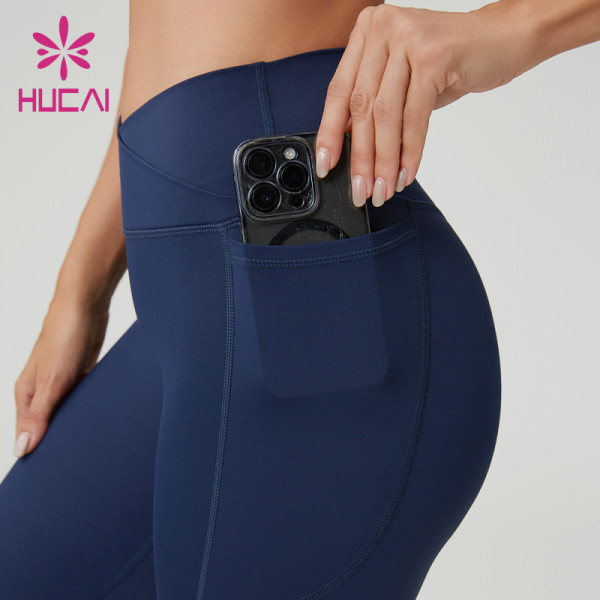
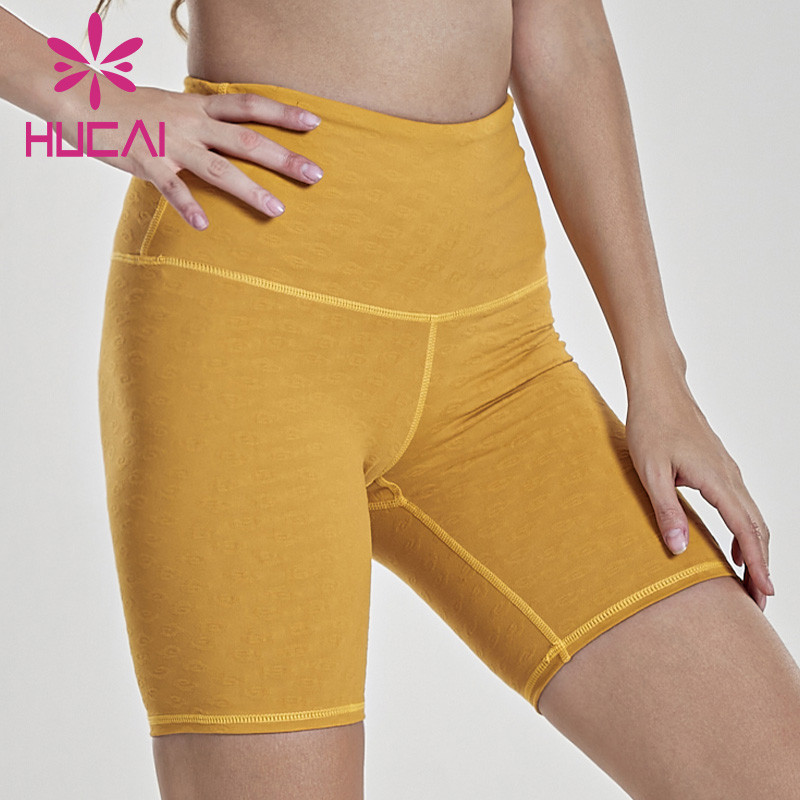
Training shorts are one of them. If the stretch is not good enough, or the cut is wrong, it directly limits movement—especially in squats, lunges, or functional training. Fabric recovery also matters. Once the shorts lose shape, the whole experience drops.
Training T-shirts are another key item. Breathability, sweat absorption, and how the fabric sits on the body all affect comfort during longer sessions. A poorly designed T-shirt becomes heavy and uncomfortable very fast.
Then there are more technical details—things like four-way stretch fabrics, moisture-wicking treatments, and bonded or seamless constructions. These are not just selling points. In higher-intensity workouts, they directly affect how stable, comfortable, and distraction-free the product feels.
At a certain level, users don’t need to be told what is “performance”—they can feel it.
Choosing the Right Supplier Becomes a Different Decision
Once brands understand this shift, choosing a supplier becomes a different kind of decision.
It’s no longer just about who can make the sample look right. It's about who understands how the product will behave after 50 washes, after high-intensity movement, after real use. A good sportswear OEM manufacturer should be able to talk about fabric performance, not just fabric composition.
It also comes down to development experience. Can the supplier adjust fit based on movement? Can they suggest better fabric options? Can they keep consistency from sample to bulk?
For brands targeting performance-driven users, working with a custom sportswear manufacturer that understands training scenarios is more important than finding the lowest price. Because in the end, the product will be tested in the gym—not in the showroom.
How to contact us
➡️ Contact HUCAI today for your custom outerwear solution and connect with a team committed to premium quality and authenticity.