
How to Build a Base-Layer Set as a Product System, Not Just a Long-Sleeve Top and Legging
A base-layer set is easy to photograph and difficult to manufacture as one product. Two pieces can look coordinated on a model and behave like unrelated garments by the third wash: the top draws up along the body, the bottom recovers at a different rate at the waist, and a shade that matched in the studio separates once the pieces are cut from two different knit lots.
For a growing brand, the cost is not one return. It is a reorder that no longer matches the first drop, and a set claim the factory cannot repeat at bulk. HUCAI Sportswear reviews base-layer sets as a single development object, with shared fabric and colour approval, one seam standard, one grading logic, and paired bulk control, because a set either holds together as a system or it does not. This article sets out what to define before sampling.
Quick Answer
Treat a base-layer set as one specification system rather than two styles. Both pieces should share a fabric and colour standard approved on each substrate, a seam and stitch standard written per piece with a rule for the join, a defined layering interface between top hem and bottom rise, and one grading logic so a size M top and a size M bottom fit the same body. Define those four items before sampling, then control dye lot, cut allowance, and paired inspection at bulk. Buyers with a complete specification can move through OEM review; buyers starting from reference images usually need ODM development first.
Table of Contents
- Who This Article Is For
- Two Coordinated Pieces Are Not Yet a Set
- The Fabric and Colour Spine: One Standard, Two Substrates
- Seam, Stitch and Hem Coordination
- The Layering Interface: Top Length, Hem Tension and Rise
- One Size System for Two Garments
- Production Consistency: Dye Lot, Cut Allowance and Paired Inspection
- Decision Check
- Founder's Technical Insight (Jean Yuan)
- FAQ
- Final Takeaway
Who This Article Is For
- Primary reader: product developers and founders at growing women's activewear brands building a coordinated base-layer program, where a fitted top and a legging are sold both as a set and as separates.
- Secondary reader: established brands adding a set to an existing tops line or an existing leggings line, where one piece already has an approved block.
- Product stage: concept, first prototype, or pre-sampling, including brands that already have a top and a bottom in development as two separate projects.
- Problem being solved: two individually approved pieces that do not behave as one system in wear, in wash, or in a reorder.
- Who may not need this article: buyers sourcing a single finished style, or brands that only need one garment and no coordinated second piece.
What you gain from this article: the five specifications a base-layer set has to share, the sample-stage checks that expose a mismatch before bulk, and the production controls that keep the second run aligned with the first.
Two Coordinated Pieces Are Not Yet a Set
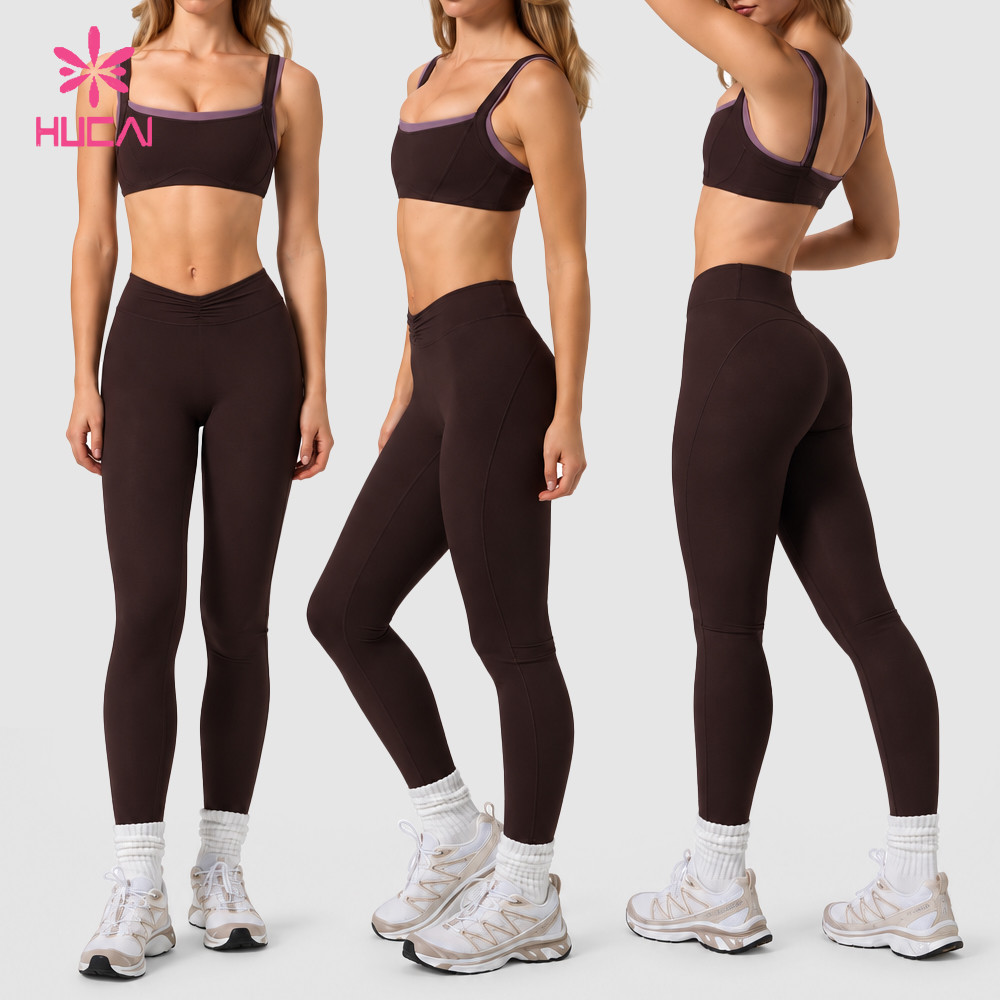
In publicly released women's activewear ranges, the top of a base-layer set is often a lighter, higher-stretch jersey, while the bottom is a denser interlock or double knit built for coverage and recovery at the waist. The two pieces match in colour and surface finish, so the set reads as one product on a model. Structurally, they are two different materials with two different behaviours.
That difference is not a defect. It is the normal outcome of designing a top for drape and a bottom for support. The defect appears in the process: the top is approved on its own sample, the bottom on its own sample, and no one owns the place where they meet. Fit is signed off garment by garment, colour is approved from one lab dip, and the first time both pieces are worn together as a system is on the brand's own photoshoot.
A base-layer set becomes a product system when five items are defined once, for both garments:
- a fabric and colour standard that covers each substrate, not only the one that was dipped first;
- a seam and stitch standard written per piece, with an explicit rule for the hem-to-waistband join;
- a layering interface defined by top hem position, hem tension, and bottom rise;
- one grading logic, so a given size means the same body in both pieces;
- a bulk control plan covering dye lot, cut allowance, and paired inspection.
Skip any of the five and the set still ships, but it ships as two SKUs that happen to share a colour card. The commercial consequence is predictable: an extra sample round to correct the interface, a size exchange when the top and bottom of the same labelled size do not meet, and a matched-set claim that weakens with every production run. The matching set collection shows how these coordinated programs are structured by category rather than by single style.
The Fabric and Colour Spine: One Standard, Two Substrates
When both pieces can be cut from the same fabric, keep them on one lot and one dye batch. That is the simplest version of a set and the easiest to control. In most base-layer programs it is not possible: the top needs stretch and recovery in both directions for shoulder and elbow movement, while the bottom needs density and opacity under tension at the seat and knee. The fabric decision therefore separates, and the spine has to be rebuilt at the level of colour and shrinkage instead of fibre.
Colour is where most sets fail quietly. The same colour recipe does not read the same on a light four-way stretch jersey and on a denser double knit, because the two surfaces reflect light differently. A lab dip approved on the top substrate tells you very little about the bottom. Approve the colour on both substrates, review the two together under the same light source, and keep the approved pair as the reference for bulk. This also protects against metamerism, where two pieces match under one light and separate under another.
Shrinkage needs the same treatment. Under a home-laundering procedure such as AATCC 135 for dimensional change, each substrate is measured in length and width separately, and the two results are not averaged into one number. A jersey that draws up along the body and an interlock that holds its length will shift the hem-to-waistband relationship after the first wash, even when both pieces were cut to the same nominal measurement.
During fabric review at HUCAI Sportswear, a base-layer set is approved on both substrates with the same standard: colour on each, shrinkage on each, and a stated tolerance for how far apart the two results may sit before the set is rejected. The fabric selection guide sets out how weight, stretch direction, and recovery are reviewed before a substrate is confirmed.
Seam, Stitch and Hem Coordination
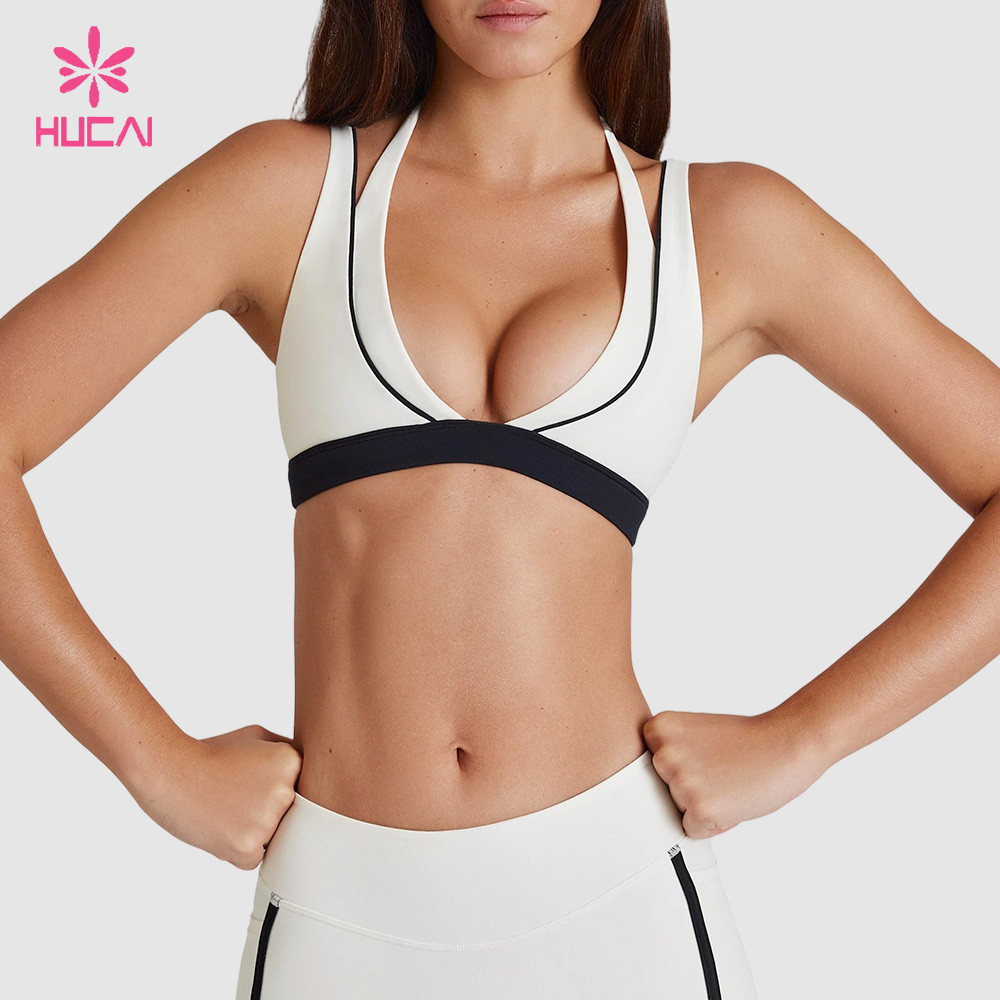
Using the same seam type on both pieces does not produce the same result. A flatlock seam that sits flat and clean on a light jersey can add visible bulk and reduce recovery on a denser interlock, because the seam has less room to compress inside the fabric. The reverse is also true: a stitch density that is correct for an interlock can pull and ripple on a high-stretch jersey.
Three parameters decide whether the two seams behave as a family:
- Stitch class and density: the same class on two weights still needs a separate stitches-per-inch setting for each piece.
- Thread and tension: tension set for a dense knit will often break or loop on a lighter one under high elongation, and a soft thread that suits the top may abrade at the bottom's waistband seam.
- Seam allowance at the join: the top hem and the waistband top edge sit against each other in wear. Two layers of hem plus a double-layer waistband can create a hard ridge exactly where the set is most visible.
The practical fix is a seam standard written per piece rather than per style: stitch class, density, thread type, needle size, allowance, and the finish at the hem and waistband. Then add one join rule that states the maximum combined thickness at the interface, and the trim or binding method allowed there.
HUCAI's sample room documents the seam standard separately for the top and the bottom and reviews the join as its own checkpoint, with seam grin under stretch and puckering after laundering both inspected before the set is submitted. Trim and thread sourcing for that pair runs through the same supply chain review, so the components are confirmed together rather than per garment.
The Layering Interface: Top Length, Hem Tension and Rise
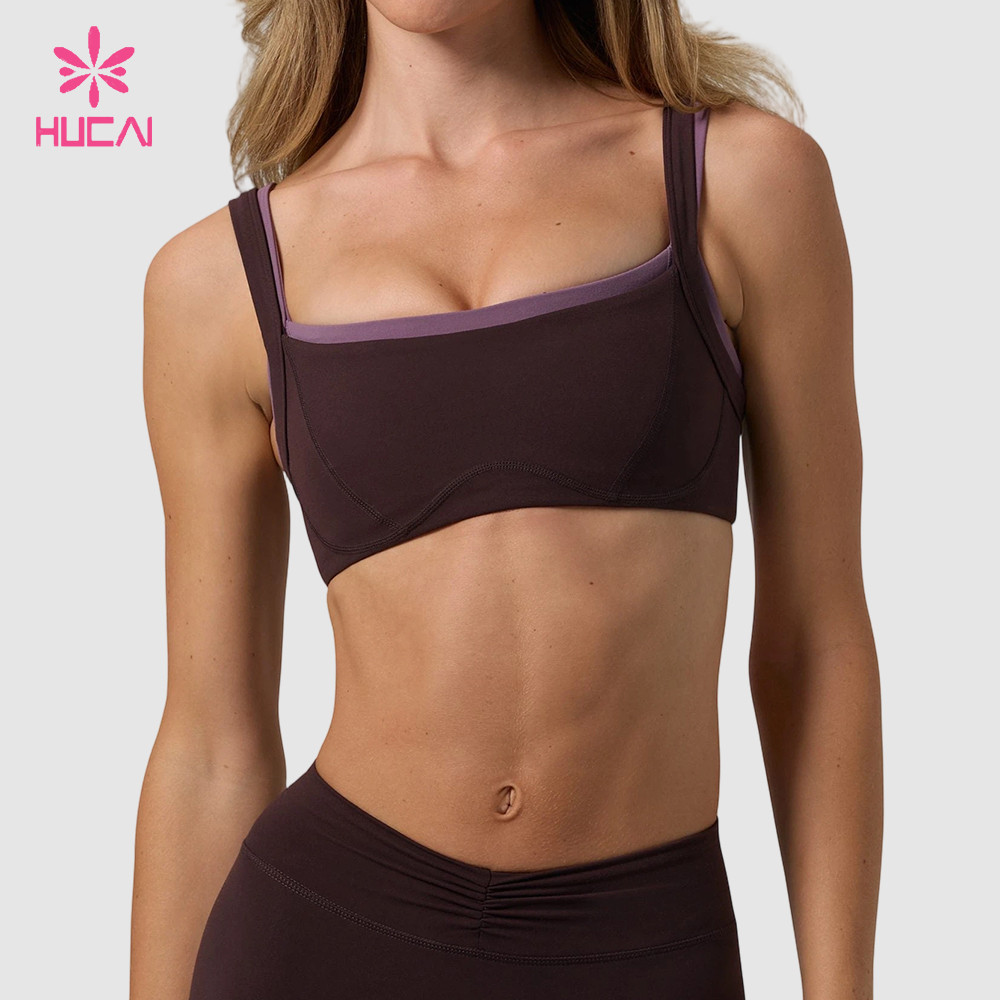
A set is worn in at least two states: the top over a high-rise waistband, and the top tucked or worn long over a mid-rise bottom. Each state needs a different interface, and a set that is only reviewed in one state will look wrong in the other. Define the intended wear state first, then set the numbers that support it.
Three measurements control the interface. The first is the distance from the top hem to the waistband top edge when both pieces are on the body, not on a form. The second is hem tension: a hem that grips will hold position but can pull the waistband down; a loose hem rides up in overhead movement. The third is rise relative to top length, which decides whether the set reads as one coordinated piece or as two garments that happen to be the same colour.
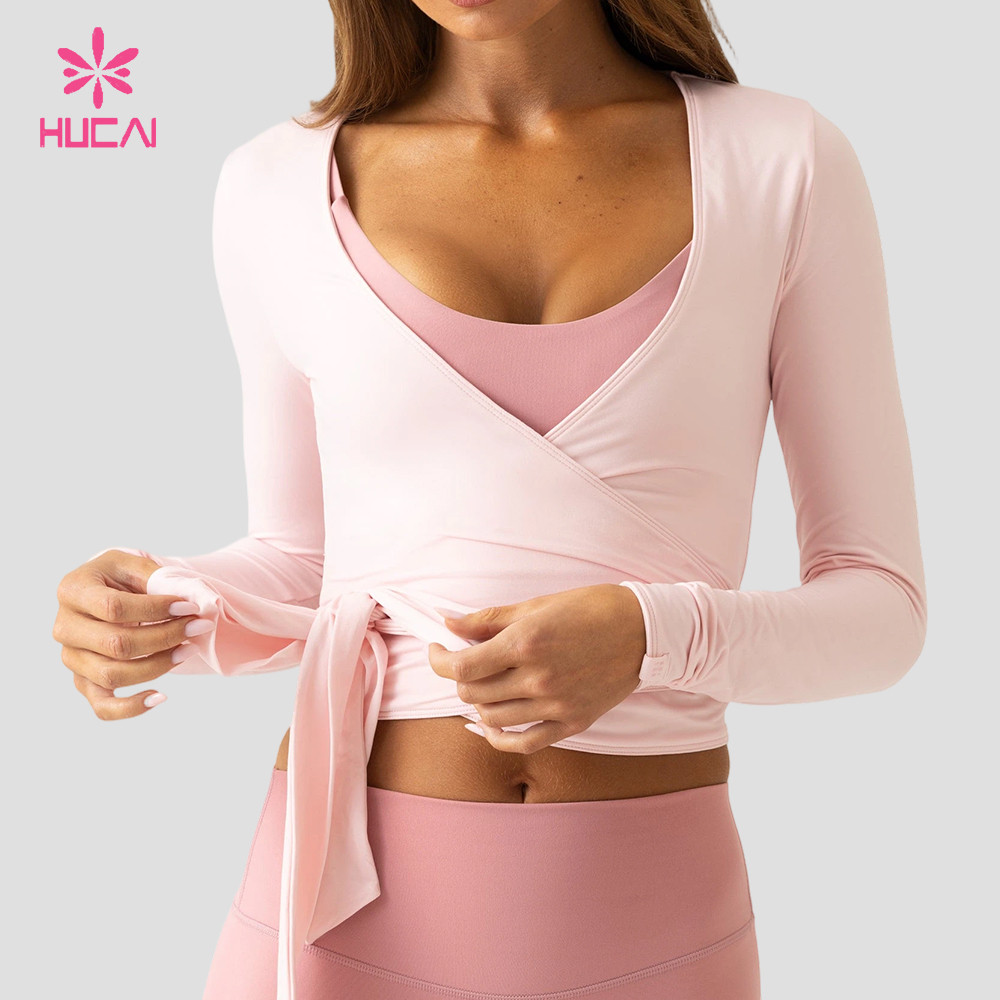
A long-sleeve base-layer top usually finishes at the high hip, which places its hem directly over the waistband rather than above it. That position is the hardest to control, because the hem has to sit on a thicker edge without curling and without lifting when the wearer raises both arms. Review it with both pieces on: overhead reach, forward hinge, deep squat, and a trunk twist, recording whether the hem clearance changes by more than the agreed tolerance.
During pattern review at HUCAI, the interface is set in CAD before the first fit sample, using the agreed wear state and a stated clearance range. The bottom's rise and waistband structure are then developed against the top's hem, which is why the leggings development and the top specification are reviewed in the same session. The layering collection shows the same logic applied to a full layer stack rather than a two-piece set.
One Size System for Two Garments
A set is sold under one size label but built from two grade rules. If the top's body length and the bottom's rise grade at different rates, the interface that worked in the sample size drifts across the range. The middle size still looks right, the smallest may show a gap, and the largest may show the top hem sitting on the widest part of the waistband.
Align the grade rules at the points that actually touch. In practice that means agreeing a small set of paired measurements, such as underbust to waist on the top against waistband top width on the bottom, and hip position against the bottom's rise, then checking them in one size chart instead of two. Tolerance is the second half of the problem: a top hem at plus or minus tolerance and a waistband at plus or minus tolerance can combine into a visible mismatch in one direction and a tight overlap in the other, even when each piece passes inspection on its own.
Write the tolerance stack into the specification rather than leaving it to the sample room. State the allowed combined deviation at the join, then review the smallest and largest sizes of the planned range before bulk, since those are where the stack is widest. A set that is only validated in the middle size is validated where the interface is easiest.
The paired measurement chart also protects the reorder. When the second production run is measured against the same paired points, a drift in either piece shows up as an interface deviation instead of appearing later as a customer complaint about the set not matching.
Production Consistency: Dye Lot, Cut Allowance and Paired Inspection
At bulk, the set has to be treated as a pair at three points. The first is dye lot: both pieces should be cut from one lot, with the shade approval carried from the sampled substrates. When the volume forces a split, shade-sort the rolls and pair the pieces within the same shade band rather than pairing by quantity.
The second is cut allowance. Each piece needs its own allowance derived from its own shrinkage result, not a single allowance applied to the style. A shared allowance systematically over-corrects one garment and under-corrects the other, which is how a set that measured correctly in sampling arrives at bulk with the hem sitting lower or the waistband sitting tighter than approved.
The third is paired inspection. Checking each garment against its own specification will not catch a shade or interface mismatch between the two, so the pair is checked together: shade under the same light source, hem-to-waistband relationship on a form, and seam appearance at the join, alongside the standard garment inspection. In HUCAI Sportswear's workflow those checks sit inside the AQL 2.5-based inspection points and the sample-to-bulk consistency review described in the factory and production procedures.
Then keep the reference. Approved shade standard, paired measurement chart, and the confirmed seam standard are the three documents that make the third production run match the first. Bulk production often takes about 25-30 days after pre-production details and approvals are confirmed, depending on project scope, materials, processes, quantity, and scheduling; the documentation is what keeps that window from being consumed by re-approval.
Decision Check: Is the Set Ready for Sampling?
Before requesting samples, confirm the following:
- Colour standard on both substrates: a lab dip approved on the top fabric and on the bottom fabric, reviewed together rather than one after the other.
- Seam standard per piece: stitch class, density, thread, needle size, and allowance documented for each garment, with a stated maximum thickness at the join.
- Layering interface: the intended wear state named, with hem position, hem tension, and rise agreed against it.
- Paired size system: the touching measurement points and the allowed combined tolerance written into one chart.
- Bulk control plan: dye lot rule, per-piece cut allowance, and paired inspection agreed before the purchase order is placed.
If three or more criteria are confirmed, the direction is ready for a structured sample request. If fewer than three are resolved, additional development planning will reduce sample revision cycles and control cost.
Building a base-layer set as one system? Share the top and bottom references, the target fabric direction, the colour standard, and the wear state the set is designed for. Reviewing both pieces together at the specification stage is the difference between one sample round and three. Start with the matching set development path and send the paired brief for review.
Founder's Technical Insight: Jean Yuan's Development Note
When a brand sends us a base-layer set for the first time, the sample room usually receives two tech packs written weeks apart. The top is specified as a light four-way stretch jersey with a clean hem. The bottom is specified as a denser double knit with a wide waistband. Each specification is reasonable on its own. Together they set a trap that only opens after the first wash.
The trap is differential shrinkage, and it is measurable. A lighter jersey and a denser knit do not release tension at the same rate, and they do not recover the same way in length and width. What we watch in the sample room is not the average of the two results, because an average hides exactly the problem. We measure length change and width change separately for each piece, after the same laundering procedure, and we treat the two results as two independent facts.
Only then does the cut allowance make sense. Each piece gets an allowance from its own measurement, and the join is re-checked afterwards at the same size: top hem width against waistband top width on the body, not on the form. If the two have moved apart, the set is corrected before the fabric is cut, not after the first bulk delivery.
Four checks belong in the brand's development file before sampling is approved:
- Is the colour approved on both substrates, under one light source, as a pair?
- Is the shrinkage result recorded separately for each piece, in length and in width?
- Is the cut allowance per piece, or is one allowance being applied to both?
- Has the hem-to-waistband relationship been measured on a body in the intended wear state?
If the first two cannot be answered, the sample will be judged on fit alone. That is how a set that looked correct in the studio reaches bulk with a shade split and a hem that no longer meets the waistband where it was approved. At HUCAI Sportswear, the paired review is routine precisely because these four answers are cheap to obtain before cutting and expensive to obtain afterwards.
FAQ
What is the MOQ for a custom base-layer set?
The current public MOQ starts from 200 pcs per style. For a coordinated set, that planning applies to each piece, while the final colour, size range, fabric, trim, logo, and packaging plan depends on the confirmed project. A set that uses one fabric and one colour across both pieces is usually simpler to plan than a set that splits the substrate between top and bottom.
How long does sample development usually take for a two-piece set?
Sample development usually takes about 10-15 days, depending on style, fabric, trim, logo, revision requirements, and confirmed details. A set is developed as one block rather than two independent samples, because the interface between the top hem and the bottom rise can only be judged when both pieces exist at the same time.
Can the top and bottom use different fabrics?
Yes. Different substrates are common when the top needs stretch for movement and the bottom needs density for coverage. When the fabrics differ, the set still needs a shared colour standard approved on both substrates, a shrinkage target for each, and a seam standard written per piece. Treating a two-fabric set as one specification problem is what keeps the pieces matched at bulk.
Should a base-layer set be sampled as one unit or as two separate styles?
Sample it as one unit with two components. Both pieces should be submitted together so the join, the shade match, and the size relationship can be reviewed in the same session. Sampling each garment separately tends to produce two approved pieces and an unapproved set.
Why does a set look mismatched after bulk production?
The usual causes are a split dye lot, a single cut allowance applied to two different shrinkage results, and inspection that checks each garment only against its own specification. A shade difference between pieces, or a hem that no longer meets the waistband at the approved position, will pass those checks. Paired inspection at final stage is what surfaces it.
Is OEM or ODM the better route for a base-layer set?
Choose OEM when the brand already has a tech pack with measurements, construction details, fabric requirements, and branding specifications for both pieces. Choose ODM when the starting point is reference images, a colour direction, or a capsule concept and the set's structure still has to be defined. Mixing the two routes inside one set is possible but usually adds a review round, because one piece is being interpreted and the other executed.
What should a tech pack include for a set that also sells as separates?
Include the paired measurement points that connect the two garments, the seam standard for each piece, the colour approval on both substrates, and the wear state the set is designed for. Separates still need to work alone, so each piece also needs its own complete measurement chart and finish specification; the paired section sits on top of that, not instead of it.
Can recycled or certified material options be used for a base-layer set?
Recycled or certified material options can be reviewed based on project requirements and available documentation. When a set uses two substrates, the documentation has to cover each material separately, because a claim that applies to the top does not automatically apply to the bottom. Current certification information can be reviewed during supplier evaluation based on the project and documentation requirements.
Final Takeaway
A base-layer set is a product system when the shared specifications are written before sampling: colour approved on each substrate, seam standards per piece with a join rule, an interface defined by wear state, one paired size system, and a bulk plan that treats the two garments as a pair at dye lot, cutting, and inspection.
The order matters more than the tools. Brands that define the spine first usually spend one sample round on fit; brands that approve two garments separately usually spend the second round rebuilding the interface. HUCAI Sportswear reviews the top and the bottom in the same development session for that reason, and the review starts from the paired brief rather than from two separate tech packs.
The next practical step is to write the five points from the Decision Check into one page and send it with the references for both pieces, so the first sample answers the interface question instead of postponing it.
About HUCAI Sportswear
- Founded in 1998, manufacturing women's activewear and sportswear in Dongguan, China
- OEM and ODM development for sports bras, leggings, shorts, tops, and matching sets
- Structured sample development and sample-to-bulk consistency control
- AQL 2.5-based inspection as part of the quality workflow
Current certification information can be reviewed during supplier evaluation based on the project and documentation requirements.