
Women's Training Bodysuits: Fit and Stretch Checks for Private Label Development
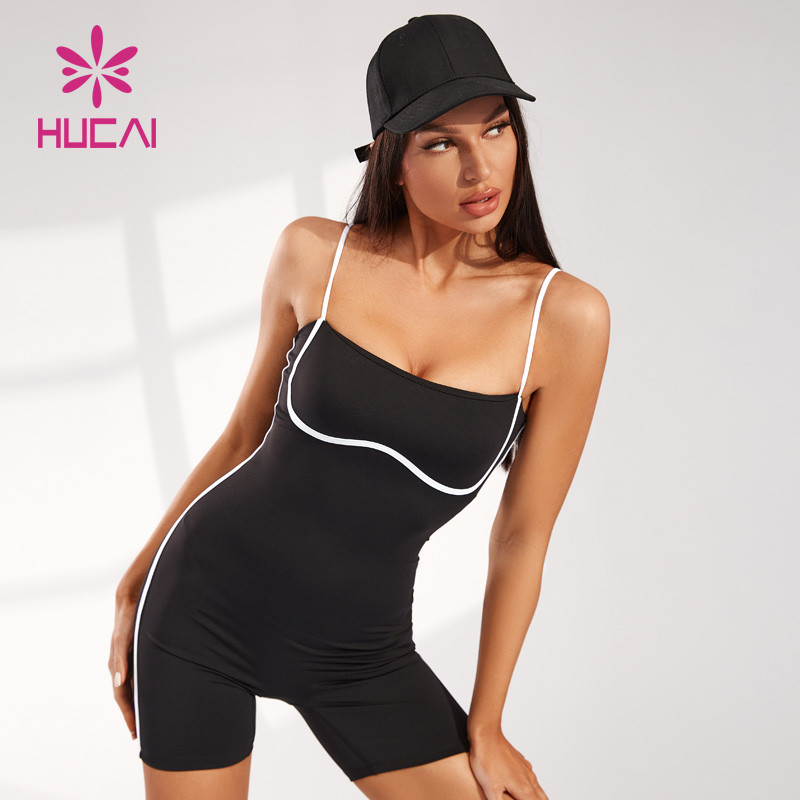
A training bodysuit is approved as one continuous garment. There is no waistband to absorb a two-centimetre error and no separate top to hide a short torso, so a crotch that pulls when the wearer raises her arms cannot be fixed at the waist later. Private label bodysuit development therefore fails in a different place from leggings or bras: the risk sits in body length, gusset geometry and neckline tension. This guide sets out the checks HUCAI Sportswear reviews during sampling, and the fields that keep one round from becoming three.
Quick Answer
Bodysuit fit risk is controlled by four specifications: body length from shoulder to crotch, gusset width and depth, neckline and armhole tension, and fabric recovery at hip and seat. Confirm all four on a graded sample set, then carry the numbers into bulk. A one-piece cannot be corrected at the waistband after sampling.
Table of Contents
Who This Article Is For
- Primary reader: product developers and technical designers adding a one-piece style to a women's leggings and bra line.
- Secondary reader: sourcing managers comparing a bodysuit against a bra-top-plus-legging set.
- Development stage: reference images exist; torso specification and grading are not fixed.
- Problem: samples that fit on the hanger but pull or show through in movement.
- Who may not need it: buyers with an approved bodysuit block.
What you gain: a four-point torso specification, gusset and neckline decisions, proposed sample checks, bulk measurement records, and the RFQ inputs that shorten sampling.
1. Why One-Piece Fit Fails Differently
Nordic AW26 assortments, Casall's included, show one-piece training styles as a design direction; that is an observation of assortment structure, not evidence of demand.
In a two-piece set the waistband is a buffer: a low legging can be pulled up, a high bra top adjusted at the underband. A bodysuit has no such seam. Body length, crotch and shoulder position are locked together, so one error travels through the whole garment.
Three failure patterns explain most revisions. A short body lifts the crotch and drags the shoulder seams inward when the arms go overhead. A narrow or shallow gusset twists in movement and presses on one side. Neckline or armhole tension gaps in a forward bend and cuts in when she sits.
None is a sizing problem; they are proportion problems. A bodysuit cannot be graded from a leggings block with a top attached, because women-specific fit engineering starts from torso proportion. Commercially, a return is rarely "wrong size" but "rides up", answered by a pattern change.
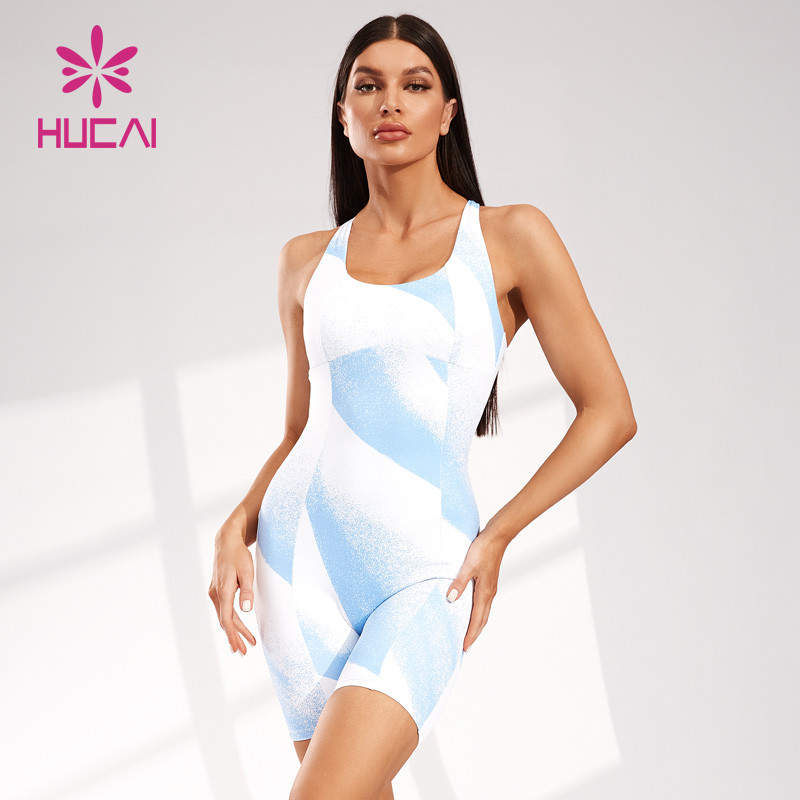
2. Torso Length, Gusset and Neckline
Most approvals collapse three decisions into one; separating them makes the review measurable.
Body length and grading
Specify body length front and back, shoulder to crotch seam, plus side length as a reference. Front and back rarely grade at the same rate, so a garment correct in front can pull at the back gusset. Decide early whether the range needs short and tall options; that changes the pattern count.
Gusset construction
An inserted oval joined with flat seams allows a lined panel but needs its own width, depth and seam allowance; an extended panel reduces seams but limits lining. State whether the gusset is self-fabric or lined: differential recovery between a two-way lining and a four-way shell walks the seam forward after washing.
Neckline, armhole and back opening
Binding holds shape with less give at the armhole; elastic recovers well but reads as hardware on a studio style; a double-layer fold gives the cleanest surface but needs a stable edge. Back opening depth is a fit variable.
| Decision | What it changes | Main sample risk |
|---|---|---|
| One body length vs short and tall | Pattern count, grading | Fits the model, misfits the run |
| Inserted gusset vs extended panel | Seam count, lining, cutting | Seam migrates after washing |
| Binding vs elastic vs fold | Armhole stretch, sewing time | Gaping in a forward bend |
| Fixed cup vs removable pad | Lining layers, packing | Cup shifts in wear |
| Short leg vs high cut | Clearance, fabric use | Rides up in lunges |
A bra tank carries support through an underband and lets the bodice hang; a bodysuit carries tension across the torso, so support and body length interact. The bra-top hybrid notes cover the two-piece logic.
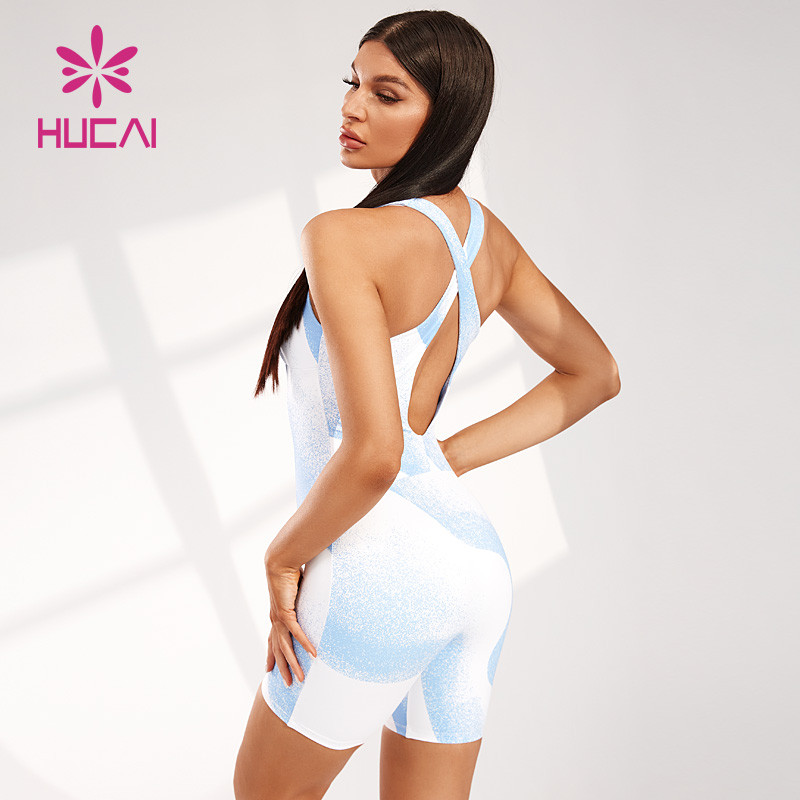
3. What Each Choice Costs
Bodysuits consume more fabric per unit than a legging or bra, and the layout is less forgiving because front, back and gusset panels must match in shade and direction; colour blocking raises consumption and cutting waste. Sampling cost is driven by interaction: three variables move at once, so a general "make it fit better" revision shifts two and earns another round.
The current public MOQ starts from 100 pcs per style, while colour count, size range and fabric planning are confirmed per project. Sample development usually takes about 10-15 days, and bulk production often takes about 25-30 days after pre-production details and approvals are confirmed.
4. Sample Checks
Review in a fixed order, because a later check cannot be trusted if an earlier one fails: measure flat, then on a fit model at rest, then in movement. A garment that measures correctly but pulls has a proportion problem.
The gusset check belongs in the middle: ask the model to raise both arms, sit, then rotate the torso, and record direction and size if the seam moves. The gusset and rise notes for seam-free front leggings explain why. Judge opacity stretched, against an agreed reference.
Proposed acceptance checks
Proposed starting values; tolerances should be confirmed against the approved sample and the fabric selected.
| Check point | Failure it catches | Proposed check |
|---|---|---|
| Body length, front and back | Crotch rise with arms up | Flat, at rest, arms overhead |
| Gusset width, depth, seam | Twisting, one-sided pressure | Flat, then on body after movement |
| Neckline and armhole fit | Gaping or cutting in | Relaxed and at agreed extension |
| Opacity at hip and seat | Show-through in a squat | Stretched, against reference, photographed |
| Change after washing | Body growth, seam migration | Washed per AATCC TM135, re-measured |
Photograph the approved sample in the same four positions each time and keep the fit model's measurements with the record. HUCAI Sportswear's sample policy follows this sequence so a revision cites a number and a photograph.
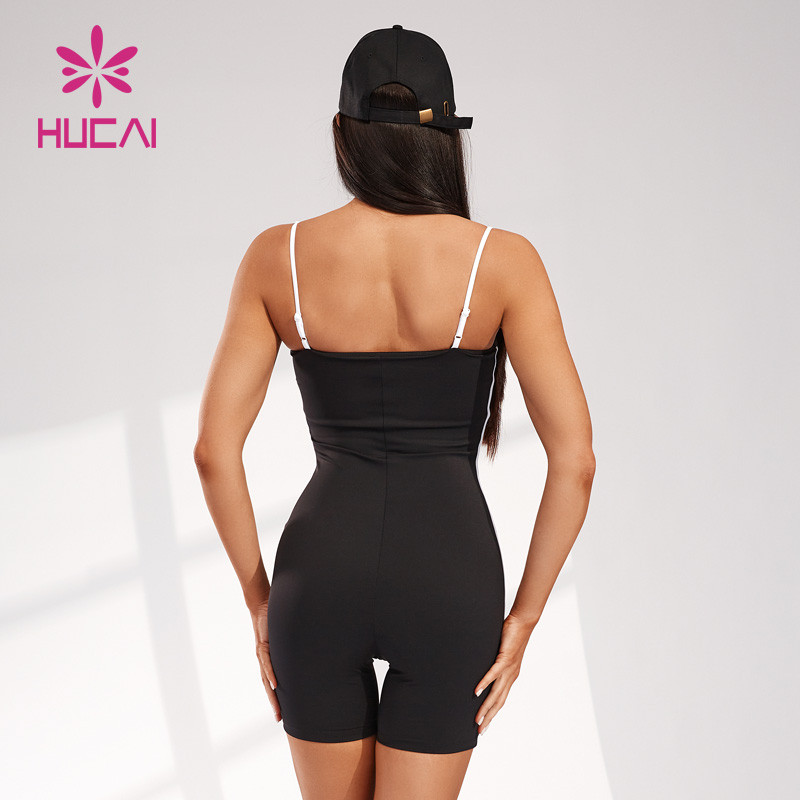
5. Bulk Consistency
Once approved, the sample becomes the standard, not the tech pack alone. Bulk inspection compares against its body length and gusset position first, because those values disturb fit most visibly when they drift.
Panel direction is the second control point: a gusset cut on a rotated grain measures correctly on the table but recovers differently in wear, so cutting direction belongs in the workmanship record. Panels should come from one dye lot where the plan allows, and recovery should be re-checked on the received roll, since a new lot can pass weight checks and behave differently.
HUCAI Sportswear runs bodysuit orders through pre-production review, in-process checkpoints at the side seam and gusset join, and AQL 2.5-based inspection before shipment, with sample-to-bulk control against the approved sample.
6. RFQ Inputs
An RFQ here is not a price request; it is the input set that decides how many sample rounds a project needs.
- Body length: front and back per size, with the fit model's height and torso length.
- Gusset: inserted or extended, width, depth, lining, seam type.
- Neckline and armhole: finish type, depth, back opening depth.
- Leg opening: short leg or high cut, finished circumference, intended activity.
- Fabric: stretch and recovery target, opacity requirement, hand feel.
- Size range and commercial frame: base size, run, short or tall option, colour count, label method, quantity, deadline.
Buyers with a tech pack can send measurements and construction for OEM review; buyers starting from images can settle fabric and fit through ODM development. Both move faster when gusset and body length are named.
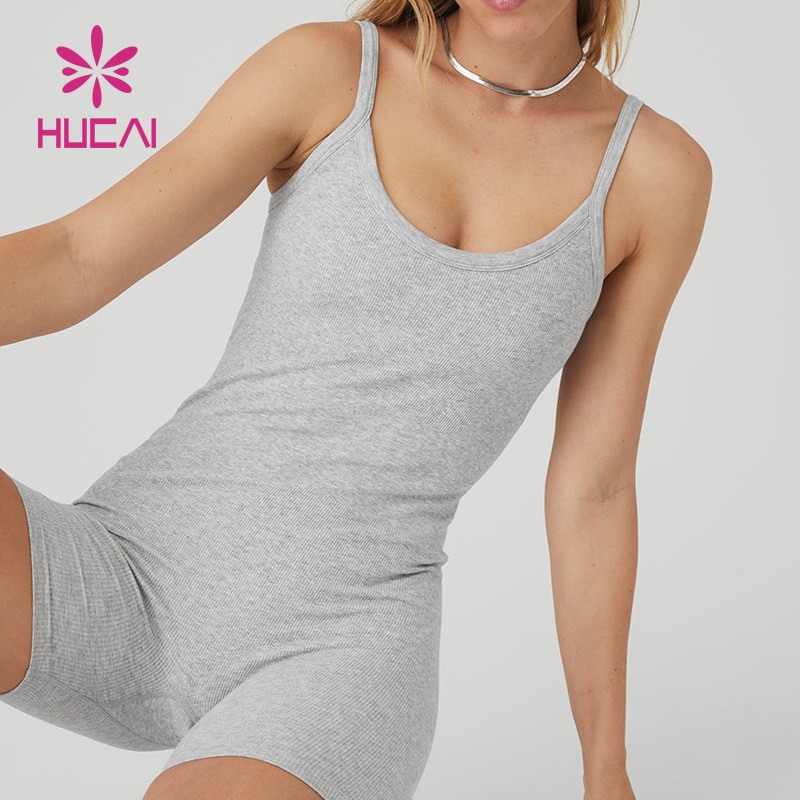
Decision Check: Is This Bodysuit Ready for Sampling?
Before requesting a bodysuit sample, confirm:
- Body length: front and back figures per size, fit model identified.
- Gusset: method, dimensions and lining fixed, not left to the sample room.
- Neckline and armhole: finish type and tension stated.
- Opacity: stated in the stretched state with a reference.
- Size range: grading rule and short or tall option decided.
With three or more confirmed, the direction is ready for a sample request; with fewer, planning before cutting costs less than revising after.
Next step: send your tech pack for OEM development review, or share reference images, size range and priorities for ODM development. The custom one-piece and jumpsuit range shows comparable constructions.
Founder's Technical Insight: Jean Yuan's Development Note
Most bodysuit problems I see in the sample room are drafted in, not sewn in. A team takes a leggings block that fits well, adds a bodice above the waist, and expects it to behave the same. It will not: the legging was balanced against a waistband that could move, and the bodysuit has no release point. At HUCAI Sportswear we set body length on the fit model's torso at three sizes before any panel is finalised, then position the gusset from it.
The detail that surprises buyers is the gusset seam after washing. If the lining recovers at a different rate from the shell, the seam walks forward a few millimetres per cycle, and by the third wash the wearer feels it. That is why our review includes wash-and-remeasure. A bodysuit that measures correctly on day one and walks on day thirty is not an approved sample.
FAQ
What is the MOQ for a private label training bodysuit?
The current public MOQ starts from 100 pcs per style. Colour count, size range, fabric and lining planning depend on the project, since several colours in a full size run need a different plan.
How long does bodysuit sampling usually take?
Sample development usually takes about 10-15 days, depending on style, fabric, gusset method, neckline finish and confirmed details. Bulk production often takes about 25-30 days after approvals.
Can a bodysuit be developed from reference images only?
Yes. Images, a category, target market and sample priorities are enough to start an ODM route, where body length, gusset method and fabric are clarified before cutting.
Should the gusset be lined, and with what?
It depends on use and recovery. A lined gusset gives a cleaner inner finish and a defined seam position, but lining and shell must recover at compatible rates or the seam migrates.
Why does a bodysuit ride up when I raise my arms?
Almost always body length, sometimes recovery. If shoulder-to-crotch length is short for that torso proportion, raising the arms lifts the crotch; a shell that grows after washing shortens the garment.
What most often causes a second sample round?
Three variables moving at once: when body length, gusset position and neckline tension are revised together, the next sample cannot show which change worked.
Final Takeaway
A training bodysuit is approved on four numbers: body length, gusset geometry, neckline tension and recovery at hip and seat. Colour, print and trim can be corrected later without changing fit. If those four are not measured in the worn and stretched state, the next useful step is a specification round, not a sample request.
About HUCAI Sportswear
- Founded in 1998, manufacturing women's activewear in Dongguan, China
- OEM and ODM development across bras, leggings, tops, shorts, one-piece styles and sets
- Fabric, trim, pattern and sample review before bulk, with sample-to-bulk consistency control
- AQL 2.5-based inspection within a staged quality workflow
Current certification information can be reviewed during supplier evaluation based on the project and documentation requirements.