
Brushed Winter Leggings: Pilling, Opacity and Recovery Test Plans
Winter leggings are judged from the inside out. Brushing softens skin contact and holds warmth, but the same process changes how the fabric pills, how much light passes through it when stretched, and how quickly it recovers after wear. Buyers who approve a winter programme on hand feel alone meet those differences in bulk. This guide sets out the test plans HUCAI Sportswear reviews before a brushed legging sample is signed off.
Quick Answer
Agree three plans before sampling: pilling on the brushed face at the inner thigh and seat (ASTM D4970 or ISO 12945-2), opacity in stretched and wet states against a contrasting background, and recovery after repeated extension and laundering (ASTM D2594 as a reference method). Set weight, brushing depth and shade first, because every later check depends on those three decisions.
Table of Contents
Who This Article Is For
- Primary reader: UK and Northern European founders and product developers building a first winter bottom range.
- Secondary reader: sourcing managers and technical designers repeating a brushed legging that sells.
- Product stage: fabric selection to sample approval, before bulk fabric is booked.
- Problem: brushing changes pilling, opacity and recovery, and a hand-feel approval catches none.
- Who may not need this: teams buying finished stock or decorating an approved base cloth.
What you gain from this article: a checklist you can paste into a sample request: three failure points, five construction options, an acceptance table, bulk control points and the RFQ inputs that shorten quoting.
Where Brushed Winter Leggings Fail First
Public new-arrival pages from UK brands such as Sweaty Betty show cold-weather bottoms moving toward brushed and fleece-back surfaces. That is an observation of product direction, not evidence of any supply relationship. The failure pattern is consistent:
- Pilling where surfaces rub. Brushing lifts fibre ends, and raised fibre tangles into pills at inner thigh and seat.
- Show-through under stretch and damp. A brushed knit loses cover factor as it extends, so seat and knee give way first.
- Recovery loss at the knee and seat. Low-resilience yarn plus brushing produces bagging that washing does not reset.
Each is measurable before bulk. Treating them as finishing faults misses that they are fabric and construction decisions.
Five Construction Options
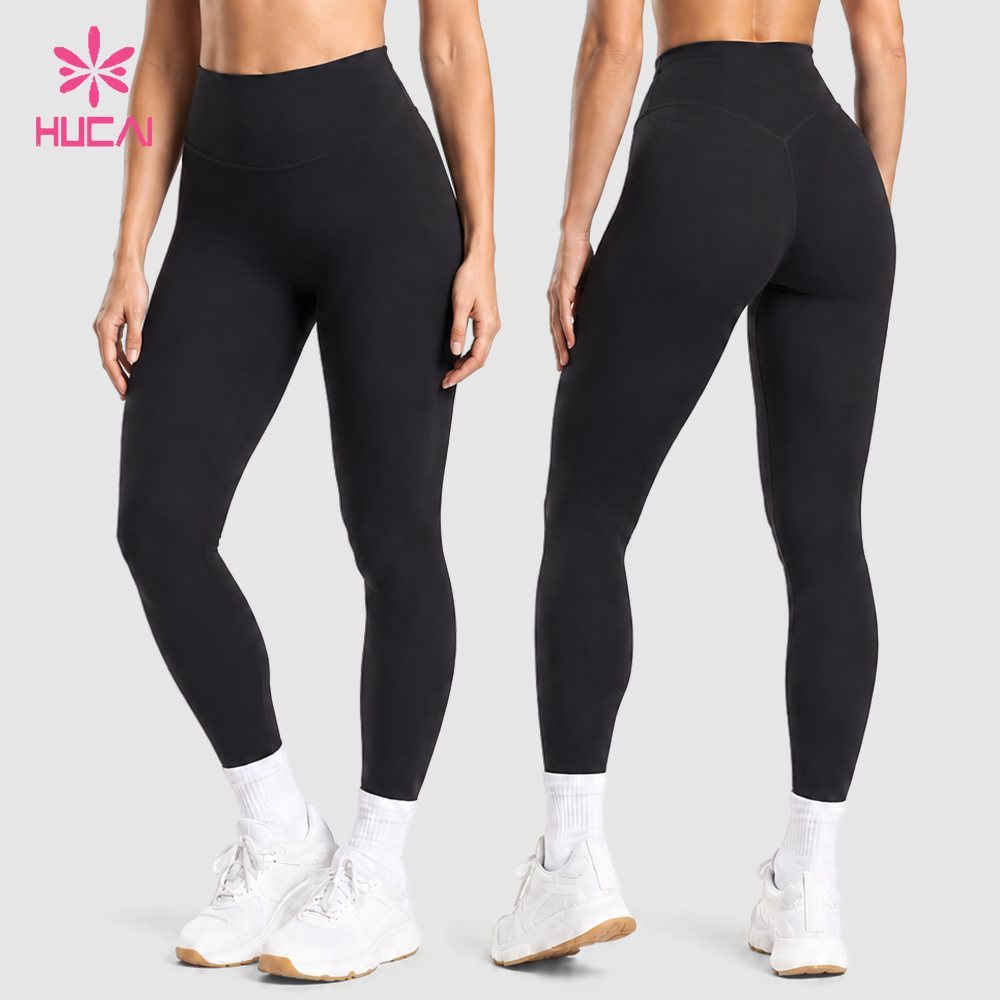
Brushing is a family of surface treatments, not one specification. Two suppliers can quote the same phrase and deliver different warmth, opacity and pilling behaviour.
| Construction | What it changes | Main sample focus |
|---|---|---|
| Single-side brushed knit | Soft inside, moderate warmth; opacity follows the base cover factor | Brush depth against pilling grade |
| Double-brushed knit | Soft on both faces, more loft, lower opacity per gram | Weight needed to restore coverage |
| Peached face | Light surface nap, little warmth gain, opacity close to base knit | Nap direction and shade uniformity |
| Sanded or sueded face | Dry matte hand, minimal warmth, low pilling exposure | Surface consistency after washing |
| Loop-back fleece knit | Highest warmth and good coverage, more bulk at seams | Waistband bulk and drape |
Naming the construction in the tech pack removes that ambiguity before cutting.
The Trade-Offs Buyers Underestimate
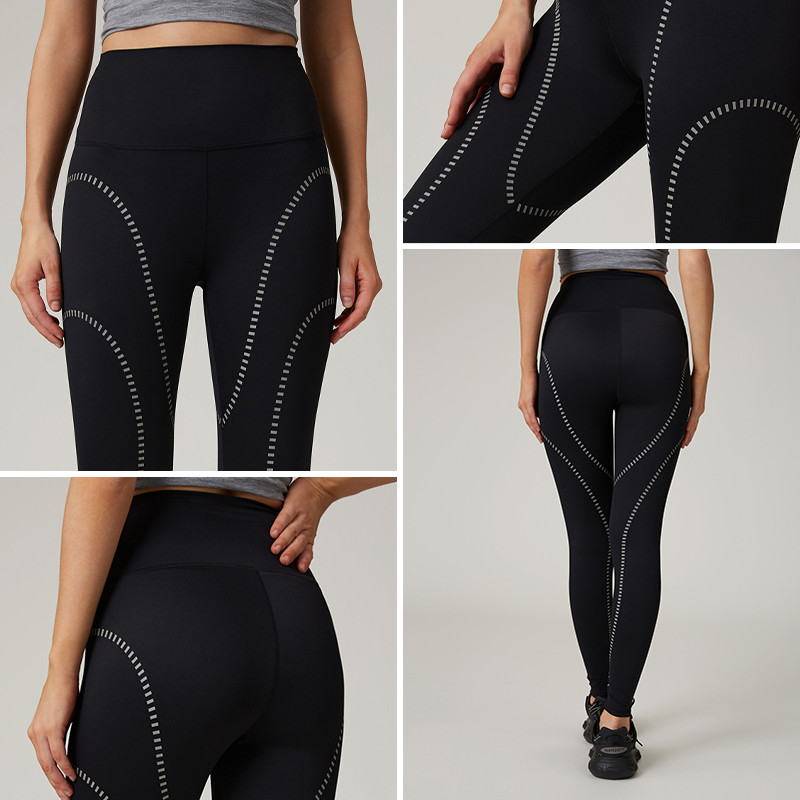
Warmth, opacity and recovery pull against each other, and brushing sits in the middle. Deeper brushing raises loft and softness, and frees short fibre that later becomes pills. Heavier fabric improves coverage, but weight does not fix bagging if the yarn has poor elastic return.
Shade adds a second layer. On dark grounds, fuzzing reads as a grey haze under directional light, so black can look older faster than a mid-tone at the same pilling grade. On light grounds, shadow through the seat shows before surface wear.
Time is the third trade-off. A brushing pass, a wash trial and a pilling test add days to approval; skipping them moves that work into bulk inspection, where correction costs more. HUCAI fabric technicians treat brush depth as a specification value with a tolerance, not a finishing note.
A Sample Acceptance Table
Methods are named so a supplier can quote the same procedure. Pass values are proposed checks to agree in writing before sampling, because the right value depends on weight, end use and market.
| Check | Test basis | Proposed acceptance check |
|---|---|---|
| Surface pilling | ASTM D4970 or ISO 12945-2 | Grade 4 or above on the brushed face at the agreed cycle count |
| Stretch and growth | ASTM D2594 as reference | Growth within the limit agreed for the target rise |
| Opacity, dry and stretched | In-house viewing protocol | No background visible at seat and knee at agreed extension |
| Opacity, wet | Same protocol after wetting | Same pass level as the dry check |
| Dimensional change | ISO 6330 with ISO 5077, or AATCC 135 | Shrinkage inside tolerance per direction |
| Colour fastness to washing | ISO 105-C06 or AATCC 61 | Grade agreed for shade change and staining |
| Mass per unit area | ISO 3801 | Weight inside the tolerance agreed per lot |
Opacity has no universal pass number, so write viewing distance, light source and background into the tech pack, and test pilling on the brushed face as worn.
Preparing a winter bottom for the first time? The sample policy explains what a development round includes, and the leggings development page shows how rise, gusset and seams are specified before a sample is cut.
Bulk Control Beyond the Lab Report
A passing report describes one piece of fabric. Bulk brings lot variation, and with brushed fabric that variation is visible on the garment.
- Brush direction and uniformity. Panels from different roll ends can show directional sheen. Cut all leg panels in one direction and record it on the marker.
- Lot weight and handle. Agree a weight tolerance and check it with ISO 3801. A heavier lot feels warmer and may shed more fibre, so the pilling check follows the weight check.
- Seam behaviour at the brushed edge. An over-compressed stitch flattens the nap and reads as a pale line in photographs.
HUCAI Sportswear runs AQL 2.5 based inspection with in-process checkpoints at cutting, sewing and finishing, and pulls a wash sample from each bulk lot so recovery is confirmed on production fabric, not on the approved sample alone.
What to Put in the RFQ
Quotes vary because the enquiries behind them are not comparable. Include:
- Construction and weight: single-side, double-brushed, peached, sanded or loop-back, with a gsm range.
- Opacity expectation: pose, light and background you approve against, and whether wet state matters.
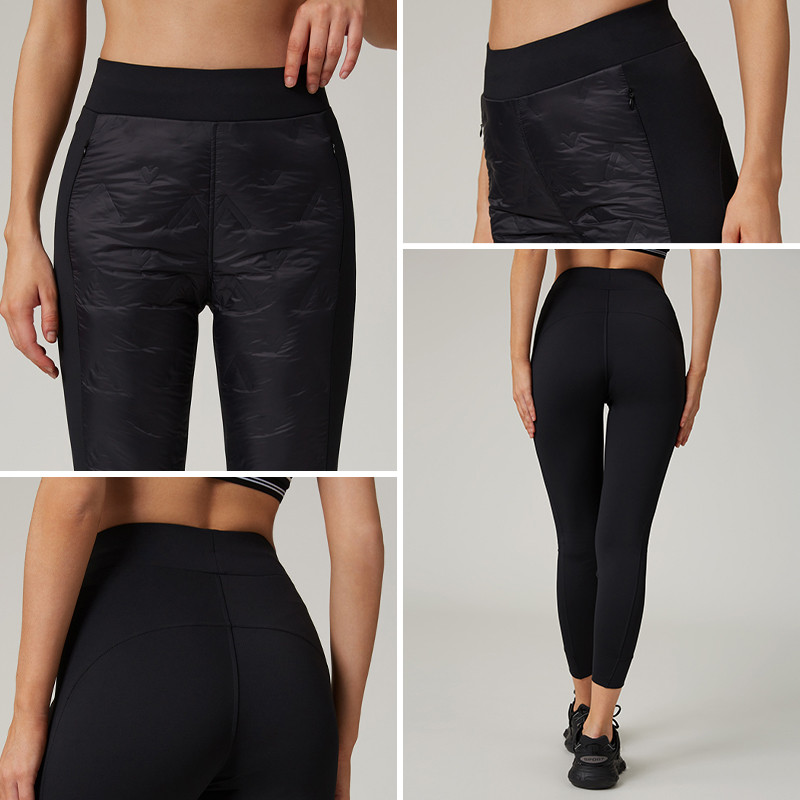
- Rise, gusset and seam map: waistband height, gusset style, contour seams, and whether a front seam is acceptable.
- Size range and grading: base size, size break and fit model measurements.
- Shade and fastness: Pantone or lab dip reference, plus washing expectation.
- Volume and timing: styles, colours, sizes and the date the first bulk must land.
Public MOQ for custom development is from 100 pcs/style. Sampling usually takes about 10–15 days from confirmed specification and fabric, and bulk production often runs about 25–30 days after sample approval, confirmed against the approved sample, fabric availability and order conditions.
For other surfaces, see the fabric selection overview and the fabric options collection.
Decision Check: Is Your Winter Legging Brief Ready for Sampling?
Before requesting samples, confirm the following:
- Construction named: the brushing type is written into the tech pack, not left as "brushed".
- Weight and tolerance: a gsm range per lot is set, with a check method.
- Opacity protocol: pose, light, background and wet state are specified.
- Pilling grade and cycles: method and pass value are in writing.
- Recovery and wash checks: lab check and wear trial have owners and dates.
If three or more criteria are confirmed, the direction is ready for a structured sample request. If fewer are resolved, one round on specification usually costs less than two rounds of revision.
Founder's Technical Insight: Jean Yuan's Development Note
In our development room, the argument about brushed winter leggings is rarely about softness. Softness is easy to add and hard to control. The question I put to the team is what the fabric will look like on the seat after a winter of washing and wear. That decides brush depth, yarn choice, and whether the weight is honest or simply thick. HUCAI has worked this way since 1998: specify the surface, test it as worn, then approve the feel.
FAQ
What fabric weight should brushed winter leggings be?
There is no single correct weight. Weight, brushing depth and opacity must be set together, because a heavier fabric with light brushing can still show through at the seat.
Does brushing make leggings more likely to pill?
Brushing raises fibre ends, and raised fibre tangles into pills under friction. Yarn choice, brush depth and a controlled finishing pass limit the effect but cannot remove it, so agree a grade and cycle count first.
How do you check opacity without a lab?
Fix a viewing protocol: same pose, light, contrasting background and distance, checked dry, stretched and wet. Write it into the tech pack and keep a reference photograph, so two inspectors agree.
Single-brushed or double-brushed?
Double brushing softens both faces but lowers opacity per gram and increases loose fibre. Many winter programmes use single-side brushing on a slightly heavier base knit for predictable coverage.
Why do brushed leggings lose shape after washing?
Two common causes: yarn with limited elastic return, and brushing that thins the surface. Both appear in the recovery and dimensional change checks on the first sample.
What do you need to quote brushed winter leggings?
Construction and target weight, opacity expectation, rise and seam map, size range and base size, shade reference, trim details, plus volumes and the date bulk must land.
Final Takeaway
Brushed winter leggings fail on three predictable points: pilling where surfaces rub, show-through under stretch and moisture, and recovery loss after wear and washing. All three belong in a test plan before sampling. Name the construction, set the weight tolerance, define the opacity protocol, agree the pilling grade in writing. HUCAI Sportswear reviews those four items at brief stage, because a programme approved on hand feel alone is corrected in bulk.
About HUCAI Sportswear
- Founded in 1998, specialising in women's activewear and sportswear manufacturing
- OEM and ODM development for leggings, sports bras, tops, shorts and matching sets
- Structured sample development with sample-to-bulk consistency control
- AQL 2.5 based inspection with in-process checkpoints at cutting, sewing and finishing
Current certification information can be reviewed during supplier evaluation based on the project and documentation requirements. Recycled or certified material options can be reviewed based on project requirements.